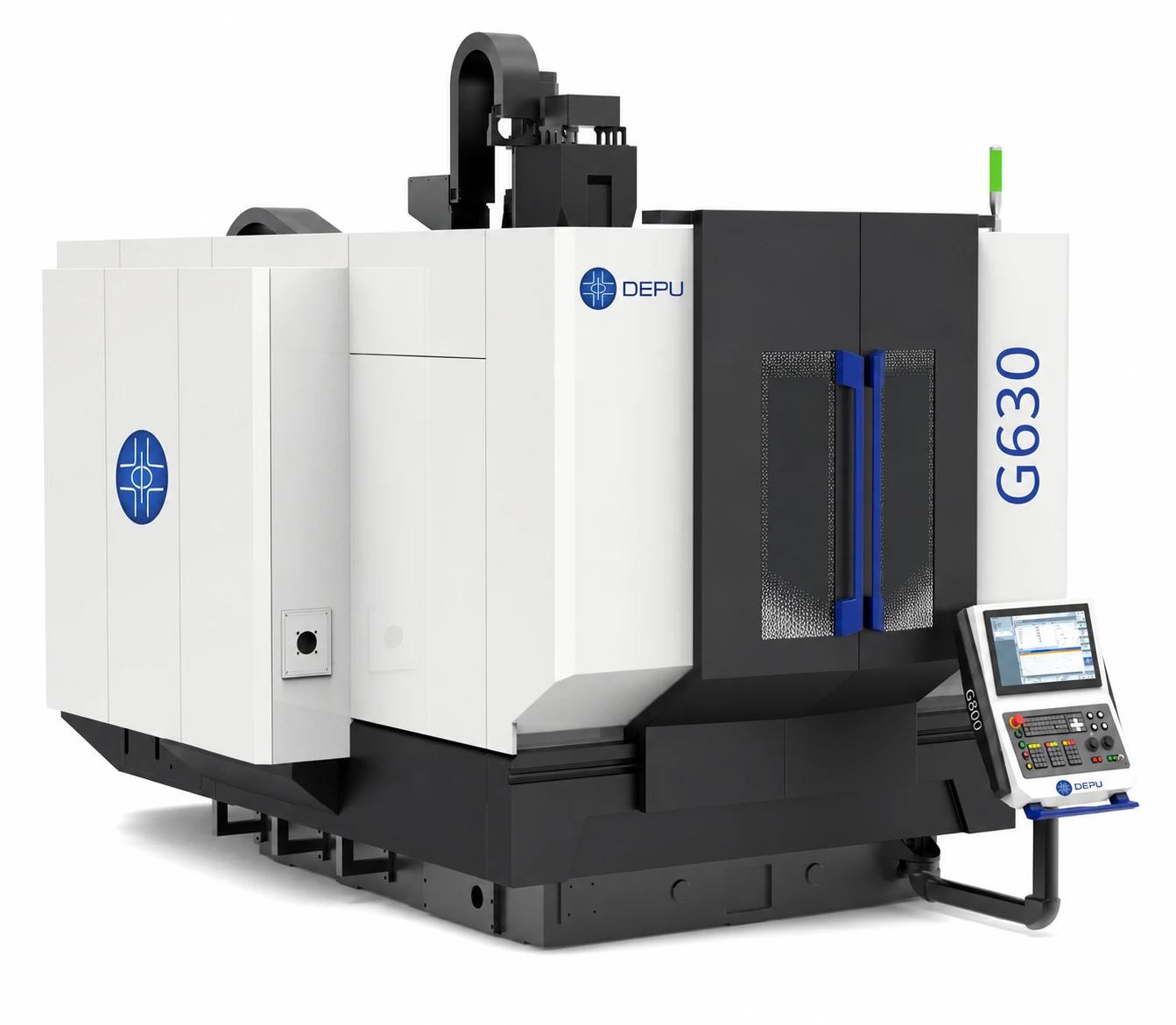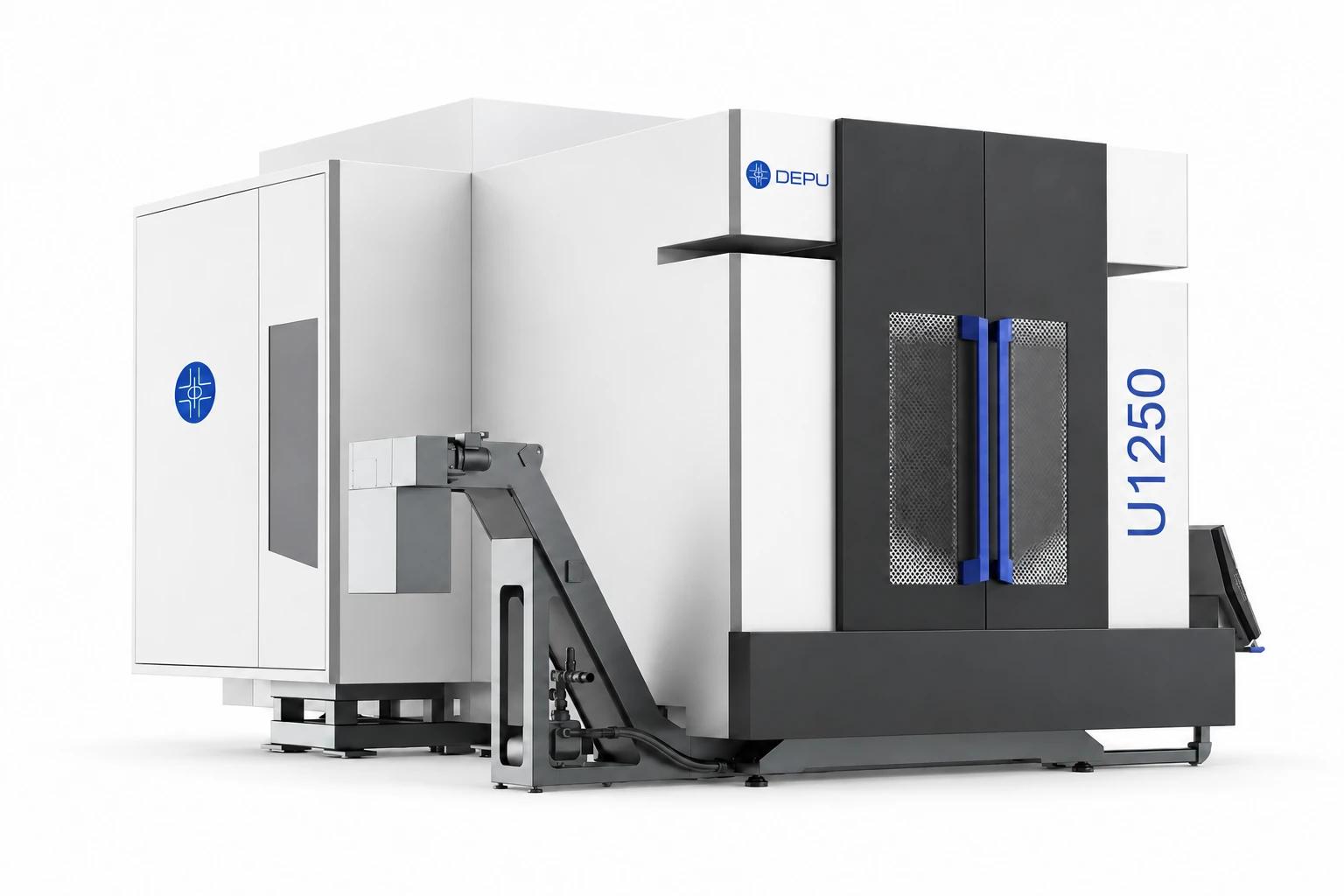

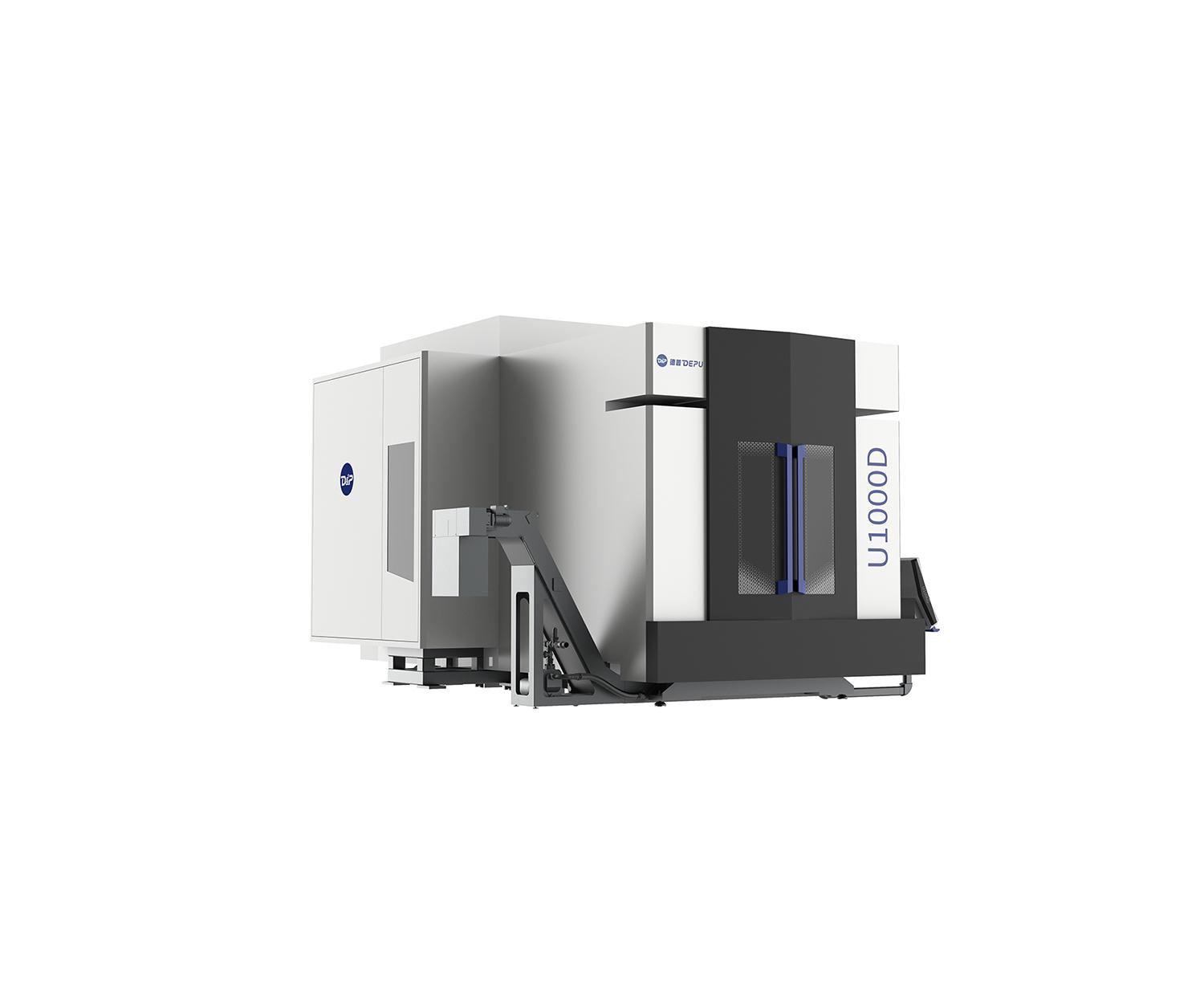
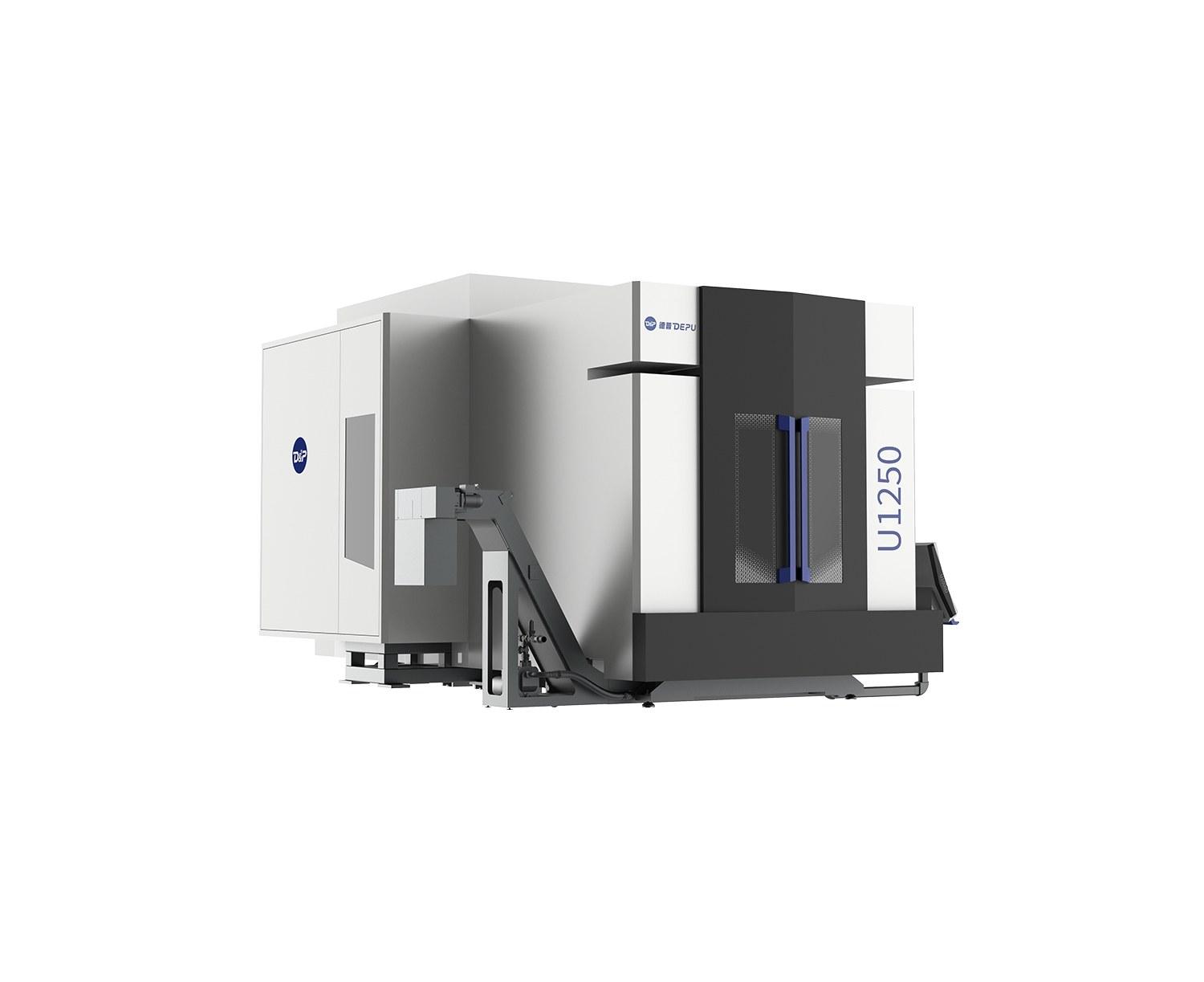
U1000D, U1250, U1600 or U2000: Sizing a Tilting-Head Series
Compare DEPU U-series tilting-head 5-axis CNCs. Discover why U1000 leads in torque, U1250 excels in speed, and how to size for heavy parts up to 8,000 kg.
Better questions. Better machining decisions.
Explore the processes, technologies and thinking behind precision manufacturing.
Machine selection, process thinking and industry perspectives.
Compare DEPU U-series tilting-head 5-axis CNCs. Discover why U1000 leads in torque, U1250 excels in speed, and how to size for heavy parts up to 8,000 kg.
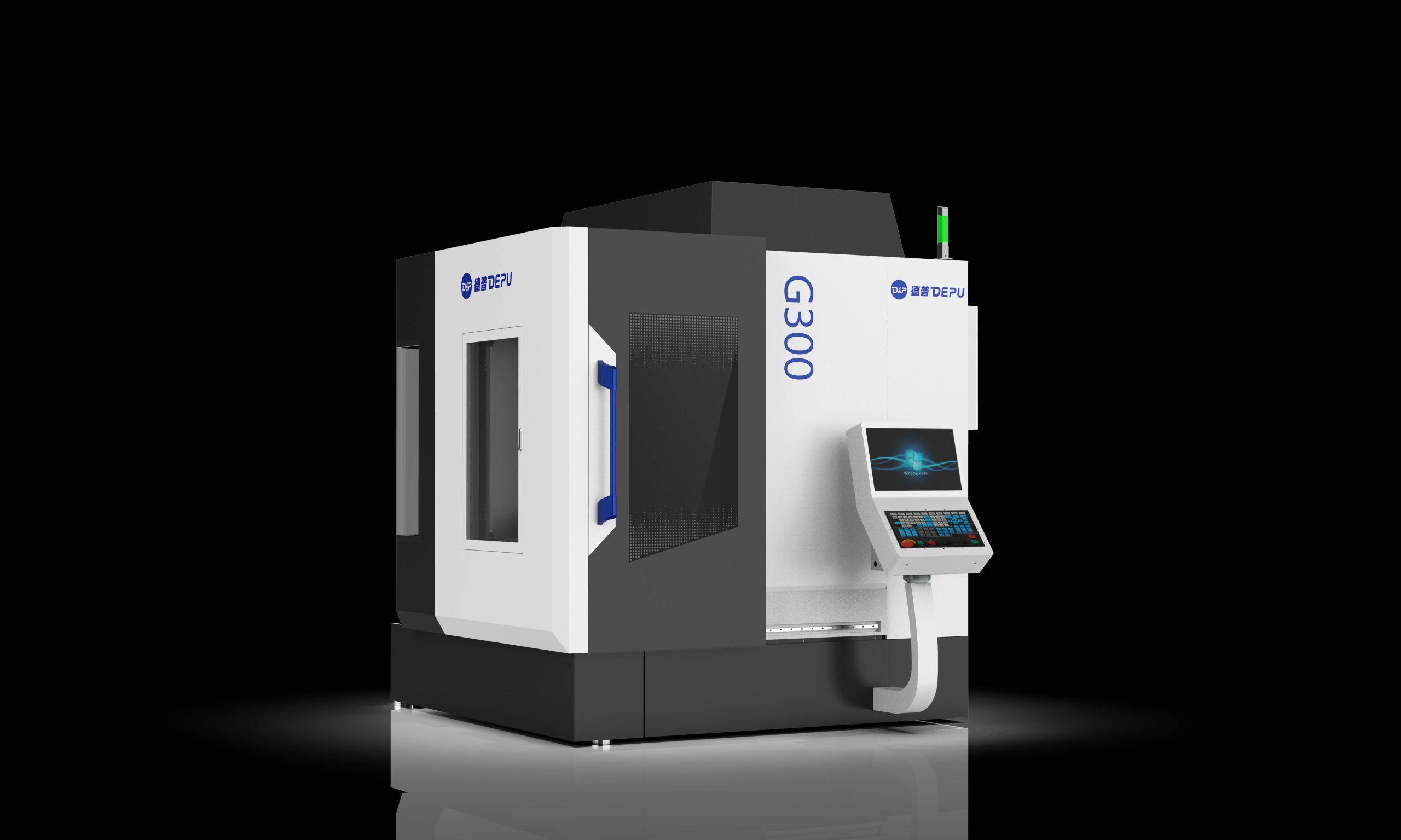
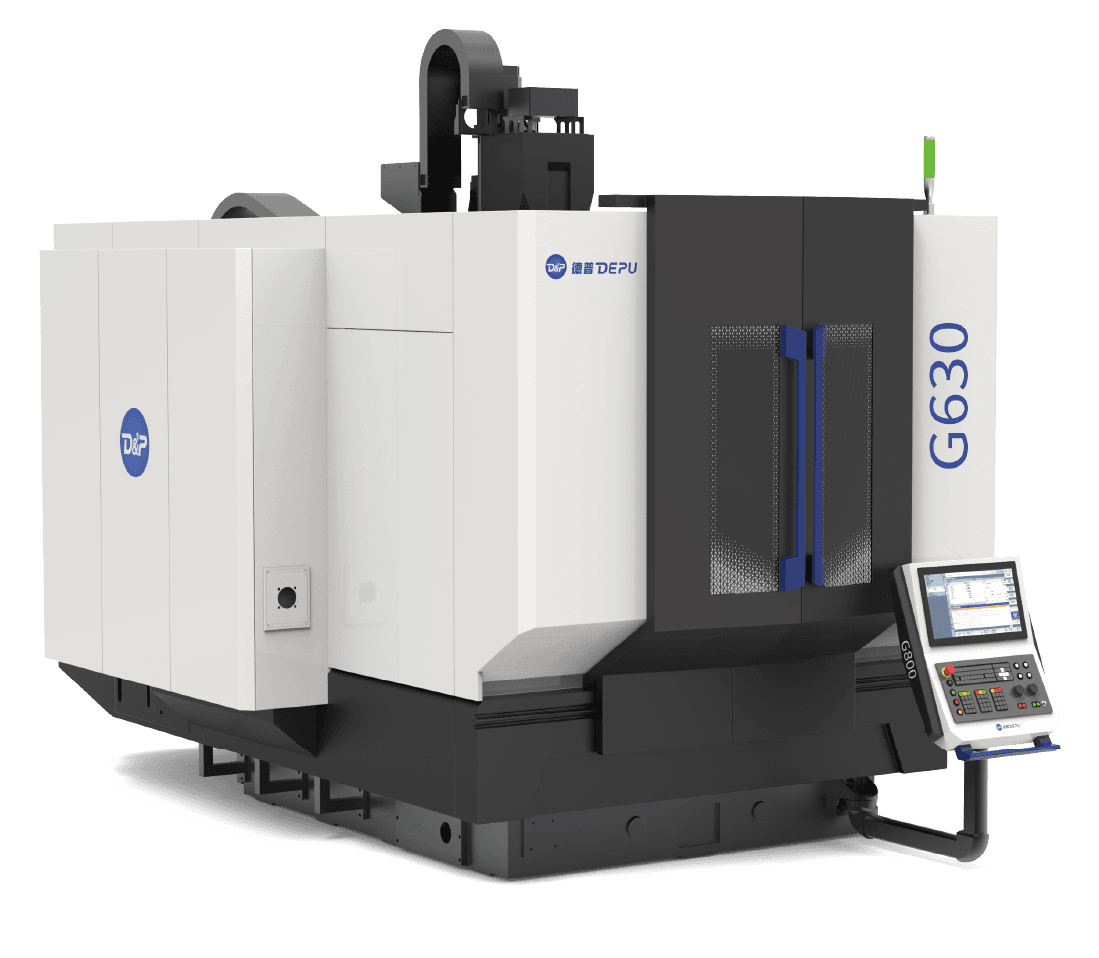
Table diameter is the least useful number in a trunnion 5-axis comparison. Size the DEPU G300, G630 and G800 from swept envelope, table load, spindle class, installed footprint and tool magazine instead.
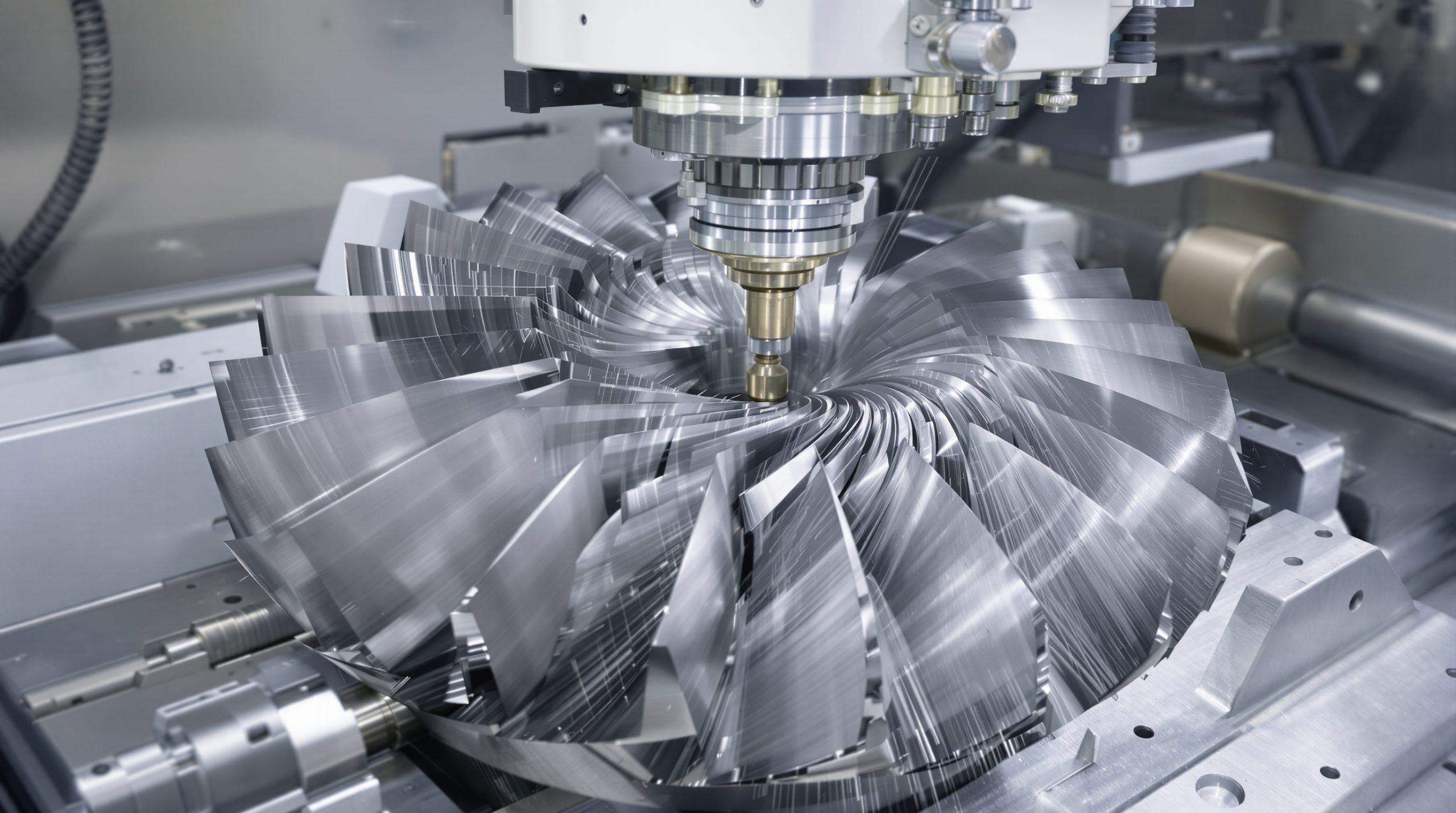
A part that looks difficult to machine may not actually be complex. The real problem could be the machining strategy. Discover how better tool orientation, fewer setups, and 5-axis CNC machining can simplify difficult manufacturing challenges.
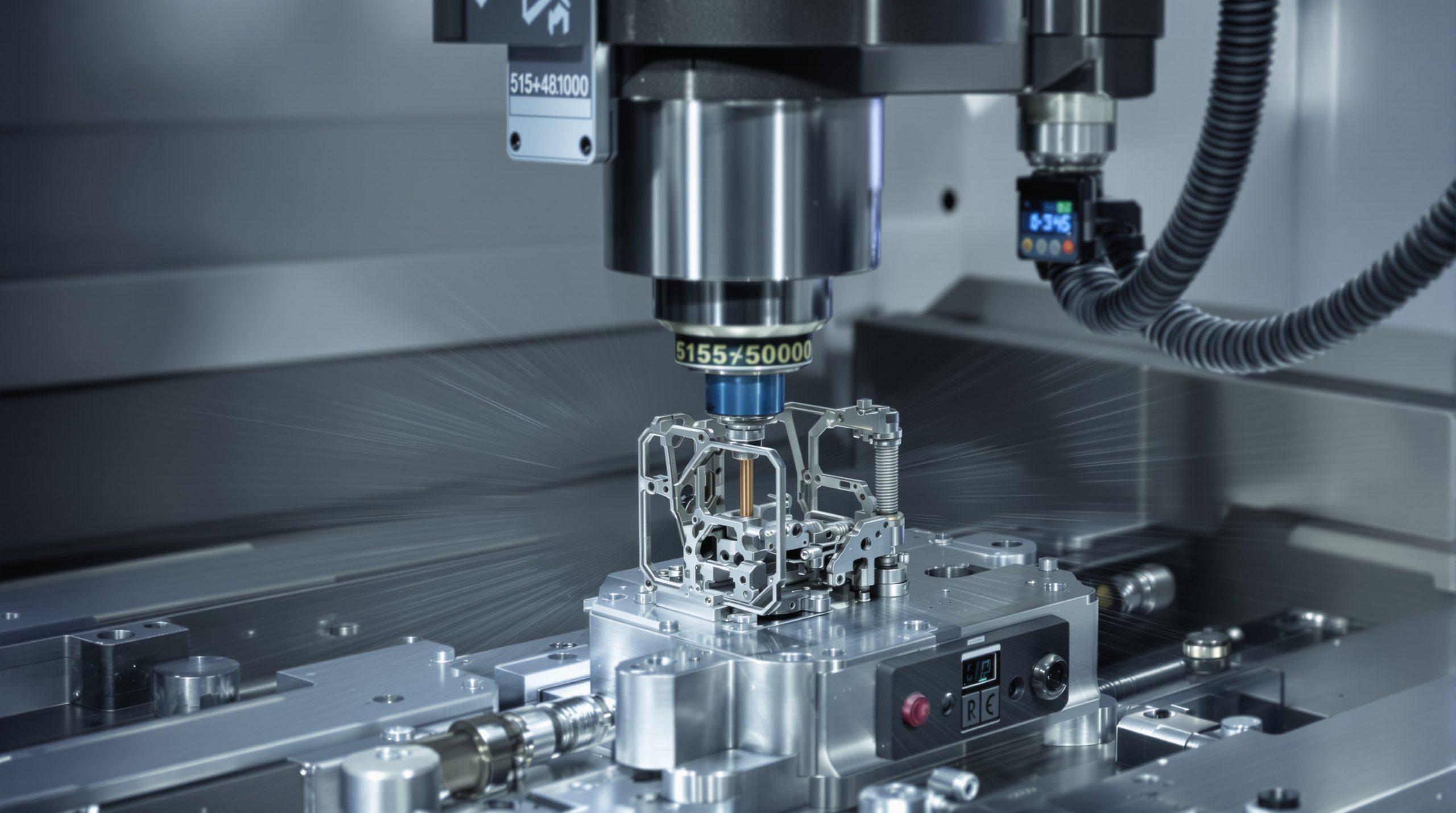
Having a five-axis CNC machine does not automatically mean you are using all five axes. Learn how 3+2 and simultaneous 5-axis machining work, when each strategy makes sense, and how to get more from your machine.
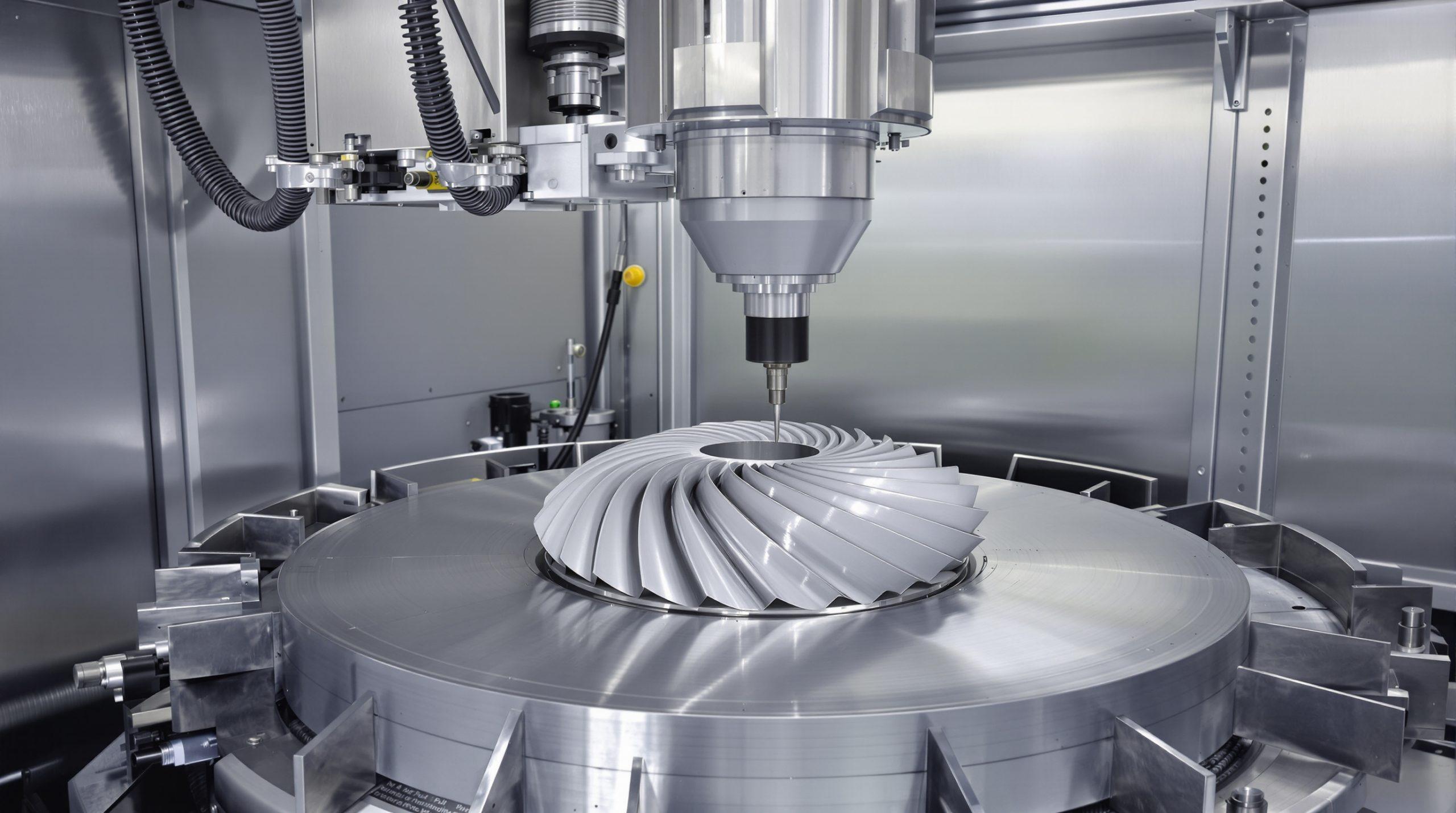
Multiple setups can add time, introduce positioning errors, and make complex parts harder to manufacture. Learn how 5-axis CNC machining can reduce setups and improve precision, efficiency, and surface quality.
5-axis machining creates value far beyond fewer setups. From first workpiece positioning to final surface finishing, it improves accessibility, accuracy, tool engagement, and production efficiency for complex parts.
Fewer setups are one of the most recognized advantages of 5-axis machining, but they are only part of the story. Modern 5-axis CNC technology can improve tool accessibility, surface quality, dimensional consistency, programming flexibility, and overall production efficiency. Understanding these less obvious benefits helps manufacturers determine where 5-axis machining can create the greatest value.
5-axis machining can dramatically improve complex part production, but it is not automatically the best solution for every job. Understanding when 5-axis CNC technology creates real value—and when a 3-axis or 3+2 setup is sufficient—helps manufacturers make better machine investment decisions.
A larger 5-axis CNC machine does not automatically provide better machining capability. For complex parts, workpiece accessibility, rotary-axis range, tool clearance, and fixture design can be more important than machine size alone.
Explore the machine architecture behind the process. Start with your workpiece, then consider the configuration.
Tell us what you need to machine.
Let's explore the right platform, together.