
The Evolution of Your Machine Shop: From Basic Turning […]
The Evolution of Your Machine Shop: From Basic Turning to a 5 Axis Machining Center
Every successful machine shop starts somewhere. For many, the journey begins with foundational equipment designed to handle straightforward cylindrical parts. A reliable 2 axis cnc lathe is often the workhorse of a young shop, churning out pins, shafts, and basic threaded components with excellent efficiency.
However, as your clients’ demands grow, so does the complexity of the geometries they require. The transition from simple rotational turning to complex prismatic milling marks a critical turning point in a manufacturer’s growth. When aerospace, medical, or automotive clients ask for undercuts, complex contours, and extreme tolerances, that trusty 2-axis machine is no longer enough.
This is where the transformative power of 5 axis cnc milling comes into play.
The Big Leap: Understanding the 5 Axis Machining Center
Stepping up to a 5 axis machining center is not just about adding more moving parts; it is about completely reimagining your workflow. Unlike traditional 3-axis machines where the cutting tool only moves in the X, Y, and Z directions, a 5-axis machining center introduces two additional rotary axes (usually A and B, or A and C).
What is the real-world advantage? “Done-in-One.”
Instead of manually flipping a part multiple times—which introduces human error and clamping inconsistencies—a 5-axis machine can approach the workpiece from almost any angle. This drastically reduces setup times and guarantees superior geometric dimensioning and tolerancing (GD&T).
Why 5 Axis CNC Milling Changes the Game
The capabilities unlocked by 5 axis cnc milling are profound. Whether you are cutting tough titanium for aerospace brackets or crafting delicate aluminum impellers, the benefits include:
- Shorter Cutting Tools: Because the machine head or the rotary trunnion can tilt the part toward the spindle, you can use shorter, more rigid cutting tools. This reduces tool vibration (chatter), extends tool life, and results in a mirror-like surface finish.
- Complex Geometries: True 5-axis simultaneous milling allows the tool and the workpiece to move together in real-time, making it possible to machine organic shapes and deep cavities that are impossible on standard mills.
- Increased Profitability: While the initial investment in a 5 axis machining center is higher, the reduction in labor (setup time) and scrapped parts yields an incredible ROI.
Industrial Power: The 5 Axis Vertical Machining Center
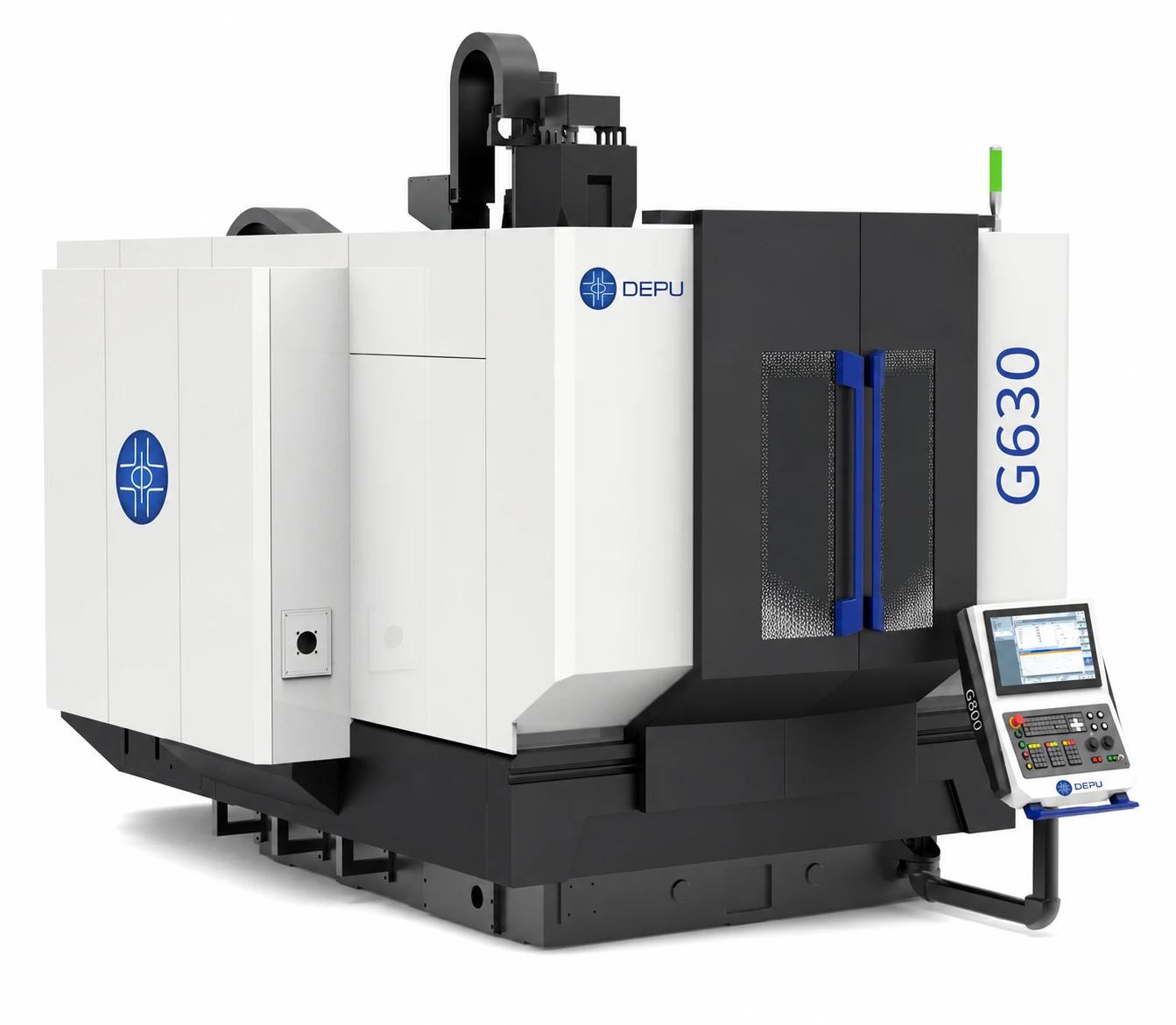
When it comes to heavy-duty industrial applications, the 5 axis vertical machining center (VMC) remains the industry gold standard. In this configuration, the spindle approaches the workpiece from above, while the heavy cast-iron trunnion table securely holds and rotates the part.
This vertical orientation is incredibly versatile. It combines the massive rigidity required to hog out hard metals with the precision needed for fine finishing passes. For shops looking to produce medium-to-large complex parts, investing in a robust 5 axis vertical machining center is the ultimate strategy to outpace the competition.
From Legacy Lathes to Next-Gen Milling
It’s important to respect your roots. A 2 axis cnc lathe will always have a place in the manufacturing ecosystem for rapid, high-volume turning. But in an era where design engineers are pushing the boundaries of what is physically possible, your shop floor must evolve.
Whether you are looking for a heavy-duty industrial 5-axis machining center or exploring high-precision desktop 5-axis solutions to prototype your ideas, stepping into the world of 5-axis technology is how you future-proof your business.
Ready to Elevate Your Machining Capabilities?
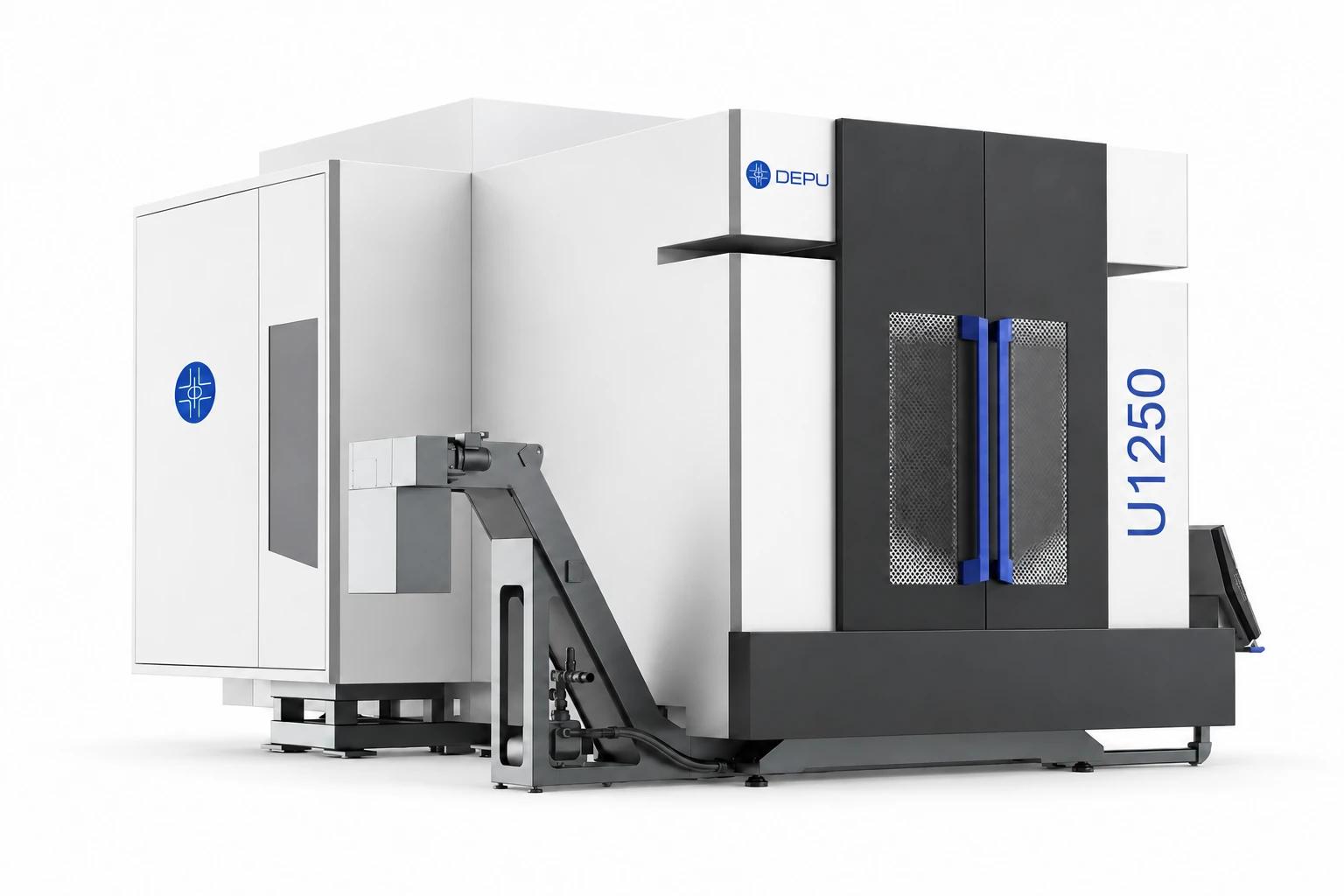
Discover how DEPU’s range of high-precision 5 axis CNC solutions—from industrial behemoths to cutting-edge desktop models like the GM130—can redefine what your shop is capable of.
Explore DEPU 5-Axis Solutions →
Originally published by DEPU on 2 Nov 2026.