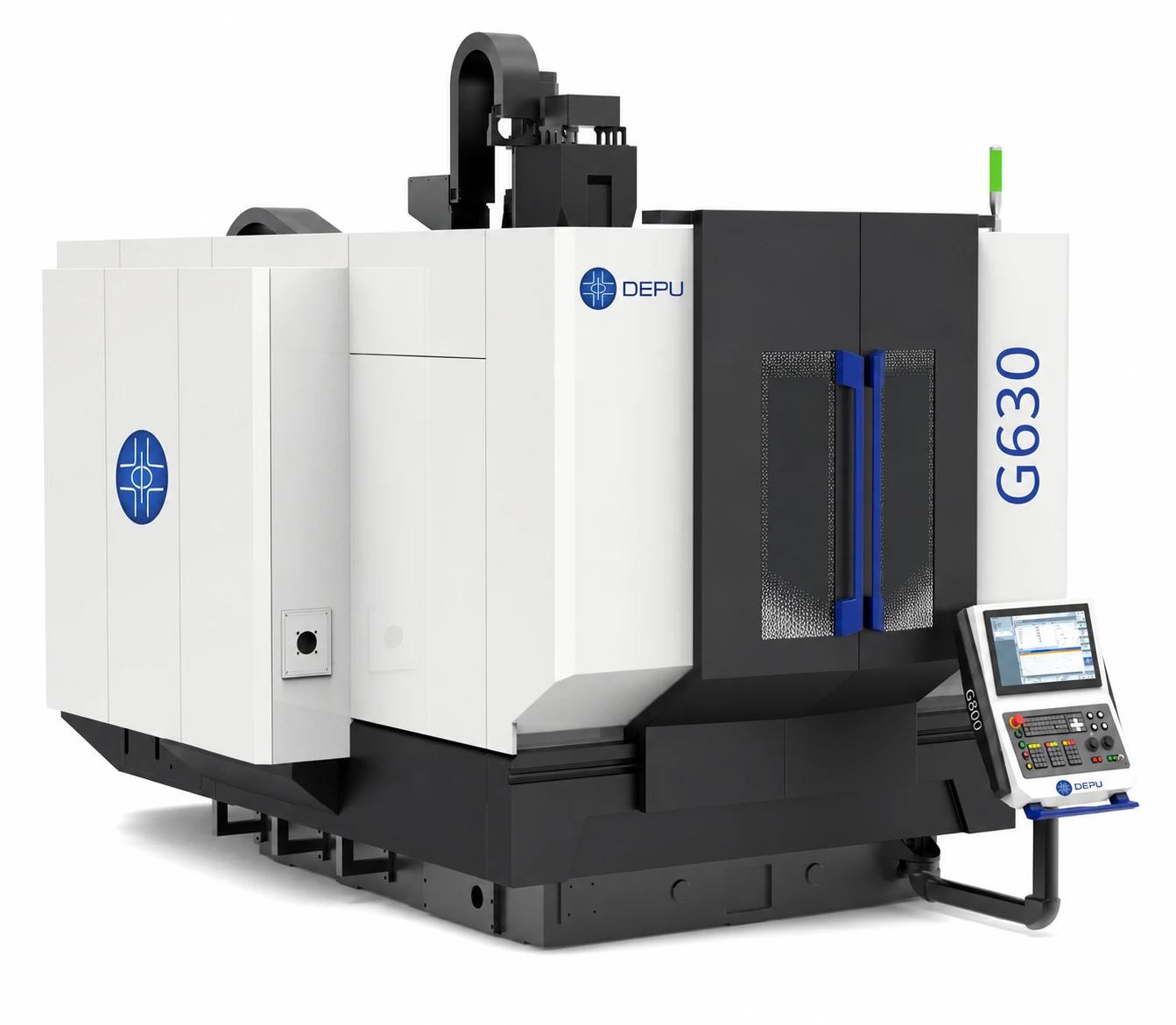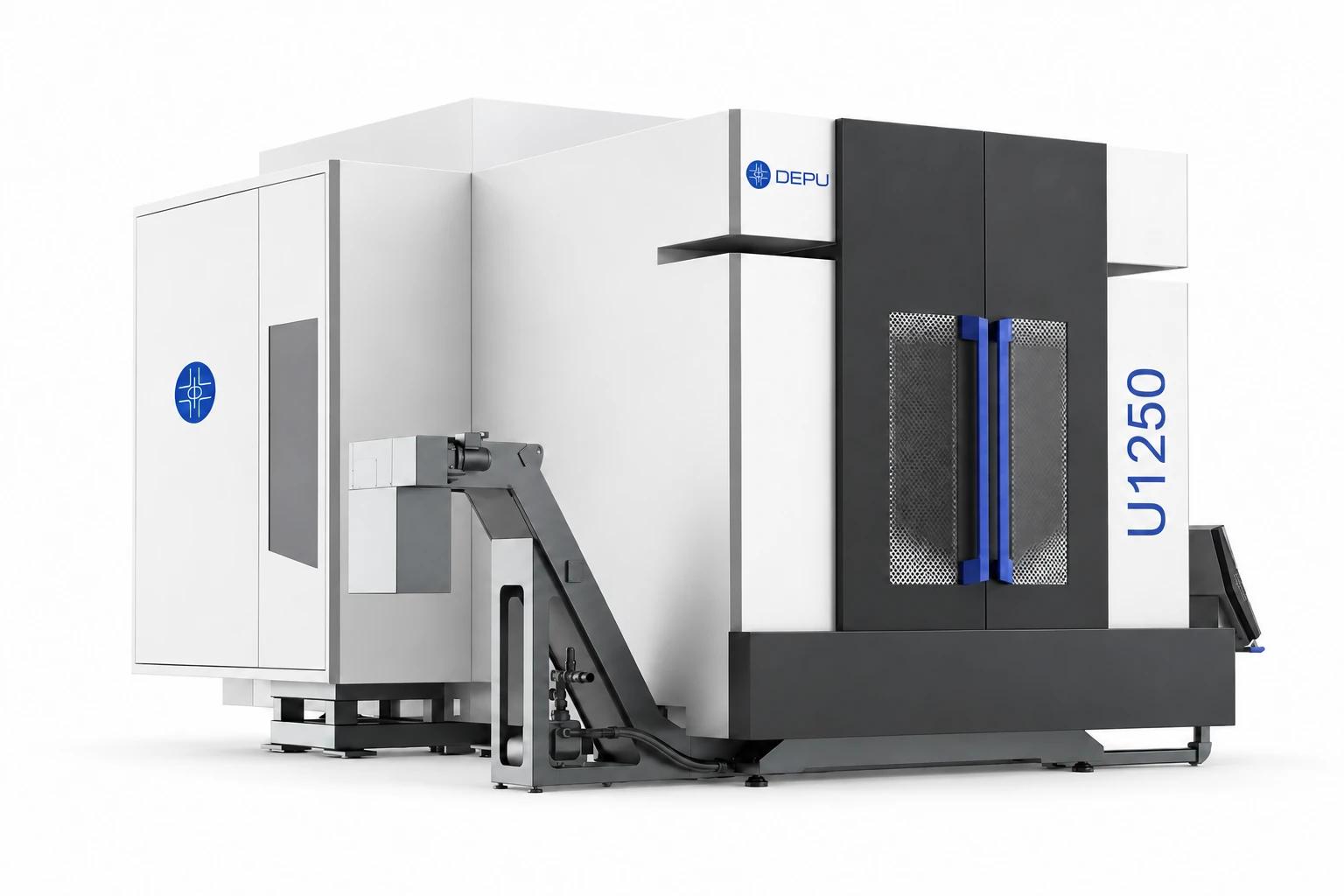

Why Long-Term Stability Is the Real Test of a 5-Axis CNC Machine
Short-term accuracy is easy to claim—long-term stability is hard to prove. This article explains why sustained precision defines the true value of a 5-axis CNC machine.
Better questions. Better machining decisions.
Explore the processes, technologies and thinking behind precision manufacturing.
Machine selection, process thinking and industry perspectives.
Short-term accuracy is easy to claim—long-term stability is hard to prove. This article explains why sustained precision defines the true value of a 5-axis CNC machine.
Not all 5-axis machines are truly high-performance. This article breaks down the structural, kinematic, and control factors that separate real production-grade systems from basic 5-axis platforms.
When does 5-axis CNC machining truly make sense? From rapid prototyping to stable batch production, this article explains where 5-axis delivers real accuracy, efficiency, and ROI.
Rotary table and trunnion are the two most common 5-axis CNC configurations—but they behave very differently in real-world machining. Understanding their structural differences is critical to accuracy, rigidity, and long-term performance.
5-axis kinematics directly determine machining accuracy, structural rigidity, and how well a machine holds tolerance over years of operation—not just on day one.
The true cost of 5-axis CNC machining extends far beyond the purchase price of the machine itself. Understanding these hidden cost drivers is critical for long-term ROI and production stability.
Aerospace components require extreme rigidity, stability, and precision—making heavy-duty 5-axis CNC machines a necessity rather than an option
DEPU’s Zhejiang manufacturing base has successfully reached its topping-out milestone, marking a major step toward large-scale, high-precision 5-axis CNC machine production.
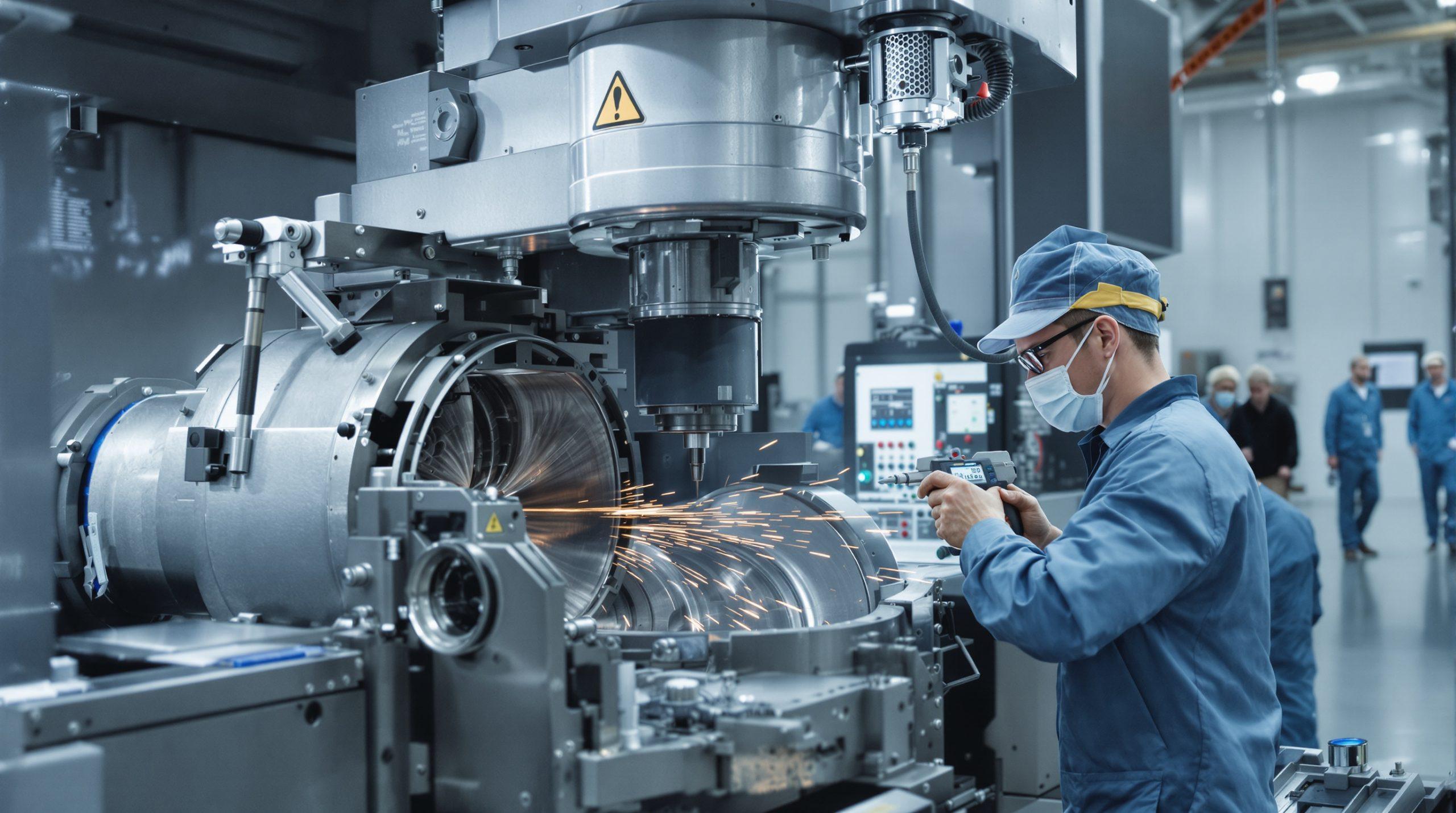
Which industries gain most from 5-axis CNC? Aerospace, medical, EV, defense & more—see precision gains, 30%+ cycle time cuts, and FDA/FAA-compliant production. Explore now.
Explore the machine architecture behind the process. Start with your workpiece, then consider the configuration.
Tell us what you need to machine.
Let's explore the right platform, together.