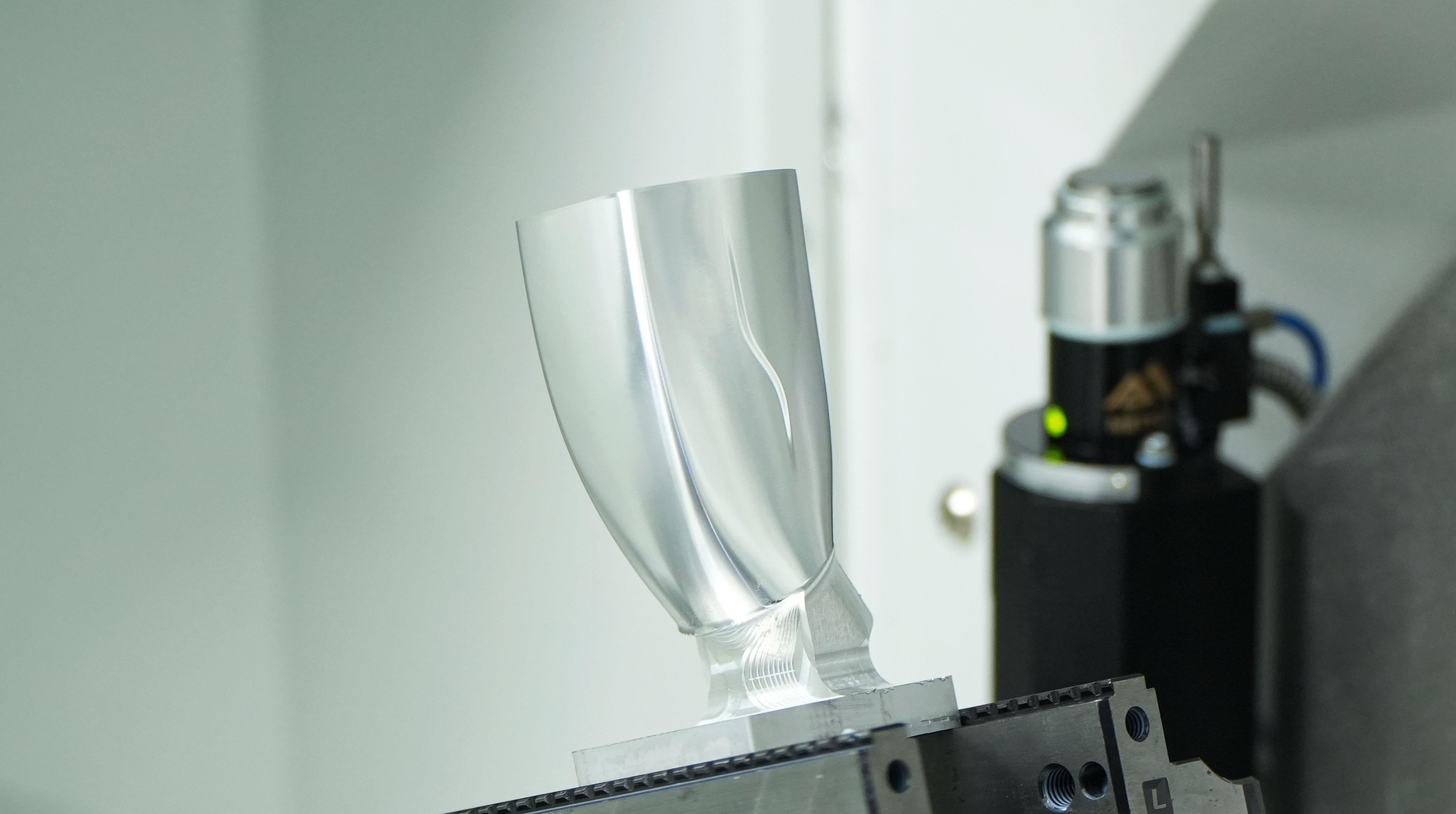

Why Long-Term Stability Is the Real Test of a 5-Axis CNC Machine
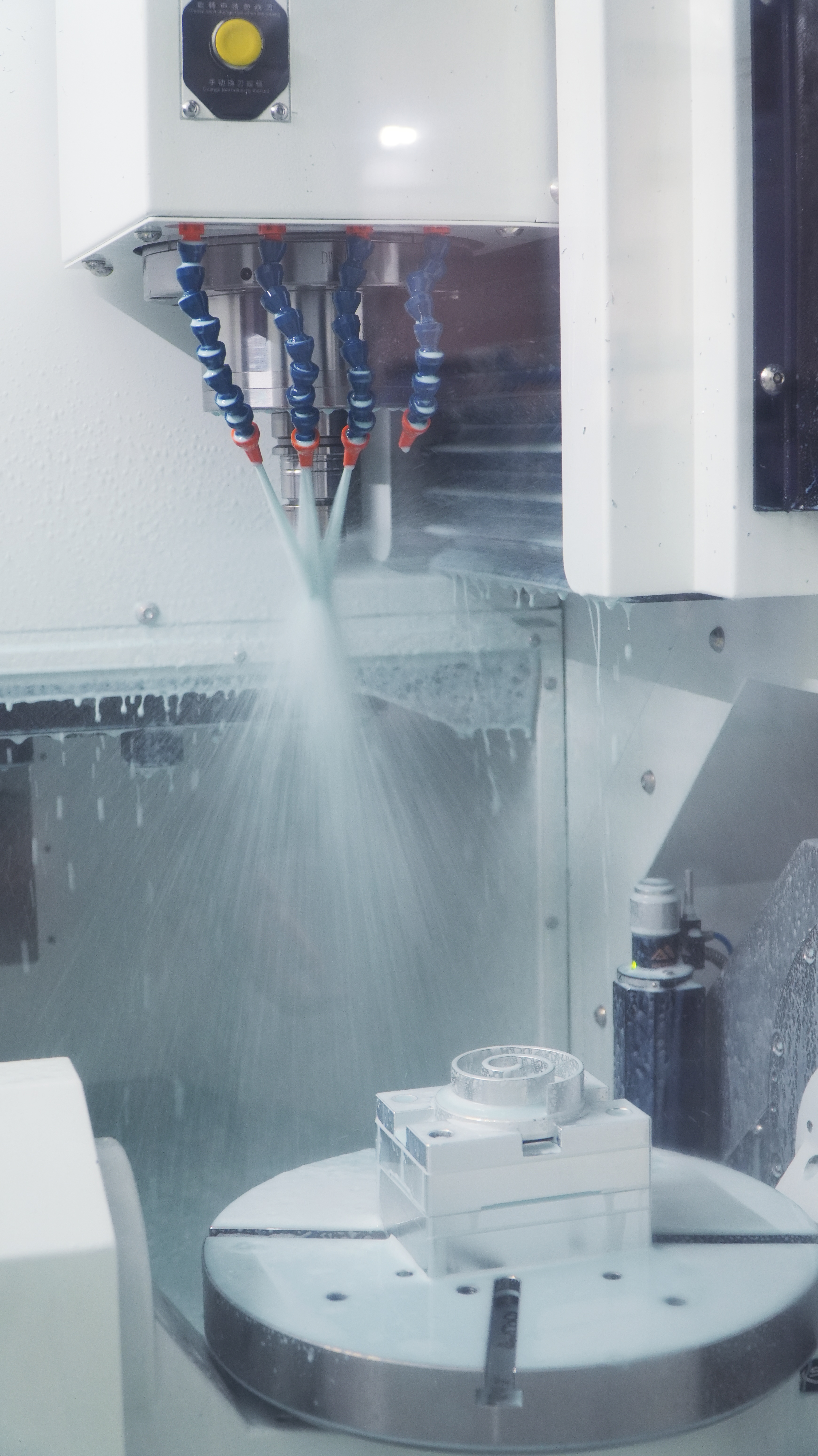
Why Initial Accuracy Doesn’t Equal Real Performance
Many 5-axis CNC machines demonstrate impressive positioning accuracy during factory acceptance tests or short demo cuts. However, long-term stability of a 5-axis CNC machine is rarely visible in these controlled conditions.
Real production environments expose machines to continuous thermal cycling, sustained cutting forces, tool changes, and long unmanned runs. Under these conditions, accuracy that looks perfect on day one can slowly drift—often without immediate detection—until scrap rates rise or assemblies begin to fail.
In high-value manufacturing, 5-axis accuracy over time matters far more than peak accuracy achieved once.
What Long-Term Stability Really Means in 5-Axis Machining
Long-term stability is the ability of a 5-axis CNC machine to maintain geometry, positioning, and surface integrity over months and years, not hours. This includes:
-
Stable axis alignment under continuous load
-
Predictable kinematic behavior during simultaneous motion
-
Minimal recalibration requirements
-
Consistent surface finish across batch production
A machine that requires frequent realignment or compensation cannot be considered stable—regardless of how advanced its specifications appear.
Structural Rigidity: The First Pillar of Stability
The long-term stability of a 5-axis CNC machine begins with its mechanical structure. Lightweight frames and insufficiently reinforced rotary axes may perform acceptably during light cuts, but they degrade under sustained production loads.
High-stability machines feature:
-
One-piece cast or mineral-cast beds
-
High-load trunnion or rotary assemblies
-
Optimized load paths that minimize bending moments
Without sufficient rigidity, 5-axis machining stability deteriorates progressively as components fatigue and micro-deformations accumulate.
Thermal Stability: The Most Common Cause of Drift
Among all factors, thermal stability in 5-axis machining is the most underestimated. Spindles, ball screws, motors, and structural components all expand with temperature. Even a 1°C fluctuation can introduce several microns of deviation across a large machine envelope.
A truly stable industrial 5-axis CNC machine integrates:
-
Active spindle cooling
-
Axis growth compensation
-
Machine-wide thermal mapping
Without these systems, maintaining 5-axis accuracy over time becomes impossible in real-world conditions.
Kinematic Consistency Under Continuous Motion
Simultaneous 5-axis machining places extreme demands on kinematic precision. Over time, backlash, bearing wear, and rotary axis settling can degrade accuracy if not properly managed.
The long-term stability of a 5-axis CNC machine depends on:
-
Precision rotary bearings with high preload stability
-
Continuous kinematic calibration models
-
Control systems capable of real-time error compensation
Machines that rely solely on static calibration inevitably lose precision during extended production cycles.
Control Systems: Stability Is Also a Software Problem
Mechanical strength alone cannot guarantee stability. Modern CNC systems actively monitor and correct errors during machining.
Advanced control platforms improve 5-axis machining stability by:
-
Managing jerk and acceleration to reduce structural stress
-
Adapting feedrates based on load conditions
-
Maintaining smooth multi-axis interpolation over long toolpaths
In long-cycle aerospace or medical production, these software-driven corrections are critical to sustaining accuracy.
Why Long-Term Stability Defines Industrial-Grade Machines
For aerospace, medical, and energy sectors, part failure is not an option. These industries rely on industrial 5-axis CNC machines that can hold tolerances across years of operation—not just pass initial inspections.
A stable machine delivers:
-
Lower scrap rates
-
Predictable quality across batches
-
Reduced downtime and recalibration costs
In contrast, unstable machines increase hidden costs long after purchase, making apparent savings disappear over time.
The Real Test: Time, Not Specifications
Ultimately, the long-term stability of a 5-axis CNC machine is proven only through sustained production. Machines that maintain alignment, thermal equilibrium, and kinematic accuracy after thousands of hours are the ones that define true performance.
For manufacturers making mission-critical components, long-term stability is not a feature—it is the foundation of trust.
FAQ
What is long-term stability in a 5-axis CNC machine?
Long-term stability refers to a machine’s ability to maintain accuracy, geometry, and surface quality over extended production periods without frequent recalibration.
Why does accuracy degrade over time in some 5-axis machines?
Thermal drift, structural fatigue, bearing wear, and insufficient kinematic compensation can all reduce 5-axis accuracy over time.
How does thermal stability affect 5-axis machining?
Thermal expansion causes dimensional drift. Without active compensation, even small temperature changes can exceed micron-level tolerances.
Which industries require the highest long-term stability?
Aerospace, medical, and energy industries require exceptional long-term stability due to strict safety, reliability, and regulatory requirements.