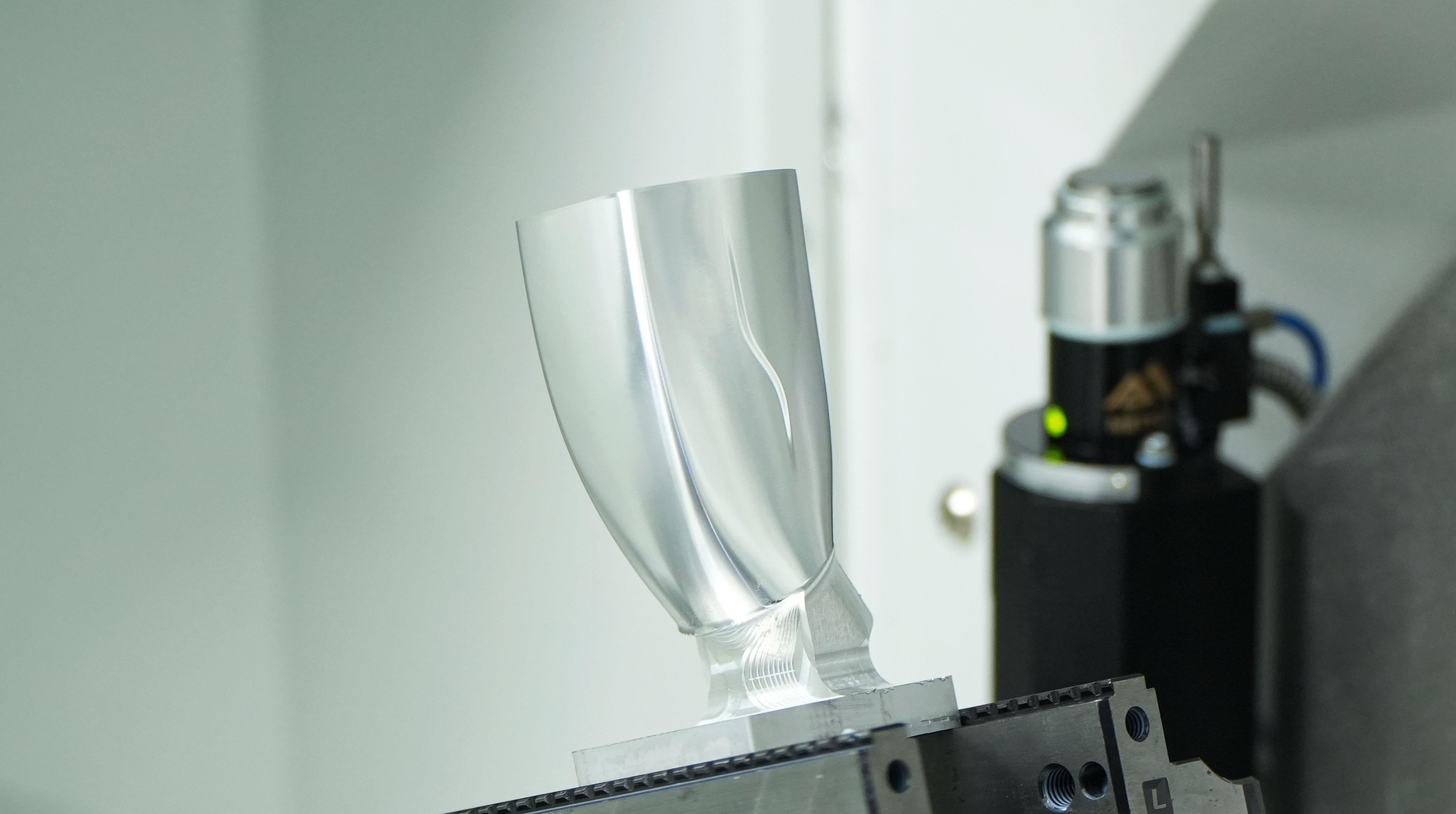

Why CNC Machining Delivers Unmatched Precision for Complex Industrial Components
Tight Tolerance Capabilities: Achieving Consistent Sub-0.005mm Accuracy
Computer numerical control machining gets down to the micron level thanks to those precise computer guided paths that cut out all the guesswork humans bring to the table. Production runs stay rock solid within plus or minus 0.005 millimeters, something manufacturers rely on day in and day out. For stuff like airplane turbine blades, even tiny errors over 5 microns matter a lot when these parts face intense heat and pressure during flight operations. Modern machines handle this by staying super rigid while compensating for temperature changes as they work with metals like aluminum and titanium that expand differently. The surface finish typically hits below 0.4 micrometers Ra, which makes all the difference for things like hip implants where bacteria just won't stick to smooth surfaces, or lenses where any rough spots would mess up how light travels through them. According to recent research from 2024, parts made using CNC technology show about 78 percent fewer size variations compared to what comes out of traditional manual shops, making sure everything fits together properly in systems where failure isn't an option.
GD&T Integration and Metrology-Driven Validation of Complex Geometries
GD&T gets built right into the heart of CNC programming, turning those abstract design concepts into actual specs that machines can follow exactly. When making things like satellite guidance housings, it keeps all the important feature relationships intact during machining. We're talking about tolerances as tight as 0.01mm for true positions here. Parts don't just sit there as separate bits anymore but work together as complete systems. After machining, we check everything using CMMs and laser scanners, comparing what came out of the machine to its digital model. These tools spot differences down to 0.002mm, even on those tricky freeform surfaces that give so many headaches. Take Formula 1 suspension arms for instance. The way we verify these components involves looking at how stress distributes through them to stop any potential fatigue issues down the road. Our closed loop system catches anything that doesn't meet specs before it leaves the factory floor. This approach helps maintain incredibly low defect rates in sectors where failure simply isn't an option.
Advanced CNC Machining Capabilities: Multi-Axis and Mill-Turn Solutions
5-Axis CNC Machining: Minimizing Setups and Maximizing Surface Integrity
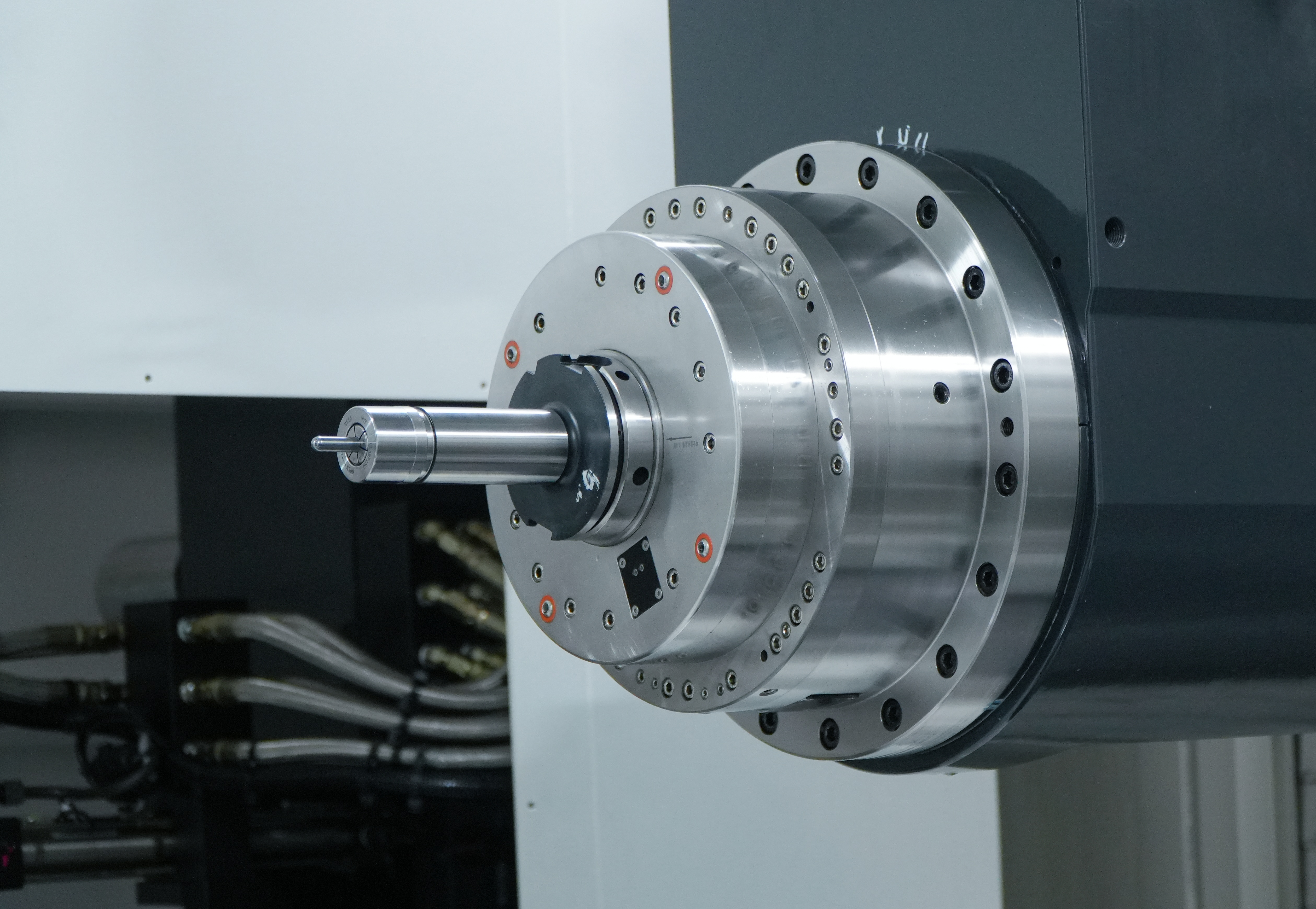
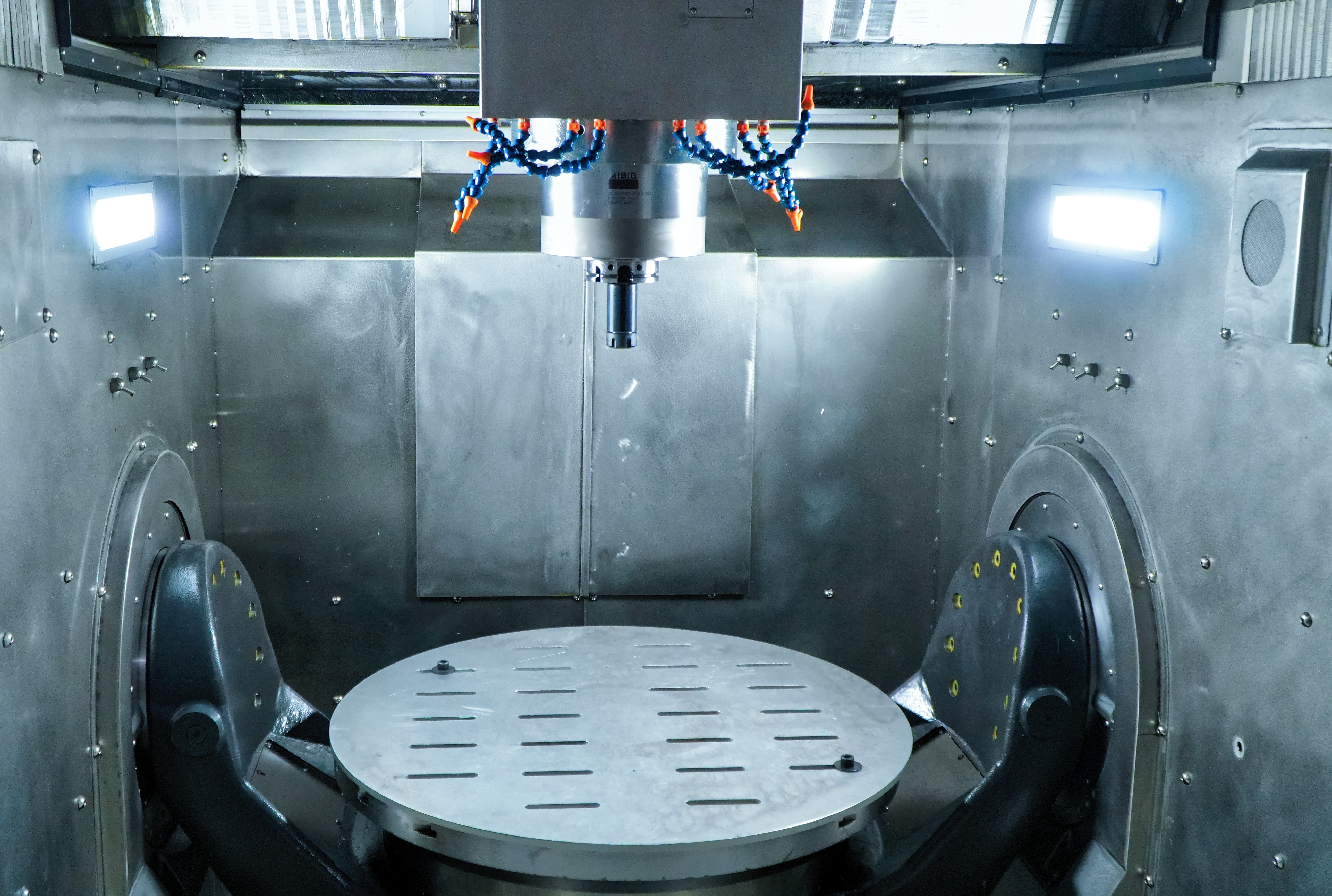
The latest 5 axis CNC machines can move along all five axes at once, which cuts down on the need to constantly reposition parts during manufacturing. Setup times drop around 70% compared to older methods. These machines keep things really accurate too, staying within just 0.005mm tolerance while making those smooth cuts that actually help maintain the natural grain structure of materials. This matters a lot when we're talking about critical components like turbine blades for airplanes or medical implants where surface quality is everything. Complex shapes including deep pockets, tricky angles, and those organic forms get done in one go instead of breaking them into pieces. No more stacking up tiny errors from moving parts around manually or setting them up again later. Plus, there's less vibration in the tools themselves, so they last between 30 to 50% longer before needing replacement. That means saving money over time without having to sacrifice that fine level of detail everyone wants.
Mill-Turn CNC Machining for Fully Integrated, High-Complexity Metal Components
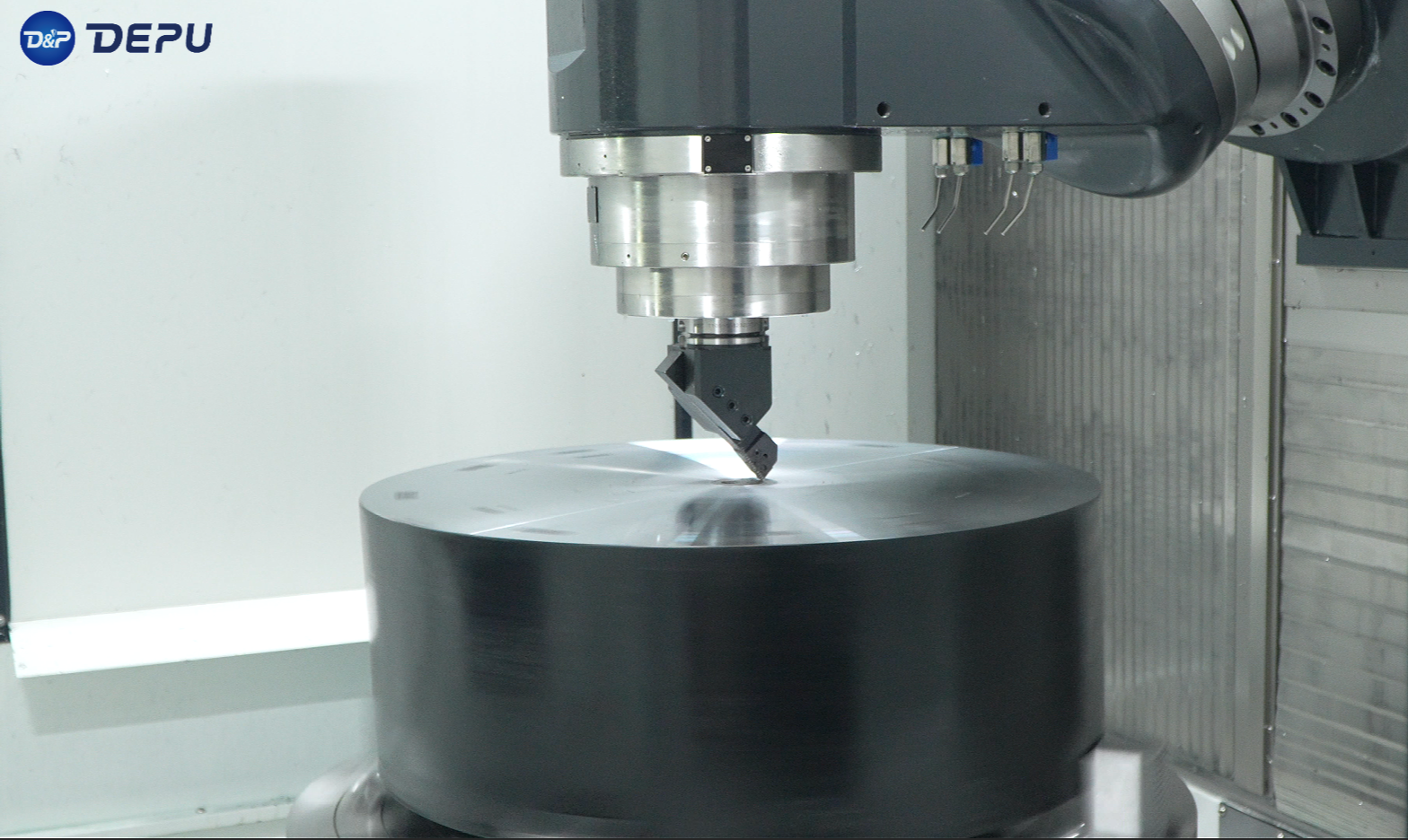
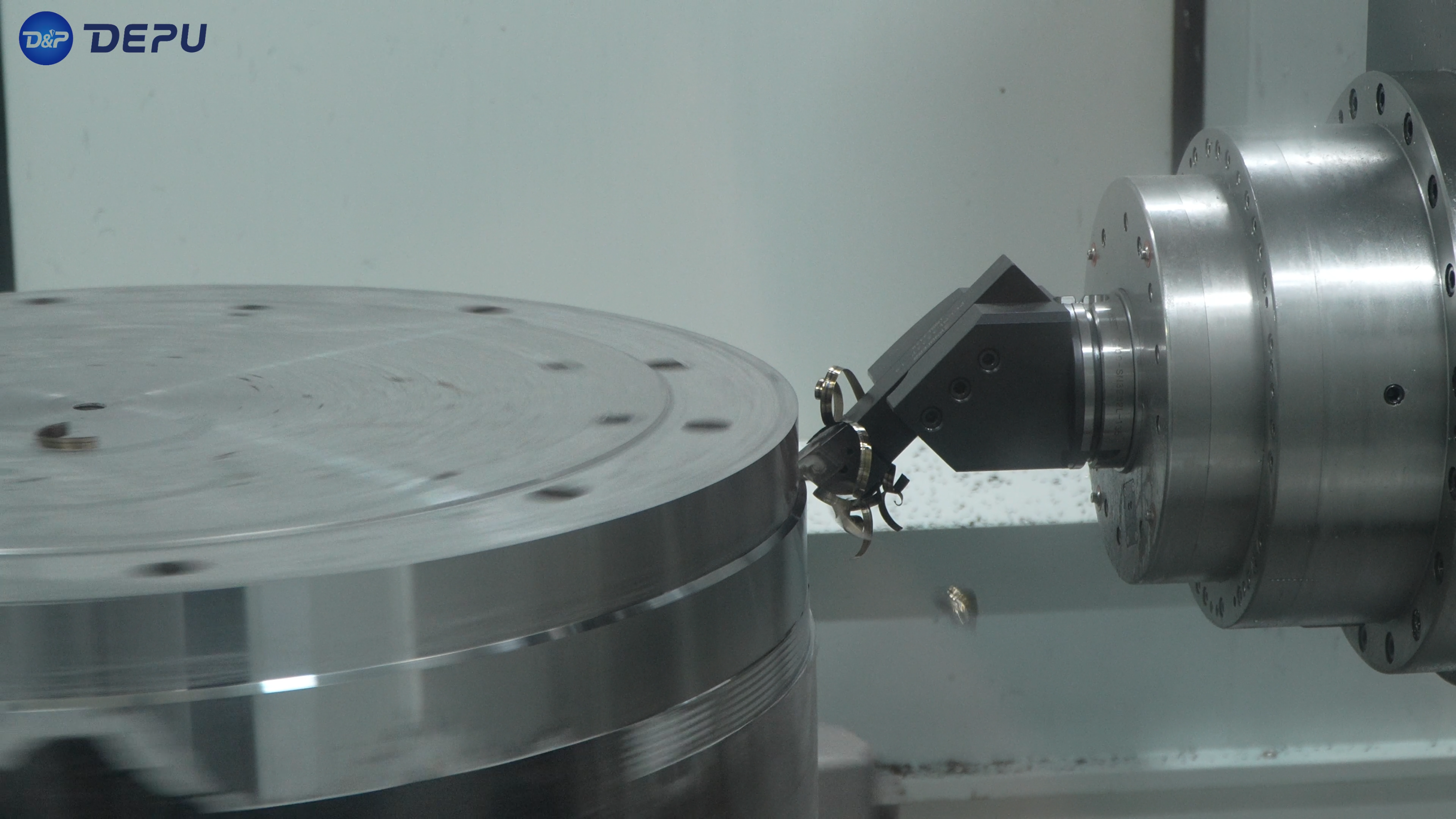
Mill turn CNC systems bring together rotational turning with multi axis milling all within a single machine setup. This means manufacturers can machine both prismatic shapes and cylindrical components without ever having to move the part between machines. The advantage? Concentricity tolerances below 0.01mm become possible, which is absolutely essential when making things like hydraulic valve bodies or drive shafts where fluid dynamics and rotational balance matter so much. With synchronized spindles, these machines handle live tool operations including drilling, threading work, and contouring while the part rotates. For complex parts that used to take forever to produce using old fashioned sequential methods, this cuts down cycle times around 60% according to shop floor reports. Industries dealing with mission critical components really benefit from this tech since it handles all those different geometry requirements seamlessly. Think about energy sector manifolds or even motorsport transmission cases where precision just cant be compromised.
CNC Machining Across Critical Industries: Aerospace, Medical, Energy, and Motorsport
Industry-Specific Requirements and How CNC Machining Meets Them
Industries where failure isn't an option have their own special demands when it comes to performance specs, materials used, and regulatory compliance. Take aerospace for instance. The industry needs materials like titanium and Inconel that can handle intense heat without warping, all while maintaining incredibly tight tolerances sometimes as small as plus or minus 0.003 millimeters. Then there's medical device manufacturing which deals with life-or-death situations daily. They require materials that won't cause adverse reactions inside the body, such as ASTM F138 stainless steel or Ti-6Al-4V alloys. Cleanrooms certified under ISO 13485 standards are mandatory, along with strict tracking systems for implantable devices. Energy sector equipment faces different challenges altogether. Downhole valves in offshore oil rigs must resist corrosion from seawater and chemicals while operating under extreme pressure and temperature conditions. Motorsport engineers constantly battle the same old problem: how to make parts lighter without sacrificing strength. Aluminum and magnesium alloys get a lot of attention here because even tiny reductions in weight translate directly into better acceleration and cornering capabilities. CNC machining shops tackle all these varied requirements using advanced toolpath programming techniques, temperature controlled machining areas, and measurement systems that comply with industry standards like ASME Y14.5 for geometric dimensioning and tolerancing, plus ISO 9001 quality management and FDA Quality System Regulations.
Real-World Impact: Case Insights from High-Reliability CNC Manufacturing
When it comes to manufacturing precision parts, there are real safety improvements, better performance metrics, and longer lasting products across multiple industries. Take aerospace for example where turbine blades made with CNC technology have surface finishes smoother than Ra 0.4 microns. This kind of finish cuts down on jet engine fatigue problems by around 34%, according to field data. Medical device manufacturers get impressive results too. Spinal fusion cages produced on 5-axis machines show nearly perfect dimensional accuracy at 99.98%. This level of precision speeds up FDA approvals and gets patients back on their feet faster. Down in oil wells, CNC manufactured downhole tools handle extreme conditions like 20,000 pounds per square inch at temperatures over 175 degrees Celsius. These tools last about four times longer than traditional ones before needing replacement. Motorsport engineers push boundaries with aluminum suspension parts that can be as thin as 1.5 millimeters while still maintaining strength. The result? An 11% boost in power to weight ratios without compromising crash safety standards. What we see here isn't just about advanced machinery; it's about knowing how to apply engineering principles in ways that actually work within complex certification processes and real world production environments.
Frequently Asked Questions
What is CNC machining?
CNC (Computer Numerical Control) machining is a process used in manufacturing that involves the use of computers to control machine tools. It provides high precision and efficiency in producing complex components.
Why is CNC machining preferred for complex industrial components?
CNC machining offers unmatched precision, tight tolerance capabilities, and the ability to produce complex geometries accurately. This makes it ideal for industries where precise and reliable components are critical.
What industries benefit the most from CNC machining?
Industries such as aerospace, medical, energy, and motorsport benefit significantly from CNC machining due to their need for high reliability, precision, and adherence to strict regulatory standards.
How does 5-axis CNC machining differ from traditional methods?
5-axis CNC machining allows simultaneous movement along five axes, reducing setup times and ensuring high surface integrity. This differs from traditional methods that require multiple setups, increasing the potential for errors.
What are the advantages of mill-turn CNC machining?
Mill-turn CNC systems combine rotational turning and multi-axis milling in a single setup, enabling the production of complex parts in less time with higher precision and concentricity tolerances.