
How Multi-Axis Motion Affects Surface Quality on Complex Parts
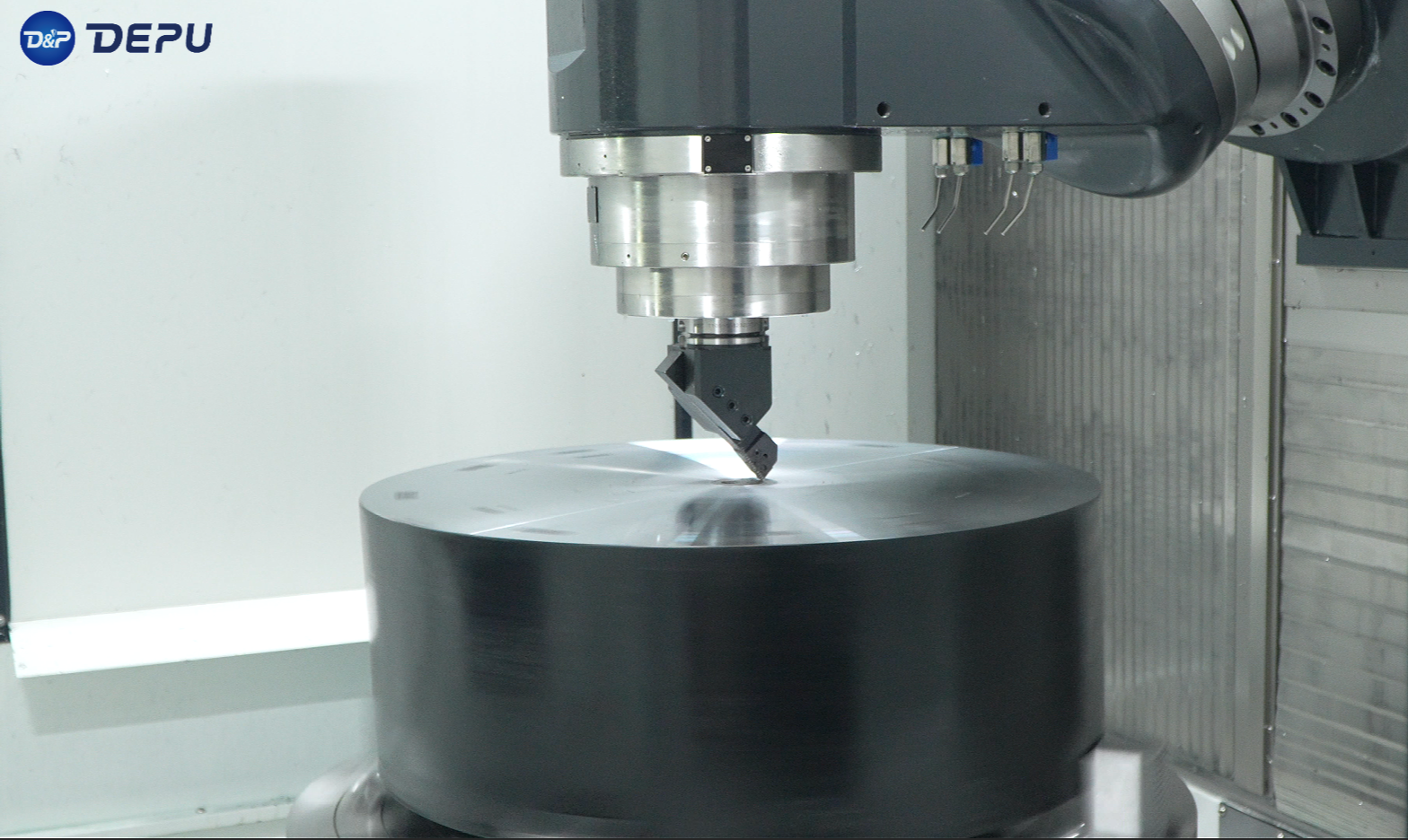
Introduction: Surface Quality Depends on Motion Stability
In 5-axis CNC machining, surface quality is determined by far more than cutting parameters alone. The way multiple axes move together has a direct impact on machining smoothness, dimensional consistency, and overall finish quality.
For manufacturers focused on precision machining, maintaining stable surface quality across complex geometries requires highly coordinated multi-axis motion and reliable micron level machining capability.
1. What Is Multi-Axis Motion in 5-Axis CNC Machining?
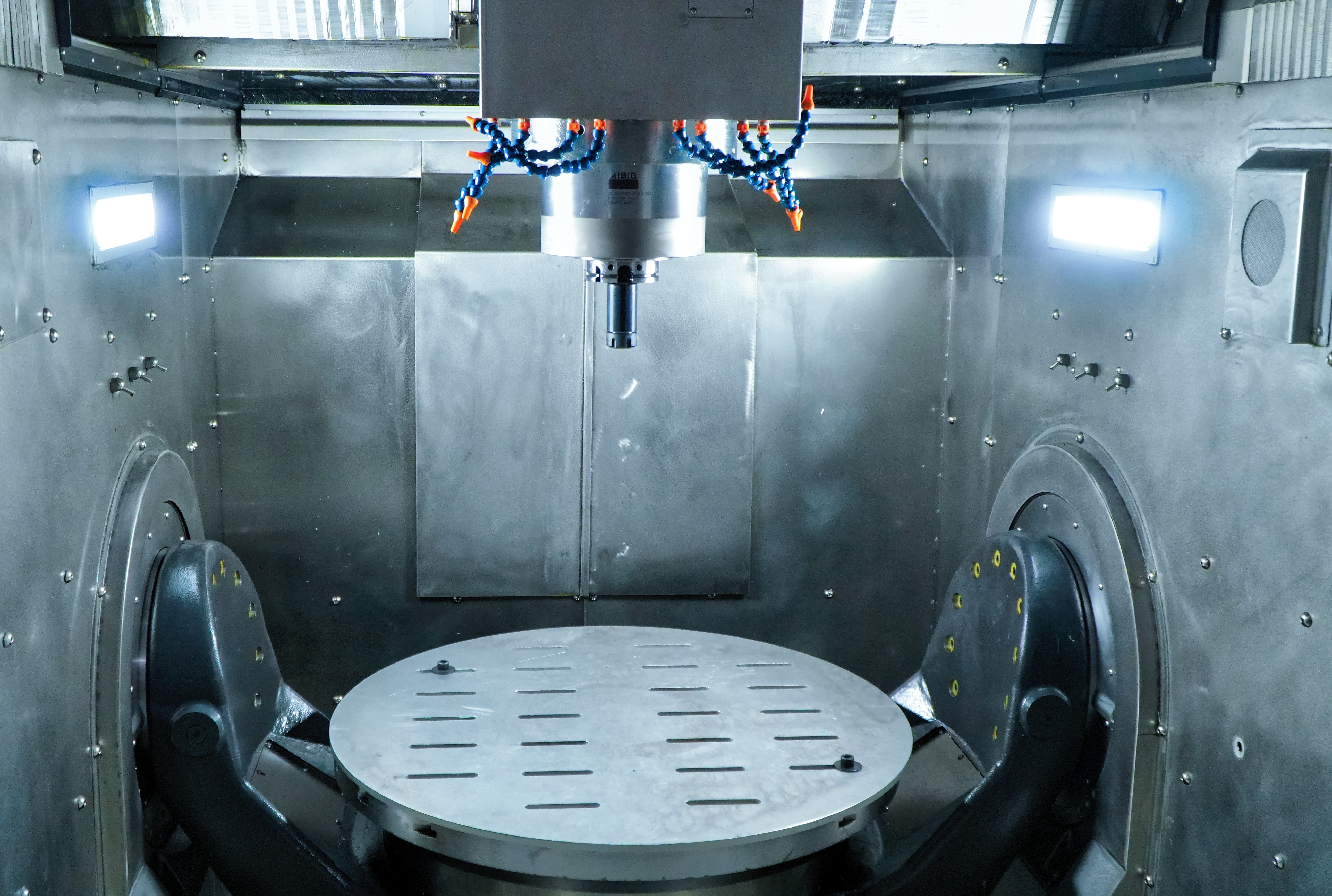
In 5 axis CNC, multiple linear and rotary axes move simultaneously during machining.
This enables:
- Continuous tool orientation changes
- Machining of complex surfaces
- Better access to difficult geometries
However, it also increases the complexity of maintaining stable precision CNC machining performance.
2. Motion Synchronization Directly Affects Surface Quality
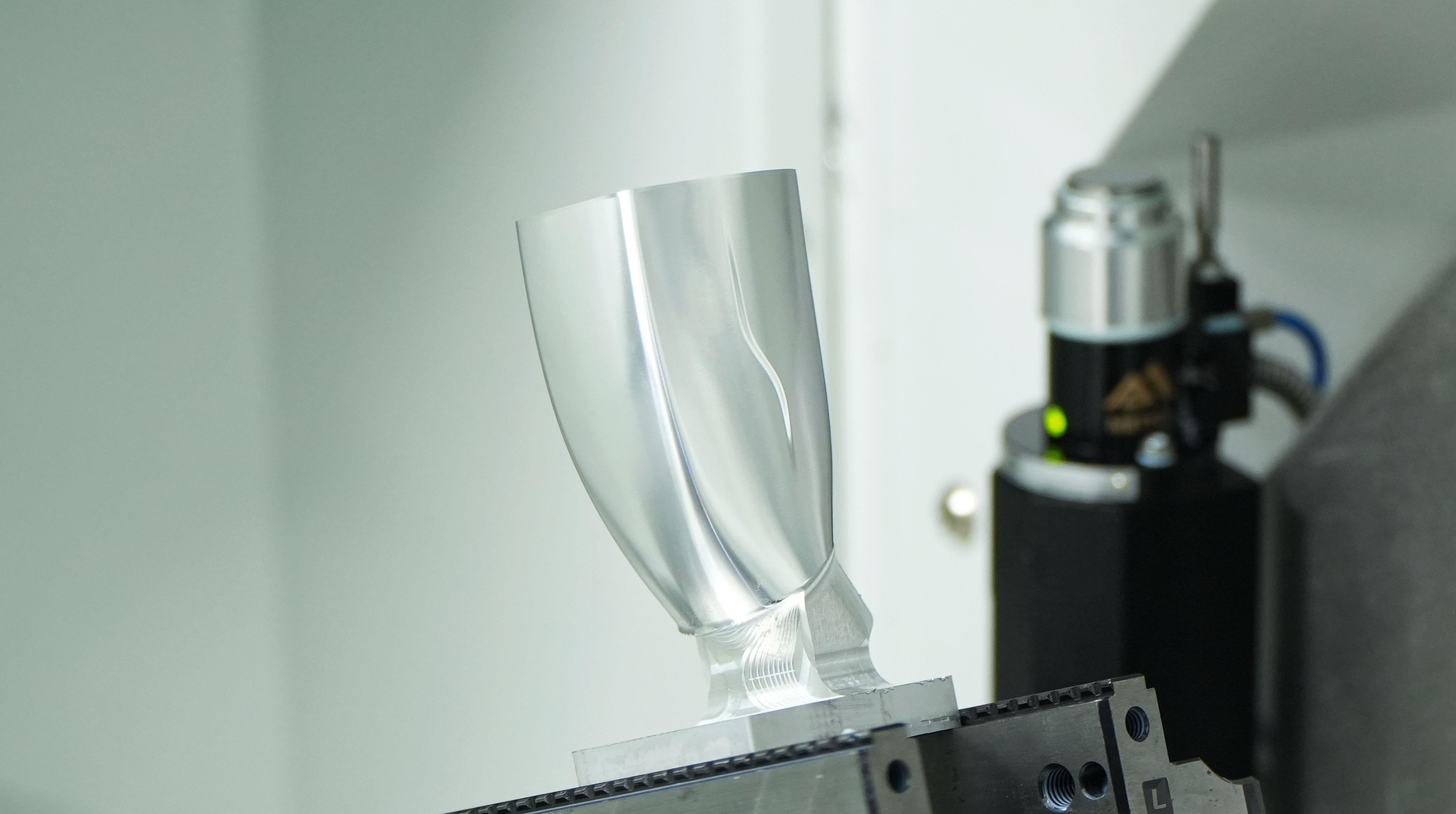
Surface quality depends heavily on how smoothly axes move together.
Poor synchronization can cause:
- Sudden motion transitions
- Toolpath inconsistencies
- Uneven surface texture
Stable multi-axis motion CNC ensures smooth cutting movement, improving surface consistency in precision machining applications.
3. Dynamic Stability CNC and Vibration Control
As axes accelerate and decelerate simultaneously, dynamic loads increase significantly.
Without strong dynamic stability CNC:
- Vibration becomes more noticeable
- Chatter marks appear on surfaces
- Surface consistency decreases
Maintaining stable motion behavior is essential for achieving high-quality micron level machining results.
4. Tool Orientation and Surface Finish
One major advantage of 5-axis cnc machining is optimized tool orientation.
Proper tool positioning:
- Maintains better cutting angles
- Reduces cutting resistance
- Improves surface smoothness
Poor tool orientation increases force variation, reducing precision machining quality and creating surface defects.
5. Cutting Stability CNC and Surface Consistency
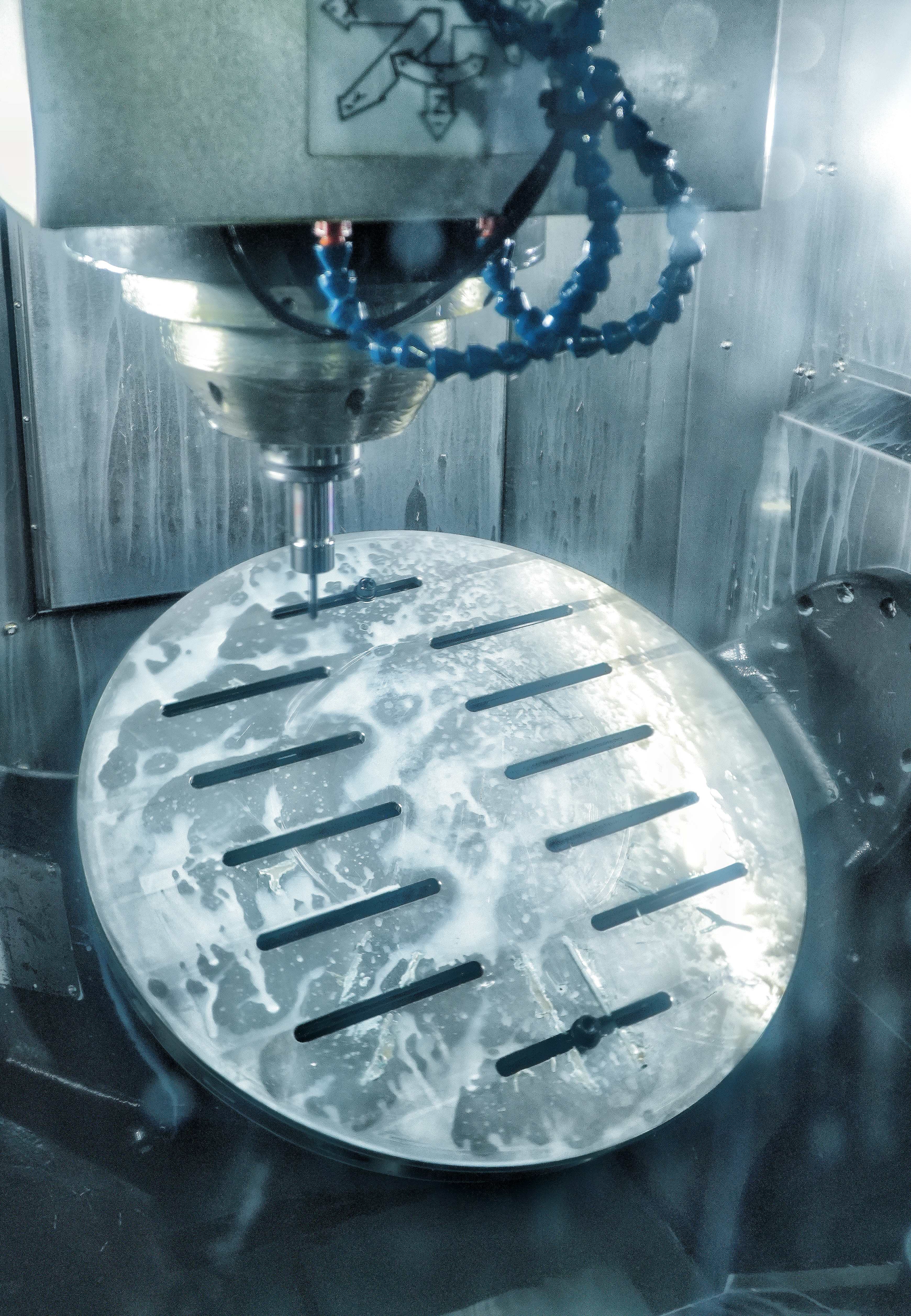
Cutting stability CNC directly impacts surface finish.
Stable cutting conditions:
- Maintain consistent chip formation
- Reduce vibration marks
- Improve dimensional accuracy
Unstable cutting causes:
- Surface waviness
- Irregular textures
- Reduced precision CNC machining quality
6. Machine Geometry CNC and Motion Accuracy
Accurate machine geometry CNC is critical for smooth multi-axis movement.
Geometric errors can lead to:
- Misaligned toolpaths
- Inconsistent surface transitions
- Reduced machining precision
Complex surfaces make these issues more visible, especially in high-end 5 axis CNC applications.
7. Machine Structure and Motion Stability
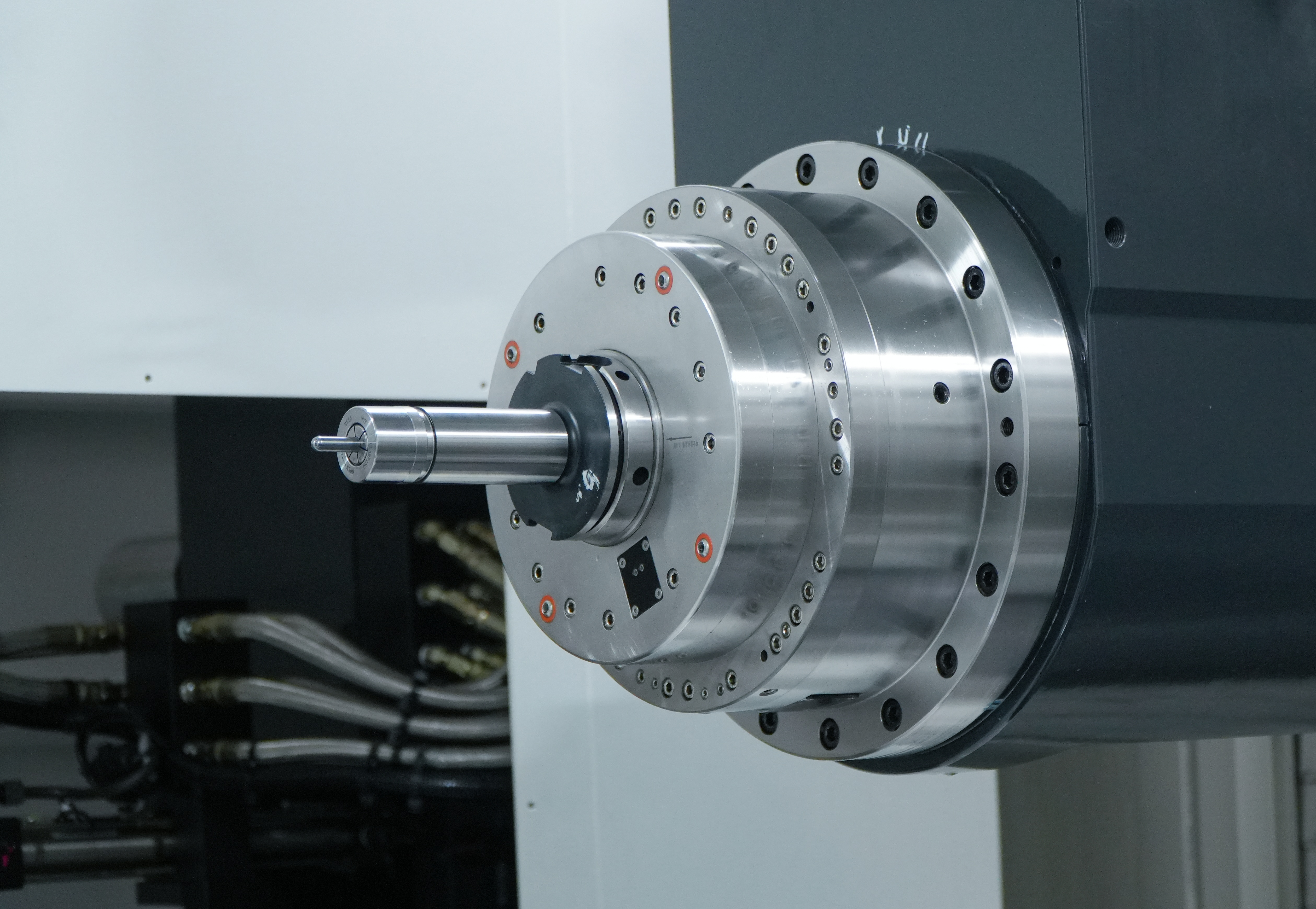
Machine structure influences how well motion remains stable under load.
A rigid structure:
- Minimizes deformation
- Improves vibration damping
- Supports smooth multi-axis movement
Weak structures reduce dynamic stability CNC, making consistent micron level machining difficult.
Conclusion: Surface Quality Reflects Motion Quality
In 5-axis CNC machining, surface quality is closely tied to the quality of multi-axis motion.
Achieving smooth, consistent finishes requires:
- Stable multi-axis motion CNC
- Strong dynamic stability CNC
- Reliable cutting stability CNC
- Accurate machine geometry CNC
When these factors work together, manufacturers can achieve high-level precision machining and reliable micron level machining performance on even the most complex parts.
FAQ
1. How does multi-axis motion affect surface quality?
Smooth and synchronized motion improves cutting consistency and surface finish quality.
2. Why is dynamic stability CNC important for surface finish?
It reduces vibration and chatter, which directly affect surface smoothness.
3. Can tool orientation improve surface quality?
Yes. Better tool angles reduce cutting resistance and improve machining consistency.
4. What role does machine geometry CNC play?
It ensures accurate motion coordination and prevents surface transition errors.
5. Why are complex parts more sensitive to motion quality?
Because continuous multi-axis movement amplifies any instability or geometric error.