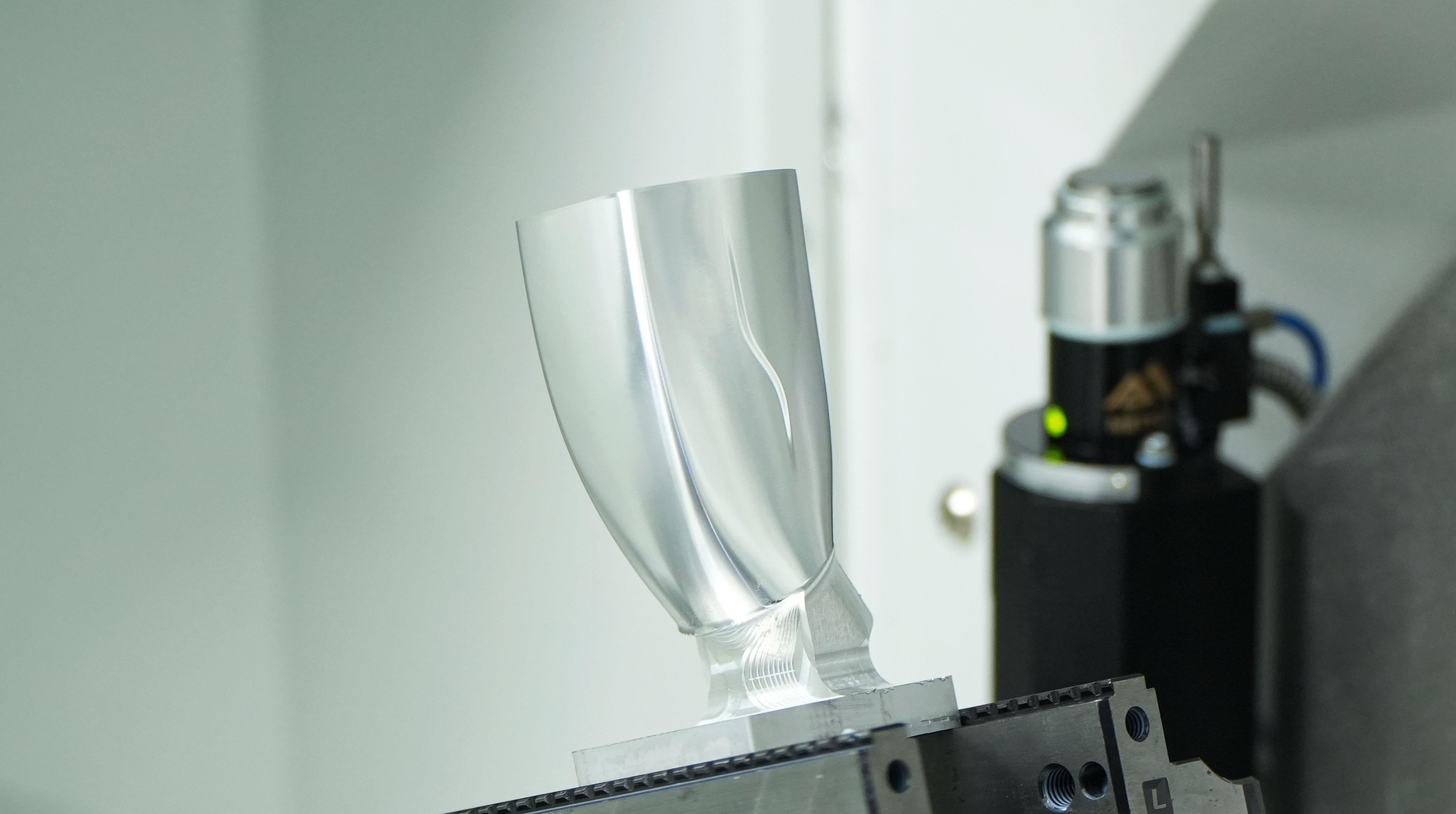

Why Machine Damping Matters in High-Speed 5-Axis Cutting
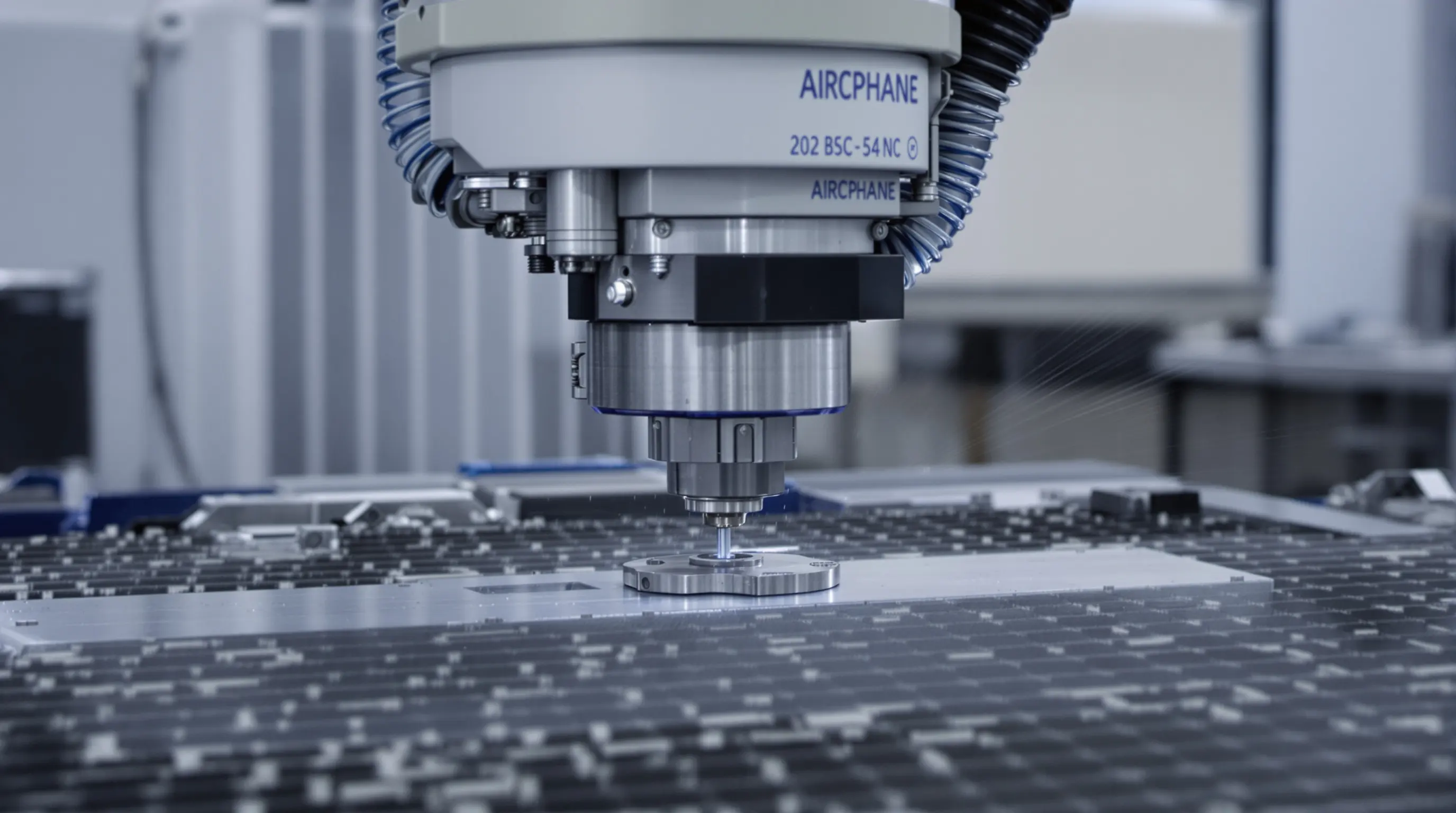
Introduction: Speed Increases the Need for Stability
In modern 5-axis CNC machining, manufacturers continue to push for higher cutting speeds and greater production efficiency. However, as machining speed increases, maintaining stability becomes far more difficult.
One of the most important—and often underestimated—factors in precision machining is machine damping CNC. Effective damping controls vibration, improves stability, and supports reliable micron level machining during high-speed operations.
1. What Is Machine Damping CNC?
Machine damping CNC refers to a machine’s ability to absorb and dissipate vibration energy generated during machining.
In high-speed 5 axis CNC operations:
- Cutting forces fluctuate rapidly
- Axis acceleration changes continuously
- Structural vibration increases
Without sufficient damping, vibration can quickly reduce precision CNC machining quality.
2. Why High-Speed Machining Amplifies Vibration
As spindle speed and feed rate increase:
- Dynamic loads become larger
- Resonance becomes more likely
- Cutting instability increases
In high-speed machining, even small vibrations can:
- Affect tool positioning
- Create surface defects
- Reduce micron level machining consistency
This makes machine damping CNC essential for stable production.
3. Dynamic Stability CNC Depends on Damping
Dynamic stability CNC and damping are closely connected.
Effective damping:
- Reduces chatter
- Stabilizes cutting conditions
- Improves motion smoothness
Poor damping weakens dynamic stability CNC, leading to unstable precision machining performance.
4. Surface Quality and Precision Machining
Surface finish is highly sensitive to vibration.
Insufficient machine damping CNC can cause:
- Chatter marks
- Surface waviness
- Inconsistent texture
Strong damping improves:
- Surface consistency
- Toolpath smoothness
- Overall precision CNC machining quality
5. Tool Life and Cutting Stability CNC
Vibration directly affects tool wear.
Unstable cutting conditions:
- Increase thermal stress
- Accelerate edge wear
- Reduce tool life
Improved cutting stability CNC through effective damping:
- Reduces tool load variation
- Maintains stable cutting
- Supports long-term precision machining reliability
6. Machine Structure and Damping Capability
Machine structure plays a major role in damping performance.
A well-designed structure:
- Absorbs vibration more effectively
- Maintains rigidity under dynamic load
- Improves machining stability
Weak structures amplify vibration, making stable 5-axis cnc machining difficult during high-speed operations.
7. Why Damping Matters More in Complex 5-Axis Machining
Complex geometries increase machining challenges.
In 5-axis CNC machining:
- Tool orientation changes constantly
- Cutting forces vary across surfaces
- Multi-axis motion increases dynamic complexity
Strong machine damping CNC helps maintain stable micron level machining even under continuously changing conditions.
Conclusion: Damping Is Essential for High-Speed Precision
In high-speed 5-axis CNC machining, vibration control is not optional—it is fundamental.
Effective machine damping CNC improves:
- Dynamic stability CNC
- Cutting stability CNC
- Surface quality
- Tool life
- Overall precision machining consistency
Manufacturers seeking reliable micron level machining and high-end precision CNC machining performance must prioritize damping as a core part of machine design.
FAQ
1. What is machine damping in CNC machining?
It is the machine’s ability to absorb and reduce vibration during cutting.
2. Why is damping important in high-speed machining?
Because higher speeds increase vibration and instability, which can reduce accuracy and surface quality.
3. How does machine damping affect precision machining?
Better damping reduces chatter and maintains stable tool positioning.
4. Does damping improve tool life?
Yes. Stable cutting conditions reduce vibration-related tool wear.
5. Why is damping critical in 5-axis CNC machining?
Because multi-axis motion creates continuously changing cutting forces that require strong vibration control.