
Why Thermal Growth Becomes Critical During Long Machining Cycles
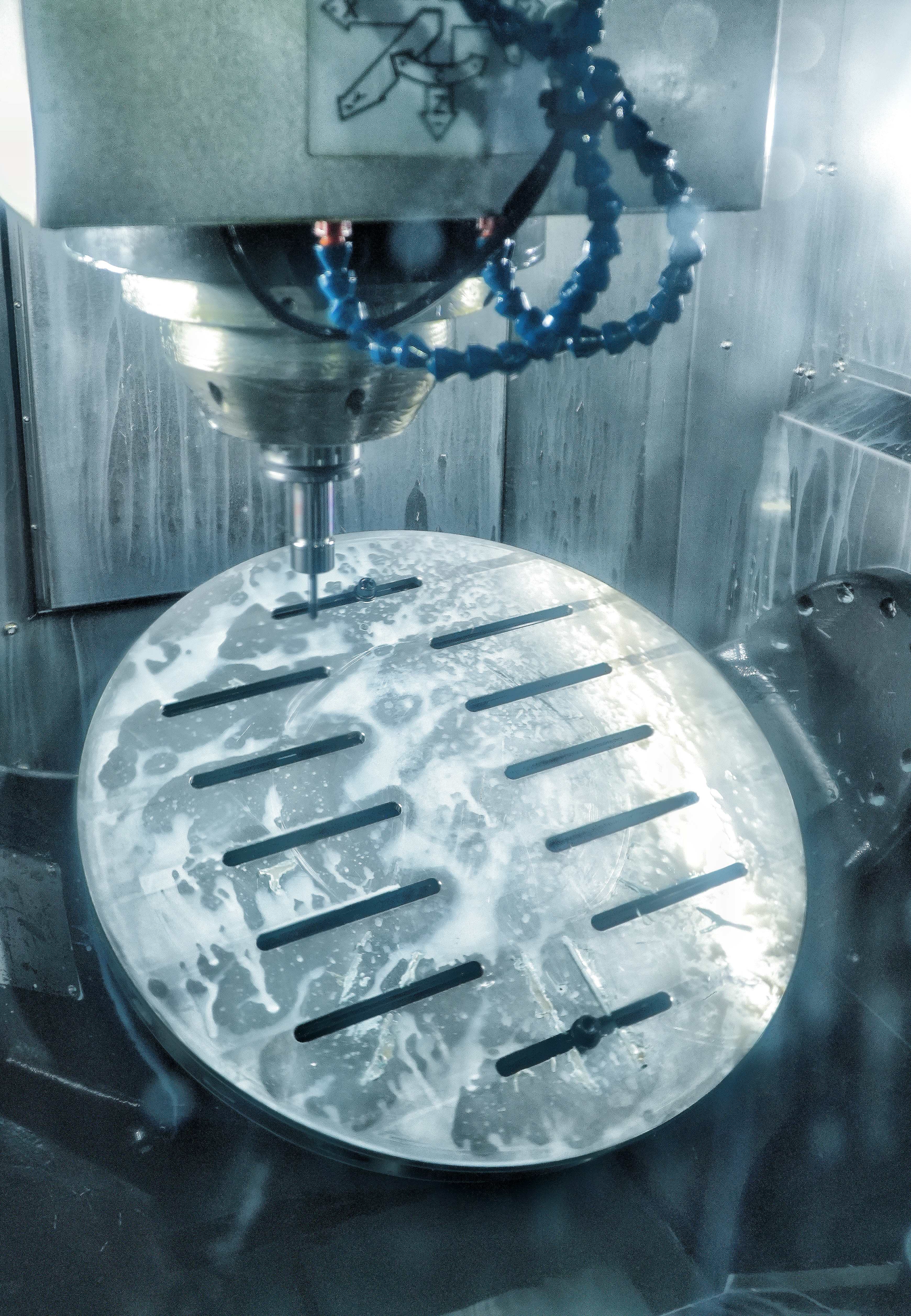
Introduction: Heat Changes Machining Accuracy Over Time
In precision machining, accuracy is not only affected by motion and cutting forces—it is also heavily influenced by temperature.
During long machining operations, heat gradually builds inside the machine structure, spindle, and surrounding environment. This leads to thermal growth CNC, where machine components expand and shift position over time.
In 5-axis CNC machining, even small thermal changes can affect micron level machining, making thermal control one of the most critical factors in long-cycle production.
1. What Is Thermal Growth CNC?
Thermal growth CNC refers to the expansion of machine components caused by heat generation during machining.
Sources of heat include:
- Spindle rotation
- Servo motors
- Cutting friction
- Ambient temperature changes
As temperature rises:
- Structural dimensions change
- Axis alignment shifts
- Positioning accuracy decreases
This directly impacts precision CNC machining performance.
2. Long Machining Cycles Increase Heat Accumulation
Short machining cycles may not generate enough heat to create major issues. However, in long cycle machining, heat accumulation becomes unavoidable.
Over time:
- Machine structures warm unevenly
- Thermal expansion becomes larger
- Stability decreases gradually
This makes maintaining consistent precision machining much more difficult during extended operations.
3. Machine Geometry CNC Changes with Temperature
One of the biggest effects of thermal growth CNC is the alteration of machine geometry CNC.
Thermal expansion can cause:
- Axis misalignment
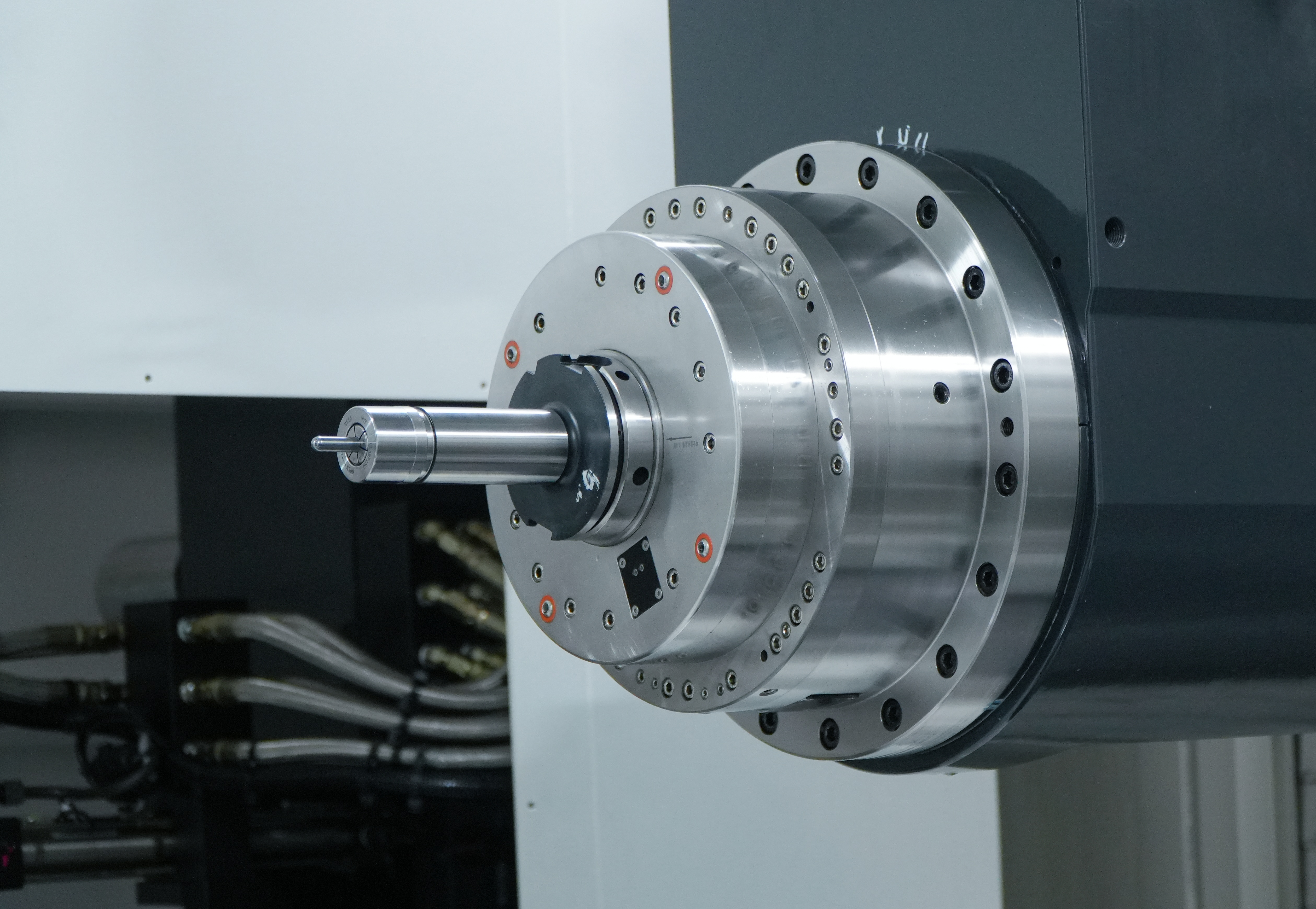
- Spindle position drift
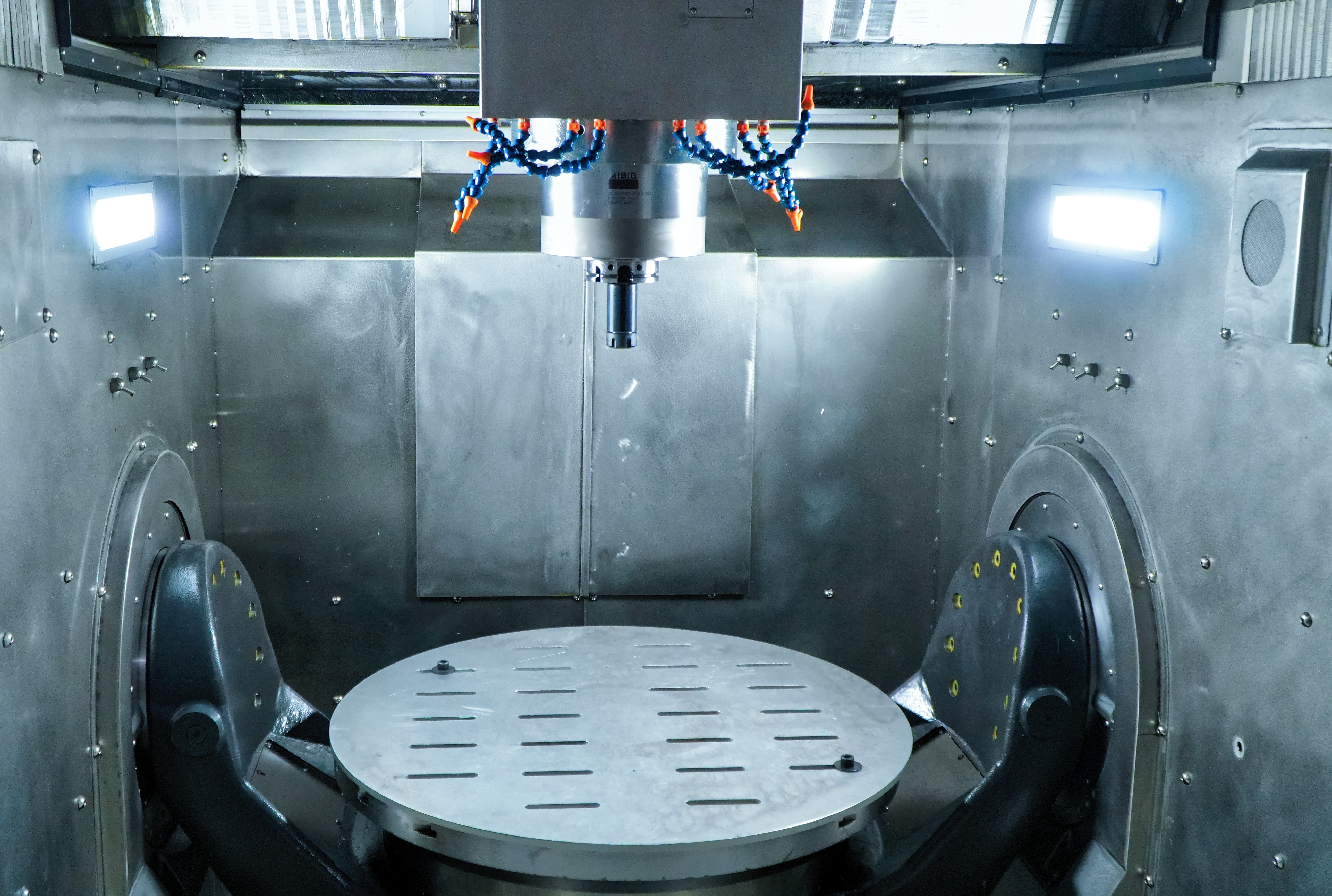
- Rotary axis deviation
Even micron-level movement can significantly reduce micron level machining accuracy in complex 5 axis CNC applications.
4. Thermal Stability CNC and Precision Machining
Strong thermal stability CNC is essential for maintaining stable machining performance.
Machines with good thermal stability:
- Distribute heat evenly
- Minimize structural deformation
- Maintain positioning consistency
This allows reliable precision CNC machining even during long production cycles.
5. Why 5-Axis CNC Is More Sensitive to Thermal Growth
In 5-axis cnc machining, thermal growth has a greater impact because:
- Multiple axes must remain synchronized
- Tool orientation changes continuously
- Complex geometries require higher accuracy
Small thermal shifts can create cumulative positioning errors across multiple surfaces, reducing overall precision machining quality.
6. Thermal Growth Affects Surface Quality and Consistency
As thermal conditions change during machining:
- Cutting conditions become less stable
- Tool positioning varies slightly
- Surface consistency decreases
This may lead to:
- Surface waviness
- Dimensional drift
- Inconsistent finishes
Stable thermal conditions are critical for achieving reliable micron level machining results.
7. How Manufacturers Control Thermal Growth CNC
To reduce thermal effects, manufacturers use:
- Active cooling systems
- Thermal compensation software
- Symmetrical machine structures
- Controlled workshop temperatures
These methods improve thermal stability CNC and help maintain long-term precision machining consistency.
Conclusion: Thermal Stability Determines Long-Cycle Accuracy
In long machining cycles, heat becomes one of the biggest threats to machining accuracy.
Thermal growth CNC affects:
- Machine geometry CNC
- Positioning stability
- Surface consistency
- Overall precision CNC machining quality
For manufacturers seeking stable micron level machining, controlling thermal growth is essential for reliable and predictable 5-axis CNC machining performance.
FAQ
1. What is thermal growth in CNC machining?
It is the expansion of machine components caused by heat during machining.
2. Why is thermal growth more serious in long machining cycles?
Because heat accumulates over time, increasing structural expansion and positional drift.
3. How does thermal growth affect machining accuracy?
It changes machine geometry and spindle position, reducing precision.
4. Why is 5-axis CNC more sensitive to thermal growth?
Because multi-axis coordination requires extremely accurate positioning across complex movements.
5. How can thermal growth be controlled?
Through cooling systems, thermal compensation, stable machine structures, and temperature management.