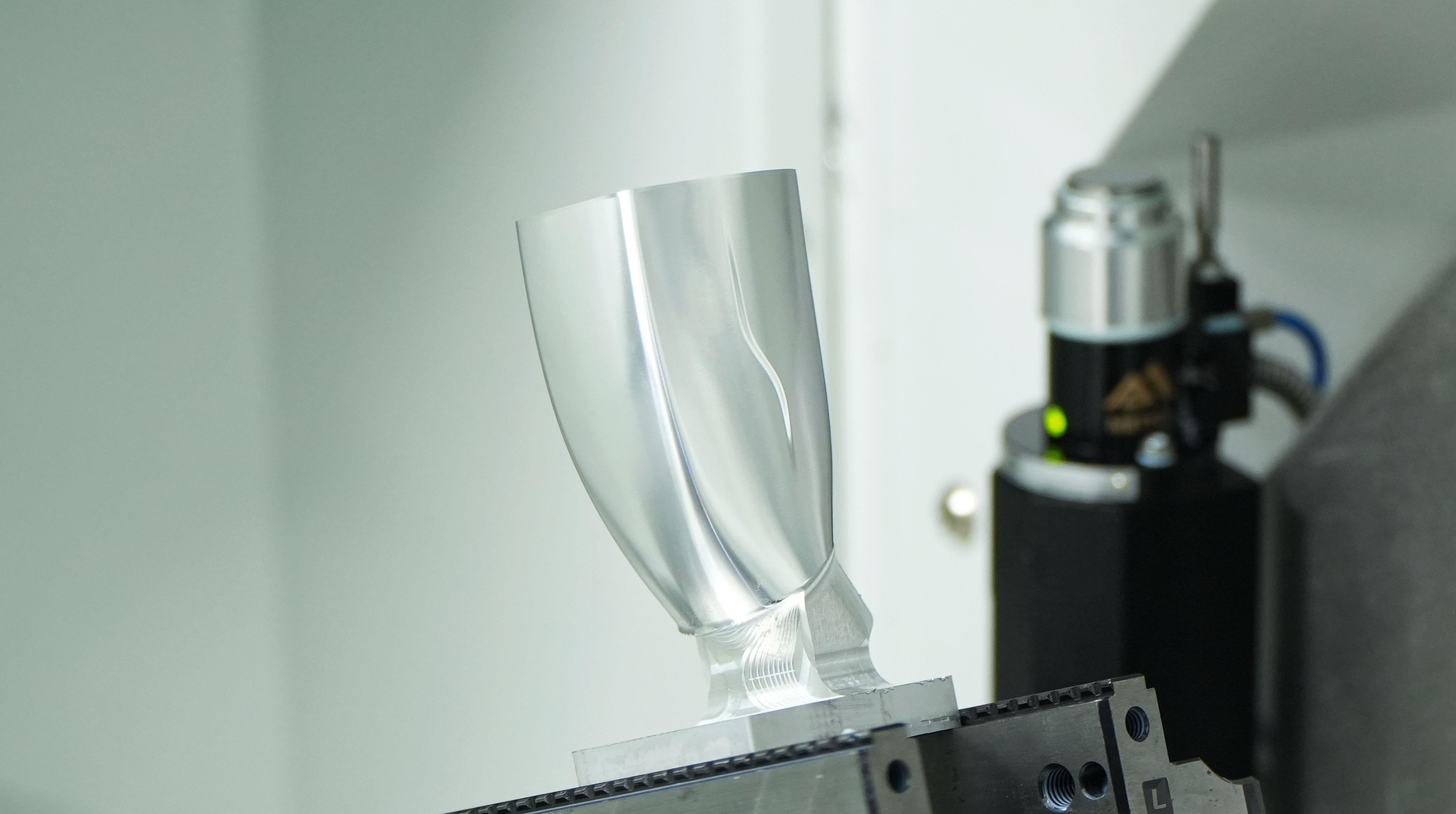

What Makes Large-Part 5-Axis Machining Difficult to Stabilize
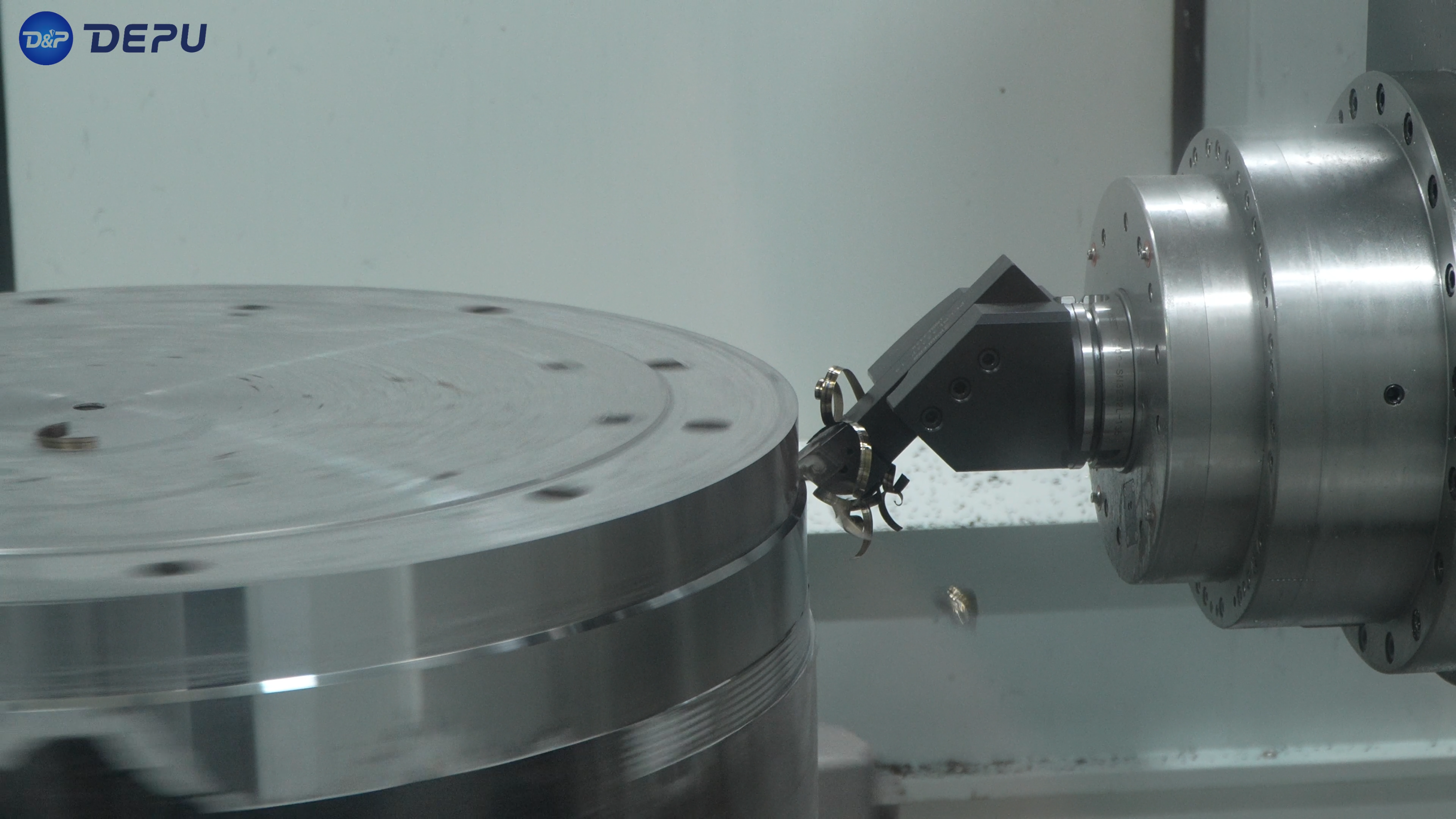
Introduction: Large Parts Create Larger Stability Challenges
In 5-axis CNC machining, stability becomes increasingly difficult as part size grows. Large components introduce greater structural loads, longer machining cycles, and more demanding motion requirements.
For manufacturers focused on precision machining, maintaining stable micron level machining on large parts is significantly more complex than machining smaller components. Even minor instability can become amplified across large surfaces and long machining distances.
1. Structural Load Increases with Part Size
Large workpieces generate much higher loads on the machine structure.
This affects:
- Axis movement stability
- Structural deformation
- Positioning consistency
Without sufficient CNC machine rigidity, the machine may flex under load, reducing precision CNC machining accuracy and affecting overall machining stability.
2. Dynamic Stability CNC Becomes More Difficult
In large-part machining:
- Moving mass increases significantly
- Axis acceleration becomes more challenging
- Vibration energy becomes harder to control
Maintaining strong dynamic stability CNC is critical because vibration on large components can:
- Create dimensional errors
- Reduce surface quality
- Disrupt micron level machining consistency
3. Thermal Effects Increase During Long Machining Cycles
Large parts often require extended machining times.
During long cycles:
- Heat accumulates in the machine structure
- Thermal expansion affects positioning
- Machine geometry gradually shifts
These thermal effects reduce precision machining consistency and make stable machine geometry CNC harder to maintain.
4. Long Tool Reach Reduces Cutting Stability
Large components frequently require deep cavity machining or long-reach tooling.
Excessive tool overhang:
- Increases vibration sensitivity
- Amplifies tool deflection
- Reduces cutting stability CNC
This creates major challenges for maintaining stable precision CNC machining across large workpieces.
5. Machine Geometry CNC Errors Become Amplified
In large-part machining, even small geometric deviations become significant.
Minor errors in:
- Axis alignment
- Rotary positioning
- Linear motion accuracy
can accumulate over large travel distances, reducing overall micron level machining accuracy.
6. Multi-Axis Coordination Under Heavy Loads
In 5-axis cnc machining, multiple axes must remain synchronized while carrying large loads.
Challenges include:
- Maintaining smooth rotary motion
- Preventing positional drift
- Controlling inertia during acceleration and deceleration
Weak coordination reduces dynamic stability CNC and affects surface consistency.
7. Surface Consistency Is Harder on Large Components
Large surfaces make instability more visible.
Problems such as:
- Chatter marks
- Surface waviness
- Dimensional variation
become easier to detect across extended surfaces, especially in high-end precision machining applications.
Conclusion: Large-Part Stability Requires Total System Strength
Large-part 5-axis CNC machining is difficult to stabilize because every factor becomes amplified:
- Structural load
- Thermal variation
- Vibration
- Motion complexity
- Tool deflection
Achieving reliable micron level machining on large components requires:
- High CNC machine rigidity
- Strong dynamic stability CNC
- Stable machine geometry CNC
- Optimized cutting conditions
Only with a fully integrated approach can manufacturers maintain stable precision machining performance on large, complex parts.
FAQ
1. Why is large-part 5-axis machining harder to stabilize?
Because larger parts create higher loads, longer machining cycles, and increased vibration challenges.
2. How does CNC machine rigidity affect large-part machining?
Higher rigidity reduces deformation and helps maintain machining accuracy under heavy loads.
3. Why are thermal effects more serious in large-part machining?
Longer machining times generate more heat, which can alter machine geometry and accuracy.
4. How does tool overhang affect machining stability?
Longer tools increase vibration and deflection, reducing cutting stability.
5. Can 5-axis CNC maintain micron level machining on large parts?
Yes, but it requires strong structural stability, thermal control, and optimized machine design.