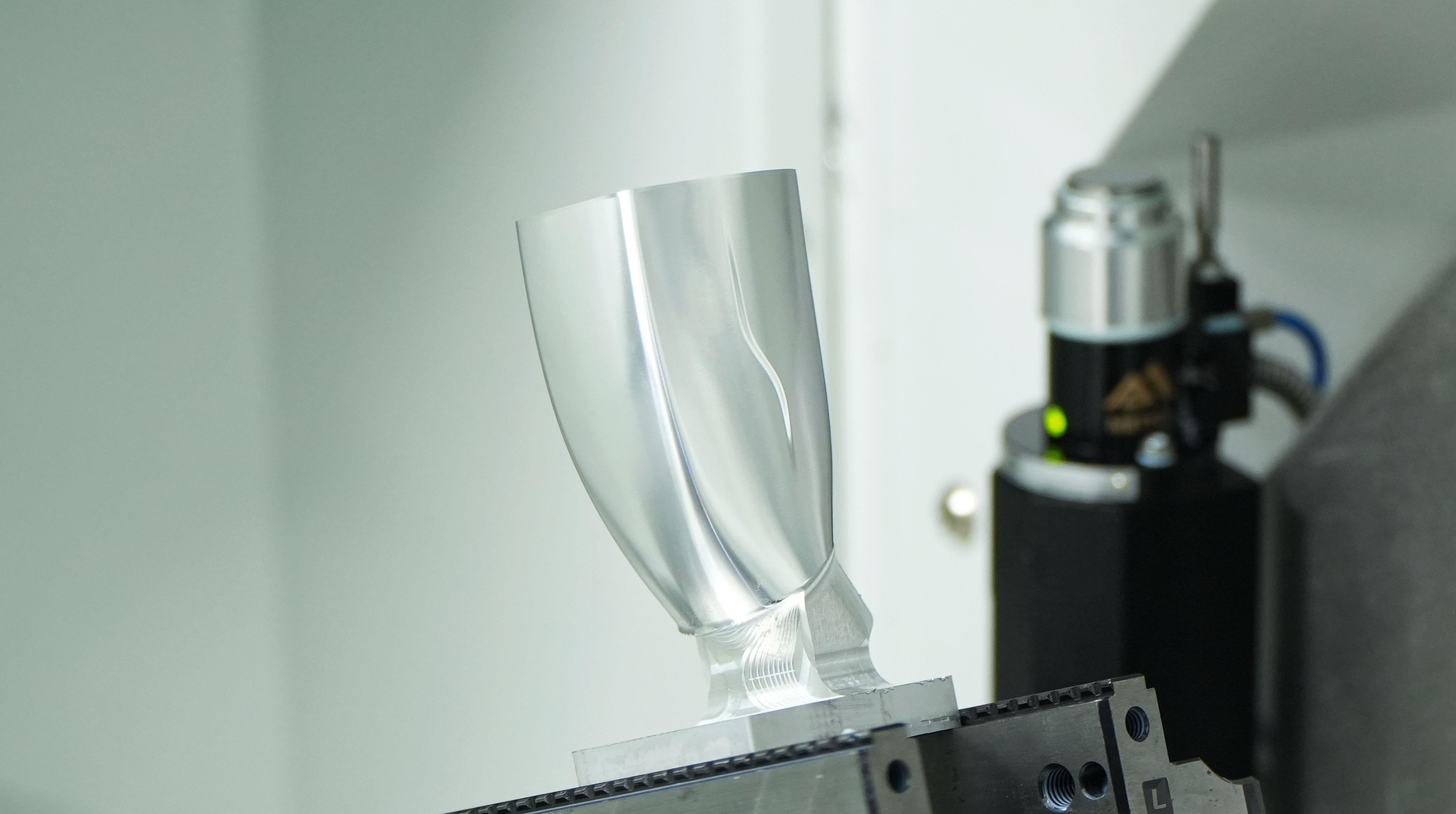

How Machine Design Impacts Confidence on the Shop Floor
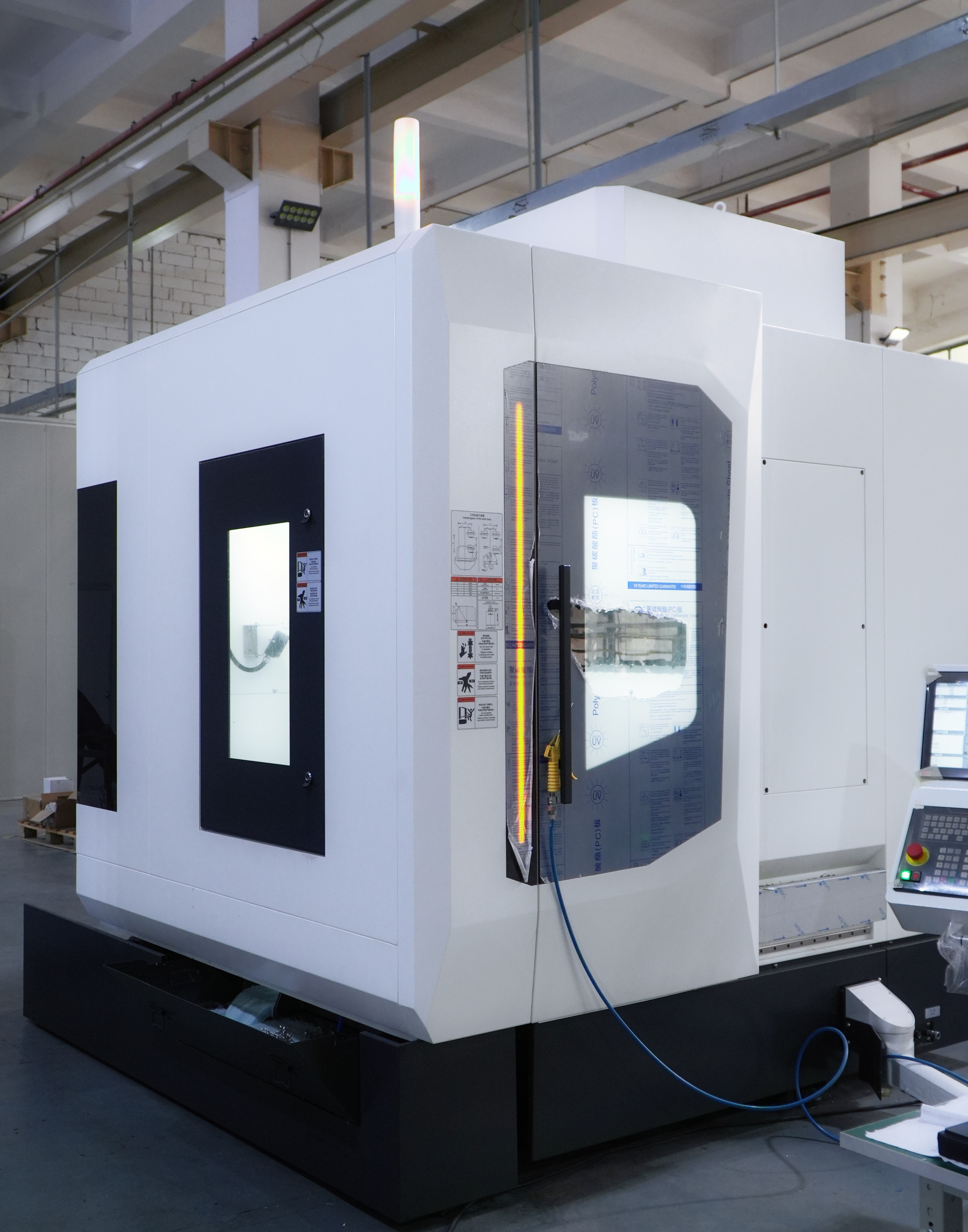
Introduction: Confidence Comes from Stability
On the shop floor, confidence is built through consistency. Operators trust machines that deliver stable performance, predictable results, and reliable precision machining under real production conditions.
In 5-axis CNC machining, machine design plays a direct role in that confidence. A machine that maintains stable micron level machining, minimizes unexpected variation, and supports repeatable production creates a more efficient and reliable manufacturing environment.
1. Machine Design CNC Defines Production Reliability
The foundation of shop floor confidence is reliability.
Strong machine design CNC provides:
- Stable structural performance
- Consistent axis motion
- Predictable machining behavior
When operators know a machine can maintain precision CNC machining quality across long production runs, workflow becomes more stable and efficient.
2. CNC Machine Rigidity Builds Trust in Precision Machining
CNC machine rigidity directly affects machining consistency.
High rigidity:
- Reduces deformation under load
- Maintains stable tool positioning
- Improves dimensional accuracy
Weak structures create uncertainty:
- Surface variation increases
- Accuracy becomes inconsistent
- Operators spend more time compensating for instability
Reliable rigidity is essential for maintaining confidence in 5 axis CNC production.
3. Dynamic Stability CNC Reduces Unexpected Problems
Unexpected vibration and chatter reduce production confidence quickly.
Strong dynamic stability CNC:
- Maintains smooth machine movement
- Reduces vibration during cutting
- Supports stable micron level machining
When machines behave consistently under changing cutting conditions, operators can rely on repeatable precision machining results.
4. Thermal Stability Improves Long-Cycle Confidence
In long machining cycles, thermal behavior becomes critical.
Poor thermal control can cause:
- Dimensional drift
- Positioning variation
- Reduced machining consistency
Stable thermal performance allows operators to trust that precision CNC machining accuracy will remain stable over time.
5. 5-Axis CNC Machining Reduces Manual Intervention
One reason 5-axis cnc machining improves shop floor confidence is process simplification.
Compared with traditional machining:
- Fewer setups are required
- Repositioning errors are reduced
- Manual adjustments decrease
This creates more stable workflows and improves confidence in overall production quality.
6. Process Consistency Improves Operator Efficiency
Machines with stable performance reduce uncertainty.
Benefits include:
- Faster setup verification
- More predictable cycle times
- Reduced inspection concerns
Consistent precision machining performance allows operators to focus on productivity rather than troubleshooting.
7. Confidence Impacts Overall Manufacturing Performance
Shop floor confidence affects more than morale—it directly impacts manufacturing efficiency.
When machines are reliable:
- Production planning becomes easier
- Yield improves
- Downtime decreases
Stable 5 axis CNC systems create a more predictable manufacturing environment and improve long-term operational performance.
Conclusion: Reliable Machines Create Reliable Production
In modern manufacturing, machine design is not just about specifications—it is about trust.
Strong machine design CNC, stable dynamic stability CNC, and reliable CNC machine rigidity allow manufacturers to achieve:
- Consistent precision machining
- Stable micron level machining
- Predictable production performance
Ultimately, confidence on the shop floor comes from machines that perform reliably every day under real production conditions.
FAQ
1. How does machine design affect shop floor confidence?
Reliable machine design improves consistency, reduces unexpected issues, and increases trust in production results.
2. Why is CNC machine rigidity important?
It reduces deformation and helps maintain stable machining accuracy.
3. What role does dynamic stability CNC play?
It minimizes vibration and supports smooth, predictable machining performance.
4. How does 5-axis CNC improve production reliability?
It reduces setups, improves consistency, and minimizes manual intervention.
5. Why is process consistency important in precision machining?
Consistent processes improve yield, reduce downtime, and make production more predictable.