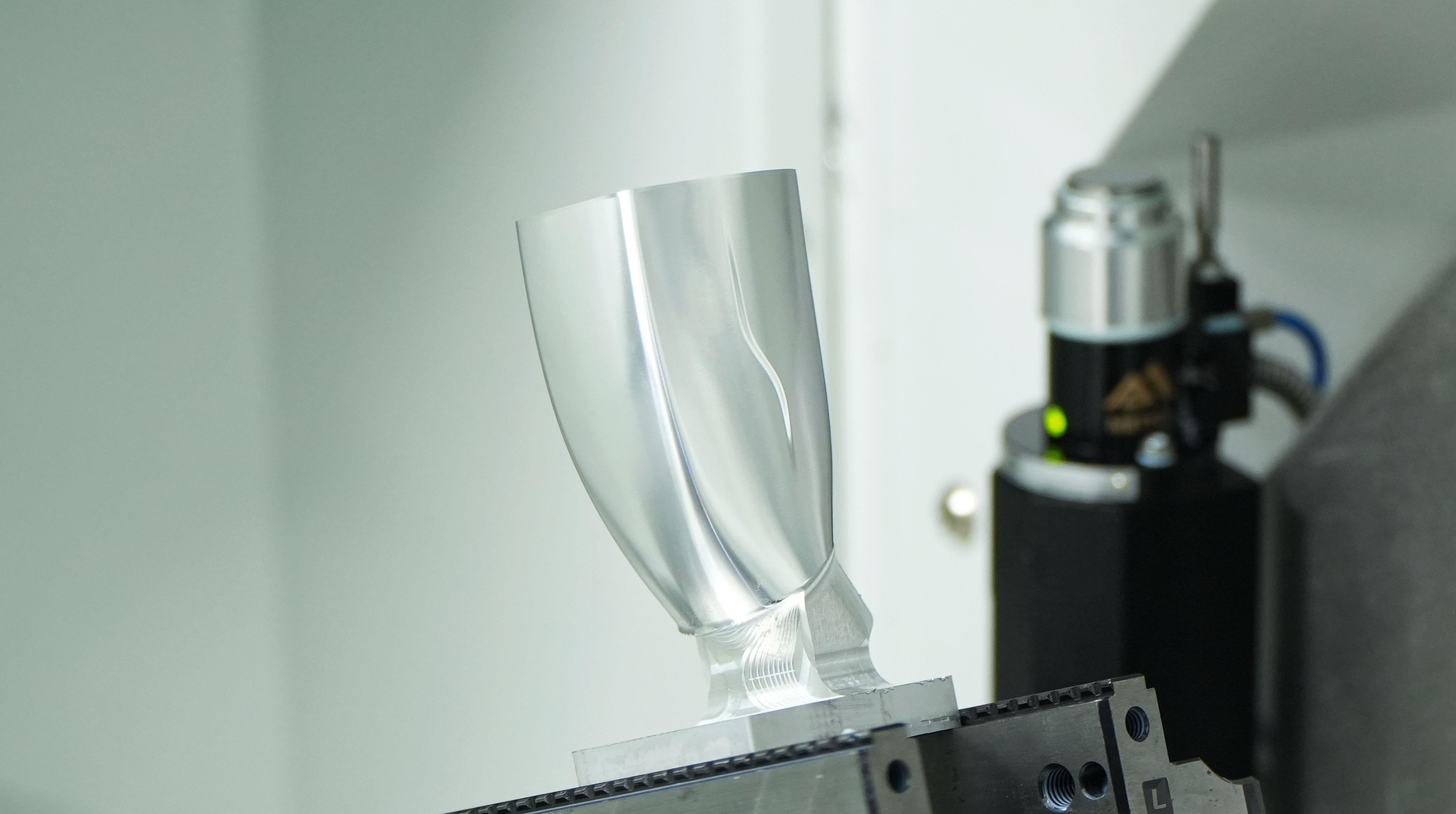

How Structural Rigidity Impacts Tool Path Accuracy in 5-Axis CNC
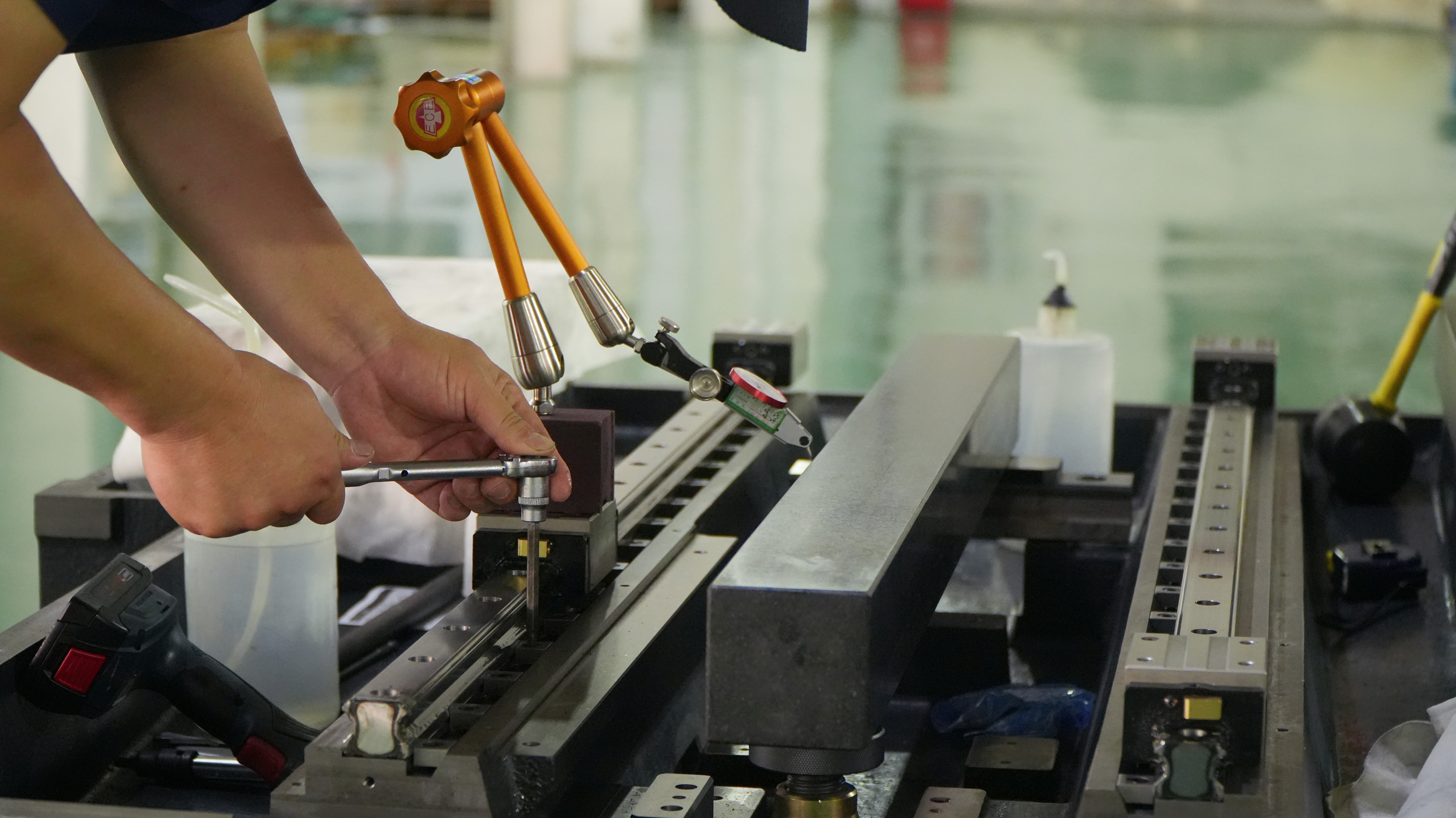
Introduction: Accurate Motion Requires Structural Stability
In 5-axis CNC machining, toolpath accuracy is critical for producing complex geometries and maintaining consistent precision machining quality.
However, accurate programming alone is not enough. Even the most advanced toolpaths cannot achieve reliable micron level machining if the machine structure lacks sufficient rigidity.
Structural rigidity determines how well a machine resists deformation under cutting forces, dynamic motion, and thermal stress. In high-end precision CNC machining, rigidity is one of the most important foundations of toolpath accuracy.
1. What Is Structural Rigidity CNC?
Structural rigidity CNC refers to a machine’s ability to resist deformation during machining operations.
A rigid machine structure:
- Maintains stable axis positioning
- Reduces deflection under load
- Supports accurate tool movement
Weak rigidity causes the machine structure to flex during cutting, reducing toolpath accuracy CNC and affecting machining consistency.
2. Cutting Forces Continuously Stress the Machine
In 5 axis CNC, cutting forces change constantly due to:
- Continuous tool orientation changes
- Variable cutting engagement
- Multi-axis motion
Without sufficient CNC machine rigidity:
- Structural deflection increases
- Tool positioning shifts
- Machining errors become more visible
This directly affects precision machining accuracy.
3. Toolpath Accuracy CNC Depends on Motion Stability
Toolpaths are only as accurate as the machine executing them.
Strong structural rigidity CNC:
- Maintains stable axis movement
- Reduces positional deviation
- Improves interpolation accuracy
This ensures that actual cutting motion matches programmed paths, supporting reliable micron level machining.
4. Dynamic Stability CNC and Rigidity Work Together
Rigidity alone is not enough—dynamic stability CNC is equally important.
A rigid but poorly damped structure may still experience:
- Vibration
- Resonance
- Chatter
When rigidity and dynamic stability CNC work together:
- Motion remains smoother
- Cutting stability improves
- Surface quality becomes more consistent
5. Long Tool Reach Amplifies Structural Weakness
Complex 5-axis cnc machining often requires long tools and difficult cutting angles.
Long tool overhang:
- Amplifies cutting force effects
- Increases vibration sensitivity
- Makes rigidity more critical
Machines with weak structures struggle to maintain stable precision CNC machining under these conditions.
6. Thermal Effects Can Reduce Rigidity Performance
During long machining cycles:
- Heat changes structural behavior
- Expansion alters machine geometry
- Stability gradually decreases
Strong machine structures combined with stable thermal management help maintain toolpath accuracy CNC throughout extended machining operations.
7. Why Rigidity Matters More in Complex Geometries
Complex surfaces require:
- Continuous multi-axis motion
- Smooth interpolation
- Precise tool positioning
Even small structural movement can:
- Distort surface transitions
- Reduce dimensional accuracy
- Disrupt micron level machining consistency
This is why high-end 5 axis CNC systems prioritize strong structural rigidity.
Conclusion: Rigidity Is the Foundation of Accurate Toolpaths
In 5-axis CNC machining, toolpath accuracy depends on more than software and programming.
Strong structural rigidity CNC:
- Maintains stable machine geometry
- Resists cutting force deformation
- Supports reliable precision machining
Combined with strong dynamic stability CNC, rigidity allows manufacturers to achieve consistent micron level machining and high-quality precision CNC machining performance on complex parts.
FAQ
1. What is structural rigidity in CNC machining?
It is the machine’s ability to resist deformation during machining operations.
2. Why does rigidity affect toolpath accuracy?
Because structural movement changes actual tool position during cutting.
3. How does 5-axis CNC increase rigidity demands?
Multi-axis motion and changing cutting forces create greater structural stress.
4. Can poor rigidity affect surface quality?
Yes. Structural vibration and deflection can create chatter and surface inconsistency.
5. How can manufacturers improve rigidity performance?
By using stronger machine structures, improving damping, and optimizing thermal stability.