
Why Machining Stability Determines the Real Efficiency of a 5-Axis CNC Machine
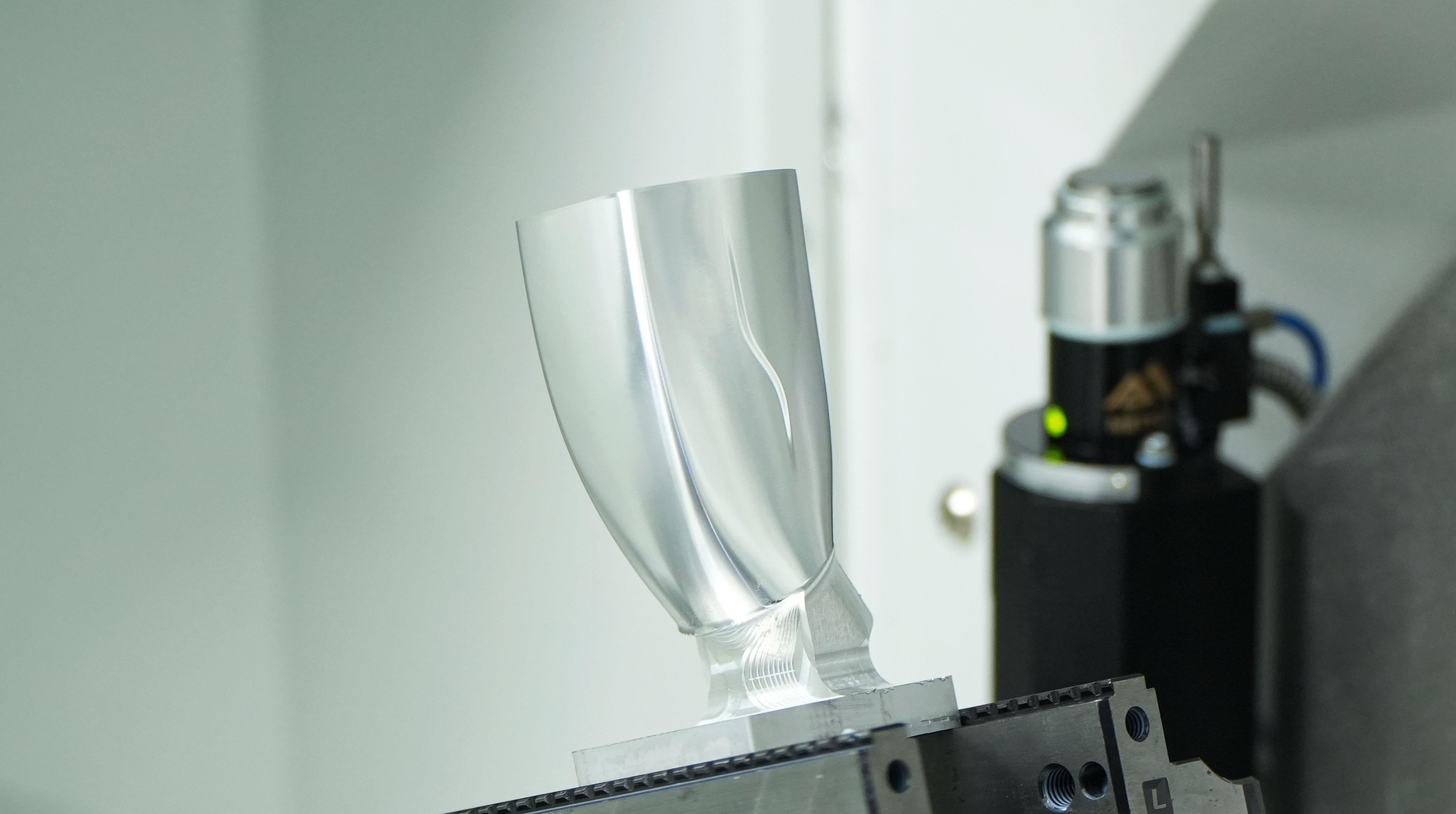
Introduction: Efficiency Depends on Stability
In modern 5-axis CNC machining, efficiency is often associated with spindle speed, rapid feed rates, or automation capability.
However, true machining efficiency depends heavily on machining stability CNC. A machine that operates at high speed but lacks stability cannot maintain consistent cutting conditions, reliable accuracy, or long-term productivity.
In advanced precision CNC machining, stability directly affects cutting performance, tool life, surface quality, and overall production consistency.
For manufacturers pursuing reliable high precision machining, machining stability is one of the most important factors determining real-world efficiency.
1. What Is Machining Stability CNC?
Machining stability CNC refers to the machine’s ability to maintain controlled and predictable cutting behavior during machining operations.
Stable machining requires:
- Consistent structural behavior
- Controlled vibration levels
- Smooth multi-axis motion
- Reliable thermal performance
When stability is insufficient:
- Chatter becomes more common
- Tool wear increases
- Surface quality becomes inconsistent
This reduces both machining efficiency and overall precision CNC machining quality.
2. CNC Machine Rigidity Supports Stable Cutting
Strong CNC machine rigidity is one of the foundations of machining stability.
During cutting operations, the machine structure must resist:
- Cutting force deformation
- Dynamic loading
- Multi-axis motion stress
Machines with weak rigidity experience:
- Structural deflection
- Vibration amplification
- Positioning instability
These problems force operators to reduce cutting aggressiveness, limiting the real efficiency of the machine.
High-rigidity structures allow more stable cutting conditions, especially in demanding 5-axis cnc machining applications.
3. Dynamic Stability CNC Controls Vibration Behavior
In high-speed machining, dynamic stability CNC becomes critical.
Even rigid machines may experience instability if vibration is not properly controlled.
Poor dynamic behavior causes:
- Chatter
- Harmonic vibration
- Surface inconsistency
- Reduced tool life
Advanced machine designs improve dynamic stability CNC through:
- Structural damping optimization
- Balanced moving components
- Stable spindle systems
- Controlled acceleration behavior
This allows machines to maintain stable cutting conditions even during aggressive machining cycles.
4. Thermal Stability CNC Affects Long-Term Efficiency
Machining efficiency is not only about short-term speed. Long production cycles require stable thermal behavior.
During continuous machining:
- Spindles generate heat
- Structural temperatures change
- Machine geometry shifts gradually
Without proper thermal stability CNC:
- Positioning accuracy decreases
- Surface consistency changes
- Compensation requirements increase
Stable thermal management helps maintain reliable micron level machining throughout extended machining operations.
5. Stable Machines Allow More Aggressive Cutting Conditions
Machines with higher machining stability CNC can safely operate under more demanding cutting parameters.
Stable machining allows:
- Higher feed rates
- Deeper cutting depths
- Faster material removal
- Reduced cycle times
In unstable conditions, operators must reduce machining intensity to avoid chatter or accuracy loss.
As a result, overall production efficiency decreases significantly.
This is why machine stability often determines real productivity more than theoretical spindle specifications.
6. Stability Improves Tool Life and Surface Quality
Stable machining conditions reduce irregular cutting loads on the tool.
This improves:
- Tool wear consistency
- Surface finish quality
- Dimensional stability
In high precision machining, smoother cutting conditions help maintain reliable micron level machining accuracy while reducing tooling costs.
For complex parts, stable machining also reduces the need for secondary finishing operations.
7. Multi-Axis Motion Makes Stability More Important
In 5 axis CNC, continuous tool orientation changes create highly dynamic machining conditions.
This introduces:
- Variable cutting forces
- Constant axis acceleration changes
- Complex vibration behavior
Machines with insufficient stability struggle to maintain smooth motion across complex toolpaths.
Strong machine structures combined with optimized dynamic stability CNC help maintain consistent cutting performance throughout multi-axis machining operations.
Conclusion: Stability Defines Real Machining Efficiency
In advanced 5-axis CNC machining, machining efficiency depends on far more than speed specifications.
True productivity requires stable cutting conditions supported by:
- CNC machine rigidity
- Dynamic stability CNC
- Thermal stability CNC
- Smooth multi-axis motion
Machines with strong stability achieve:
- Better surface quality
- Longer tool life
- Higher cutting efficiency
- More reliable precision CNC machining
For manufacturers pursuing consistent high precision machining, machining stability is the foundation of real-world performance and long-term production efficiency.
FAQ
1. What is machining stability in CNC machining?
Machining stability refers to the machine’s ability to maintain controlled cutting behavior with minimal vibration and consistent accuracy.
2. Why is machining stability important in 5-axis CNC machining?
Because multi-axis motion creates constantly changing cutting conditions that require stable machine behavior.
3. How does CNC machine rigidity affect efficiency?
Higher rigidity reduces vibration and deformation, allowing more aggressive cutting conditions and improved productivity.
4. Can thermal instability reduce machining efficiency?
Yes. Thermal deformation affects positioning accuracy, surface quality, and long-term machining consistency.
5. How does dynamic stability CNC improve machining performance?
It helps control vibration and chatter, improving surface finish, tool life, and overall machining reliability.