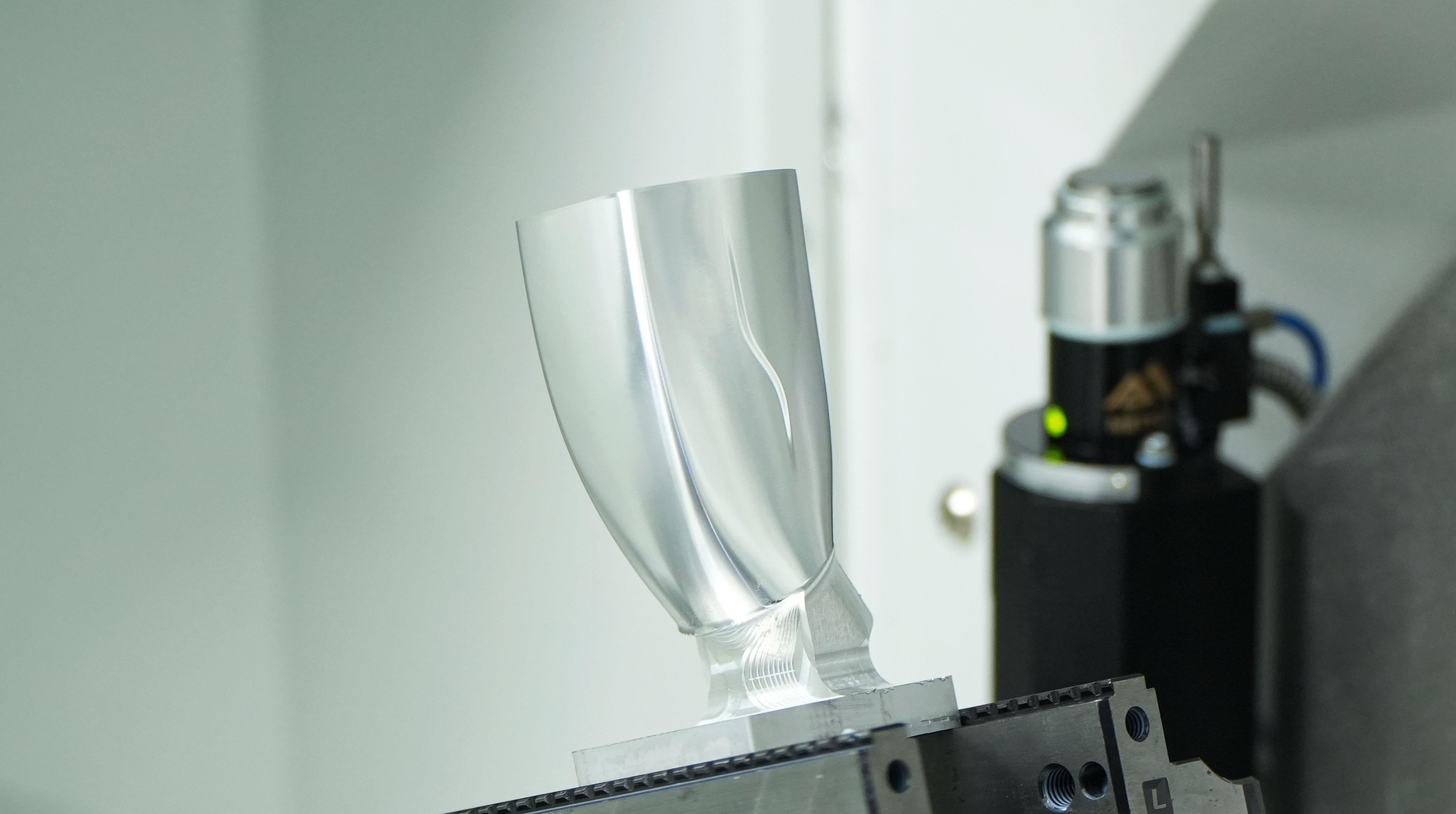

Aerospace Manufacturing: Zero Margin for Error
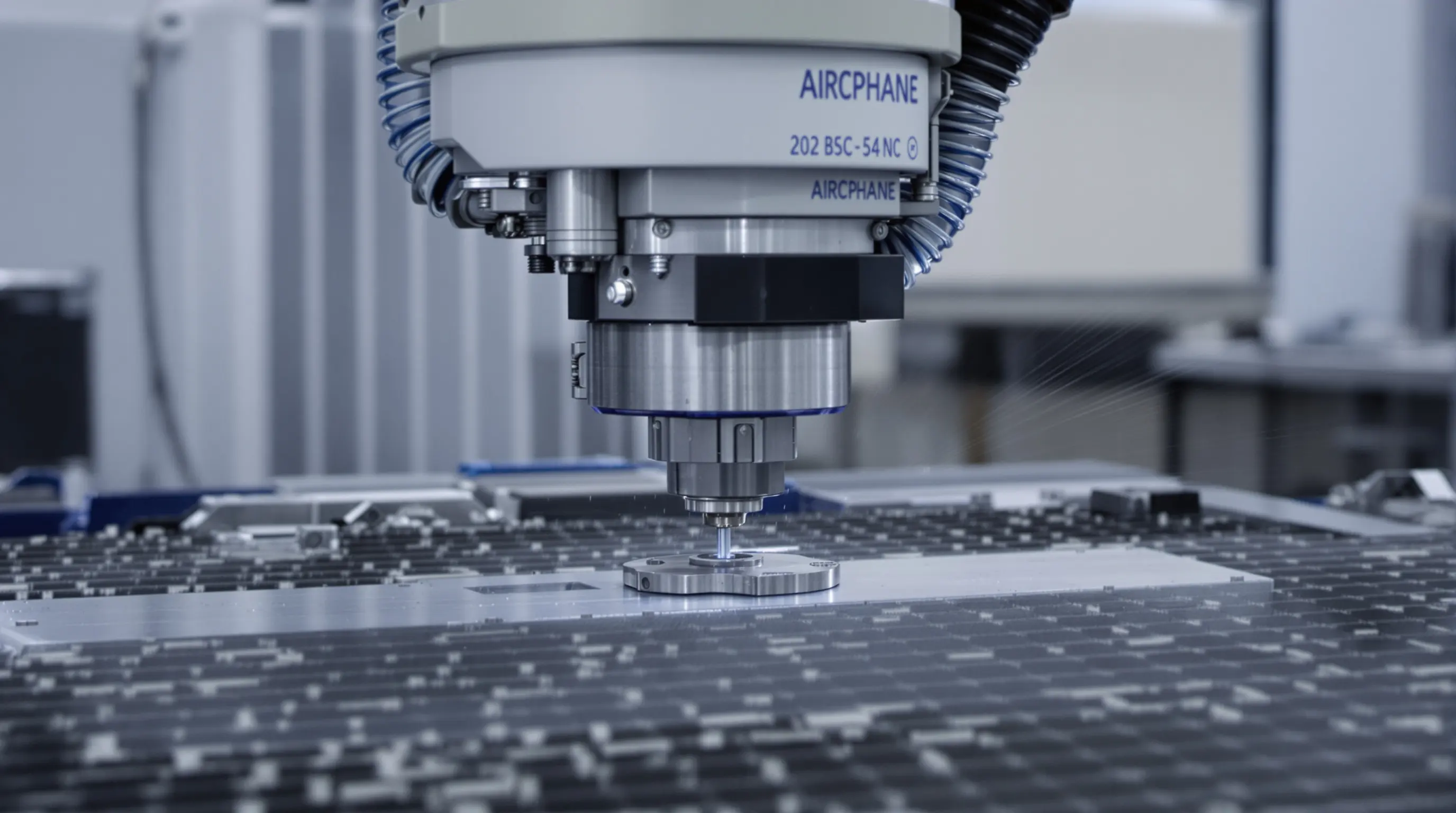
In aerospace manufacturing, machining errors are not measured in inconvenience—but in risk. Structural brackets, engine components, housings, and load-bearing frames must perform flawlessly under extreme conditions including high vibration, rapid thermal cycling, and sustained mechanical stress. This is why heavy-duty 5-axis CNC machining has become a non-negotiable standard for aerospace parts production.
Unlike light-duty or general-purpose CNC systems, heavy-duty 5-axis machines are engineered to maintain geometric accuracy, surface integrity, and process stability when machining large, complex, and difficult-to-cut aerospace materials.
What Defines a Heavy-Duty 5-Axis CNC Machine?
A heavy-duty 5-axis CNC machine is not simply defined by size—it is defined by structural capability.
Key characteristics include:
-
High-rigidity machine bed and gantry structures
-
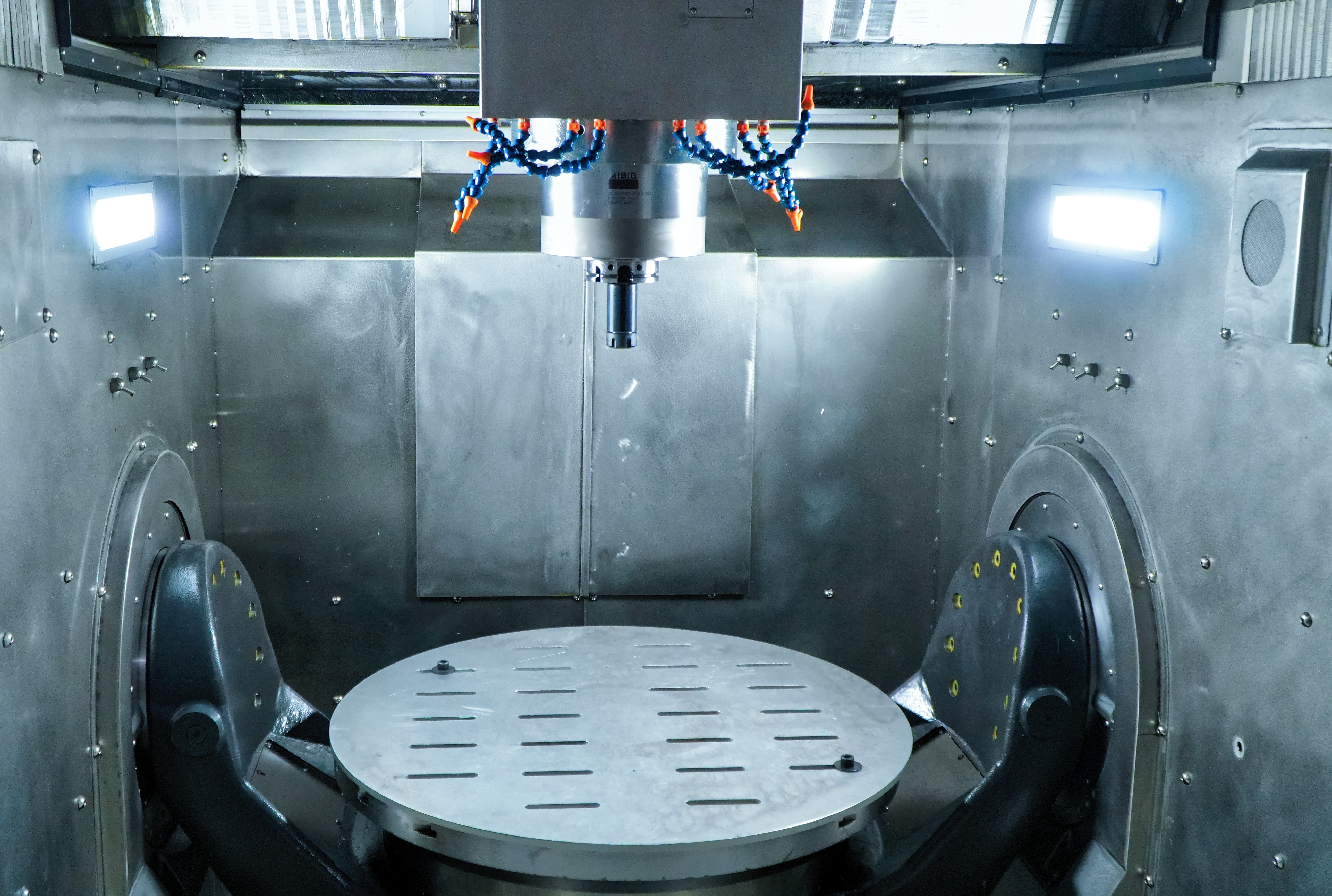
High-load rotary tables capable of supporting large aerospace parts
-
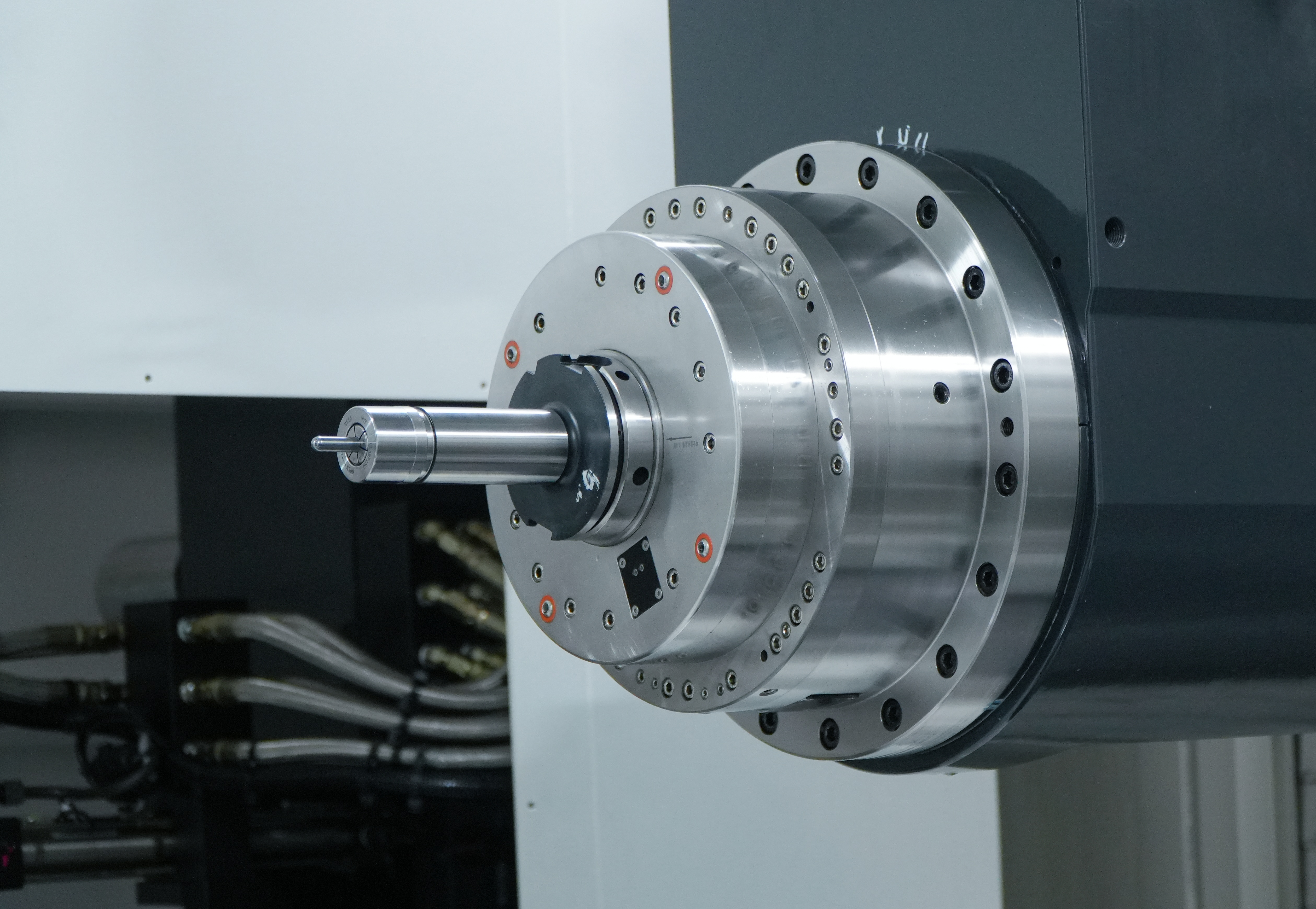
Spindles designed for continuous high-torque cutting
-
Reinforced linear axes to resist deflection
-
Advanced thermal compensation and vibration control systems
These features allow the machine to maintain micron-level accuracy even under aggressive cutting forces and long machining cycles common in aerospace applications.
Structural Rigidity: The Foundation of Aerospace Precision
Aerospace components are often machined from materials such as titanium alloys, aluminum-lithium alloys, and nickel-based superalloys. These materials generate significant cutting forces and heat.
Without sufficient machine rigidity:
-
Tool deflection increases
-
Surface finish degrades
-
Geometric tolerances drift
-
Fatigue-inducing micro-defects form
Heavy-duty 5-axis CNC machines use reinforced castings and optimized structural layouts to absorb cutting loads, ensuring stable tool engagement and consistent dimensional accuracy across large workpieces.
Single-Setup Machining for Complex Aerospace Geometry
Aerospace parts rarely feature simple geometries. They often combine:
-
Deep pockets
-
Thin walls
-
Complex curves
-
Multi-angle interfaces
Heavy-duty 5-axis CNC machining enables these features to be completed in a single setup, eliminating cumulative errors caused by repeated re-fixturing.
Single-setup machining ensures:
-
Datum consistency
-
Improved positional accuracy
-
Reduced cycle time
-
Lower risk of alignment-induced scrap
This capability is critical for flight-critical components where tolerance stacking is unacceptable.
Thermal Stability During Long Machining Cycles
Aerospace machining cycles can last several hours—or even days—for large structural components. During this time, thermal variation becomes a major threat to accuracy.
Heavy-duty 5-axis machines address this through:
-
Temperature-controlled machine structures
-
Spindle cooling systems
-
Real-time thermal compensation algorithms
These systems maintain stable machining conditions, ensuring that parts remain within tight aerospace tolerances even during extended production runs.
Supporting Tight Tolerances and Superior Surface Finish
Aerospace standards commonly require:
-
Geometric tolerances within ±5 µm or tighter
-
Surface finishes below 0.8 µm Ra for aerodynamic and fatigue performance
Heavy-duty 5-axis CNC machines maintain these requirements by combining rigidity, precision motion control, and adaptive toolpath strategies. This prevents chatter, tool marks, and micro-cracks that could compromise part performance in service.
Meeting Aerospace Certification and Quality Standards
Aerospace manufacturers operate under strict regulatory frameworks such as:
-
AS9100
-
NADCAP
-
OEM-specific qualification standards
Heavy-duty 5-axis CNC machines support compliance by enabling:
-
Repeatable, documented machining processes
-
Stable process capability (Cpk ≥ 1.67)
-
Full traceability of machining parameters
This level of process control is essential for qualifying aerospace parts for flight.
Why Light-Duty Machines Fall Short
While lighter 5-axis machines may be suitable for small components or general machining, they struggle with aerospace demands due to:
-
Insufficient rigidity under high cutting loads
-
Limited rotary table capacity
-
Poor thermal stability over long cycles
-
Higher risk of vibration-induced surface defects
In aerospace manufacturing, these limitations translate directly into quality risk.
Heavy-Duty 5-Axis Machines as a Strategic Investment
For aerospace manufacturers, investing in heavy-duty 5-axis CNC machining is not simply about capability—it is about long-term reliability, safety, and competitiveness.
These machines enable:
-
Reduced scrap and rework
-
Higher production consistency
-
Faster qualification cycles
-
Confidence in mission-critical performance
As aerospace designs continue to push the limits of weight reduction and structural efficiency, heavy-duty 5-axis machines remain a foundational technology.
FAQ
Why do aerospace parts require heavy-duty 5-axis CNC machines?
Aerospace parts demand high rigidity, thermal stability, and precision to withstand extreme operational conditions and meet strict safety standards.
What materials make heavy-duty machines necessary in aerospace?
Materials like titanium, aluminum-lithium alloys, and nickel-based superalloys generate high cutting forces that require rigid machine structures.
Can light-duty 5-axis machines be used for aerospace parts?
Light-duty machines may handle small or non-critical parts but lack the stability and load capacity required for flight-critical aerospace components.
How do heavy-duty 5-axis machines improve part reliability?
They reduce vibration, maintain tight tolerances, and ensure consistent surface quality, directly improving fatigue life and operational safety.