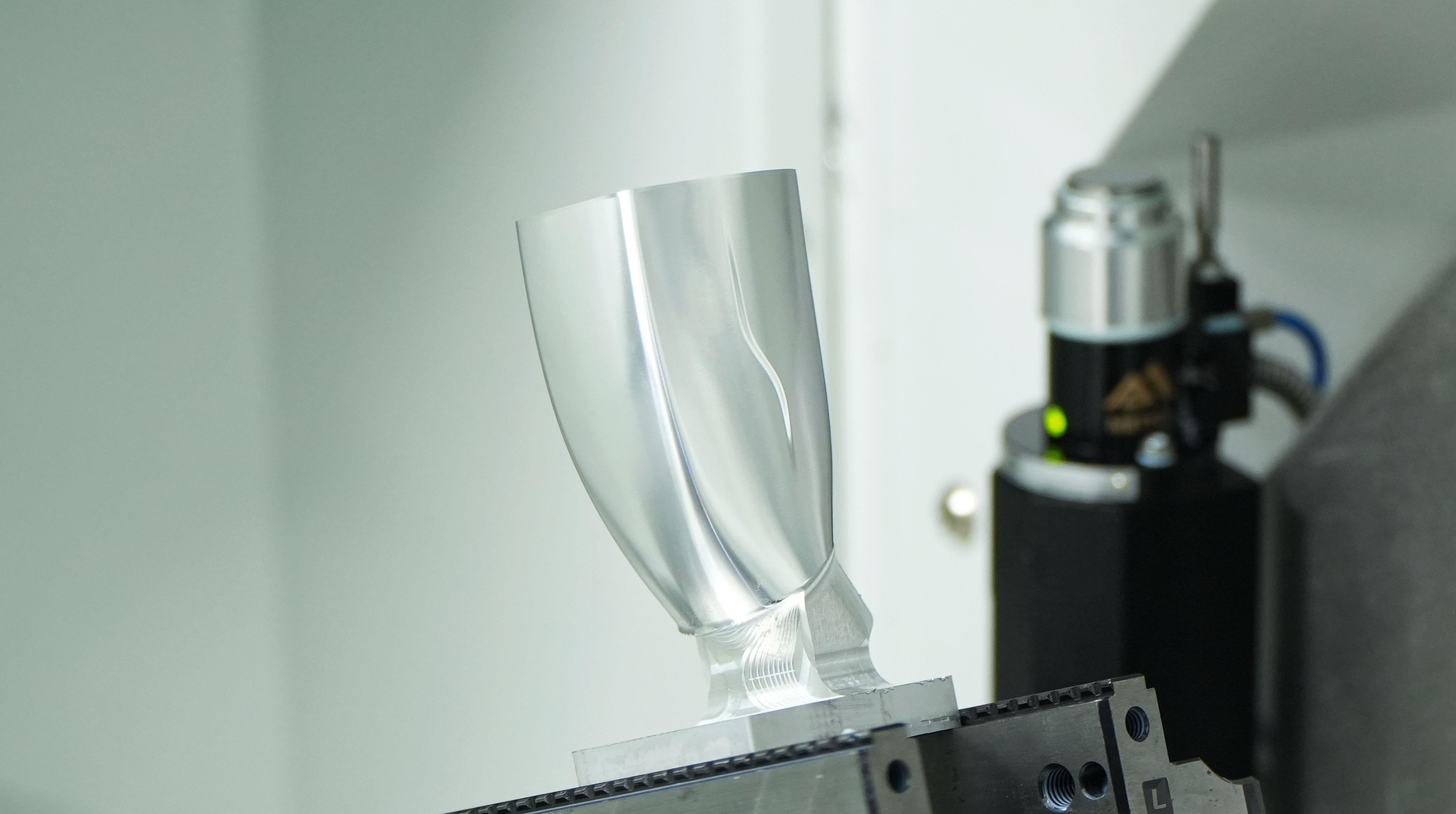

5-Axis CNC: What Really Drives Cost Beyond the Machine Price
Introduction: Why the Machine Price Is Only the Starting Point
When manufacturers evaluate 5-axis CNC machining, the first number they often focus on is the machine price. While capital expenditure is important, it represents only a fraction of the total cost of ownership. In reality, long-term operating efficiency, accuracy retention, and production risk are what determine whether a 5-axis CNC machine is a strategic investment or an expensive bottleneck.
For aerospace, medical, and high-precision industries, cost is driven less by sticker price and more by how well the machine controls complexity over time.
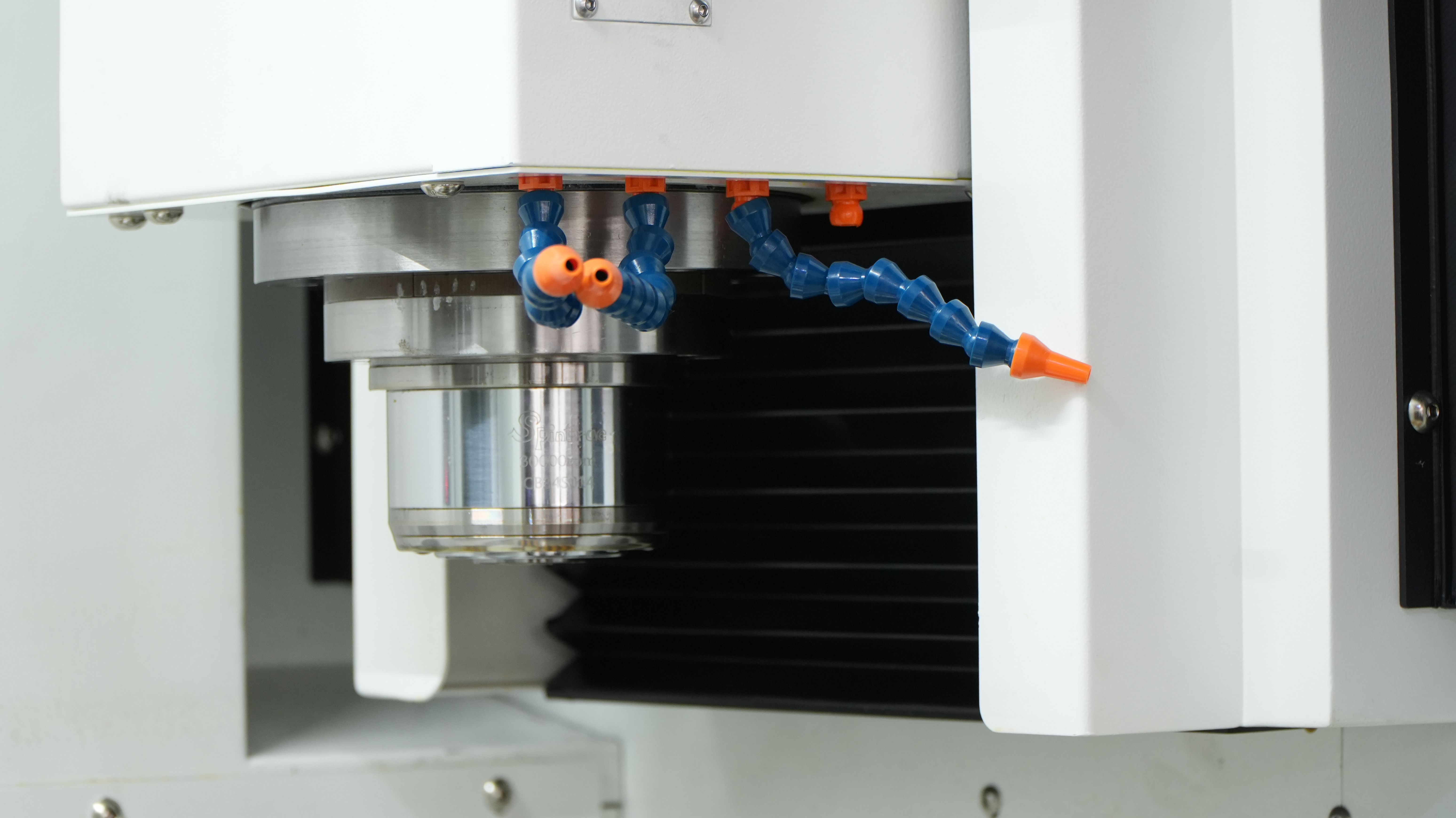
Cost Driver #1: Structural Rigidity and Machine Architecture
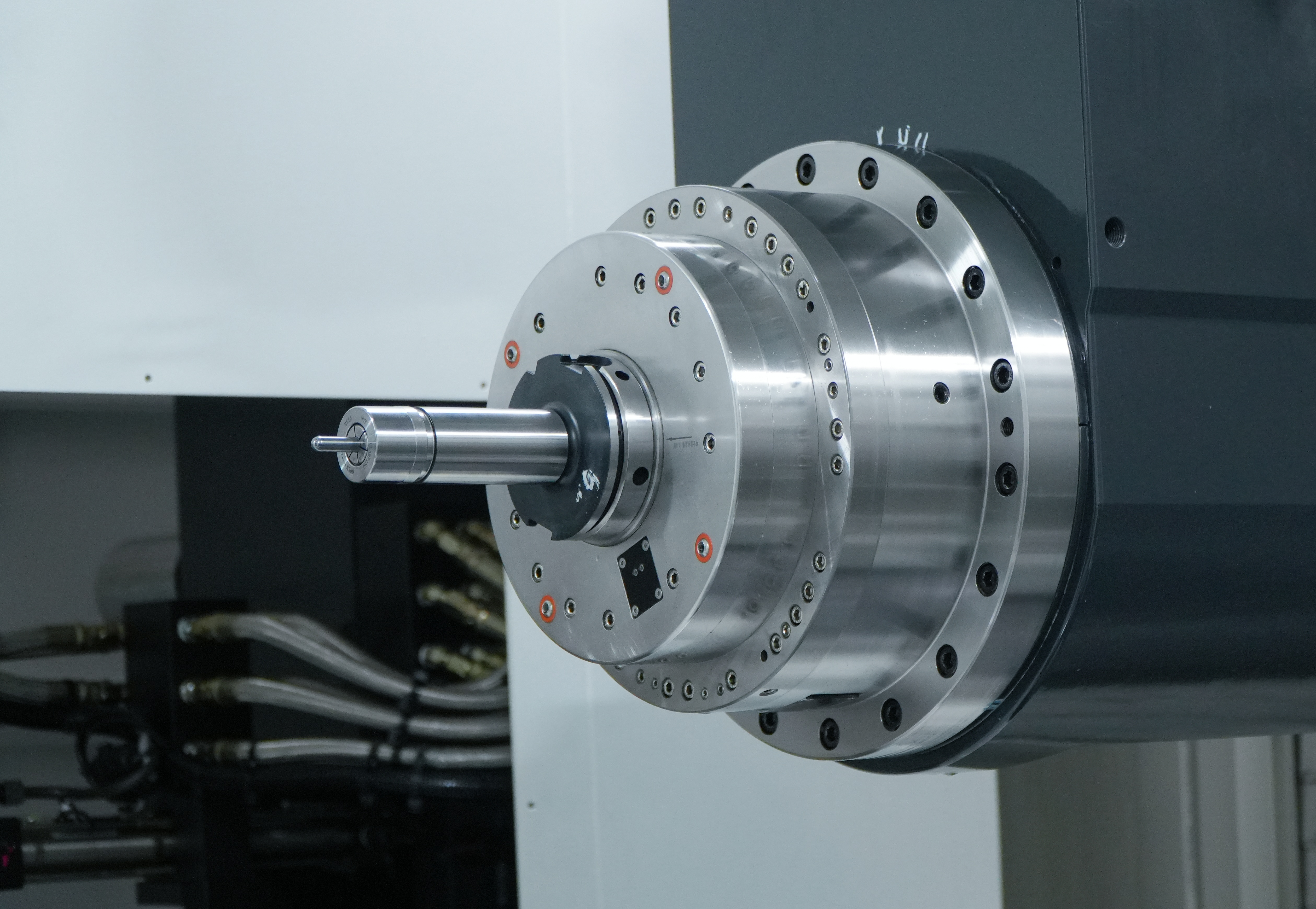
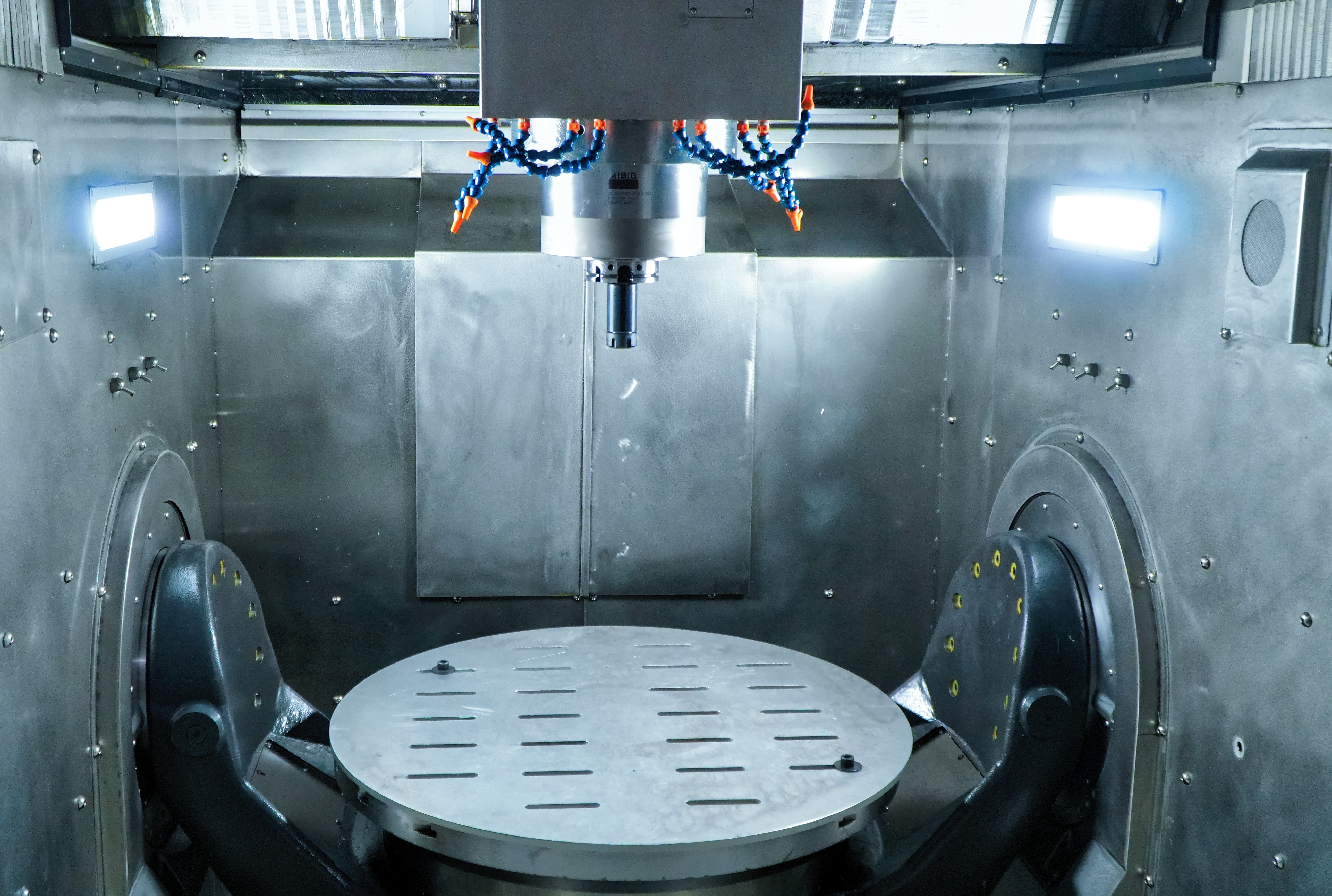
Not all 5-axis CNC machines are built the same. The mass of castings, axis configuration, bearing systems, and damping design directly affect machining stability.
Light-duty machines may appear cost-effective initially, but insufficient rigidity leads to:
-
Tool chatter and surface degradation
-
Reduced tool life
-
Slower feed rates to maintain tolerance
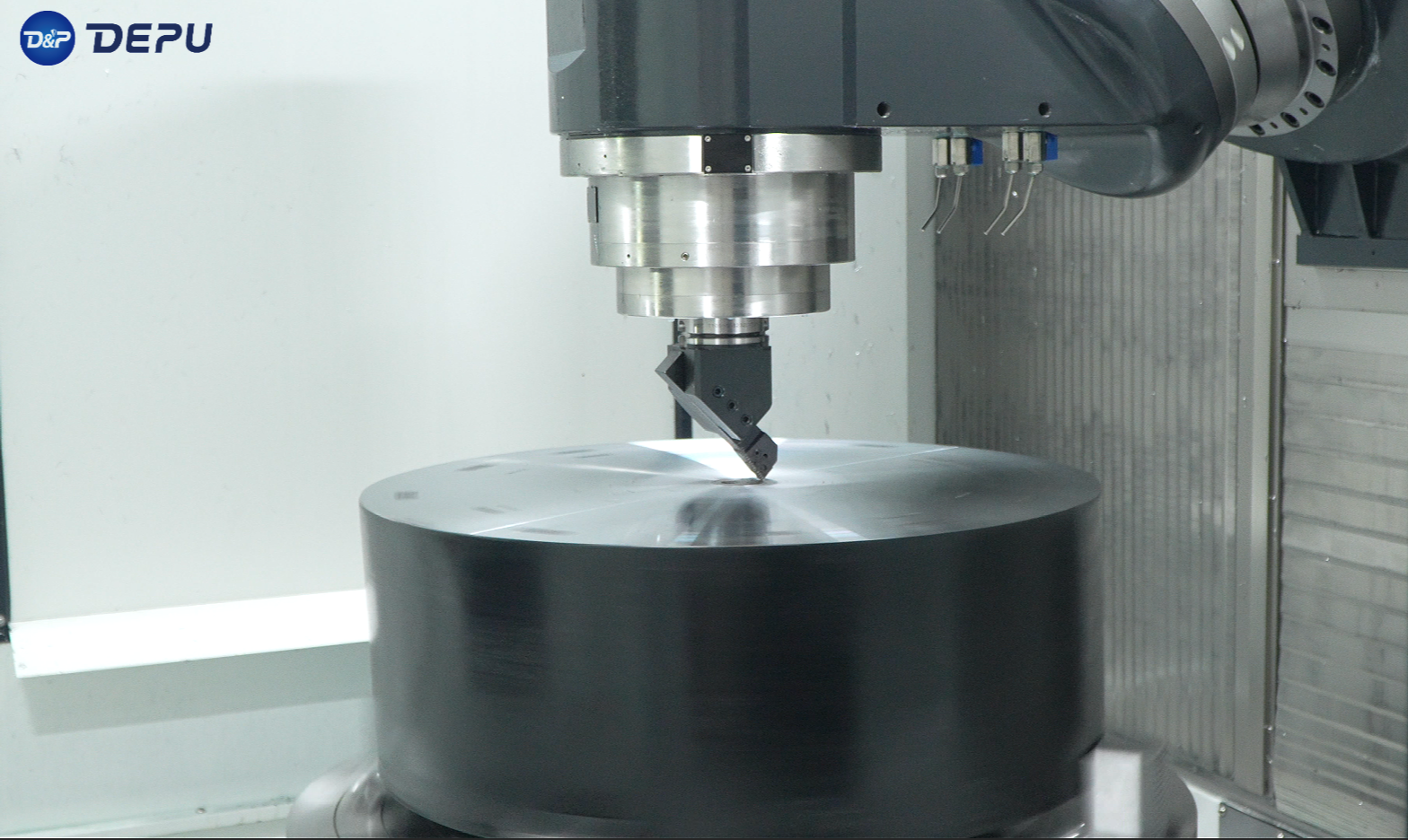
Heavy-duty 5-axis CNC machining platforms maintain consistent accuracy under high cutting forces, particularly when machining titanium, Inconel, and large aerospace structures. This rigidity reduces scrap, rework, and unplanned downtime—hidden costs that quickly exceed the price difference between machines.
Cost Driver #2: Thermal Stability and Accuracy Retention
Thermal behavior is one of the most underestimated cost factors in 5-axis CNC machining. Spindle heat, axis motion, and ambient temperature fluctuations all cause dimensional drift.
Machines without advanced thermal compensation systems often require:
-
Frequent manual offsets
-
Additional inspection cycles
-
Conservative cutting parameters
Over time, these inefficiencies increase labor costs and reduce throughput. High-end 5-axis CNC machines integrate thermal sensors, closed-loop feedback, and real-time compensation to maintain micron-level accuracy across long production runs.
Cost Driver #3: Software, CAM Capability, and Post-Processor Quality
The effectiveness of a 5-axis CNC machine depends heavily on its software ecosystem. Poorly optimized CAM strategies increase cycle time, tool wear, and collision risk.
Key software-related cost factors include:
-
Advanced simultaneous 5-axis toolpath algorithms
-
Accurate machine kinematic models
-
Stable, machine-specific post-processors
Investing in high-quality CAM and digital twins reduces simulation errors and prevents costly crashes—events that can erase months of operational savings in a single incident.
Cost Driver #3: Software, CAM Capability, and Post-Processor Quality
The effectiveness of a 5-axis CNC machine depends heavily on its software ecosystem. Poorly optimized CAM strategies increase cycle time, tool wear, and collision risk.
Key software-related cost factors include:
-
Advanced simultaneous 5-axis toolpath algorithms
-
Accurate machine kinematic models
-
Stable, machine-specific post-processors
Investing in high-quality CAM and digital twins reduces simulation errors and prevents costly crashes—events that can erase months of operational savings in a single incident.
Cost Driver #5: Automation, Probing, and In-Process Control
Modern 5-axis CNC machines increasingly rely on automation to control cost at scale. On-machine probing, tool measurement, and adaptive machining reduce human intervention.
Without these systems, manufacturers face:
-
Higher inspection labor
-
Delayed error detection
-
Increased scrap risk
Integrated probing and closed-loop correction shift quality control upstream, lowering total cost per part rather than simply increasing machine utilization.
Cost Driver #6: Reliability, Serviceability, and Downtime Risk
Unexpected downtime is one of the most expensive aspects of 5-axis CNC machining. Machine reliability, spare parts availability, and service response time directly affect operational cost.
A lower-priced machine with limited service support can result in:
-
Extended production stoppages
-
Missed delivery commitments
-
Long-term customer trust erosion
Total cost must account for uptime consistency, not just acquisition savings.
The Real ROI Equation for 5-Axis CNC Machining
When evaluating 5-axis CNC machining, the real ROI equation includes:
-
Accuracy retention over years
-
Scrap and rework reduction
-
Cycle time efficiency
-
Labor and inspection savings
-
Risk mitigation for complex parts
For high-value, low-volume components, these factors dominate cost far more than the initial machine price.
FAQ
What is the biggest hidden cost in 5-axis CNC machining?
Thermal instability and accuracy drift are often the largest hidden costs, as they increase inspection, rework, and downtime over time.
Is a heavy-duty 5-axis CNC machine always more cost-effective?
For demanding materials and tight tolerances, heavy-duty machines usually deliver lower total cost of ownership despite higher upfront investment.
How does software impact 5-axis CNC cost?
Advanced CAM software and accurate post-processors reduce cycle time, tool wear, and collision risk, significantly lowering operational costs.
When does investing in 5-axis CNC machining make financial sense?
It makes sense when part complexity, tolerance requirements, or setup reduction outweigh the higher capital cost compared to 3-axis machining.