
What Is a CNC Machine? A Beginner's Guide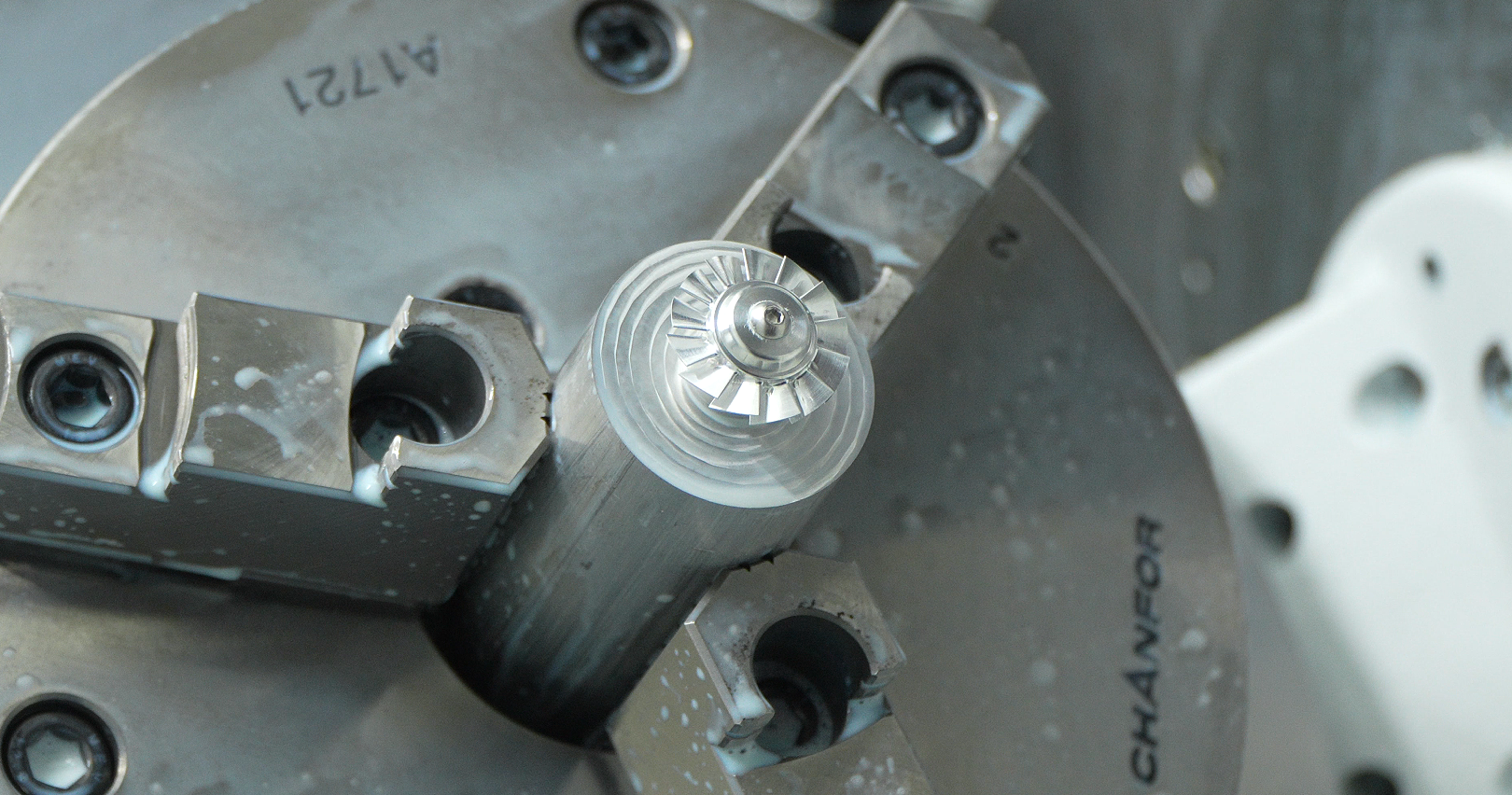
If you are new to modern manufacturing or exploring precision machining for the first time, understanding what a cnc machine is and how it works is an essential starting point. CNC stands for Computer Numerical Control, and it refers to the automated control of machining tools through a computer program. A cnc machine replaces manual operation with pre-programmed digital instructions, enabling consistent, repeatable, and highly precise manufacturing outcomes across a wide range of industries. From aerospace components to custom automotive parts, the cnc machine has become a foundational technology in modern production environments.
This beginner's guide is designed to walk you through the core concepts behind a cnc machine, explain its key components, describe how it operates, and help you understand when and why it is used in professional settings. Whether you are a student, a small business owner, or an engineer just getting started, this article will give you a clear and practical foundation. By the end, you will have a solid grasp of what makes a cnc machine such a powerful tool in today's industrial landscape.
What Is a CNC Machine and How Does It Work
The Core Concept of Computer Numerical Control
A cnc machine operates on a simple but powerful principle: instead of a human manually guiding a cutting or shaping tool, a computer program directs every movement with extreme precision. The instructions fed into the machine are written in a language called G-code, which specifies coordinates, speeds, feed rates, and tool paths. This programming layer is what transforms a raw piece of material into a finished part with consistent accuracy.
The computer controller reads the G-code and translates it into electrical signals sent to motors and actuators on the machine. These motors move the cutting tool or the workpiece in multiple directions simultaneously, which is why a cnc machine can create highly complex geometries that would be nearly impossible to achieve by hand. The entire process is automated from start to finish once the program is loaded and the material is secured.
This automated precision is the defining advantage of a cnc machine. Once a program is verified and tested, it can be run thousands of times with virtually identical results. For manufacturers producing high volumes of identical parts, this repeatability is not just convenient — it is essential to quality control and production efficiency.
The Role of the Operator in CNC Machining
Although a cnc machine is automated, it still requires skilled human oversight. Operators are responsible for writing or loading the correct program, selecting and installing the right cutting tools, securing the workpiece in place, and monitoring the machine during operation. Any error in setup can lead to scrapped parts or machine damage, so operator knowledge remains critically important.
More advanced cnc machine environments also involve machinists who understand materials science, tooling geometry, and cutting parameters. They fine-tune programs to optimize cycle times, improve surface finishes, and extend tool life. The human element in CNC machining is not eliminated — it is elevated to a higher level of technical expertise.
Key Components of a CNC Machine
The Machine Frame and Axes of Movement
Every cnc machine is built around a rigid frame that supports all the mechanical and electronic components. The frame must be strong enough to absorb the vibrations and forces generated during cutting without flexing, because any movement in the structure translates directly into inaccuracy in the finished part. High-quality machines use cast iron or welded steel frames specifically engineered for rigidity.
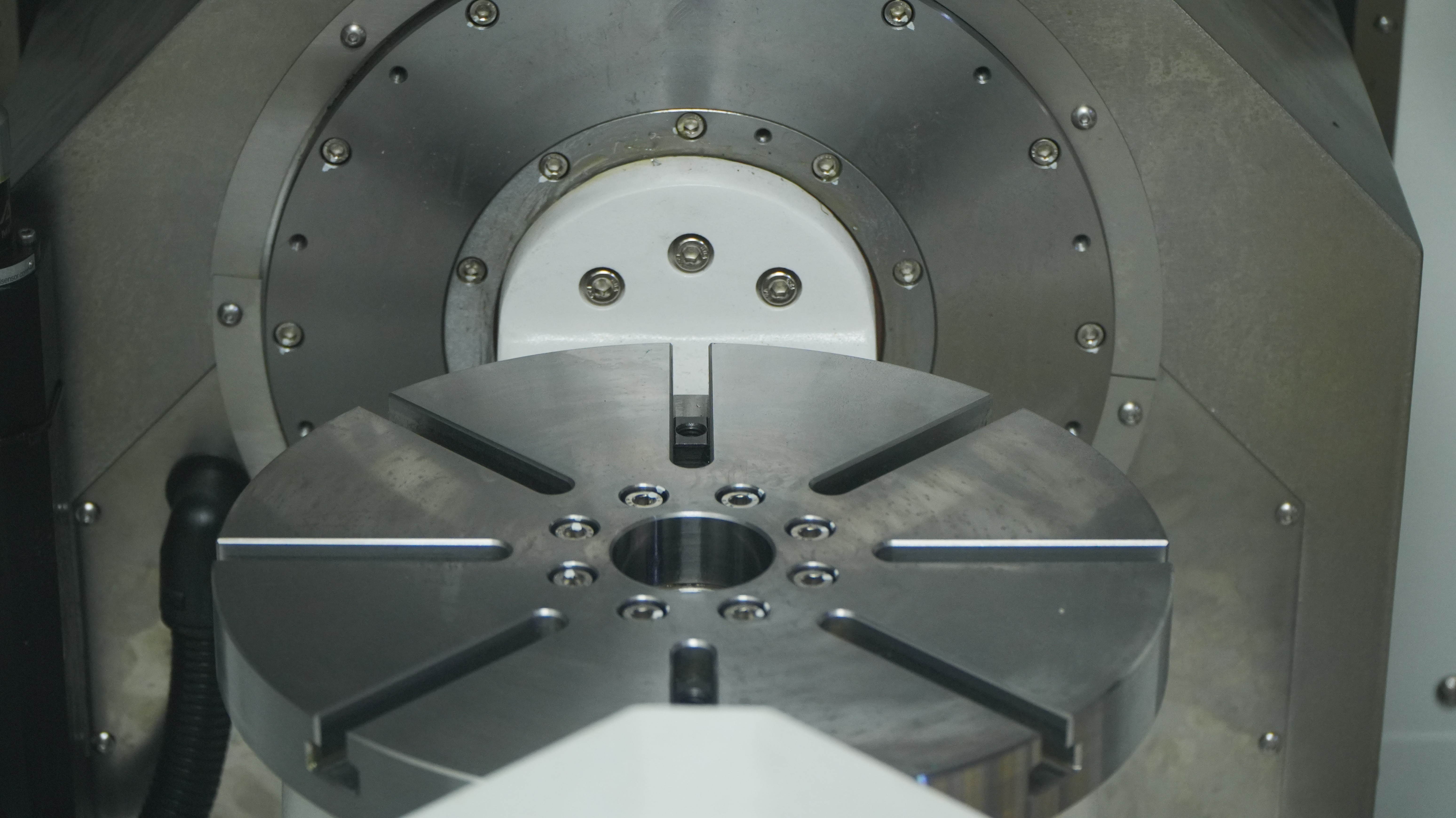
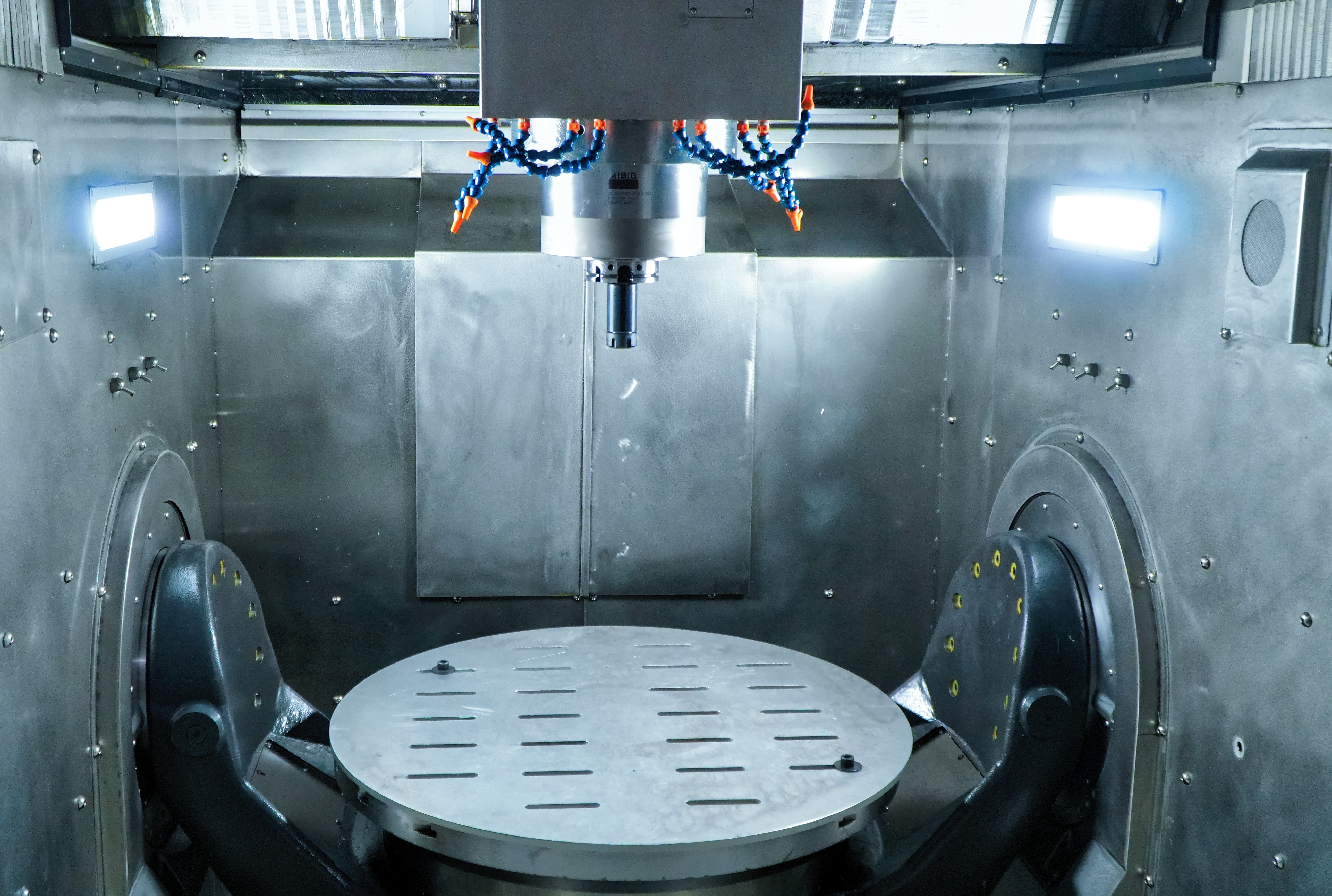
Movement on a cnc machine is described in terms of axes. A basic machine operates on three axes: X (left-right), Y (front-back), and Z (up-down). More advanced configurations add a fourth or fifth axis, allowing the cutting tool or workpiece to rotate. These multi-axis capabilities dramatically expand what a cnc machine can produce, enabling complex curved surfaces and undercut features in a single setup.
The precision of axis movement is achieved through servo motors or stepper motors connected to ball screws or linear guides. These components convert rotational motor motion into extremely precise linear or rotational movement of the tool or table. The tighter the tolerances on these mechanical elements, the more accurate the cnc machine will be in practice.
The Controller Unit and Spindle System
The controller is the brain of a cnc machine. It houses the computer processor, the human-machine interface (HMI), and all the electronics needed to interpret G-code and coordinate machine movements. Modern controllers offer touchscreen interfaces, real-time monitoring displays, and network connectivity for uploading programs directly from CAD/CAM software.
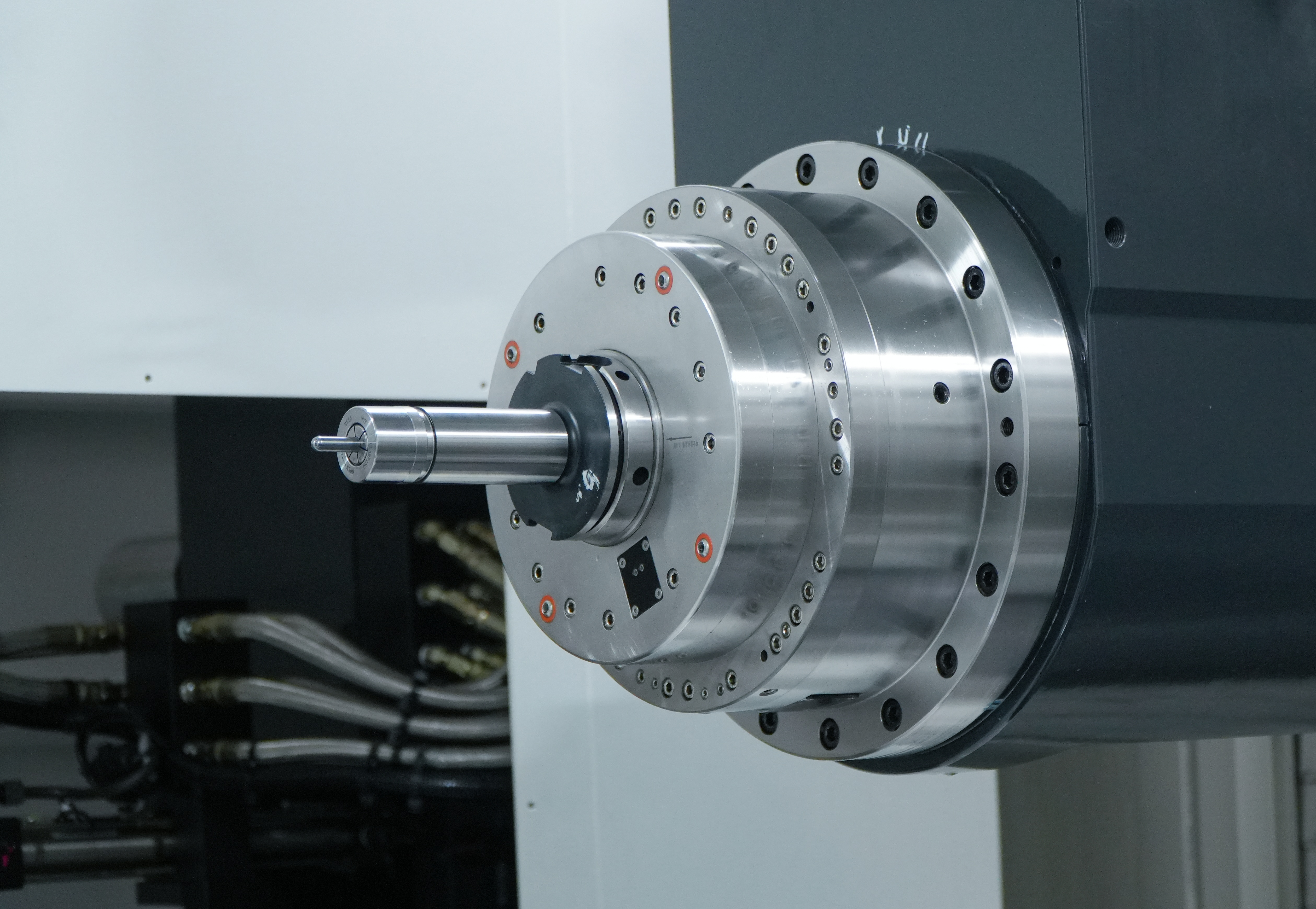
The spindle is the component that holds and rotates the cutting tool at high speed. Spindle performance — including its maximum RPM, power output, and runout tolerance — directly affects the quality and speed of machining. A well-maintained spindle on a cnc machine can rotate tools at tens of thousands of revolutions per minute, enabling efficient cutting of metals, plastics, composites, and wood.
Together, the controller and spindle system define the operational capability of a cnc machine. Upgrading or maintaining these two systems is often the first priority when optimizing an existing machining setup for better performance or expanded capability.
Common Types of CNC Machines and Their Applications
CNC Milling Machines
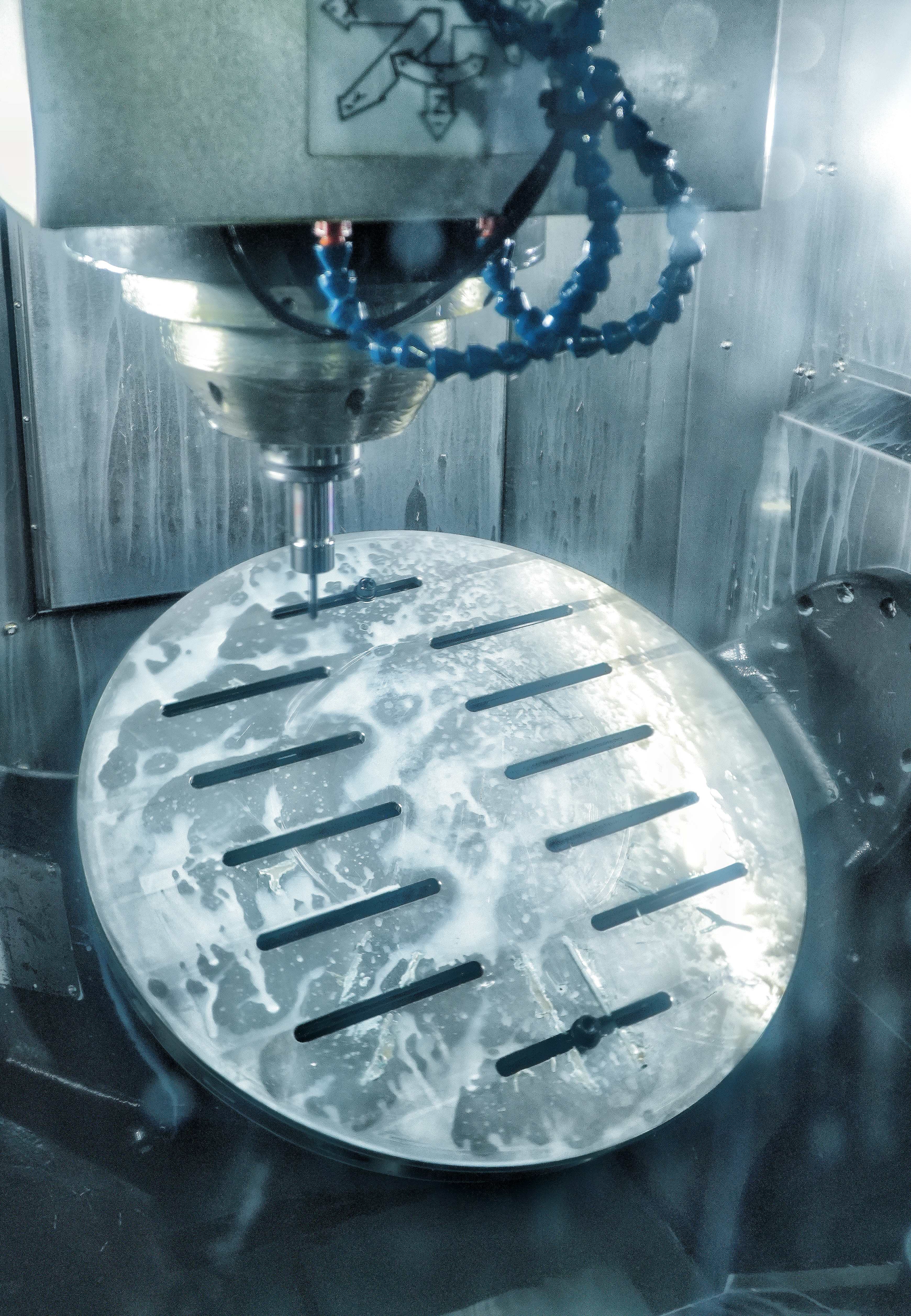
A CNC milling machine is one of the most versatile types of cnc machine in use today. It uses rotating multi-point cutting tools to remove material from a stationary workpiece. The result can be flat surfaces, contoured profiles, slots, holes, and complex three-dimensional shapes. CNC milling is widely used in aerospace, automotive, medical device, and tooling industries.
Vertical machining centers (VMCs) and horizontal machining centers (HMCs) are two major categories of CNC milling machines. Vertical machines have the spindle oriented vertically, which makes them well-suited for flat parts and mold cavities. Horizontal machines orient the spindle sideways, which is ideal for heavier workpieces and high-volume production runs. Each type of cnc machine serves different production needs depending on part geometry and throughput requirements.
CNC Lathes and Turning Centers
A CNC lathe is a cnc machine designed for producing cylindrical or round parts. The workpiece rotates while a stationary cutting tool removes material from the outside or inside diameter. Common applications include shafts, bushings, pins, fittings, and threaded fasteners. CNC lathes are prevalent in oil and gas, hydraulics, and general precision engineering sectors.
Modern turning centers combine lathe functionality with milling capability in a single cnc machine. These machines can perform both turning and milling operations in one setup, dramatically reducing cycle times and improving part accuracy by eliminating re-fixturing. For high-volume production of complex rotational parts, a turning center is often the most cost-effective solution available.
CNC Routers and EDM Machines
CNC routers are a type of cnc machine optimized for cutting softer materials such as wood, plastics, foam, and composites. They are commonly used in furniture manufacturing, sign-making, and prototype fabrication. While they operate on the same G-code principles as metal-cutting machines, their construction is typically lighter and their spindles are tuned for high-speed, low-force cutting.
Electrical Discharge Machining (EDM) represents a completely different category of cnc machine. Instead of using a physical cutting tool, EDM removes material through controlled electrical sparks. This process is ideal for hardened tool steels and complex internal geometries that are impossible to reach with conventional cutters. EDM is widely used in mold and die making, where extreme precision and surface finish quality are non-negotiable.
Getting Started With a CNC Machine as a Beginner
Understanding G-Code and CAM Software
For a beginner working with a cnc machine, learning the basics of G-code is an important early step. G-code is the programming language that tells the machine where to move, how fast to move, and what operations to perform. While experienced machinists can write G-code by hand for simple operations, most modern workflows use CAM (Computer-Aided Manufacturing) software to automatically generate G-code from a 3D model.
CAM software bridges the gap between design and machining. You import a digital model created in CAD software, define the machining operations and tool paths, and the CAM program outputs the G-code file ready for the cnc machine. This workflow significantly lowers the barrier to entry for beginners, as it allows you to focus on learning the machining concepts rather than memorizing syntax.
Even with CAM software handling code generation, a solid understanding of cutting parameters — such as feed rate, depth of cut, and spindle speed — remains essential. Incorrect parameters can break tools, damage the cnc machine, or produce parts outside tolerance. Most CAM programs provide suggested starting parameters for common materials, which is a helpful starting point for beginners.
Safety, Maintenance, and First Steps
Safety is the first priority when operating any cnc machine. Always ensure the machine enclosure is closed before starting a cycle, wear appropriate personal protective equipment, and never reach into the work area while the spindle is rotating. Modern machines include interlock systems that prevent the door from opening during operation, but operator awareness is always the most important safety layer.
Regular maintenance keeps a cnc machine performing accurately and reliably. This includes lubricating guide rails and ball screws, checking coolant concentration, inspecting tool holders for wear, and cleaning chips from the machine enclosure. A well-maintained machine will hold its tolerances longer and require fewer costly repairs over its service life.
As a beginner, the most effective way to build competence with a cnc machine is to start with simple parts in easy-to-machine materials like aluminum or soft plastic. Practice setting up work-holding, loading programs, verifying tool offsets, and running the machine in simulation mode before cutting real material. This methodical approach builds confidence and reduces the risk of costly mistakes early on.
FAQ
What materials can a CNC machine work with?
A cnc machine can process a very wide range of materials depending on its type and configuration. Common materials include aluminum, steel, stainless steel, brass, titanium, wood, acrylic, nylon, and composite materials. The key factors that determine material compatibility are spindle power, cutting tool selection, and machine rigidity. Harder materials require more rigid machines and slower cutting parameters, while softer materials can be processed at higher speeds.
How accurate is a CNC machine compared to manual machining?
A cnc machine is significantly more accurate than manual machining in most production scenarios. High-quality machines can achieve tolerances of ±0.001 inches (approximately ±0.025 mm) or tighter under ideal conditions. Manual machining accuracy depends heavily on the individual operator's skill, fatigue level, and technique, making it far less consistent over long production runs. For precision parts requiring tight dimensional control, a cnc machine is the preferred choice.
Do I need to know how to code to operate a CNC machine?
You do not need to be a programmer to operate a cnc machine, especially in modern production environments where CAM software generates the G-code automatically. However, a basic familiarity with G-code is highly beneficial. Being able to read and edit simple lines of code helps operators troubleshoot problems, make minor adjustments, and understand what the machine is doing at each step of the process. Many training programs teach G-code fundamentals alongside machine operation skills.
How long does it take to learn to use a CNC machine effectively?
The time required to become proficient with a cnc machine varies depending on the complexity of the machine type and the parts being produced. Basic operation and simple part programming can be learned in a matter of weeks with focused training. Developing deep expertise in multi-axis machining, complex programming, tooling selection, and process optimization typically takes one to three years of hands-on experience. Formal apprenticeships and technical school programs provide structured pathways to building this competence efficiently.