
Key Advantages of High-Speed 5-Axis Machining
In the fast-evolving world of modern manufacturing, high-speed 5-axis CNC machining stands out as a transformative technology. It delivers unparalleled efficiency, precision, and versatility for producing complex components. Unlike traditional 3-axis systems limited to linear movements along X, Y, and Z axes, 5-axis machines add two rotary axes, typically A and C or B and C. This enables the cutting tool to approach the workpiece from virtually any direction in a single setup.
High-speed variants elevate this capability further by incorporating spindles that reach 20,000 to 30,000 RPM or more, combined with advanced drive systems and rigid structures. These machines excel at rapid material removal while maintaining tight tolerances, making them indispensable in industries where time, accuracy, and surface quality are critical.
Reduced Setup Times
Traditional 3-axis machining often requires multiple fixturing operations to access different faces of a part. Each repositioning introduces potential errors from misalignment and accumulates tolerances. In contrast, 5-axis machines can machine multiple sides and complex contours in one clamping, minimizing human intervention and improving repeatability.
Superior Surface Finishes
With continuous tool orientation adjustment, the cutter maintains optimal contact angles, reducing vibration and tool deflection. This is especially valuable for curved surfaces, impellers, turbine blades, or medical implants where roughness must be minimized without extensive secondary polishing.
Faster Cycle Times and Higher Productivity
Shorter, more rigid tools can be used because the machine avoids deep reaches or awkward angles that risk collision in 3-axis setups. Combined with rapid traverse rates and advanced control systems featuring RTCP (Rotational Tool Center Point) functionality, these machines achieve aggressive feeds while preserving accuracy. Material removal rates increase dramatically, lowering per-part costs and shortening lead times.
Enhanced Tool Life
Better angles distribute cutting forces more evenly, reduce heat buildup, and prevent chatter. This is crucial when working with expensive or difficult-to-machine materials like titanium, Inconel, or high-strength alloys common in aerospace and energy sectors.
Complex Geometry Capability
Engineers can create organic shapes, undercuts, and intricate features that would be impossible or prohibitively expensive with fewer axes. This supports part consolidation, replacing multi-piece assemblies with single monolithic components, improving strength and reducing weight.
Introducing DEPU G630
A strong example of high-speed 5-axis engineering is the DEPU G630 High-Speed 5-Axis CNC Milling Machine. Built on a robust gantry-type structure with high-quality HT300 cast iron components, the G630 combines rigidity and dynamic performance for precision work.
Key specifications highlight its capabilities:
- Travel: 650/650/500 mm (X/Y/Z)
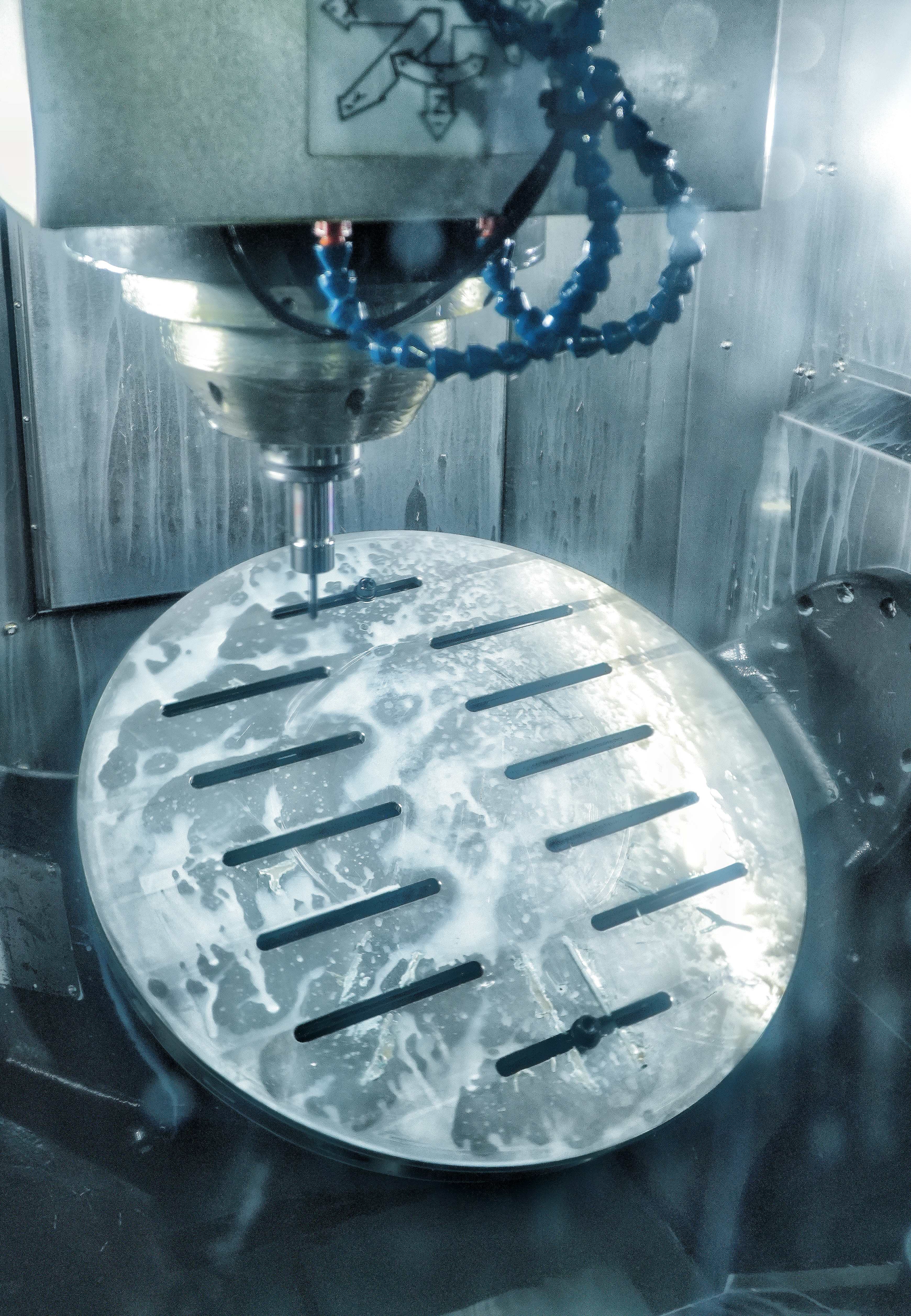
- Table: Ø630 mm with max workpiece dimensions of Ф700×400 mm and 850 kg load capacity
- Rotary Axes: A-axis +30° to -130°, C-axis 360°
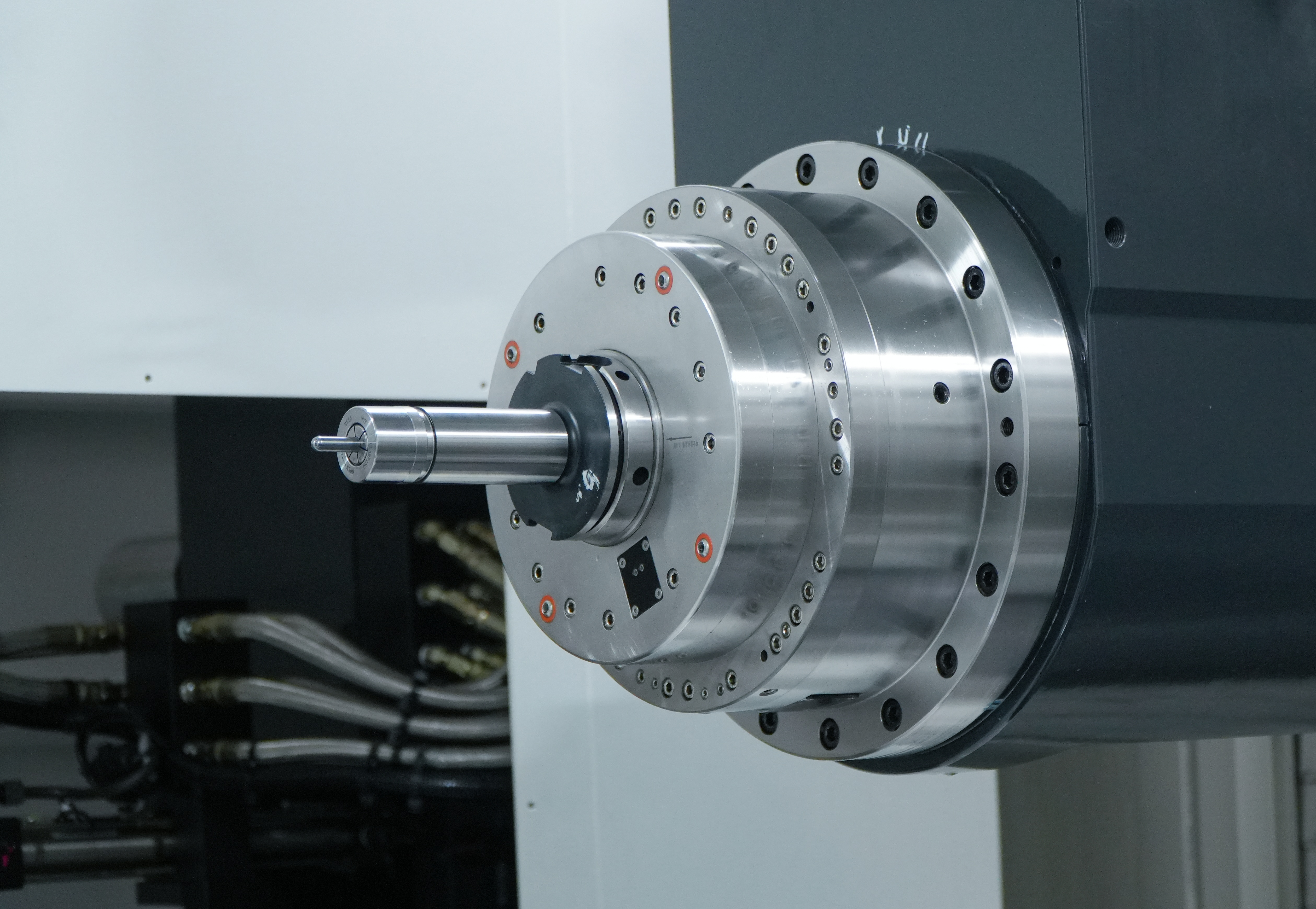
- Spindle: HSK-E63 interface, up to 24,000 rpm, 40 kW power, and significant torque (72/94 N·m S1/S6)
- Rapid Traverses: 45 m/min on linear axes, with fast rotary speeds
- Tool Magazine: 40 tools standard, supporting larger diameters and weights
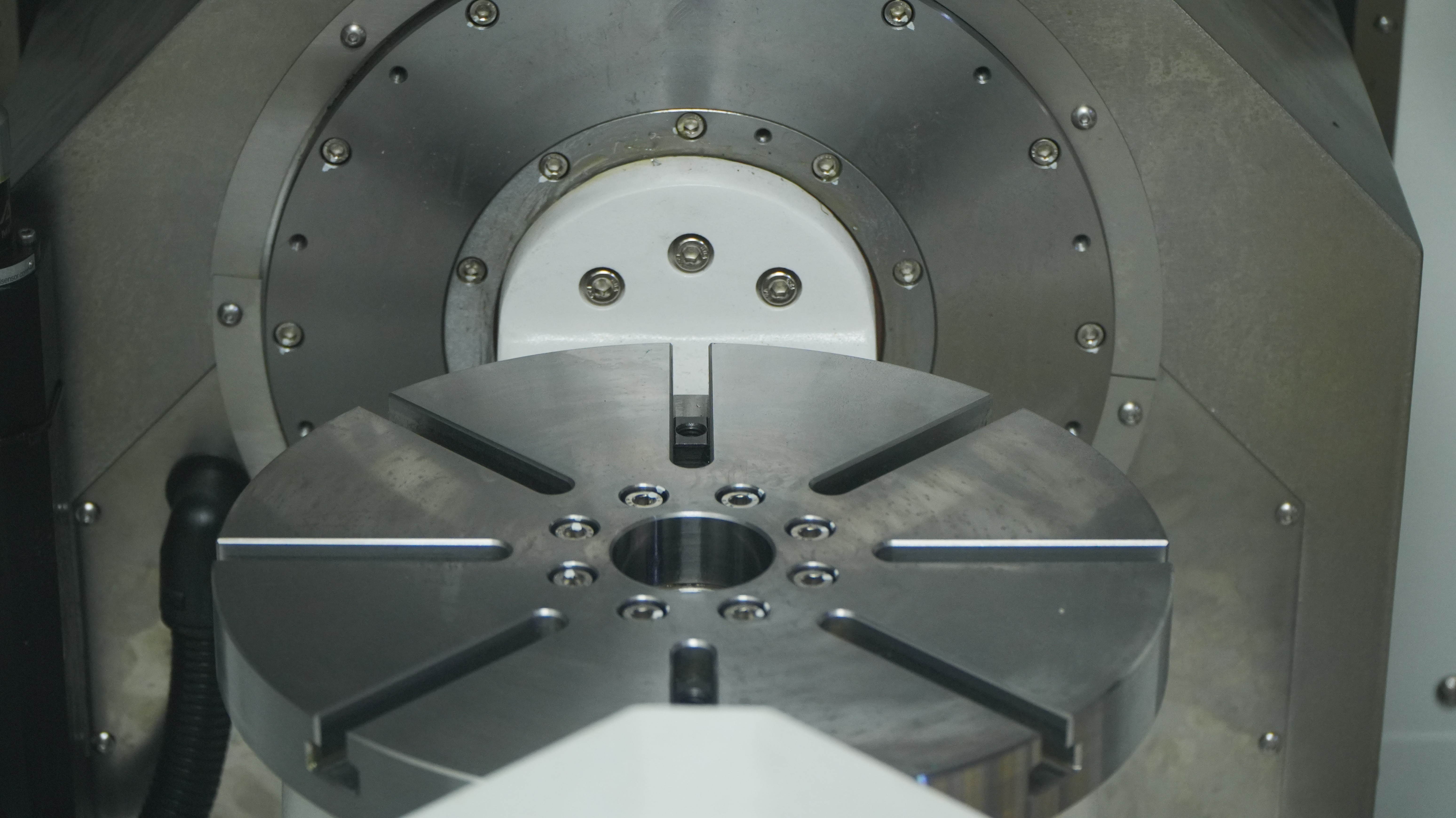
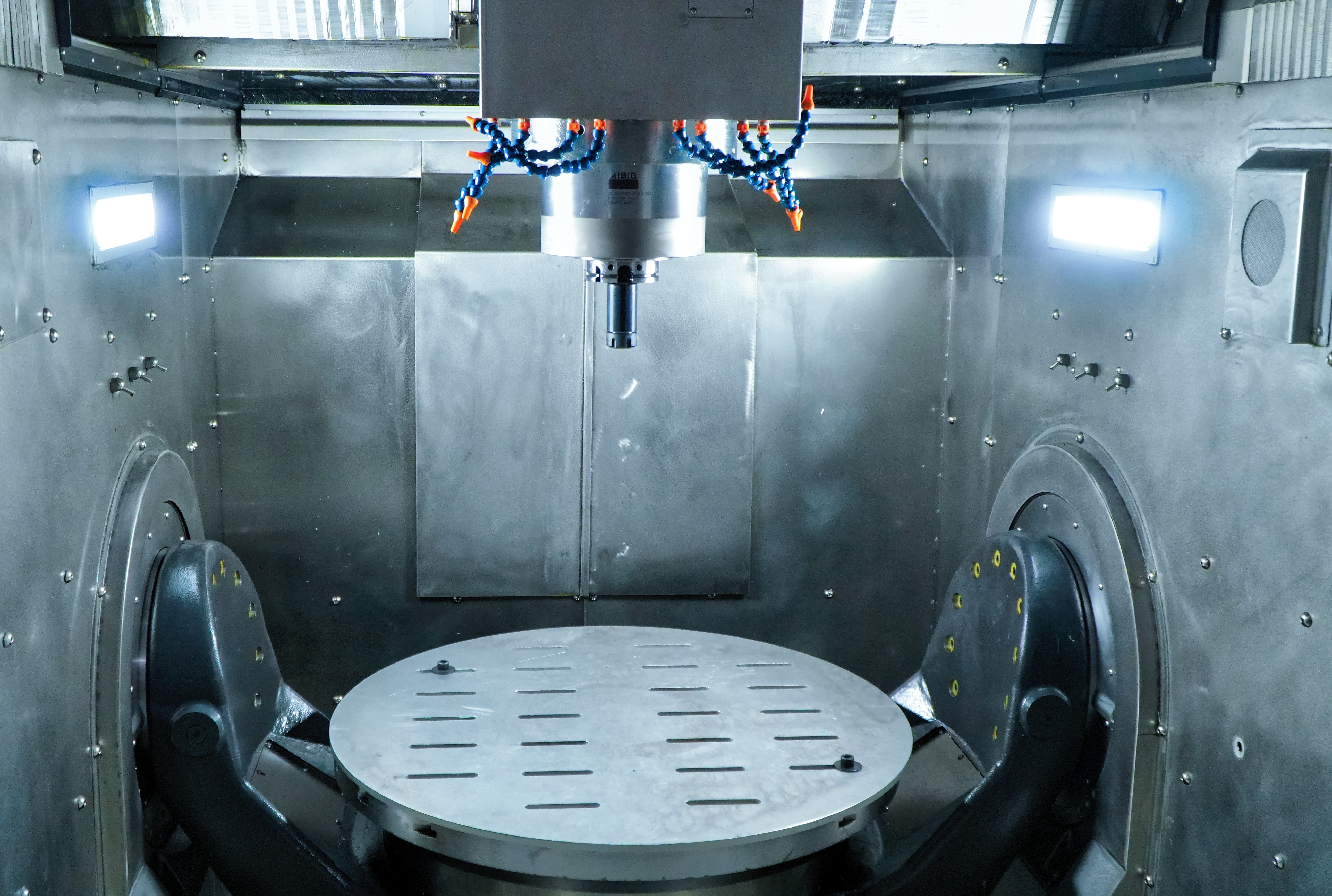
The machine features a dual-supported cradle rotary table with direct-drive motors and Heidenhain feedback for lasting precision. Dual-ball-screw Y-axis drive enhances dynamics, while full closed-loop control with high-resolution encoders ensures accuracy. A high-performance spindle cooling system maintains thermal stability.
Design emphasizes operator comfort and productivity: double-opening doors for easy access, large viewing windows, overhead loading capability, and fully enclosed guards with an overhead cover to manage oil mist. Standard Siemens CNC with RTCP, optional probing systems, tool setters, and advanced chip management make the G630 a complete solution for high-mix, high-precision production.
The G630 targets automotive, mechanical engineering, and aerospace users needing precision molds and complex components. Its finite element-optimized design, precision roller guides, and ball screws deliver the stability required for sustained high-speed operation without sacrificing accuracy.
Conclusion
As Industry 4.0 advances, high-speed 5-axis machines increasingly integrate with automation, real-time monitoring, and AI-driven optimization. Features like thermal compensation, adaptive control, and seamless CAD/CAM integration further boost uptime and consistency.
Investment in such technology yields strong returns through reduced labor, lower tooling costs, faster throughput, and superior part quality. For manufacturers facing skilled labor shortages and growing demand for customization, high-speed 5-axis machining is a competitive necessity.
In conclusion, high-speed 5-axis CNC technology, exemplified by advanced systems like the DEPU G630, empowers manufacturers to push the boundaries of what is possible. By combining multi-axis flexibility with rapid, precise cutting, these machines drive efficiency, innovation, and excellence across global industries. As material and design requirements grow more demanding, high-speed 5-axis solutions will continue to shape the future of precision manufacturing.