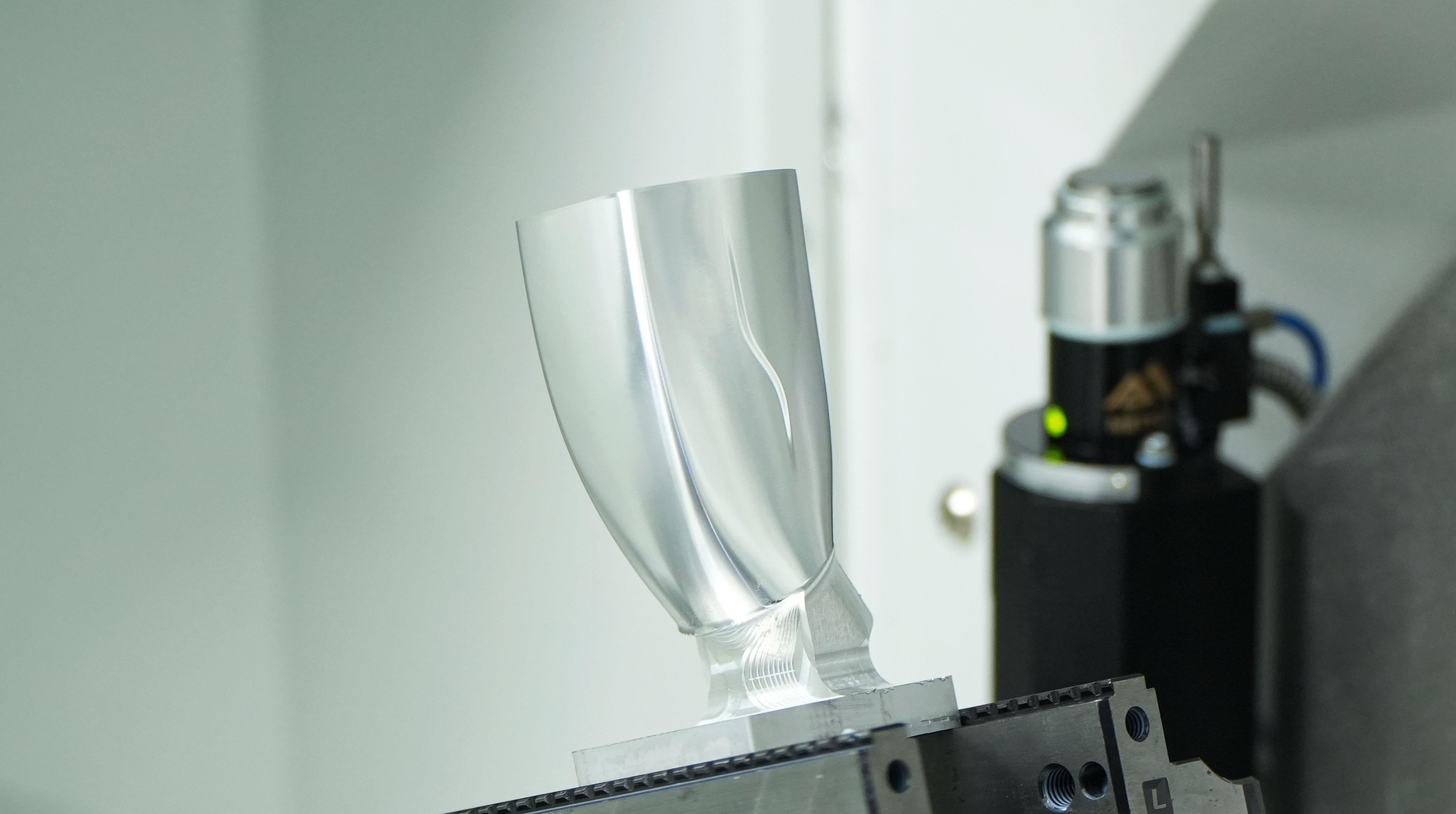

Understanding the fundamental differences between vertical milling machine and horizontal milling machine configurations is crucial for manufacturers selecting the right equipment for their production requirements. These two distinct milling machine orientations offer unique advantages and serve different machining applications, with the vertical milling machine featuring a spindle positioned perpendicular to the worktable, while horizontal machines orient the spindle parallel to the table surface.
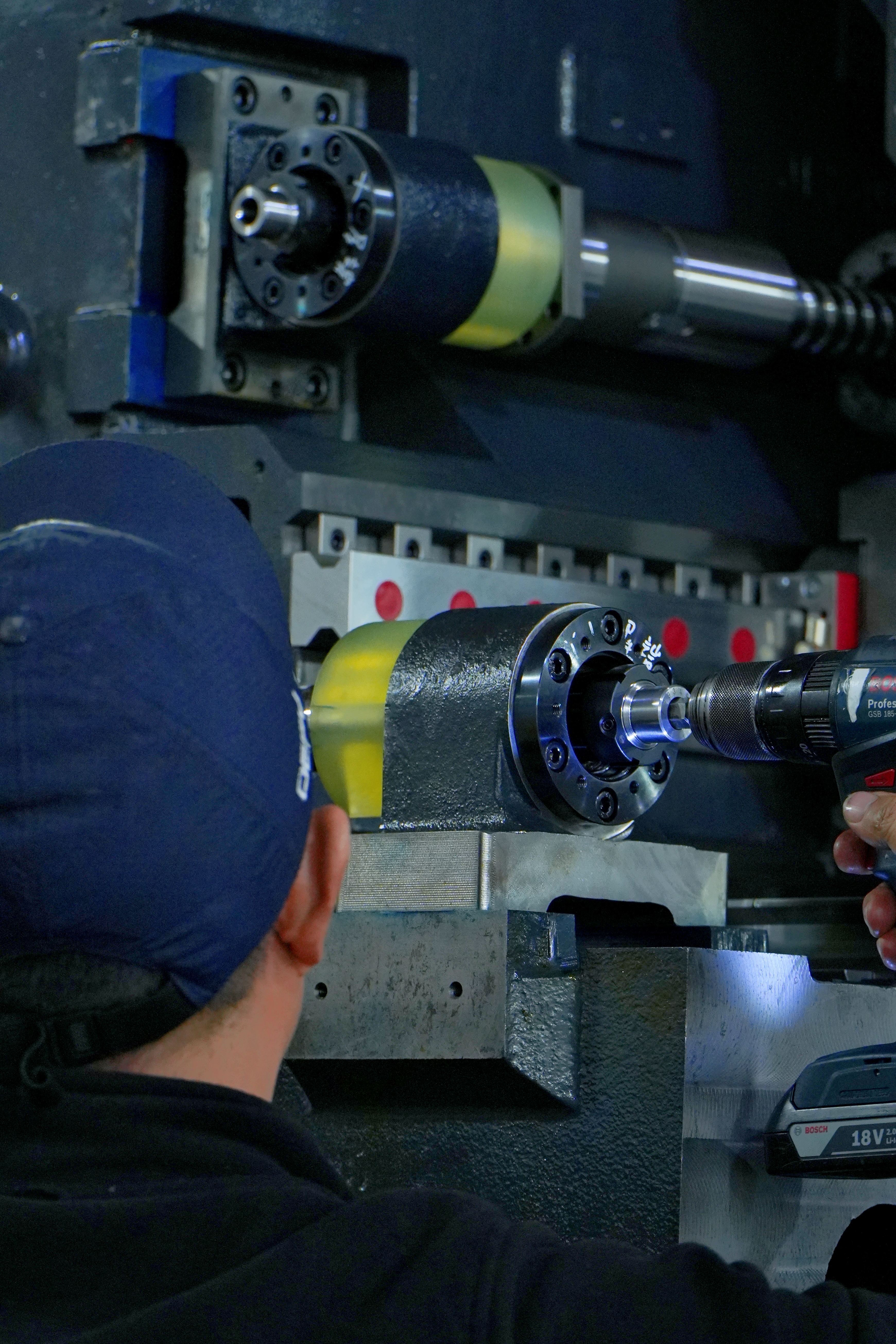
The choice between a vertical milling machine and horizontal milling machine directly impacts production efficiency, part quality, and operational capabilities in manufacturing environments. Each configuration presents specific advantages in terms of chip evacuation, workpiece accessibility, cutting force distribution, and overall machining performance, making the selection decision critical for optimizing manufacturing operations and achieving desired production outcomes.
Spindle Orientation and Basic Configuration Differences
Vertical Milling Machine Spindle Configuration
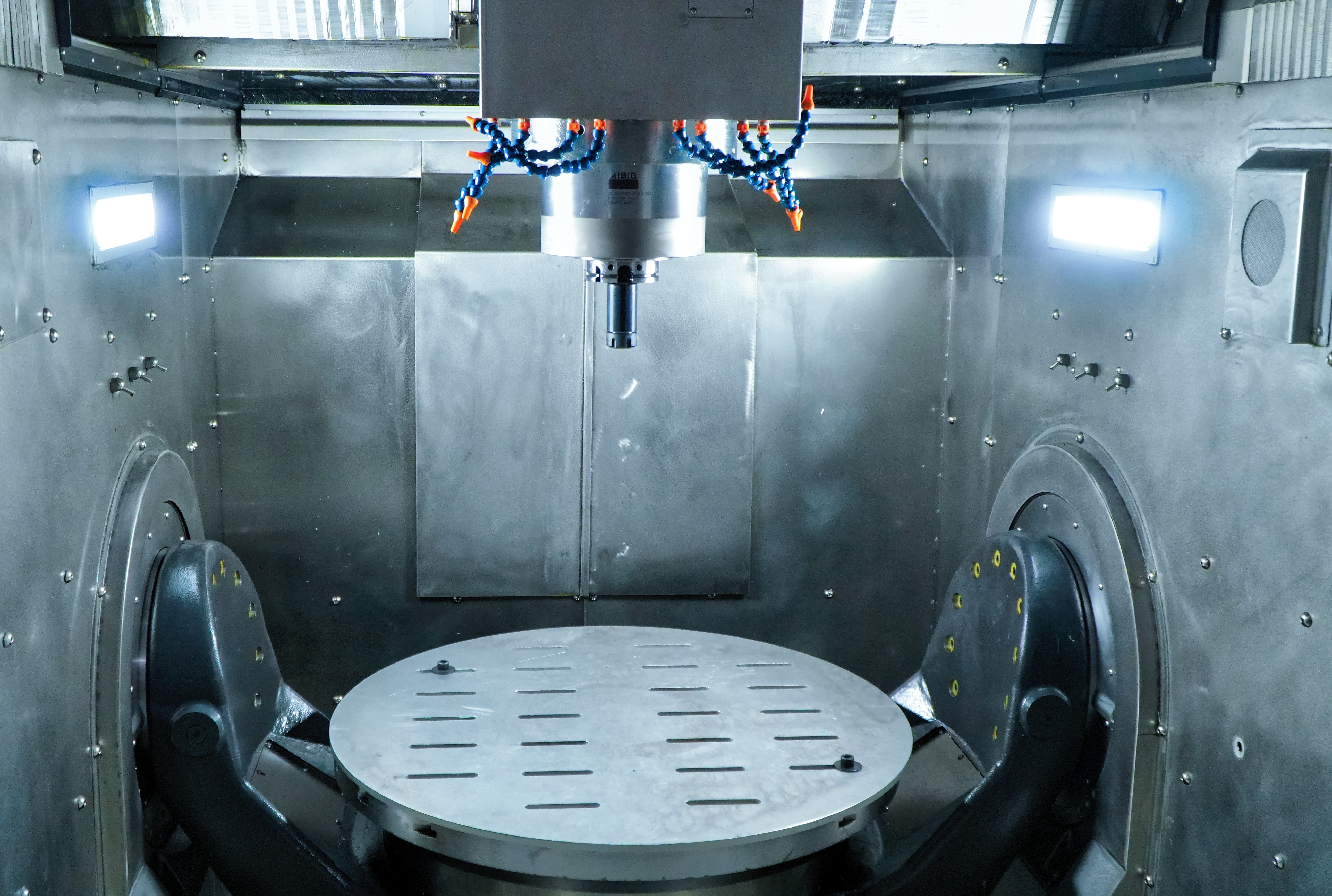
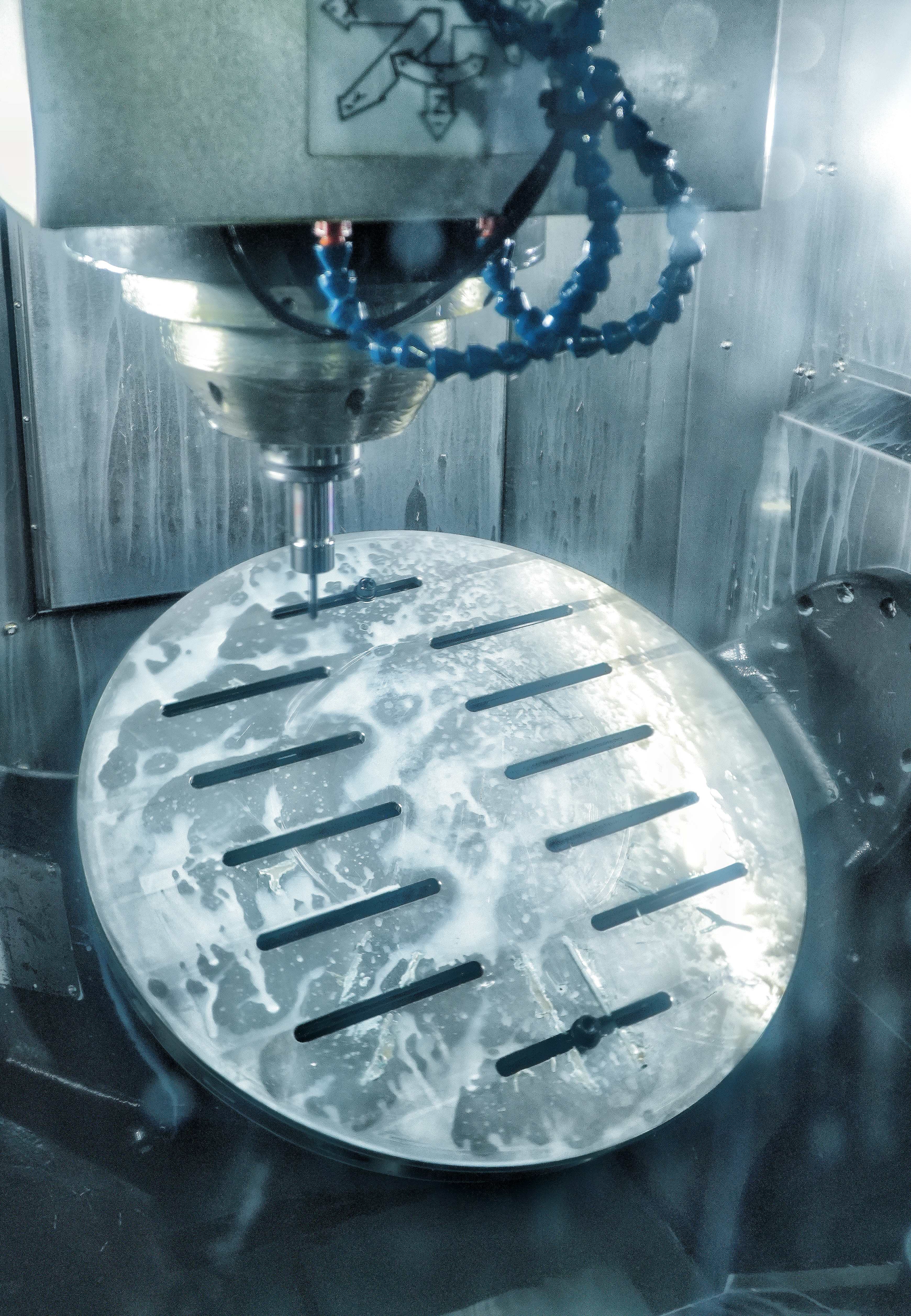
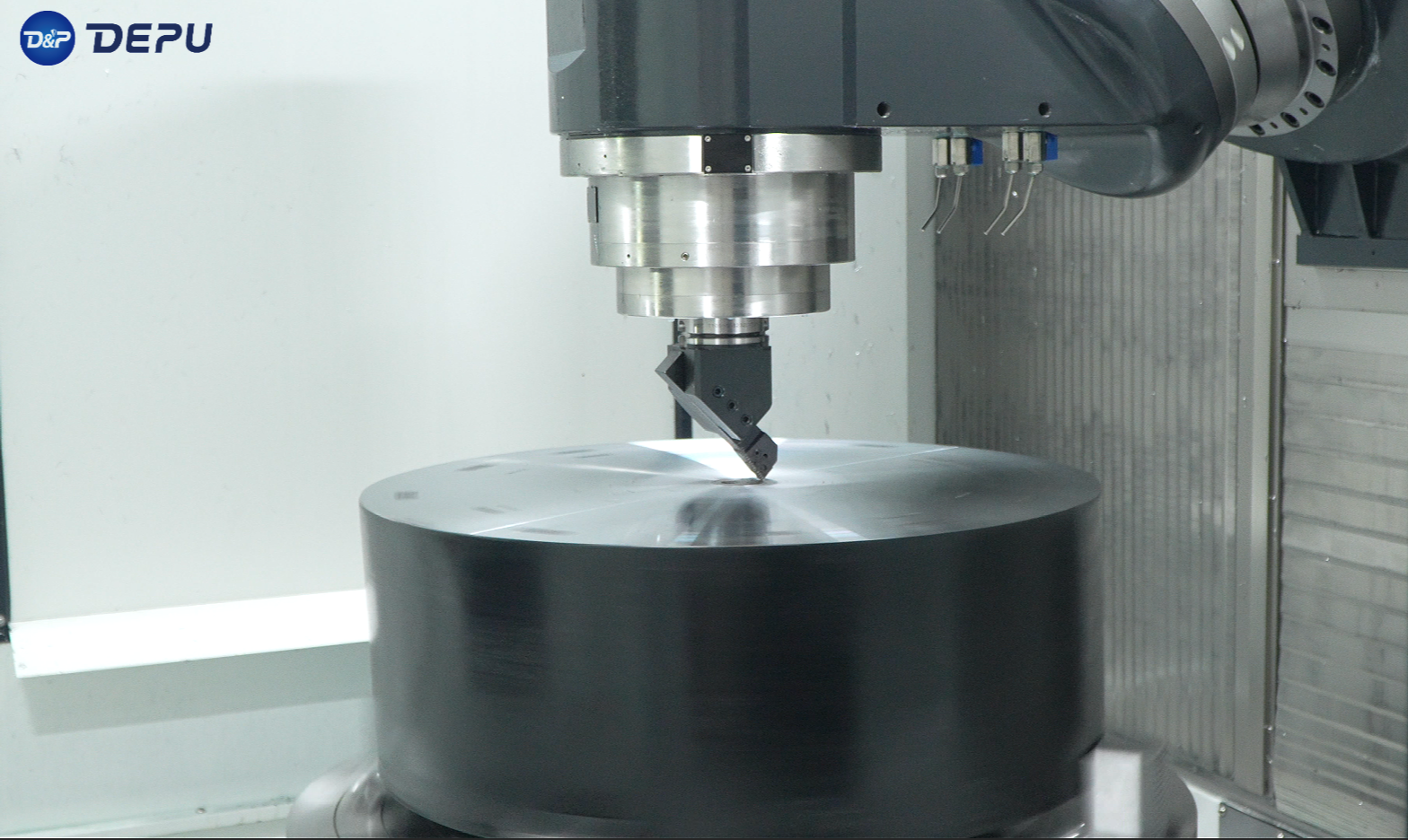
A vertical milling machine positions its spindle vertically, creating a perpendicular relationship between the cutting tool and the horizontal worktable surface. This configuration allows operators to observe the cutting process directly from above, providing excellent visibility for precision machining operations and complex part geometries. The vertical spindle arrangement facilitates easy tool changes and workpiece setup, as gravity naturally assists in securing workpieces against the table surface.
The vertical milling machine design typically incorporates a quill mechanism that enables vertical movement of the spindle assembly, offering additional flexibility for drilling, boring, and tapping operations. This quill feature distinguishes many vertical milling machine models from their horizontal counterparts, providing operators with enhanced control over cutting depth and engagement. The vertical orientation also allows for the installation of various spindle attachments and angle heads that can extend the machine's versatility.
Horizontal Milling Machine Spindle Arrangement
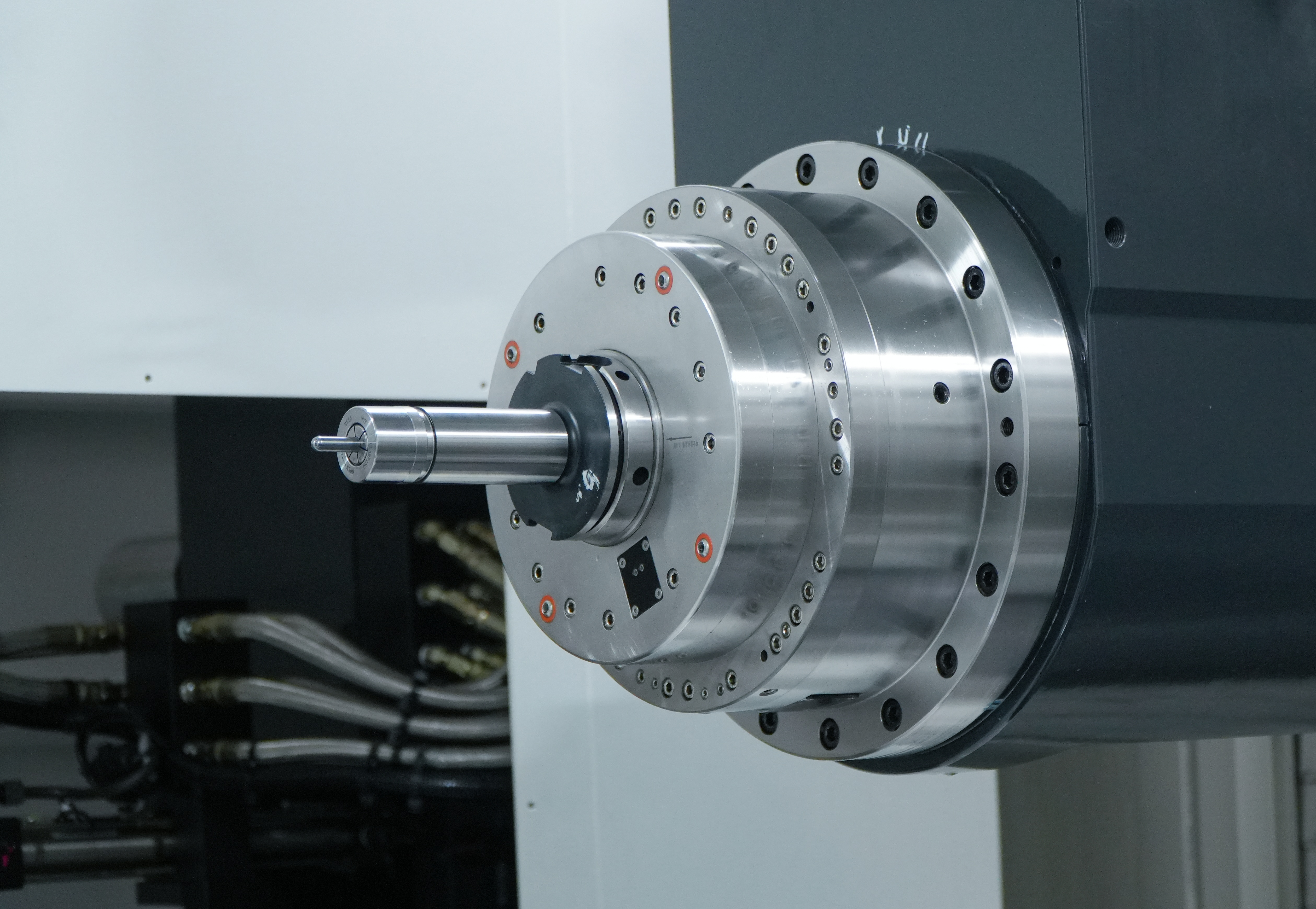
Horizontal milling machines feature spindles positioned parallel to the worktable, with the cutting tool extending horizontally toward the workpiece. This configuration provides superior chip evacuation capabilities, as gravity naturally pulls chips away from the cutting zone, reducing the risk of chip recutting and improving surface finish quality. The horizontal arrangement also enables the use of multiple cutting tools simultaneously through gang milling setups.
The horizontal spindle design typically incorporates an arbor system that supports cutting tools along their entire length, providing enhanced rigidity and reducing tool deflection during heavy cutting operations. This structural advantage makes horizontal machines particularly suitable for high-volume production runs and heavy material removal applications where cutting forces are substantial.
Workpiece Accessibility and Setup Considerations
Vertical Machine Accessibility Advantages
The vertical milling machine configuration offers superior workpiece accessibility from multiple angles, enabling operators to perform complex machining operations with relative ease. The open table design allows for easy workpiece loading and unloading, while the vertical spindle orientation facilitates the machining of intricate features such as pockets, slots, and contoured surfaces. This accessibility makes the vertical milling machine ideal for prototype development, small batch production, and custom machining applications.
Workpiece clamping on a vertical milling machine benefits from gravitational forces that help secure parts against the table surface, reducing the complexity of fixturing requirements. The ability to observe the cutting process from above also enables real-time adjustments and quality monitoring, contributing to improved machining accuracy and reduced scrap rates in precision applications.
Horizontal Machine Setup Characteristics
Horizontal milling machines require more specialized fixturing and workholding solutions due to the horizontal spindle orientation and the need to support workpieces against gravitational forces. The setup process typically involves more complex clamping arrangements and may require additional support structures for larger or irregularly shaped workpieces. However, this configuration enables the machining of multiple surfaces in a single setup through proper workpiece orientation.
The horizontal machine design often incorporates indexing tables or rotary fixtures that allow for multi-sided machining operations without workpiece repositioning. This capability significantly reduces setup time for complex parts and improves dimensional accuracy by maintaining consistent workpiece reference points throughout the machining cycle.
Cutting Performance and Material Removal Capabilities
Vertical Milling Machine Cutting Characteristics
A vertical milling machine excels in applications requiring precise control over cutting depth and surface finish quality, particularly for face milling and end milling operations. The vertical spindle orientation enables optimal chip formation and evacuation for many standard machining operations, though chip management can become challenging in deep pocket machining or when working with materials that produce long, stringy chips.
The cutting forces in a vertical milling machine are primarily directed downward into the worktable, providing excellent stability for most machining operations. This force direction also minimizes workpiece vibration and chatter, contributing to improved surface finish quality and dimensional accuracy. The vertical milling machine configuration proves particularly effective for operations requiring frequent tool changes and varied cutting parameters.
Horizontal Machine Material Removal Efficiency
Horizontal milling machines demonstrate superior material removal rates in heavy-duty production applications, thanks to their enhanced structural rigidity and ability to utilize longer, more robust cutting tools. The horizontal spindle arrangement allows for the use of larger diameter cutters and multiple cutting tools simultaneously, significantly increasing productivity in high-volume manufacturing environments.
The cutting forces in horizontal machines are distributed more evenly across the machine structure, enabling higher cutting speeds and feed rates without compromising stability. This characteristic makes horizontal machines particularly effective for rough machining operations, large part production, and applications requiring aggressive material removal rates.
Application Suitability and Industry Usage Patterns
Vertical Machine Application Strengths
The vertical milling machine finds extensive application in tool and die making, mold production, prototype development, and general machining shops where versatility and precision take precedence over production volume. These machines excel in applications requiring complex geometries, tight tolerances, and frequent setup changes, making them indispensable for custom manufacturing and low-volume production runs.
Industries such as aerospace, medical device manufacturing, and precision instrumentation rely heavily on vertical milling machine capabilities for producing intricate components with demanding accuracy requirements. The ability to perform drilling, tapping, boring, and contouring operations with a single machine setup makes the vertical configuration particularly valuable for shops with diverse machining requirements.
Horizontal Machine Production Advantages
Horizontal milling machines dominate high-volume production environments where efficiency and material removal rates are paramount. Automotive component manufacturing, heavy machinery production, and large-scale industrial applications benefit significantly from the horizontal machine's ability to maintain consistent production rates while handling substantial cutting loads.
The horizontal configuration proves especially valuable for gang milling operations, where multiple cutting tools work simultaneously to machine different features of the same workpiece. This capability, combined with excellent chip evacuation and reduced cycle times, makes horizontal machines the preferred choice for production lines requiring consistent, repeatable results at high volumes.
FAQ
Which type of milling machine offers better chip evacuation?
Horizontal milling machines provide superior chip evacuation due to gravity naturally pulling chips away from the cutting zone. This advantage reduces chip recutting, improves surface finish, and extends tool life, particularly in heavy material removal operations where large volumes of chips are generated.
Can a vertical milling machine handle the same workpiece sizes as a horizontal machine?
While both machine types are available in various sizes, horizontal milling machines typically accommodate larger and heavier workpieces more effectively due to their enhanced structural rigidity and support capabilities. Vertical machines excel with smaller to medium-sized parts requiring precision and versatility rather than maximum size capacity.
What factors should determine the choice between vertical and horizontal milling machines?
The decision should be based on production volume requirements, part complexity, material removal rates, available floor space, and operator skill levels. Vertical machines suit low-volume, high-precision applications, while horizontal machines excel in high-volume production with heavy material removal requirements.
Do vertical and horizontal milling machines require different operator training?
Yes, each configuration requires specific operator training due to different setup procedures, workholding methods, and safety considerations. Vertical machine operators need skills in top-down machining visualization, while horizontal machine operators must master more complex fixturing and multi-axis part orientation techniques.