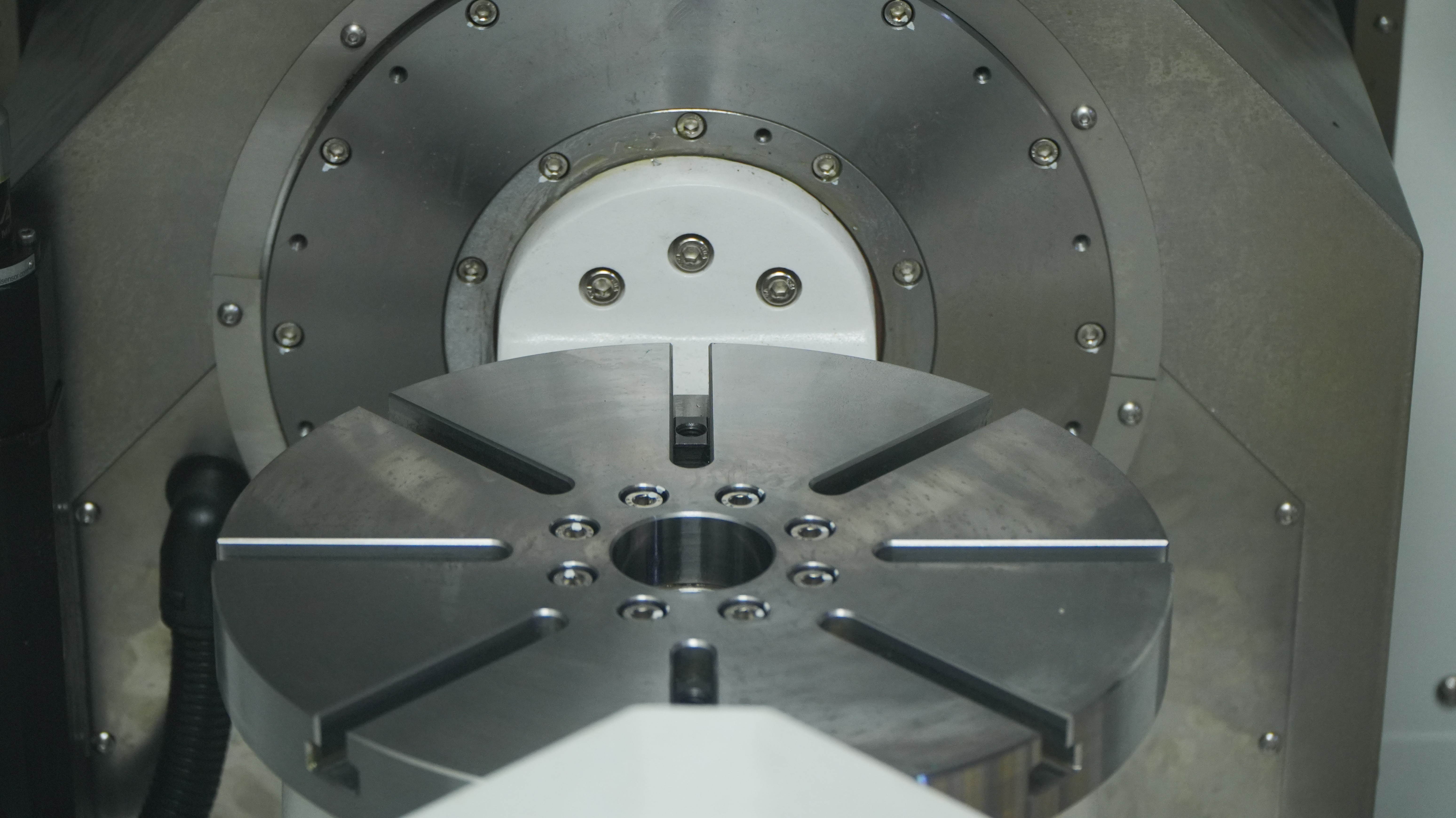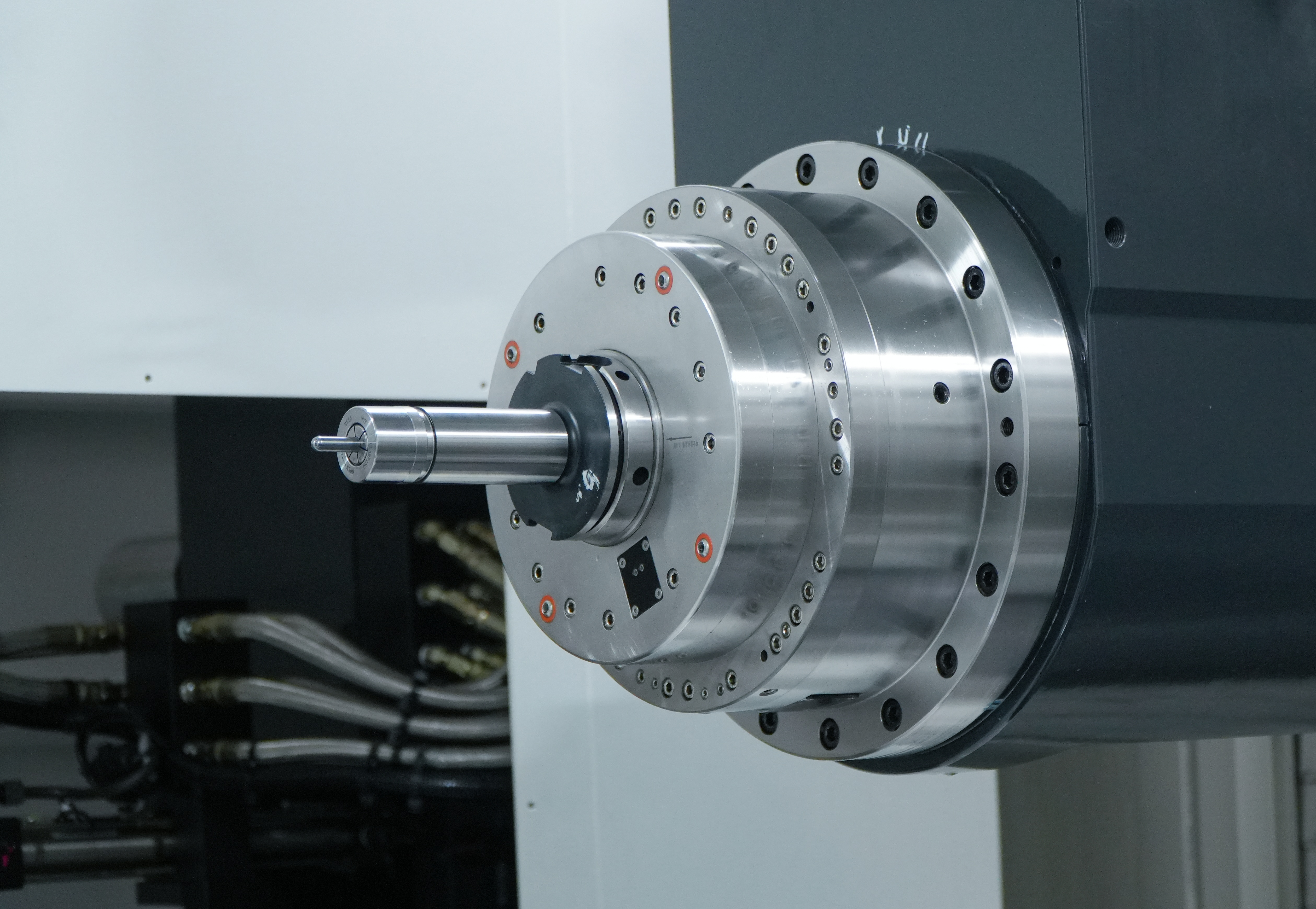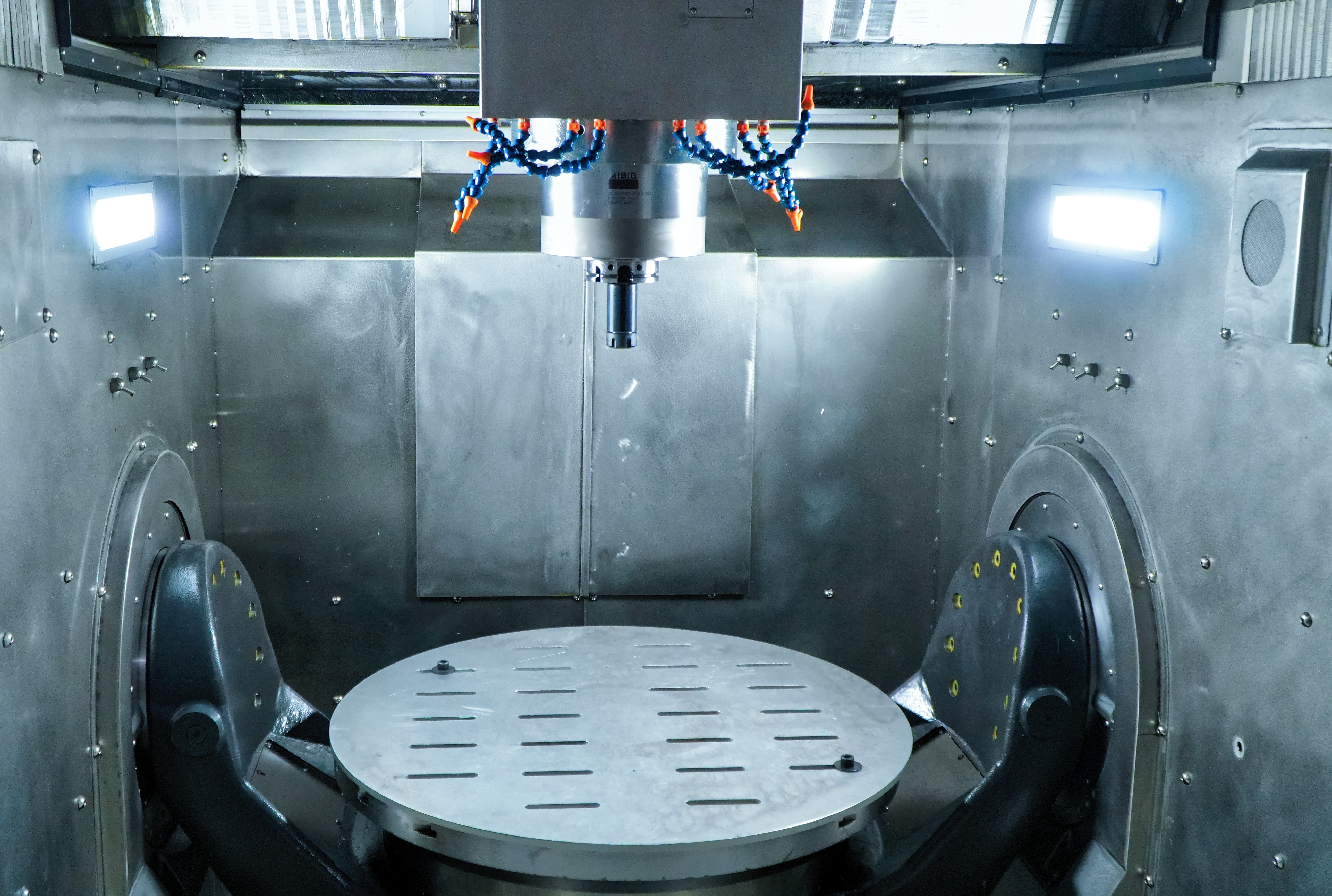

A Milling Machine is one of the most versatile and essential tools in modern manufacturing and machining environments. Whether you are setting up a new workshop, upgrading your production line, or simply trying to understand the landscape of metal and material cutting equipment, gaining a solid grasp of what a milling machine does — and how its various types serve different industrial needs — is a critical first step. From small job shops to large-scale aerospace facilities, the milling machine remains a cornerstone of precision fabrication across virtually every sector.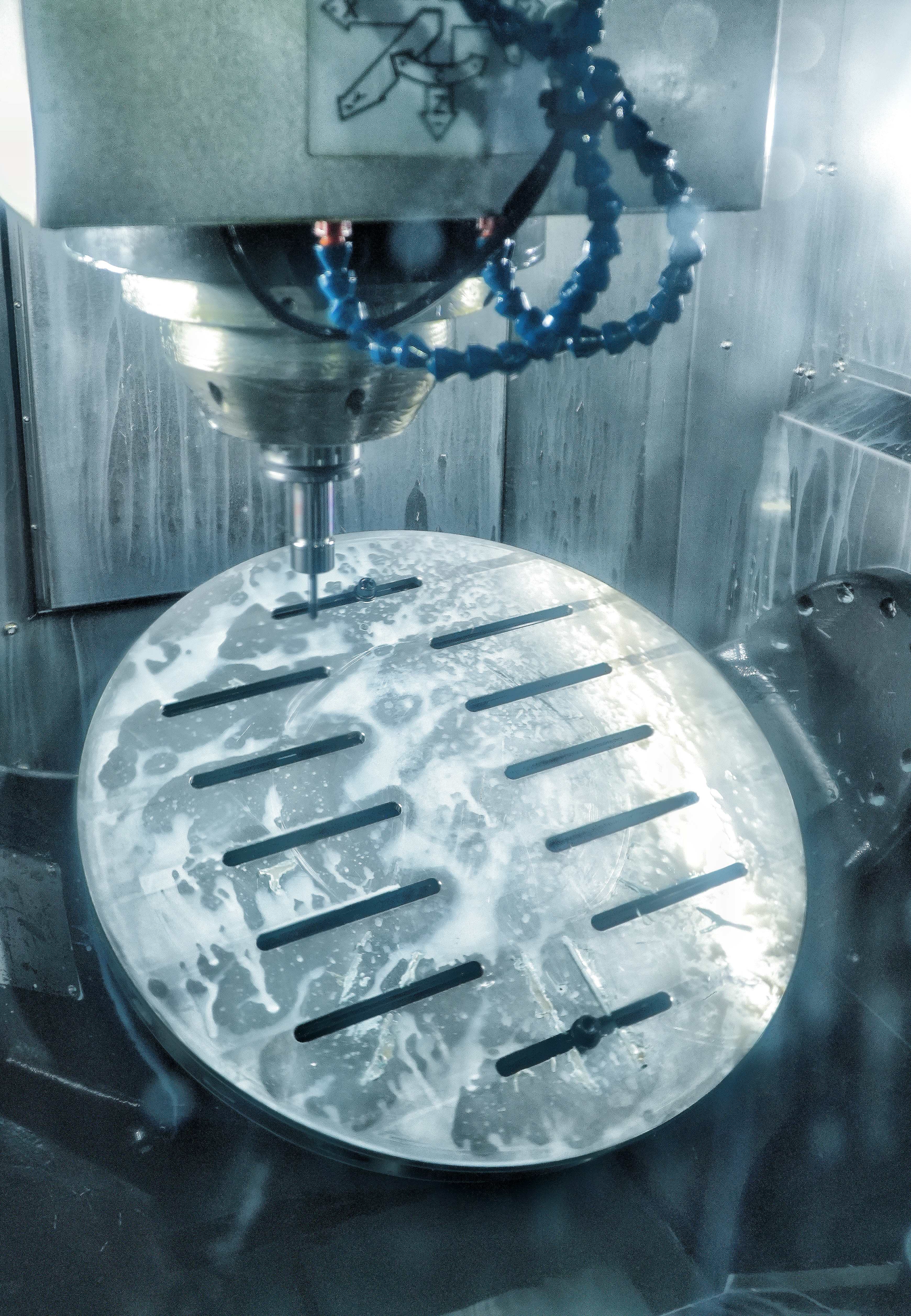
This guide covers the foundational knowledge every buyer, engineer, or operations manager should have before selecting, specifying, or operating a milling machine. We will break down the core types of milling machines, explore their primary industrial uses, and clarify what distinguishes one configuration from another. By the end of this article, you will have a clear picture of how this category of equipment works, where it applies, and what factors actually matter when evaluating a milling machine for your specific operational context.
What a Milling Machine Is and How It Works
The Core Operating Principle
A milling machine is a power-driven machine tool that uses rotating multi-point cutting tools to remove material from a workpiece. Unlike a lathe, where the workpiece rotates against a stationary cutting tool, a milling machine holds the workpiece stationary on a worktable while the cutter rotates at high speed. This fundamental difference gives the milling machine its characteristic ability to produce complex flat surfaces, slots, gear teeth, threads, and intricate three-dimensional profiles with exceptional accuracy.
The cutting tool on a milling machine — typically called a mill or end mill — engages the workpiece by moving along one or more axes simultaneously. Most conventional milling machines operate along three linear axes: X (longitudinal), Y (transverse), and Z (vertical). Advanced multi-axis milling machines introduce additional rotational axes, enabling the machining of highly complex geometries in a single setup. The ability to move across multiple axes at once is what makes the milling machine so indispensable for modern precision manufacturing.
Feed rate, spindle speed, depth of cut, and the type of cutting tool used are the primary variables that operators control on a milling machine. These parameters directly influence surface finish quality, dimensional accuracy, tool life, and material removal rate. Understanding these relationships is essential for anyone responsible for setting up or programming a milling machine in a production environment.
Key Components Every Operator Should Know
Every milling machine shares a common set of structural components that define its rigidity, accuracy, and capability. The column and base form the main structural body, providing the rigidity necessary to absorb cutting forces without deflection. The spindle holds and drives the rotating cutting tool, and its precision directly affects the surface quality a milling machine can achieve. The worktable, mounted on the knee or bed, holds the workpiece and moves along the X and Y axes to position material under the cutter.
The knee on a vertical knee-type milling machine moves vertically to adjust the height of the worktable relative to the spindle. On bed-type milling machines, the table moves only in the horizontal plane while the spindle head adjusts vertically. The arbor, used primarily on horizontal milling machines, is the shaft that holds gang cutters or side milling cutters. Each of these components contributes to the overall performance envelope of the milling machine and must be considered when evaluating a machine for a specific application.
Major Types of Milling Machines and Their Configurations
Vertical Milling Machines
The vertical milling machine is the most widely used configuration in job shops, tool rooms, and general manufacturing environments. In this design, the spindle axis is oriented vertically, meaning the cutter descends from above onto the workpiece lying flat on the worktable. This layout makes it intuitive to set up workpieces, observe the cutting action, and perform a wide range of operations including face milling, end milling, drilling, boring, and slot cutting.
Within the vertical milling machine category, two common sub-types exist: the turret mill and the bed mill. The turret mill — sometimes called a Bridgeport-style machine — features a stationary spindle with a table that moves in both X and Y, as well as a quill that allows the spindle to move vertically for drilling operations. The bed mill uses a fixed table that moves only along the X axis while the spindle head moves along the Y and Z axes. Bed mills generally offer greater rigidity for heavy-duty cuts, while turret mills offer more flexibility for lighter precision work.
Vertical milling machines are particularly well-suited for prototype work, mold making, and short-run production jobs where frequent setups and varied geometry are the norm. Their open working area and accessible spindle make them the preferred choice for operators who need maximum visibility and manual control during the machining process.
Horizontal Milling Machines
A horizontal milling machine orients its spindle axis horizontally, with cutting tools mounted on an arbor that extends outward from the spindle. This configuration excels at heavy stock removal, particularly when machining wide flat surfaces, slots, and stepped features using gang milling setups — where multiple cutters are mounted simultaneously on the same arbor. The horizontal milling machine generates cutting forces in a direction that is more naturally supported by the machine's structure, resulting in superior rigidity during aggressive cuts.
Horizontal milling machines are commonly found in high-volume production environments where the same operation is repeated across large quantities of parts. Industries such as automotive manufacturing, heavy equipment production, and general industrial fabrication rely on horizontal milling machines for consistent, high-throughput material removal. The ability to mount multiple cutters simultaneously significantly reduces cycle times compared to performing the same operations sequentially on a vertical milling machine.
Universal horizontal milling machines add the ability to swivel the worktable in the horizontal plane, enabling the machining of helical features such as gear teeth and spiral flutes. This added versatility made universal milling machines a staple in gear manufacturing and specialized tool shops for decades, and they remain relevant wherever helical geometry is required.
CNC Milling Machines
The computer numerical control (CNC) milling machine represents the most technologically advanced and widely deployed category of milling equipment in modern manufacturing. A CNC milling machine executes machining operations based on pre-programmed instructions, eliminating the need for manual control of each axis movement during cutting. This automation enables the consistent production of complex parts with tight tolerances, often unattainable through manual milling operations.
CNC milling machines range from 3-axis configurations — which move along X, Y, and Z — to sophisticated 5-axis platforms capable of tilting and rotating the workpiece or spindle head to machine compound angles and undercuts in a single setup. The elimination of multiple setups not only improves cycle time but also eliminates cumulative positioning errors that arise when parts are repositioned between operations. For industries demanding high geometric complexity and part-to-part consistency, the CNC milling machine is the definitive solution.
Programming a CNC milling machine requires either manual G-code writing or the use of computer-aided manufacturing (CAM) software, which translates 3D CAD models into toolpaths automatically. Modern CAM systems can generate optimized toolpaths that maximize material removal rates while protecting the cutter and maintaining surface quality. The integration of CNC milling machines with automation systems — including robotic part loading, in-process measurement, and automated tool changers — has made fully lights-out manufacturing a practical reality for many high-volume producers.
Specialized Milling Machine Configurations
Beyond the three primary categories, several specialized milling machine configurations address niche manufacturing requirements. The planer-type milling machine — also called a plano-miller — is a large-scale machine designed for machining very large workpieces such as machine tool beds, engine blocks, and structural fabrications. These machines feature a wide, long worktable that traverses under fixed or multiple milling heads, enabling the simultaneous processing of large surface areas with high productivity.
The profile milling machine is designed to produce contoured surfaces by following a master template or executing a digitally defined 3D profile. It is widely used in die and mold manufacturing, aerospace component production, and the fabrication of turbine blades and automotive stamping dies. The thread milling machine, as the name suggests, specializes in producing internal and external threads with a rotating milling cutter rather than a tap or die, offering advantages in thread quality, flexibility, and the ability to machine threads in difficult materials.
Primary Industrial Uses of a Milling Machine
Precision Parts Manufacturing
The milling machine is the backbone of precision parts manufacturing across industries including aerospace, medical devices, electronics, and defense. These sectors demand components with tolerances measured in microns, complex geometric features, and surface finishes that often cannot be achieved through any other machining process. A well-configured milling machine running optimized toolpaths and precision tooling can hold dimensional tolerances of plus or minus a few thousandths of an inch consistently across production batches.
In aerospace manufacturing, milling machines produce structural aircraft components such as frames, ribs, spars, and fuselage panels from aluminum, titanium, and high-strength alloys. The milling machine's ability to remove large volumes of material while maintaining precise dimensions makes it the primary machining process for these weight-critical, structurally demanding parts. Medical device manufacturing relies on milling machines to produce implants, surgical instruments, and device housings from stainless steel, cobalt-chrome, and titanium to exacting biocompatibility and dimensional standards.
Tooling, Die, and Mold Production
Toolmakers and die shops have long depended on the milling machine as their primary production tool. Injection molds, die casting dies, stamping dies, and forging dies all require the precise machining of hardened steel or pre-hardened tool steel into complex cavity and core geometries. The milling machine — particularly a high-speed 5-axis CNC milling machine — handles the majority of material removal in mold and die production, often followed by grinding and electrical discharge machining for final finishing.
The economics of tooling production make milling machine efficiency critically important. A single injection mold can represent a capital investment of tens of thousands of dollars, and the time required to mill it out directly impacts project profitability and lead time. Advances in high-speed milling machine technology, combined with superior cutting tool materials such as carbide and ceramic inserts, have dramatically reduced the time required to machine complex mold cavities while improving the surface quality of the finished tool.
General Fabrication and Job Shop Work
Job shops and general fabrication facilities depend on the milling machine for the widest variety of tasks. Squaring up bar stock, drilling and boring holes to precise locations, cutting keyways, surfacing castings, and producing one-off custom components are all routine tasks on the shop floor that call for a versatile milling machine. The machine's ability to handle diverse materials — including steel, aluminum, brass, copper, plastics, and composites — makes it equally at home in a metal shop or a plastics fabrication facility.
Repair and maintenance machining is another critical use case for the milling machine in industrial environments. When worn or damaged machine components need to be resurfaced, reslotted, or modified to restore function, the milling machine is typically the first piece of equipment reached for. Its combination of precision, versatility, and accessibility makes it irreplaceable in maintenance shops, naval shipyards, mining operations, and anywhere heavy industrial equipment must be kept running.
Selecting the Right Milling Machine for Your Application
Evaluating Workpiece Requirements
The single most important step in selecting a milling machine is a clear analysis of the workpieces you intend to produce. Part size, material, geometric complexity, required tolerances, and expected production volume all directly inform the type, size, and configuration of milling machine that will serve you best. A shop producing large aluminum structural components will have fundamentally different milling machine requirements than one producing small, intricate stainless steel medical components in high volumes.
Material hardness and machinability are particularly important factors. Milling machines designed for aluminum — which is relatively soft and generates high chip volumes — require high spindle speeds and large chip clearance. Milling machines intended for hardened tool steels or titanium must offer higher torque at lower spindle speeds, superior rigidity, and robust thermal management to handle the extreme cutting forces and heat generation involved. Specifying a milling machine without accounting for material properties is one of the most common and costly mistakes buyers make.
Automation Level and Production Volume Considerations
The appropriate level of automation for a milling machine depends heavily on production volume, part complexity, and available skilled labor. For low-volume prototype work or one-off custom parts, a manual or semi-CNC milling machine may offer the most cost-effective and flexible solution. Operators can make real-time adjustments, deal with unexpected material variations, and work through complex setups without the overhead of CNC programming and fixturing.
For medium to high-volume production, a full CNC milling machine with automatic tool changers, in-process probing, and pallet changers dramatically reduces per-part cycle times and improves consistency. The upfront investment in a CNC milling machine is offset by reduced labor costs, higher throughput, and lower scrap rates over the life of the machine. For the highest volumes, integrating milling machines into automated manufacturing cells — with robotic tending and statistical process control — delivers the lowest cost per part and the highest consistency achievable with current technology.
FAQ
What is the main difference between a vertical and horizontal milling machine?
The primary difference lies in the orientation of the spindle axis. A vertical milling machine has its spindle pointing downward, making it ideal for face milling, end milling, and drilling operations on workpieces lying flat on the table. A horizontal milling machine has its spindle oriented horizontally, which is better suited for heavy stock removal, gang milling operations, and slotting tasks. The choice between the two depends on the type of work being performed, the material involved, and the production volume required.
Can a milling machine be used for materials other than metal?
Yes, a milling machine can process a wide range of materials beyond metal, including engineering plastics, composites, wood, foam, and certain ceramics. The cutting tools, spindle speeds, feed rates, and coolant strategies must be adjusted for each material type. Plastics and composites, for example, typically require higher cutting speeds and sharp tooling to avoid melting or delamination, while wood can be milled at very high speeds with specialized router-type cutters. The fundamental operating principle of the milling machine remains the same regardless of the material being cut.
What does 5-axis mean on a CNC milling machine?
A 5-axis CNC milling machine can move along five different axes simultaneously: the three standard linear axes (X, Y, Z) plus two additional rotational axes (typically labeled A and B or A and C). This capability allows the milling machine to approach the workpiece from virtually any angle without repositioning, enabling the machining of complex undercuts, compound angles, and sculptured surfaces in a single setup. Five-axis milling machines are widely used in aerospace, mold making, and medical device manufacturing where geometric complexity and setup reduction are critical priorities.
How often does a milling machine require maintenance?
Maintenance frequency for a milling machine depends on how intensively it is used, the materials being cut, and the machine's design. Daily maintenance typically includes cleaning chips from the worktable and guideways, checking and topping up way oil levels, and inspecting cutting tools for wear. Weekly or monthly maintenance may involve checking spindle bearings for play, inspecting ball screws and guideways for wear, verifying axis backlash, and checking coolant concentration. Following the manufacturer's recommended maintenance schedule is essential to preserving the accuracy, reliability, and service life of any milling machine.