
A cnc machine is one of the most valuable assets on any modern manufacturing floor, and keeping it in peak operating condition is not simply a recommendation — it is a competitive necessity. When a cnc machine runs well, production stays on schedule, tolerances remain tight, and operational costs stay predictable. But when maintenance is neglected, even the most sophisticated equipment can degrade quickly, leading to unplanned downtime, scrapped parts, and costly repairs that could have been avoided entirely.
This article delivers practical, proven cnc machine maintenance tips that actually work in real industrial environments. Whether you manage a single cnc machine in a job shop or oversee a full fleet of machining centers in a high-volume facility, the principles covered here apply directly. The focus is not on theoretical best practices but on actionable maintenance habits that protect your investment, extend machine life, and support consistent part quality across every production run.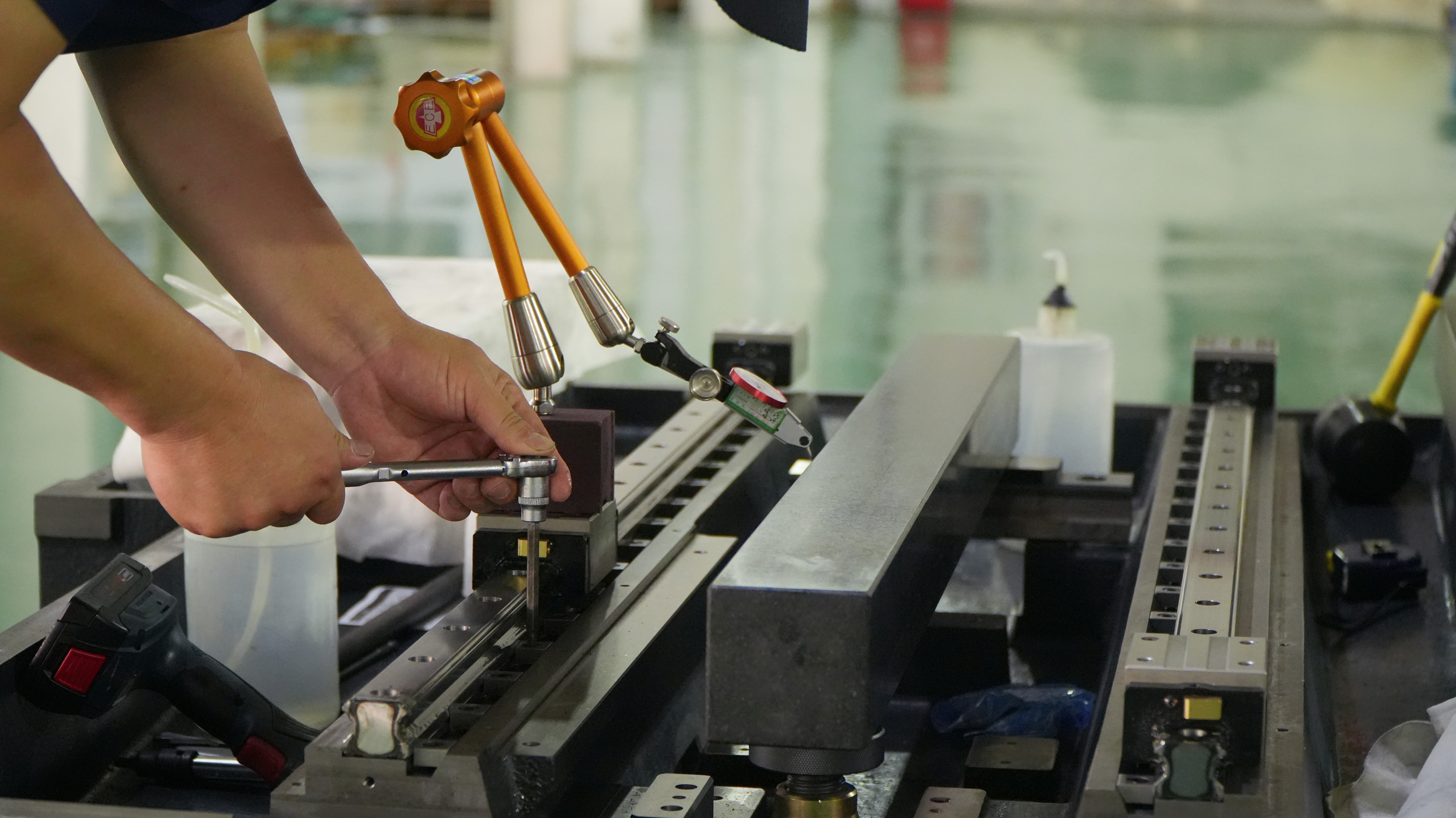
Understanding Why Consistent Maintenance Matters for a CNC Machine
The Hidden Cost of Reactive Maintenance
Many facilities still operate on a reactive maintenance model — fixing problems only after they appear. While this approach may seem cost-efficient in the short term, it consistently proves more expensive over time. A cnc machine that suffers a spindle failure due to inadequate lubrication, for example, may require days or even weeks of downtime, plus significant repair costs. Reactive strategies also make production planning nearly impossible because failures are unpredictable by definition.
A single unplanned cnc machine failure can ripple across an entire production schedule, delaying customer deliveries and straining operator capacity. The financial impact goes well beyond the repair bill itself. Lost throughput, expedited shipping charges, and damaged customer relationships all accumulate quickly. Proactive maintenance is not just about machine health — it is about protecting business continuity.
Shifting from reactive to preventive maintenance requires upfront investment in time and process development, but the return is measurable. Facilities that implement structured cnc machine maintenance programs typically report higher machine availability, lower per-part costs, and more stable quality output. The data from your own shop floor will confirm this pattern once a disciplined maintenance schedule is in place.
How Machine Condition Affects Part Quality
A well-maintained cnc machine holds tolerances with precision and repeatability. As mechanical components wear — whether due to contaminated coolant, dry guideways, or a misaligned spindle — dimensional accuracy begins to drift. In precision industries such as aerospace, medical device manufacturing, or automotive components, even small deviations can render parts unusable. The relationship between machine condition and output quality is direct and measurable.
Vibration caused by worn bearings or improperly balanced toolholders can introduce surface finish defects that are difficult to trace back to their source without a systematic inspection process. Operators may notice chatter marks or inconsistent finishes and attribute them to cutting parameters, when the actual root cause is mechanical degradation inside the cnc machine itself. Regular maintenance inspections catch these issues before they become quality problems.
Maintaining a cnc machine in good mechanical health also means your programming team and operators can trust the machine's output. When equipment is unreliable, programmers compensate with overly conservative feeds and speeds, reducing productivity unnecessarily. A healthy cnc machine enables the team to run at optimal parameters with confidence, maximizing both throughput and quality simultaneously.
Daily and Weekly CNC Machine Maintenance Practices
Start-of-Shift Checks That Prevent Failures
The most effective cnc machine maintenance habits begin before the first cut is made each shift. A structured pre-shift inspection takes only a few minutes but creates an opportunity to identify developing issues before they cause production problems. Operators should visually inspect the machine for any signs of fluid leaks, unusual residue around the spindle, or debris accumulation in the work envelope. These observations, logged consistently, create a valuable maintenance history.
Checking coolant levels and concentration is a daily necessity. Coolant that is too dilute loses its lubricating and heat-transfer properties, which accelerates tool wear and can damage the spindle on a cnc machine over time. Checking and maintaining proper coolant concentration with a refractometer is a simple habit with significant consequences when neglected. Coolant should also be inspected for odor and color changes that signal bacterial contamination or tramp oil buildup.
Air pressure and filter condition should be verified before every shift on any cnc machine that uses pneumatic systems for tool changes, workholding, or chip evacuation. Low or fluctuating air pressure causes erratic tool clamping behavior and can lead to tool pull-out during heavy cuts. Moisture in the air lines is equally damaging. Draining water separators and checking filter condition takes seconds and prevents a category of failures that are frustratingly common in poorly maintained facilities.
Lubrication Schedules That Protect Critical Components
Lubrication is the single most impactful maintenance variable for the mechanical longevity of a cnc machine. Linear guideways, ball screws, and bearing systems depend on consistent, correctly specified lubrication to function without excessive wear. Most modern machining centers include automatic lubrication systems, but these systems themselves require periodic inspection to confirm they are functioning and that reservoirs are adequately filled.
Many operators assume that because a cnc machine has an automatic lubrication system, no manual attention is needed. This is a common and costly misconception. Auto-lube systems can develop blocked lines, failed pump mechanisms, or depleted reservoirs without triggering any alarm on the control panel. A periodic manual check of lube delivery points — looking for actual lubricant presence on guideways and ball screw nuts — confirms the system is working as intended.
Spindle lubrication and bearing health on a cnc machine require particular attention because spindle repair is among the most expensive service interventions in machine tool maintenance. Following the manufacturer's spindle warm-up protocol, especially in cooler environments, reduces thermal shock to bearing assemblies. Monitoring spindle noise and vibration patterns over time helps identify bearing wear early, when the repair is still manageable and the spindle can be serviced before a catastrophic failure occurs.
Mechanical Inspection and Geometric Calibration
Inspecting Axes, Guideways, and Drive Systems
Periodic mechanical inspection of a cnc machine goes beyond visual checks and requires physically testing axis movement, backlash, and drive system behavior. Running diagnostic programs that move each axis through its full travel range helps identify binding, irregular motion, or unusual sounds that indicate developing mechanical issues. Many CNC control systems include built-in diagnostic routines specifically designed to assess axis health and servo performance.
Backlash in ball screws is a normal result of mechanical wear, and it accumulates gradually over the operational life of a cnc machine. Measuring backlash at regular intervals — using a dial indicator against a fixed reference — allows the maintenance team to track wear trends and schedule ball screw replacement at a planned time rather than reacting to a sudden accuracy failure. Most manufacturers publish acceptable backlash tolerances that serve as a useful benchmark for this measurement.
Guideway surfaces on a cnc machine should be inspected for scoring, pitting, or contamination during scheduled maintenance intervals. Even with automatic lubrication systems in place, metal chips or abrasive particles can occasionally reach guideway surfaces and cause accelerated wear. Cleaning guideways carefully and confirming lubricant film presence during quarterly or semi-annual maintenance visits is a straightforward step that significantly extends the service life of these precision components.
Geometric Accuracy Checks and Spindle Verification
Geometric accuracy is the foundation of a cnc machine's ability to produce dimensionally correct parts. Over time, thermal effects, mechanical wear, and even minor collisions can alter the geometric relationships between machine axes. Performing periodic geometric checks — including squareness of axes, flatness of travel, and spindle runout — with appropriate metrology equipment confirms whether the machine is still within its specified accuracy envelope.
Spindle runout measurement is particularly important for any cnc machine performing precision boring, reaming, or finish milling operations. Excessive spindle runout directly increases effective tool diameter variation, causing oversize bores and inconsistent surface finishes. A simple test indicator and spindle test bar provide the data needed to determine whether the spindle is within acceptable parameters or requires service attention.
If a cnc machine has experienced even a minor collision — a tool dragged through a fixture, for example — a geometric verification check should be performed before returning the machine to production. Collisions can shift geometric relationships in ways that are not immediately obvious from visual inspection. Catching geometric errors early, before they produce a batch of out-of-tolerance parts, is the kind of disciplined process that separates professionally managed facilities from reactive shops.
Electrical, Control, and Software Maintenance
Keeping Electrical Systems Clean and Reliable
The electrical systems of a cnc machine are sensitive to dust, humidity, and temperature fluctuations in ways that purely mechanical systems are not. Electrical cabinets on machining centers accumulate fine metallic dust and coolant mist over time, both of which can cause insulation degradation, short circuits, and control failures. Periodic inspection and cleaning of electrical cabinets — with appropriate compressed air or vacuum tools and proper lockout-tagout procedures — should be included in any comprehensive maintenance program.
Servo drives, VFDs, and control boards on a cnc machine are particularly vulnerable to heat-related failures when cabinet cooling fans become clogged with debris. Checking fan operation and filter condition in control cabinets is a simple task that prevents one of the more common causes of unexpected machine downtime. Replacing cooling filters on the manufacturer's recommended schedule is inexpensive insurance against heat-related electronics failures.
Checking cable condition in areas of repeated motion — such as drag chains and pendant cables — is another maintenance task that is easy to overlook until a broken conductor causes an intermittent fault that is difficult to diagnose. Inspecting cable insulation and connector integrity during scheduled maintenance visits catches mechanical fatigue in wiring before it produces a production-interrupting failure on a cnc machine that is in the middle of a critical job.
Software Backups and Control Parameter Management
A cnc machine control stores a considerable amount of critical configuration data — machine parameters, tool offset tables, work coordinate systems, and user macros — that represents months or years of setup work. Backing up this data regularly is a maintenance practice that is frequently neglected until a control board failure wipes everything and the recovery process reveals the full cost of not having a recent backup. Most CNC controls support data backup via USB, network connection, or compact flash media.
Establishing a regular backup schedule — at minimum after any significant parameter change and on a fixed monthly basis — protects a cnc machine's operational setup data against control hardware failures. Storing backups in at least two separate physical locations, including one off-site or cloud-based option, ensures that a facility fire, flood, or theft event does not compound a hardware failure with a complete data loss.
Keeping control software and firmware up to date on a cnc machine is also a maintenance consideration that has grown more important as modern machining centers rely increasingly on networked systems and advanced software features. Manufacturer-released firmware updates sometimes address known stability issues or security vulnerabilities. Following a deliberate update process — testing on a non-critical machine first, if possible — keeps control software reliable without introducing new risks into a production environment.
Building a Sustainable Maintenance Culture Around Your CNC Machine
Operator Involvement and Ownership
The most technically sophisticated maintenance program will underperform if the operators who work with the cnc machine every day are not engaged in its care. Operators are in the best position to notice subtle changes in machine behavior — a slight increase in vibration, an unusual sound during tool changes, or a new leak that appeared overnight. Building a culture where operators feel responsible for and empowered to report these observations creates a powerful early warning system.
Training operators on basic cnc machine maintenance tasks — daily cleaning, coolant checks, chip removal, and pre-shift inspections — distributes the maintenance workload in a practical way and improves machine care consistency. When operators understand how the machine works and why these tasks matter, compliance improves significantly compared to simply handing them a checklist without context. Investing in operator training pays dividends in machine longevity and production reliability.
Recognizing and rewarding operators who consistently perform good cnc machine care reinforces the cultural expectation that maintenance is everyone's responsibility. Facilities that treat maintenance as the exclusive domain of a separate maintenance department often find that operators develop a passive relationship with equipment condition. Bridging that gap by involving operators in daily care tasks creates accountability and often surfaces maintenance issues faster than any purely scheduled program could achieve.
Documentation, Scheduling, and Continuous Improvement
A maintenance program for a cnc machine without documentation is a maintenance program that cannot be improved. Recording every maintenance action — lubricant added, filters replaced, measurements taken, issues identified and resolved — creates a maintenance history that reveals patterns over time. If a particular component fails repeatedly on a specific machine, the maintenance log provides the evidence needed to investigate root cause and implement a lasting solution.
Scheduling maintenance activities for a cnc machine proactively — rather than fitting them in opportunistically between jobs — is the difference between a real maintenance program and an informal set of good intentions. Dedicated maintenance windows, whether daily, weekly, monthly, or quarterly, should be treated with the same operational priority as production time. When maintenance is consistently deprioritized in favor of running more parts, the inevitable result is an accelerated accumulation of deferred maintenance that eventually forces a far more disruptive shutdown.
Using maintenance data from your cnc machine fleet to continuously refine intervals, identify failure trends, and improve inspection procedures is the hallmark of a mature maintenance operation. What works for one machine in one environment may need adjustment in a different facility with different materials, shift patterns, or ambient conditions. Treating the maintenance program itself as a living system that evolves with operational experience ensures that it remains effective rather than becoming a static checklist that gradually loses relevance.
FAQ
How often should a CNC machine be fully serviced by a qualified technician?
Most manufacturers recommend a comprehensive service inspection of a cnc machine at least once per year, with some high-utilization environments requiring semi-annual visits. This full service typically covers geometric accuracy verification, spindle performance testing, drive system calibration, electrical cabinet inspection, and a complete review of all lubrication systems. Following the machine manufacturer's recommended service intervals is the most reliable starting point, though actual service frequency should be adjusted based on production volume and observed machine condition trends.
What are the most common causes of unexpected CNC machine downtime?
Inadequate lubrication, contaminated coolant, neglected chip management, and deferred electrical cabinet maintenance are among the most frequently cited causes of unplanned cnc machine downtime in manufacturing facilities. Spindle bearing failures due to insufficient or incorrect lubrication are particularly costly because spindle repair or replacement is expensive and time-consuming. Establishing daily and weekly maintenance routines that address these specific areas directly reduces the frequency of unplanned stoppages.
Can operators perform meaningful CNC machine maintenance, or is it always a job for specialists?
Operators can and should perform a significant portion of routine cnc machine maintenance tasks, including daily cleaning, coolant level and concentration checks, air pressure verification, chip removal, and visual inspection for leaks or unusual conditions. These tasks do not require specialist training but do require clear instruction and consistent follow-through. More complex tasks — such as spindle bearing inspection, geometric calibration, servo parameter adjustment, or electrical fault diagnosis — should be reserved for trained maintenance technicians or qualified service engineers.
How does coolant management affect long-term CNC machine performance?
Coolant condition has a direct and significant impact on the long-term performance of a cnc machine. Degraded coolant loses its ability to effectively cool cutting zones and lubricate tool-workpiece interfaces, leading to accelerated tool wear and potential thermal damage to spindle components. Bacterial contamination in coolant systems produces corrosive byproducts that can attack machine surfaces, seals, and guideway coatings over time. Regular coolant concentration measurement, pH testing, and controlled sump cleaning on a defined schedule protect the cnc machine and maintain consistent cutting performance throughout its operational life.
CTA
Looking for a reliable CNC machine built for long-term precision, stability, and minimal maintenance?
Explore DEPU CNC's advanced CNC machining solutions designed for aerospace, automotive, mold, medical, and precision manufacturing.