
7 Essential Features to Look for in a Heavy-Duty Vertical Milling Machine
Selecting the right heavy-duty vertical milling machine requires careful evaluation of critical features that determine both performance and long-term value for your manufacturing operations. The investment in a high-quality vertical milling machine can significantly impact production efficiency, precision, and operational costs, making it essential to understand which specific capabilities truly matter in demanding industrial environments.
This comprehensive guide examines the seven most important features that distinguish superior heavy-duty vertical milling machines from standard models, focusing on practical considerations that directly affect your manufacturing outcomes. Understanding these essential characteristics will help you make an informed decision that aligns with your specific production requirements and budget constraints.
Structural Rigidity and Machine Frame Design
Cast Iron Construction and Ribbing Patterns
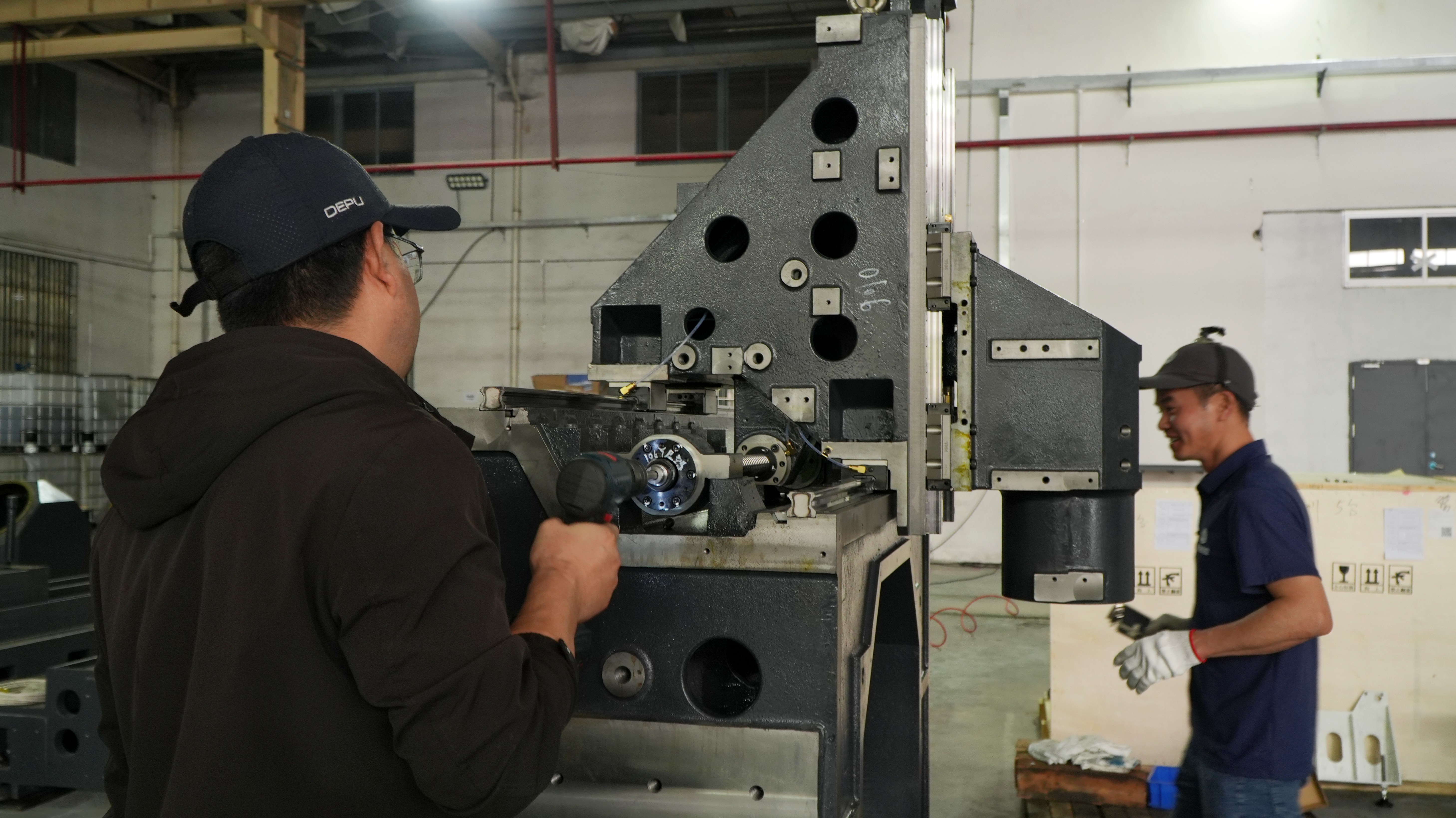
The foundation of any exceptional vertical milling machine lies in its structural integrity, particularly the quality of cast iron construction and internal ribbing patterns. Heavy-duty applications demand a machine frame that can absorb vibrations and maintain dimensional stability under high cutting forces. Premium vertical milling machines feature thick-walled cast iron construction with strategically positioned internal ribs that distribute stress evenly throughout the structure.
The ribbing pattern within the machine base and column significantly influences the overall rigidity coefficient. Well-designed vertical milling machines incorporate honeycomb or box-type ribbing structures that maximize strength while minimizing weight. This construction approach ensures that the machine maintains precision even during heavy material removal operations, reducing tool wear and improving surface finish quality.
Additionally, the aging process of cast iron components plays a crucial role in long-term stability. Quality manufacturers subject their castings to natural aging or artificial stress-relief treatments, which eliminate internal stresses that could cause dimensional changes over time. This attention to structural detail ensures that your vertical milling machine maintains accuracy throughout its operational lifespan.
Column and Base Integration
The connection between the column and base represents a critical junction that must withstand substantial forces during machining operations. Superior vertical milling machines employ bolted connections with precision-machined surfaces and appropriate torque specifications to ensure perfect alignment and rigidity. The interface design should minimize any potential for relative movement between these major components.
Modern heavy-duty designs often incorporate dovetail ways or box ways between the column and base, providing multiple contact surfaces that distribute loads effectively. These way systems must be precision-ground and properly lubricated to maintain smooth movement while preventing any looseness that could compromise accuracy. The quality of this connection directly affects the machine's ability to maintain perpendicularity between the spindle axis and work surface.
Spindle System Performance and Specifications
Spindle Power and Torque Characteristics
The spindle system represents the heart of any vertical milling machine, and its power delivery characteristics determine the range of materials and operations the machine can handle effectively. Heavy-duty applications require spindles with substantial power ratings, typically ranging from 15 to 50 horsepower or more, depending on the intended workpiece size and material hardness.
Torque characteristics across the speed range prove equally important, as different machining operations require varying combinations of speed and torque. Quality vertical milling machines provide high torque at low speeds for heavy roughing operations and maintain adequate power at high speeds for finishing work. The spindle motor should deliver consistent performance across its entire speed range without significant power dropoff.
Variable frequency drives or gear-head transmissions enable precise speed control while maintaining optimal torque characteristics. Advanced vertical milling machines incorporate servo-controlled spindle systems that provide instant response to speed changes and can maintain constant surface footage when programmed appropriately. This capability proves essential for complex machining operations requiring frequent speed adjustments.
Bearing Configuration and Lubrication Systems
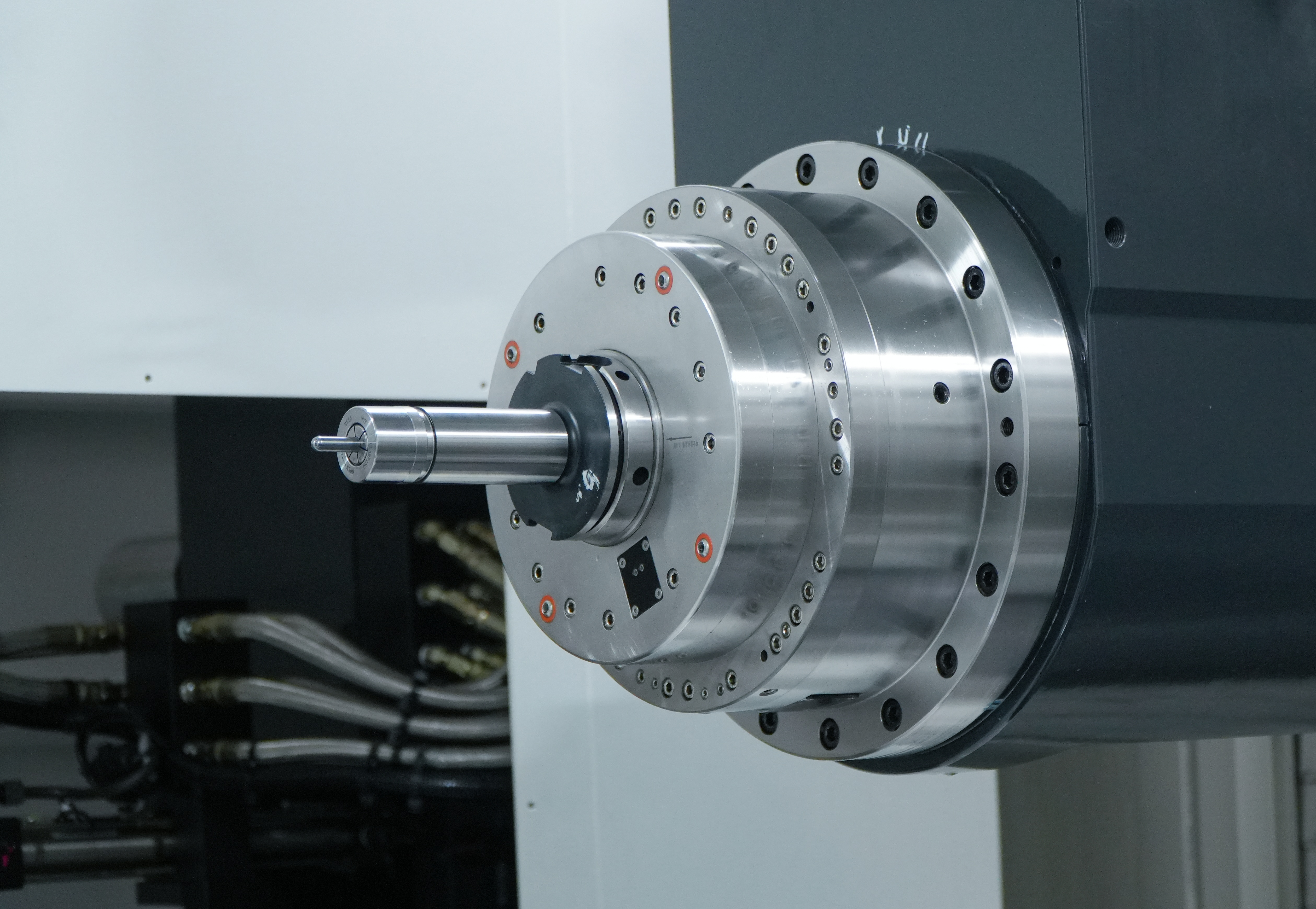
Spindle bearing arrangements directly influence both accuracy and longevity of the vertical milling machine. Heavy-duty applications demand robust bearing configurations, typically featuring angular contact ball bearings or tapered roller bearings arranged in duplex or triplex configurations. These arrangements provide the radial and axial load capacity necessary for demanding cutting operations.
The lubrication system supporting the spindle bearings must maintain consistent oil flow and temperature control under all operating conditions. Quality vertical milling machines incorporate forced circulation lubrication with filtration systems and temperature monitoring. Some advanced models include oil chillers to maintain optimal bearing temperatures during extended heavy cutting operations.
Bearing preload adjustment mechanisms allow fine-tuning of spindle rigidity versus smoothness characteristics. Properly adjusted bearing preload eliminates play while maintaining smooth rotation, directly affecting both machining accuracy and surface finish quality. The ability to adjust or monitor bearing condition represents an important maintenance consideration for heavy-duty vertical milling machines.
Precision Control Systems and Axis Configuration
Linear Motion Accuracy and Repeatability
The precision of linear motion systems determines the overall accuracy potential of any vertical milling machine. Heavy-duty models require ballscrew or linear motor drive systems that provide both high positional accuracy and excellent repeatability under load. The pitch accuracy of ballscrews should meet or exceed grade C5 standards for precision work, while linear motors offer advantages in speed and acceleration for high-performance applications.
Feedback systems play a crucial role in maintaining accuracy during actual cutting operations. Quality vertical milling machines incorporate linear encoders or other high-resolution feedback devices that monitor actual table position rather than relying solely on motor position feedback. This closed-loop configuration compensates for mechanical compliance and thermal effects that could otherwise compromise accuracy.
Backlash compensation capabilities enable the control system to account for mechanical clearances in the drive train. Advanced vertical milling machines provide software-based backlash compensation that can be adjusted for different axes and loading conditions. This feature proves particularly important when machining requires frequent direction changes or when working with materials that create varying cutting forces.
Way System Design and Maintenance
The way systems supporting linear motion must provide both accuracy and durability under heavy cutting loads. Traditional hardened and ground steel ways offer excellent load capacity and can be reground if worn, making them popular choices for heavy-duty vertical milling machines. Box ways provide maximum rigidity for heavy cutting, while dovetail ways offer good load distribution with easier adjustment procedures.
Linear guide systems represent an alternative approach that offers advantages in speed and acceleration while maintaining good accuracy. Quality linear guides feature steel races with appropriate load ratings for the intended application. The selection between traditional ways and linear guides depends on the specific requirements of your vertical milling machine applications.
Lubrication systems for way surfaces must provide consistent film thickness under all operating conditions. Centralized lubrication systems with programmable timing ensure adequate lubrication while minimizing maintenance requirements. Some vertical milling machines incorporate way covers or bellows systems to protect precision surfaces from contamination and extend component life.
Work Holding and Table Specifications
Table Size and Load Capacity
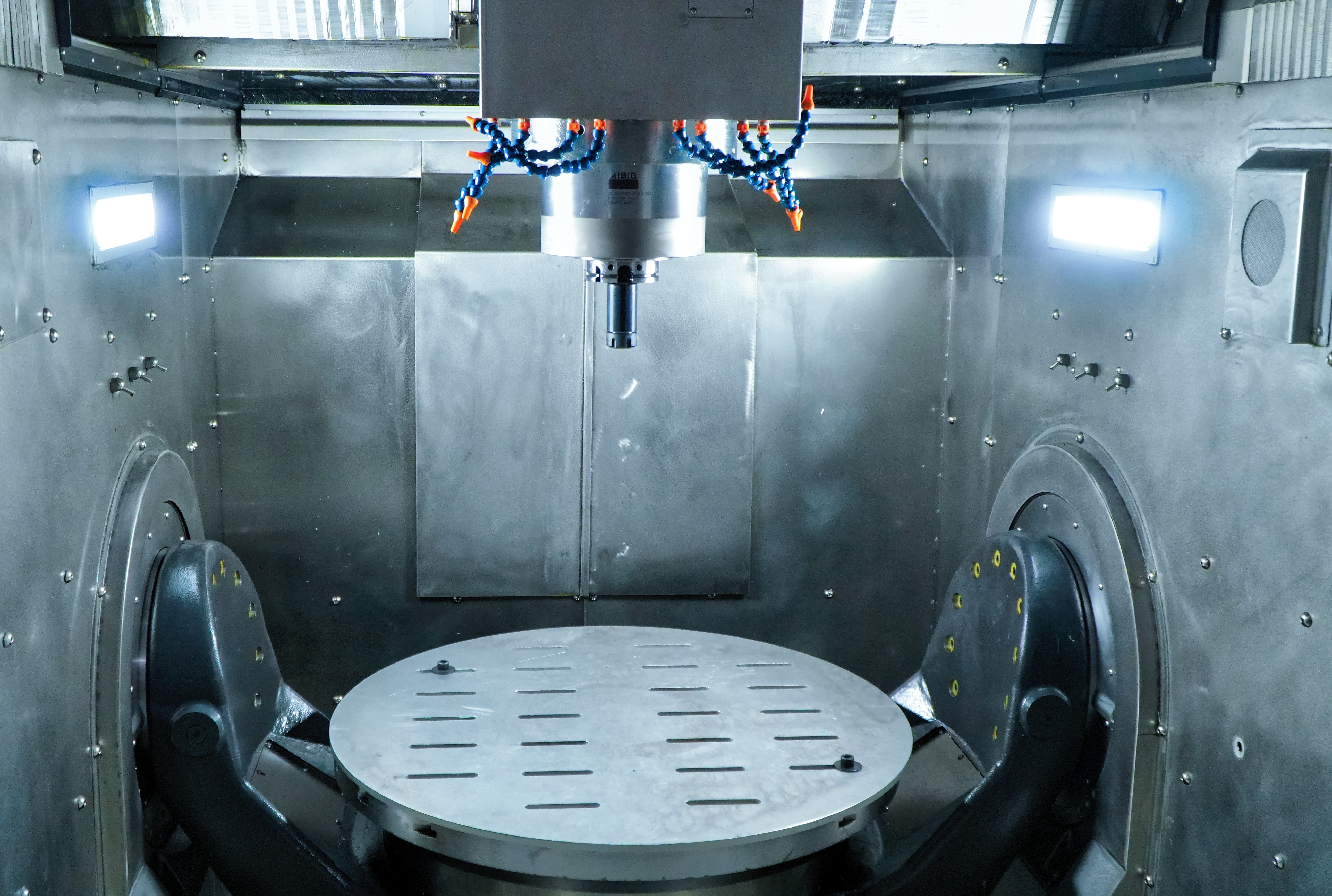
The work table dimensions and load capacity directly determine the range of parts that can be machined effectively on your vertical milling machine. Heavy-duty applications typically require larger table surfaces with substantial weight ratings to accommodate sizeable workpieces and robust fixturing systems. Table dimensions should provide adequate clearance around the workpiece for tool access and operator safety.
Weight capacity specifications must account for both static workpiece weight and dynamic forces generated during machining operations. Quality vertical milling machines specify both maximum static load and maximum cutting force ratings. The table structure should distribute loads evenly to the underlying support systems without deflection that could affect machining accuracy.
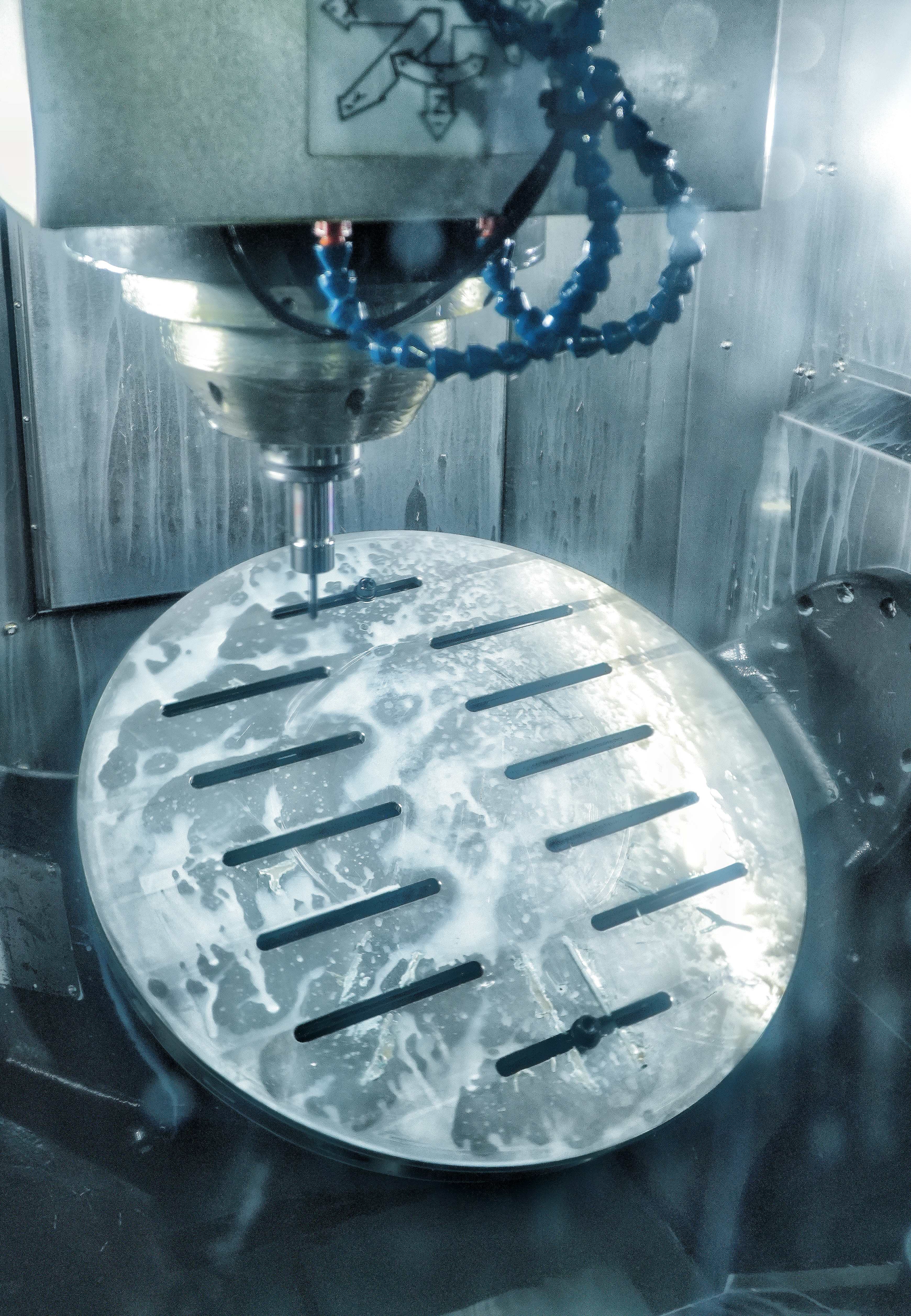
Table surface finish and flatness specifications directly affect workpiece setup accuracy. Precision-ground table surfaces with appropriate flatness tolerances ensure proper workpiece support and accurate machining results. T-slot spacing and dimensions should accommodate standard fixturing components while providing flexibility for custom setup requirements.
Clamping and Fixturing Capabilities
Effective work holding systems enable secure fixturing of diverse workpiece geometries while maintaining accessibility for machining operations. Heavy-duty vertical milling machines should accommodate both manual and automated clamping systems, with T-slot configurations that accept standard fixturing components. The table design should provide adequate clearance for complex fixturing arrangements.
Rotary table integration capabilities expand the versatility of vertical milling machine operations significantly. Quality machines provide mounting provisions and adequate clearance for rotary tables or indexing fixtures. The control system should support rotary axis programming to enable complex contour machining and multi-sided part processing.
Vacuum table options represent valuable accessories for certain types of workpieces, particularly thin or irregularly shaped parts that prove difficult to clamp mechanically. Vertical milling machines designed for vacuum table operation incorporate appropriate sealing surfaces and vacuum port arrangements to ensure effective holding force across the entire workpiece area.
Cooling and Chip Management Systems
Coolant Delivery and Circulation
Effective coolant systems prove essential for maintaining cutting tool life and workpiece surface quality during heavy machining operations on vertical milling machines. High-pressure coolant delivery systems provide superior heat removal and chip evacuation compared to conventional flood cooling systems. Pressure ratings of 300 PSI or higher enable effective penetration into the cutting zone even during deep pocket machining.
Through-spindle coolant delivery represents a significant advantage for many vertical milling machine applications. This configuration directs coolant precisely to the cutting point through internal passages in the spindle and cutting tools. Through-spindle systems require appropriate spindle design and compatible cutting tools but provide superior cooling effectiveness for deep hole drilling and complex contour machining.
Coolant filtration and recycling systems maintain fluid quality while reducing operating costs. Quality vertical milling machines incorporate multi-stage filtration systems that remove chips and contaminants while preserving coolant properties. Some advanced systems include coolant chillers to maintain optimal temperature for consistent machining results and extended tool life.
Chip Evacuation and Containment
Efficient chip removal systems prevent chip accumulation that could interfere with cutting operations or damage finished surfaces. Heavy-duty vertical milling machines typically incorporate conveyor systems or auger mechanisms that automatically transport chips away from the cutting area. The chip evacuation system should handle the volume and type of chips generated by typical operations without clogging or overflow.
Enclosure design plays a crucial role in containing coolant and chips while providing operator access for setup and monitoring. Full enclosures with appropriate door configurations protect operators from coolant splash while enabling observation of cutting operations. The enclosure should integrate effectively with the chip removal system to prevent accumulation in dead areas.
Chip size and shape vary significantly depending on cutting conditions and workpiece materials. Vertical milling machine designs should accommodate both fine chips from finishing operations and heavy chips from roughing cuts. Adjustable chip conveyor speeds and appropriate breaker mechanisms help manage different chip characteristics effectively.
Control Technology and Programming Capabilities
CNC System Features and User Interface
Modern vertical milling machines require sophisticated control systems that provide both programming flexibility and operational simplicity. Contemporary CNC controllers offer advanced interpolation capabilities, look-ahead processing, and adaptive control features that optimize cutting conditions automatically. The user interface should balance comprehensive functionality with intuitive operation for both experienced and novice operators.
Programming capabilities should support multiple formats including G-code, conversational programming, and CAM system integration. Quality vertical milling machines provide sufficient memory capacity for complex programs and multiple program storage. Advanced controllers offer simulation capabilities that allow program verification without actual cutting operations.
Connectivity features enable integration with manufacturing execution systems and remote monitoring capabilities. Ethernet connections, USB ports, and wireless communication options facilitate program transfer and production data collection. Some vertical milling machines incorporate predictive maintenance monitoring that tracks component condition and schedules maintenance automatically.
Safety Systems and Operational Protection
Comprehensive safety systems protect both operators and equipment during vertical milling machine operations. Emergency stop systems should provide immediate power disconnection with appropriate circuit monitoring to ensure reliable operation. Door interlocks prevent operation when enclosures are open while allowing necessary access for setup and maintenance.
Overload protection systems monitor cutting forces, spindle load, and drive system parameters to prevent damage from excessive conditions. These systems should provide both audible and visual warnings before implementing protective shutdowns. Advanced vertical milling machines offer adjustable protection levels that can be customized for different operations and materials.
Tool monitoring systems detect tool breakage or excessive wear conditions that could damage workpieces or machine components. Touch probes and laser measurement systems enable automated tool length measurement and wear monitoring. These capabilities prove particularly valuable for unattended operation and maintain consistent quality standards.
FAQ
What spindle power rating is necessary for heavy-duty vertical milling machine applications?
Heavy-duty vertical milling machine applications typically require spindle power ratings between 20-50 horsepower, depending on the maximum workpiece size and material hardness. Steel machining generally demands higher power than aluminum, while the depth of cut and feed rates also influence power requirements. Consider both continuous duty ratings and peak power availability when evaluating spindle specifications.
How important is the way system choice between traditional steel ways and linear guides?
The way system choice significantly affects both performance characteristics and maintenance requirements of your vertical milling machine. Traditional hardened steel ways offer superior load capacity and longevity for heavy cutting operations, while linear guides provide advantages in speed and acceleration for lighter cuts. Consider your typical cutting forces, accuracy requirements, and maintenance capabilities when making this decision.
What coolant system pressure is optimal for vertical milling machine operations?
Optimal coolant pressure for vertical milling machine operations ranges from 300-1000 PSI, depending on the cutting application and tool requirements. Higher pressures improve chip evacuation and heat removal but require more robust pumping systems and appropriate tooling. Through-spindle coolant delivery typically requires minimum pressures of 300 PSI for effective performance, while some applications benefit from pressures exceeding 500 PSI.
How does table size affect vertical milling machine versatility and productivity?
Table size directly impacts both the maximum workpiece dimensions and fixturing flexibility of your vertical milling machine. Larger tables accommodate bigger parts and more complex fixturing arrangements but require more floor space and higher initial investment. Consider both your current part size requirements and anticipated future needs when selecting table dimensions, as upgrading table size later typically requires machine replacement.