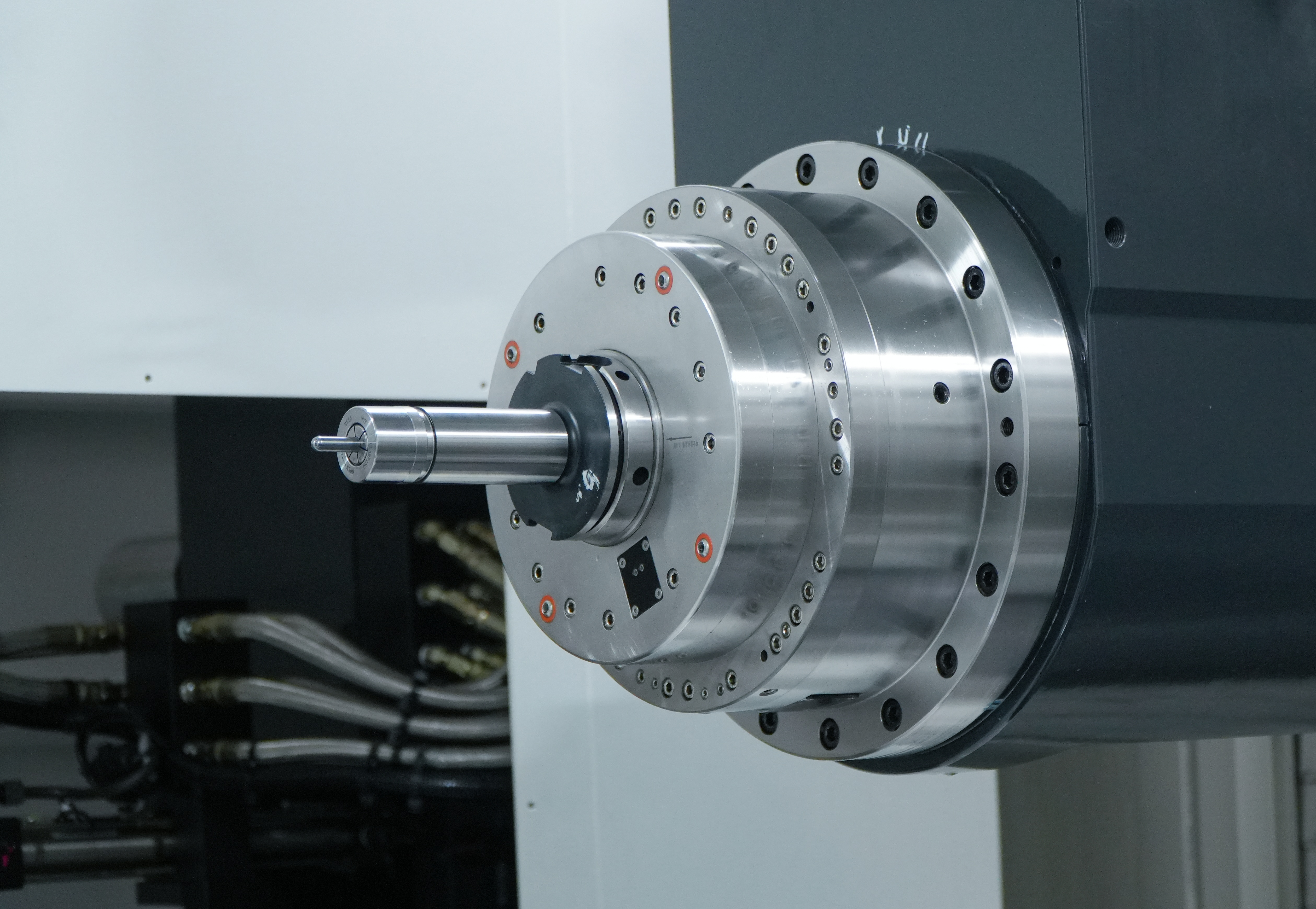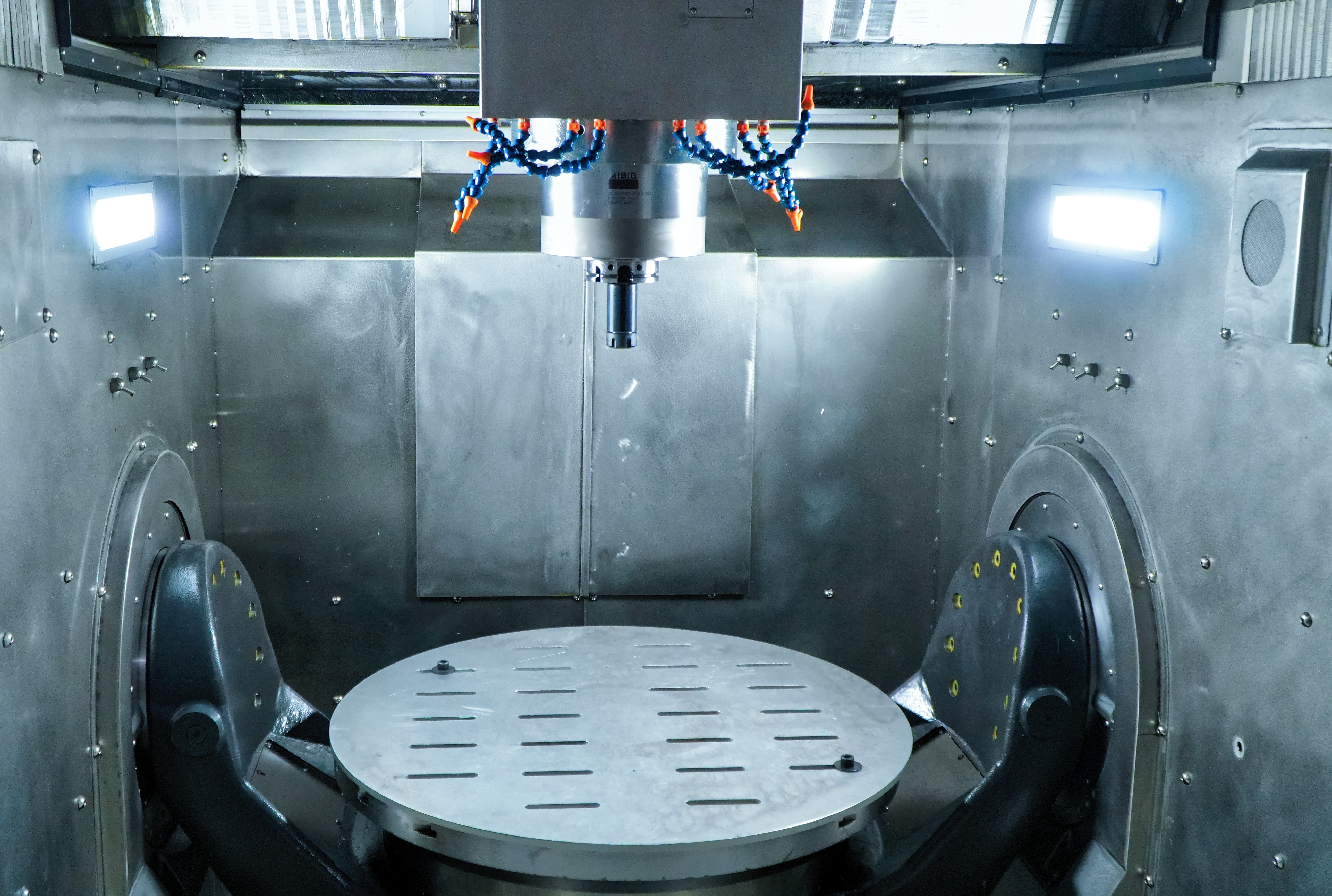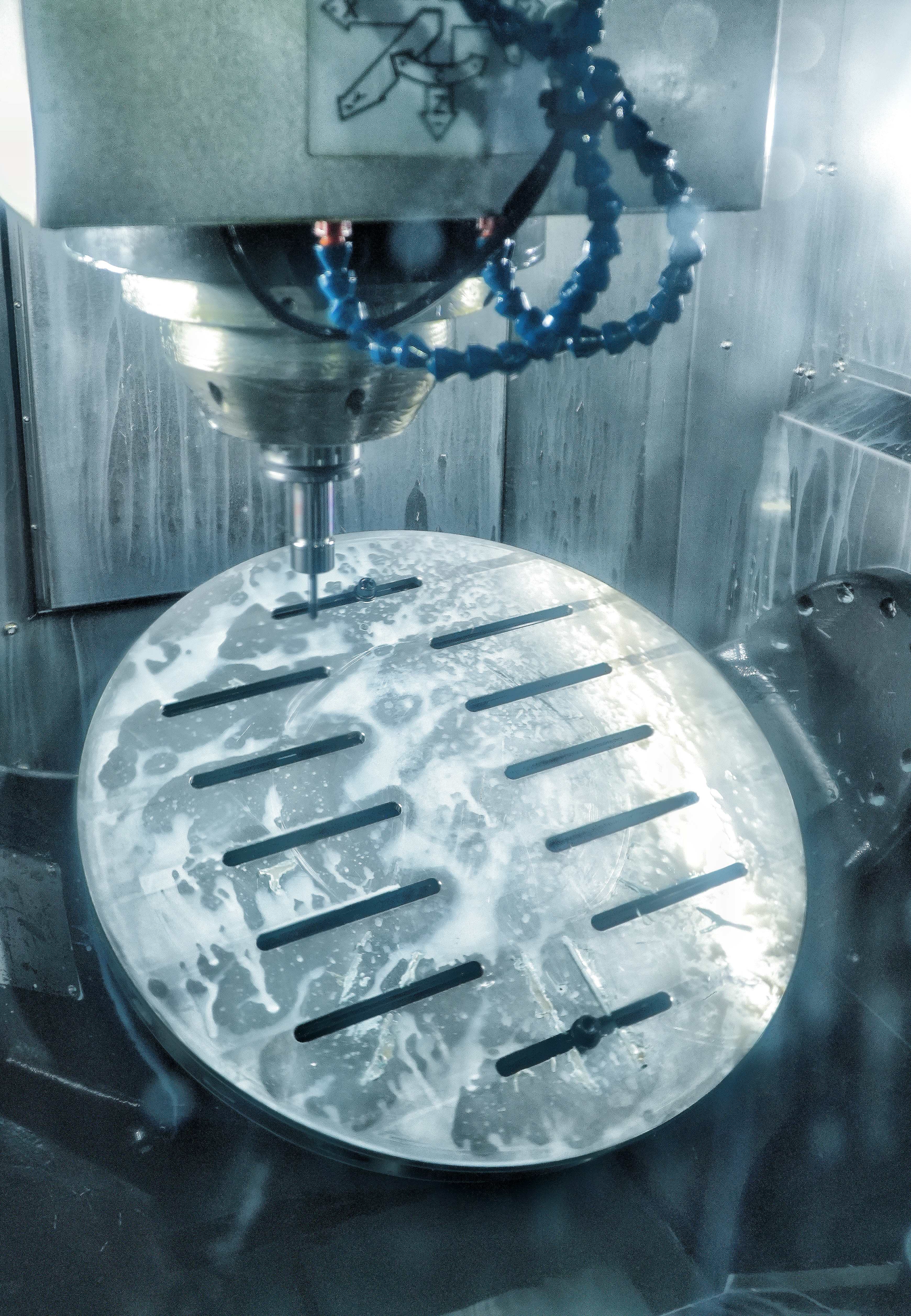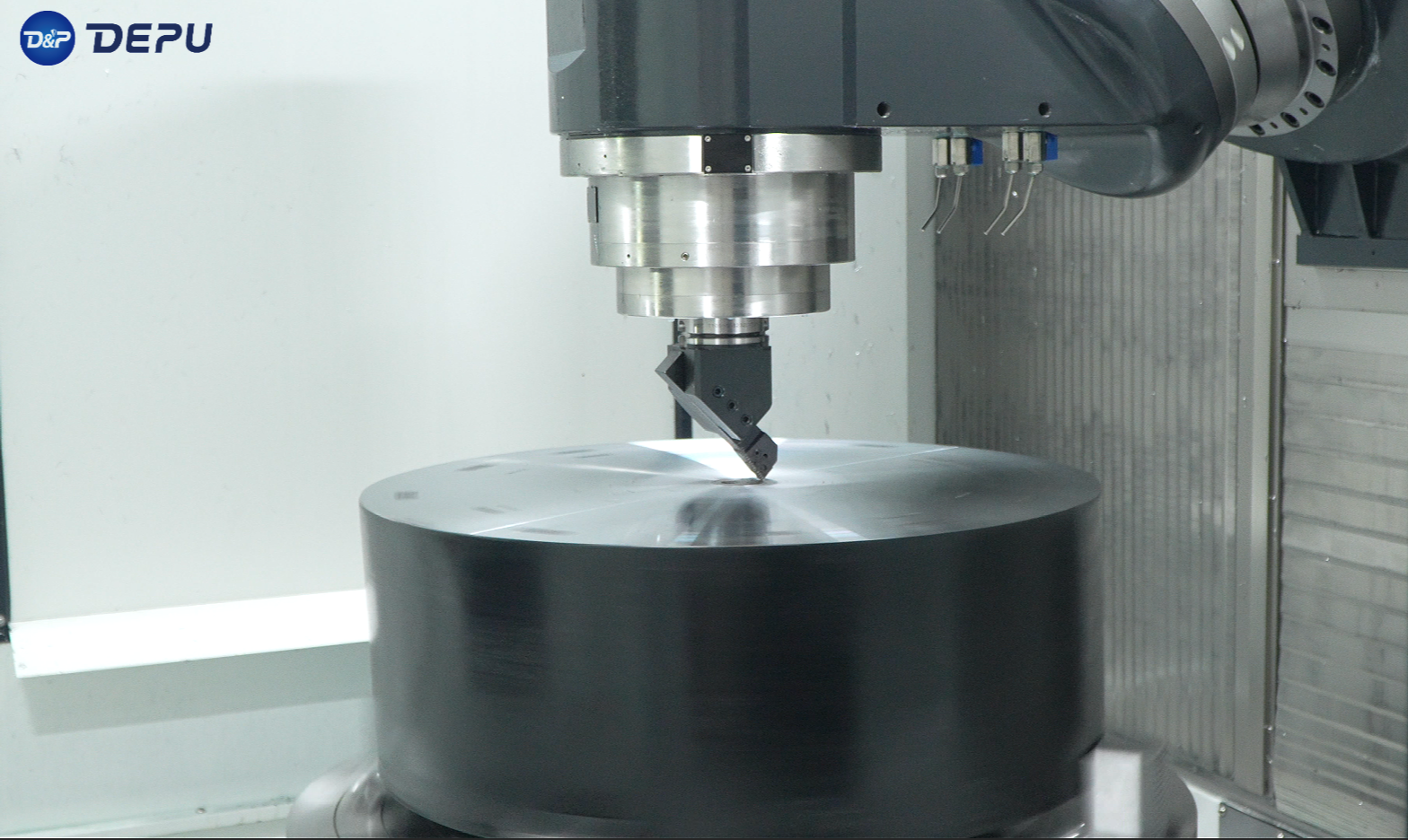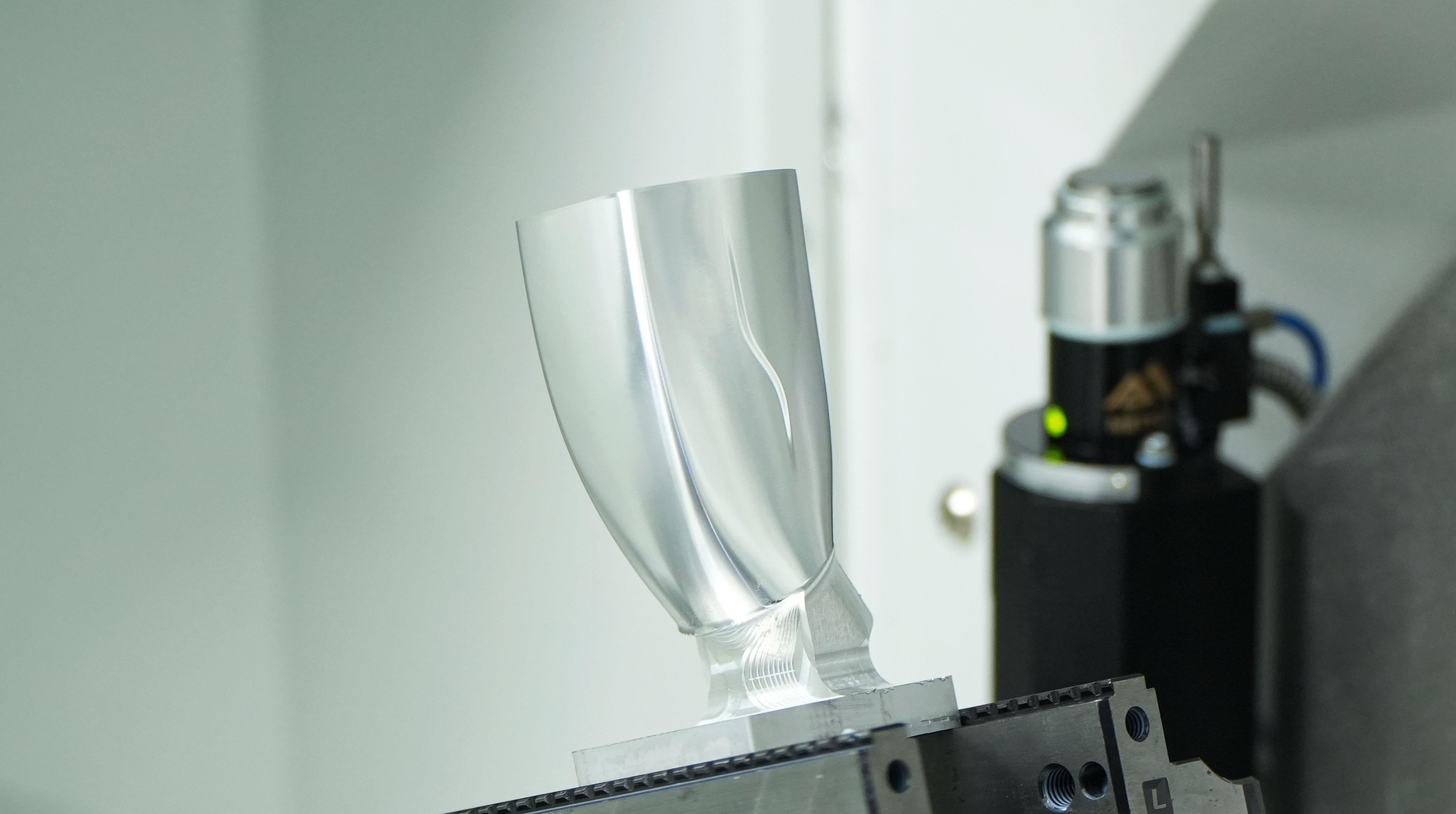

5-axis CNC machining has transformed modern manufacturing by enabling the production of highly complex components with exceptional precision and efficiency. Industries such as aerospace, automotive, medical device manufacturing, and mold making increasingly rely on 5 Axis CNC Machines to create intricate parts that would be difficult or impossible to produce using traditional machining methods.
However, while 5-axis machining offers significant advantages, it also introduces unique challenges that manufacturers must address to achieve optimal results. Understanding these challenges and implementing effective solutions can improve productivity, reduce costs, and enhance part quality.
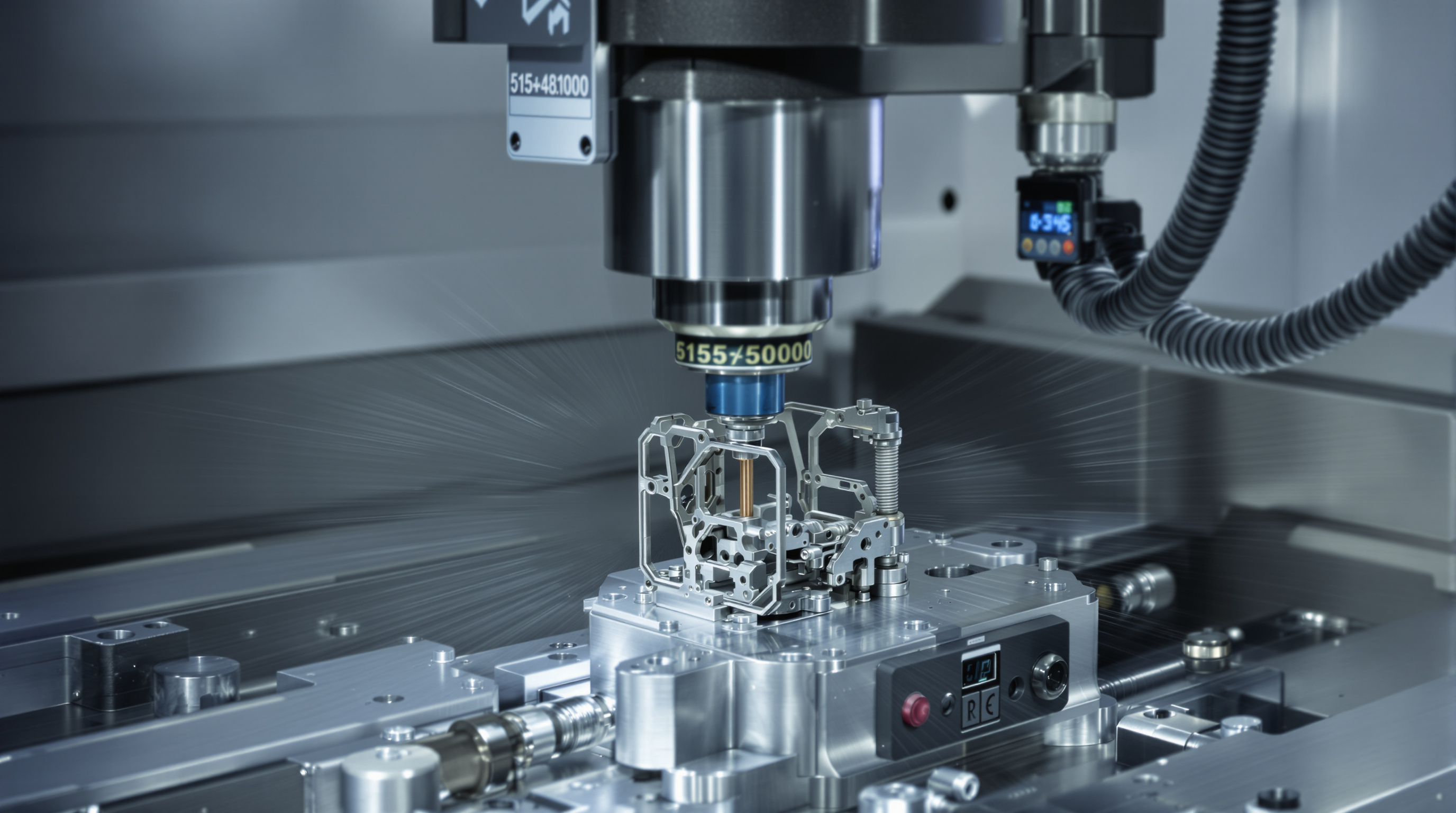
Why 5 Axis Machining is More Complex Than Traditional CNC Machining?
Unlike 3-axis machining, where the cutting tool moves along the X, Y, and Z axes, 5-axis machining incorporates two additional rotary axes. This allows the tool to approach the workpiece from virtually any direction. The increased flexibility enables manufacturers to machine complex geometries in a single setup. However, it also creates additional variables that must be carefully controlled, including tool orientation, machine kinematics, collision risks, and programming complexity.
As a result, successful 5-axis machining requires not only advanced equipment but also skilled operators, optimized CAM programming, and proper machine maintenance.
Challenge 1: Tool Collision Risks
One of the most common concerns in 5-axis machining is tool collision. Even a minor collision can damage expensive tools, fixtures, and machine components.
Because both the cutting tool and workpiece can move simultaneously, there is a greater possibility of unintended contact between:
-
The cutting tool and workpiece
-
The tool holder and part
-
Machine components and fixtures
-
Rotary axes and surrounding structures
How to Overcome It?
Manufacturers can reduce collision risks by:
-
Using advanced CAM software with collision detection functions
-
Performing virtual machining simulations before production
-
Selecting appropriate tool lengths
-
Optimizing fixture design
-
Regularly verifying machine calibration
Modern 5 Axis CNC Machines equipped with sophisticated control systems can also provide real-time collision avoidance features to enhance operational safety.
Challenge 2: Complex CAM Programming
Programming a 5-axis machining operation is significantly more complicated than creating a standard 3-axis toolpath. Poor programming can result in inefficient machining, excessive cycle times, poor surface quality, or even machine crashes.
Programmers must consider:
-
Tool orientation
-
Rotary axis movement
-
Surface geometry
-
Machine kinematics
-
Cutting strategy optimization
How to Overcome It?
Successful manufacturers invest in:
-
Advanced CAM software
-
Skilled programming personnel
-
Continuous operator training
-
Simulation-based verification
Modern CAM systems can automatically generate optimized multi-axis toolpaths while minimizing unnecessary machine movement.
Challenge 3: Maintaining Dimensional Accuracy
Aerospace, medical, and precision engineering industries often require extremely tight tolerances. As machine complexity increases, maintaining consistent accuracy becomes more challenging.
In 5-axis machining, dimensional accuracy can be affected by:
-
Rotary axis positioning errors
-
Thermal expansion
-
Machine vibration
-
Tool deflection
-
Calibration issues
How to Overcome It?
Manufacturers should implement:
-
Routine machine calibration
-
Thermal compensation systems
-
Precision inspection procedures
-
High-quality cutting tools
-
Stable machining parameters
Choosing a rigid and highly accurate machine platform is also essential for maintaining long-term precision.
Challenge 4: Surface Finish Quality
Many 5-axis applications involve freeform surfaces, curved geometries, and complex contours. Surface quality directly affects product performance, particularly in aerospace and medical applications.
Achieving a smooth surface finish can be difficult due to:
-
Incorrect tool angles
-
Poor toolpath strategies
-
Excessive vibration
-
Inconsistent cutting forces
How to Overcome It?
Careful toolpath planning can significantly improve surface consistency while reducing post-processing requirements. Improving surface finish often involves:
-
Optimizing tool orientation
-
Using advanced finishing strategies
-
Reducing tool overhang
-
Selecting proper cutting parameters
-
Utilizing high-performance cutting tools
Challenge 5: Tool Deflection and Tool Wear
Many complex 5-axis operations require long-reach cutting tools to access deep cavities and difficult-to-reach surfaces. Excessive tool wear can increase production costs and negatively impact part quality.
Long tools are more susceptible to:
-
Deflection
-
Chatter
-
Premature wear
-
Reduced machining accuracy
How to Overcome It?
Manufacturers can reduce tool-related problems by:
-
Using shorter tools whenever possible
-
Optimizing cutting speeds and feeds
-
Employing high-quality tool holders
-
Monitoring tool wear regularly
-
Applying appropriate coolant strategies
Tool management programs can help identify wear patterns before they affect production quality.
Challenge 6: Machine Kinematic Limitations
Not all 5-axis CNC machines are designed the same way. Each design has unique kinematic characteristics that influence machining performance. Certain part geometries may cause rotary axis limitations, awkward tool positions, or reduced machining efficiency. Different machine configurations include trunnion-style machines, swivel head machines and gantry 5-axis machines.
How to Overcome It?
Manufacturers should carefully evaluate machine architecture based on:
-
Part size
-
Material type
-
Production volume
-
Application requirements
Selecting the right machine configuration can significantly improve productivity and machining flexibility.
Challenge 7: High Initial Investment
A common concern for many manufacturers is the higher cost associated with 5-axis machining. Compared with traditional machining centers, 5-axis machines require greater investment in equipment, software, tooling, training and maintenance. This can make adoption challenging for smaller operations.
How to Overcome It?
Although initial costs are higher, manufacturers often achieve substantial long-term savings through:
-
Reduced setups
-
Faster production cycles
-
Improved quality
-
Lower labor costs
-
Greater manufacturing flexibility
The Importance of Choosing the Right 5 Axis CNC Machine
Many machining challenges can be minimized by selecting a reliable machine from the beginning.
A high-quality 5 Axis CNC Machine should provide:
-
Excellent structural rigidity
-
High positioning accuracy
-
Stable rotary axis performance
-
Advanced CNC control systems
-
Reliable long-term operation
As an experienced 5 axis CNC machining manufacturer, DEPU provides advanced machining solutions designed to meet the demands of modern precision manufacturing. With a strong focus on machine stability, accuracy, and efficiency, DEPU helps manufacturers overcome common machining challenges while improving productivity and product quality.
5-axis machining offers unmatched flexibility and precision for manufacturing complex components across a wide range of industries. However, challenges such as tool collisions, programming complexity, dimensional accuracy, surface finish requirements, tool wear, and machine limitations must be carefully managed. By combining advanced CNC technology, optimized programming strategies, skilled operators, and reliable machine platforms, manufacturers can successfully overcome these obstacles and fully realize the benefits of 5-axis machining.
As manufacturing requirements continue to evolve, mastering these challenges will remain essential for companies seeking greater efficiency, higher quality, and stronger competitiveness in the global market.