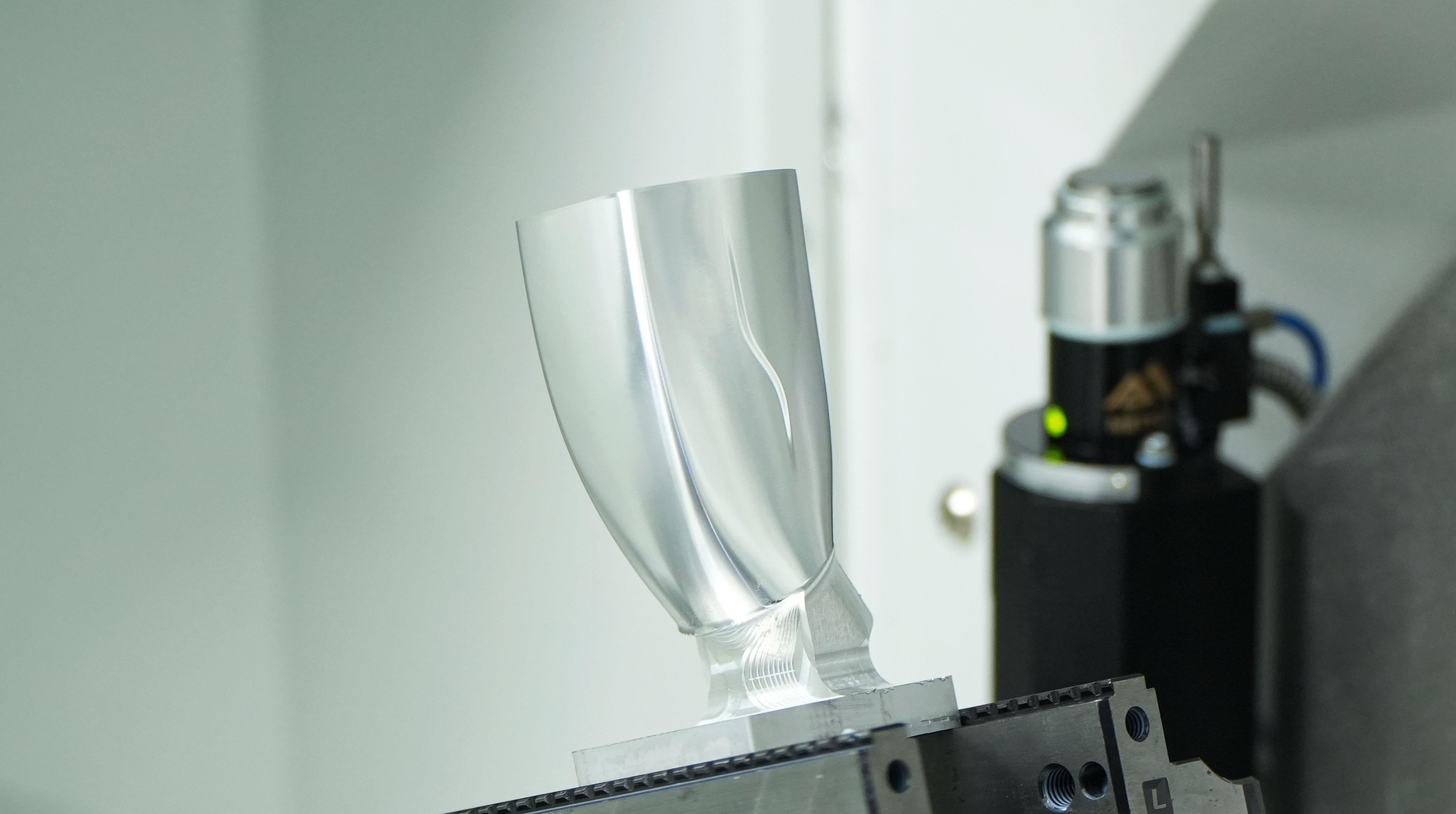

5-axis CNC machining has transformed modern manufacturing by enabling the production of highly complex parts with exceptional precision. As industries demand more intricate designs, understanding what materials a 5-axis CNC machine can cut becomes essential for engineers, designers, and manufacturers. This advanced technology offers superior flexibility compared to traditional 3-axis systems, making it ideal for aerospace, medical, automotive, and mold-making applications.
What is 5-Axis CNC Machining?
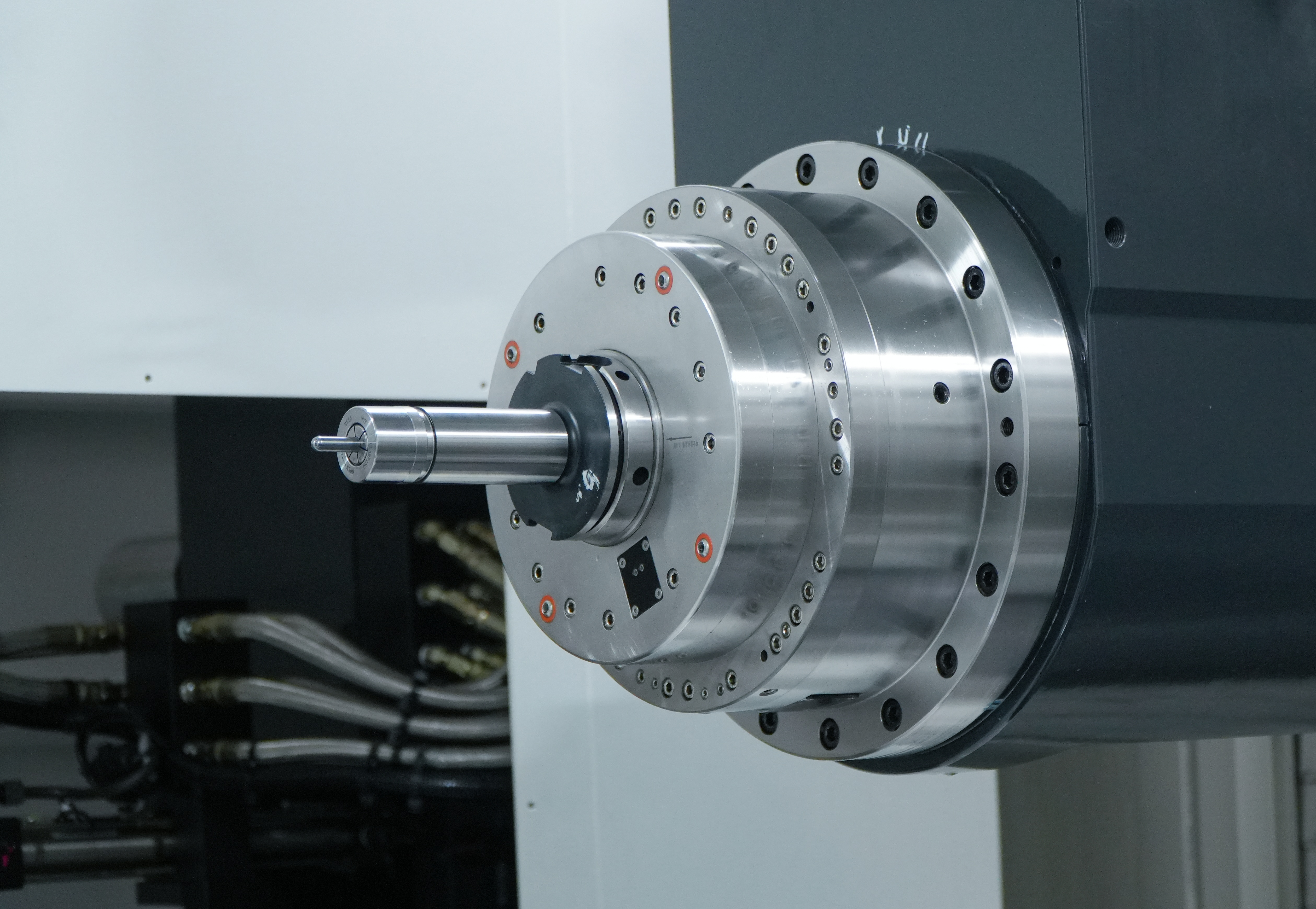
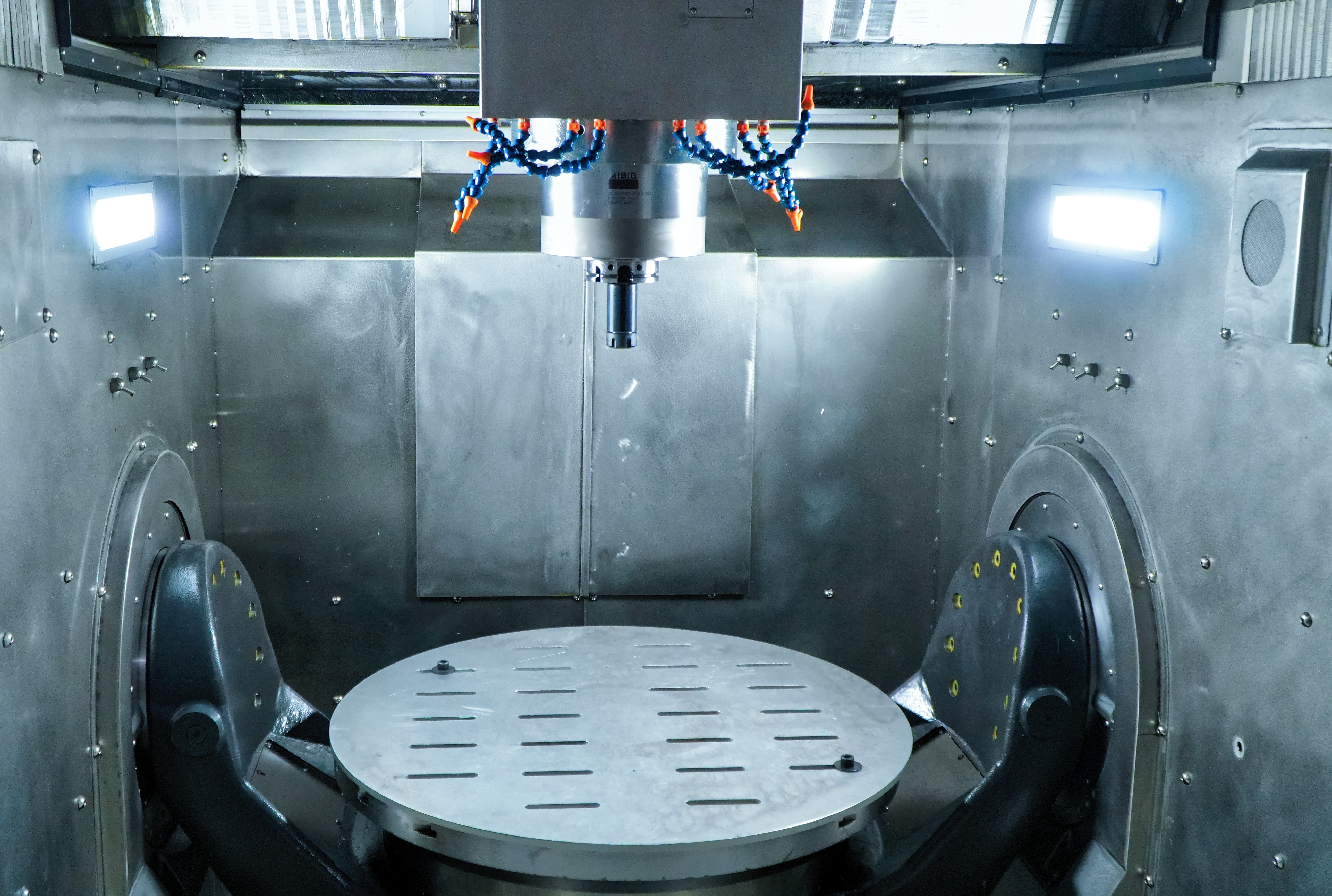
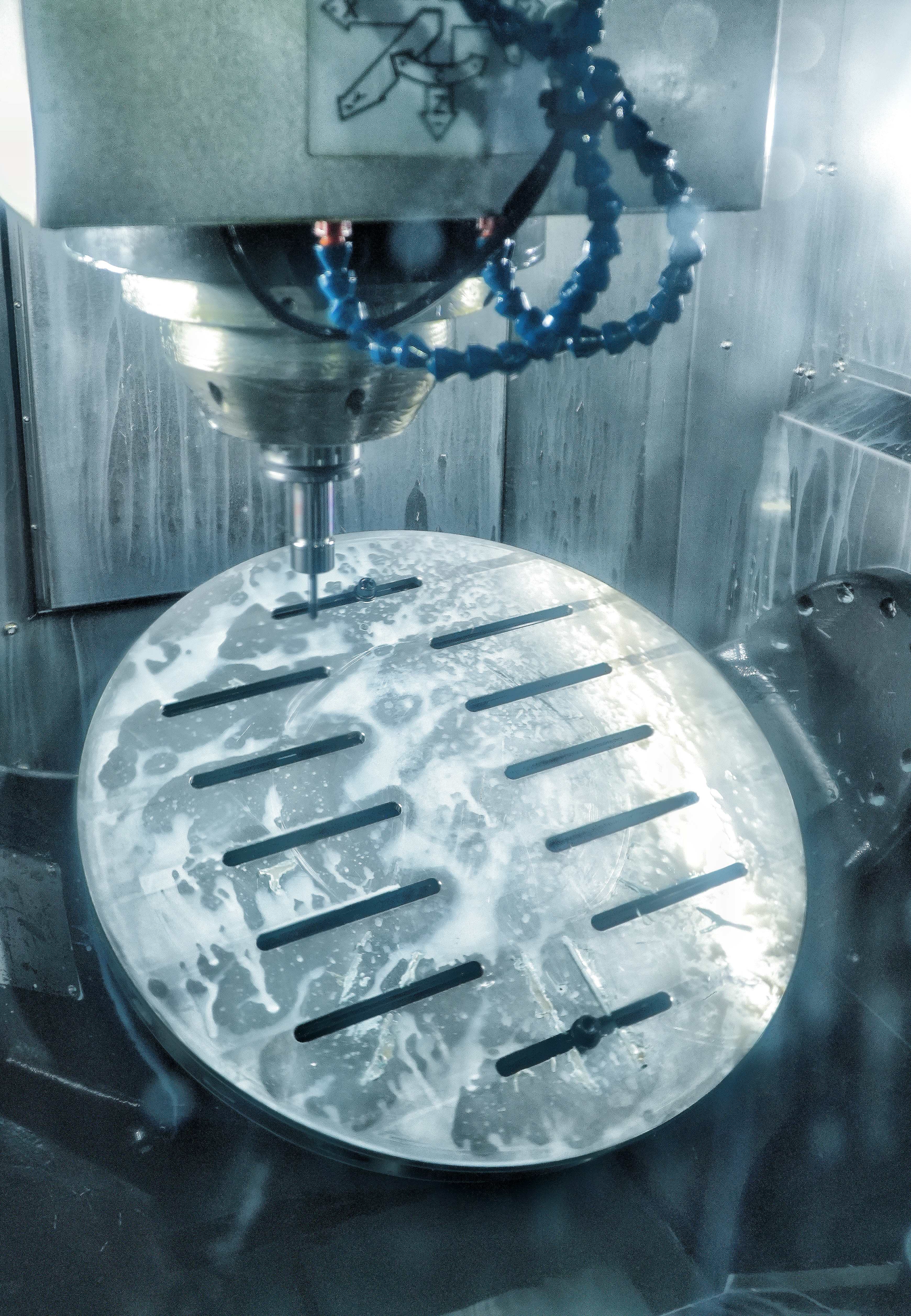
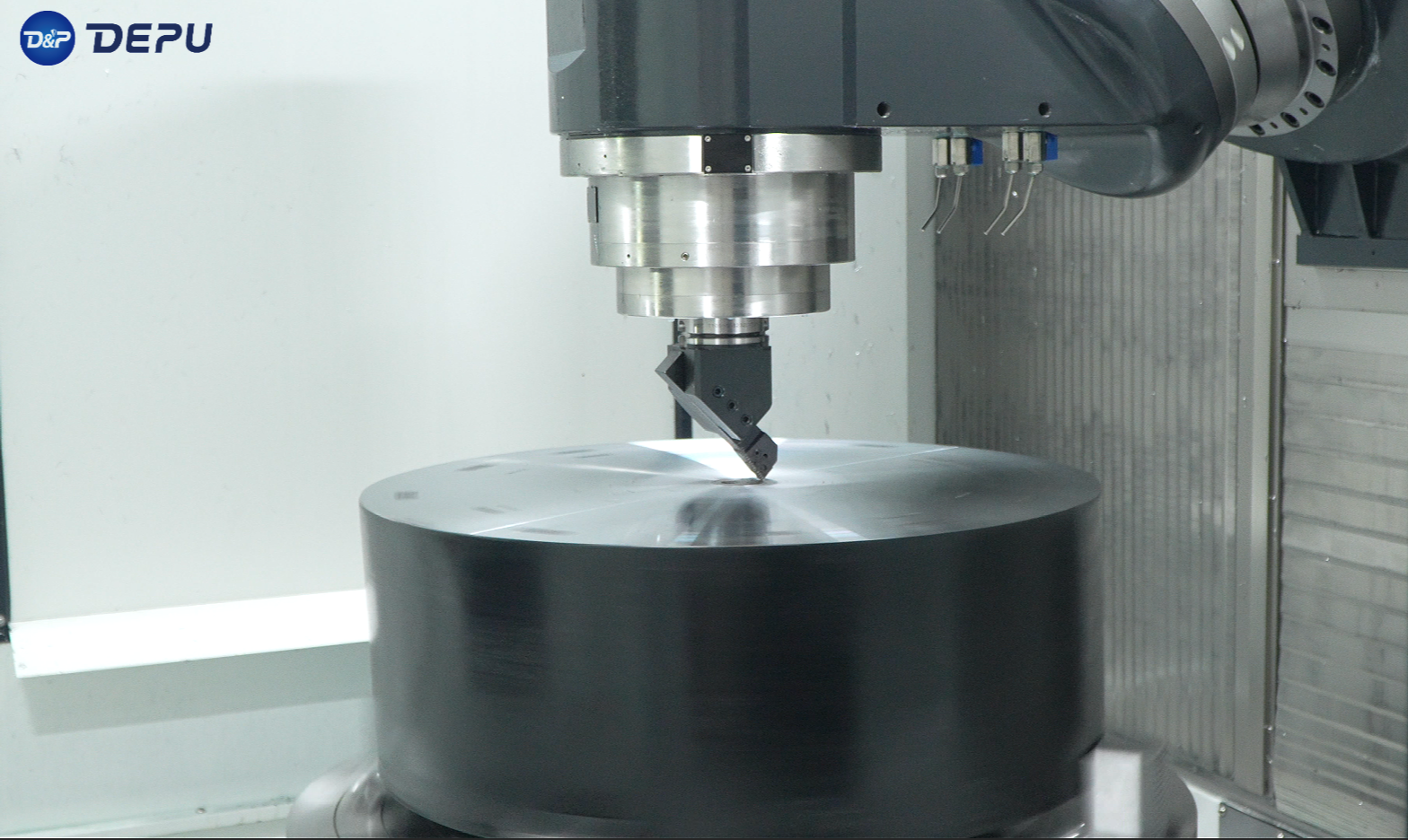
A 5-axis CNC machine operates along three linear axes (X, Y, Z) and two rotational axes (typically A and B). This configuration allows the cutting tool to approach the workpiece from virtually any angle in a single setup. The result is reduced fixturing needs, minimized errors, and the ability to create organic shapes, undercuts, and contoured surfaces that would be difficult or impossible with fewer axes.
Key benefits include improved surface finishes, shorter lead times, extended tool life, and enhanced accuracy. These advantages make 5-axis machining particularly valuable for high-value, low-volume production runs where precision is non-negotiable.
Why Material Selection Matters in 5-Axis CNC Machining
Material choice directly impacts machinability, surface quality, tool wear, and overall project success. Factors such as hardness, thermal conductivity, abrasiveness, and stability under multi-angle cutting play critical roles. 5-axis machines excel with a wide variety of materials, but optimal parameters, such as speeds, feeds, tooling, and coolants, must be tailored to each one.
Best Metals for 5-Axis CNC Machines
Metals remain the most common choice for 5-axis applications due to their strength and versatility.
-
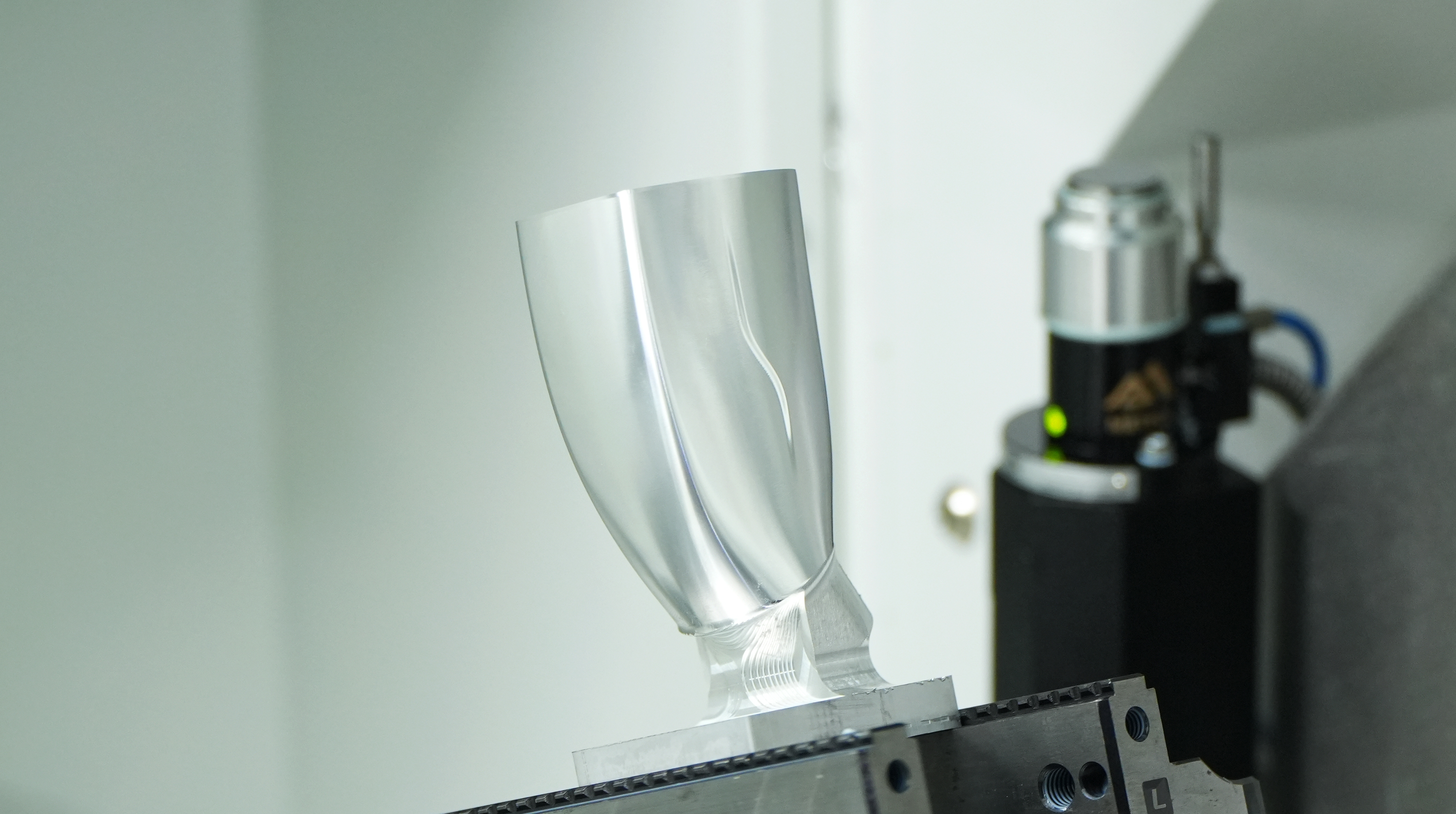
Aluminum Alloys: Highly machinable with excellent strength-to-weight ratios. Ideal for aerospace components, automotive prototypes, and structural parts. They allow high cutting speeds with minimal tool wear.
-
Stainless Steel: Offers corrosion resistance and durability. Requires careful parameter control due to work-hardening tendencies but produces robust components for medical and industrial uses.
-
Titanium and Alloys: Prized for biocompatibility and high-temperature performance in aerospace and medical implants. Their low thermal conductivity demands powerful spindles and effective cooling strategies.
-
Inconel and Superalloys: Excel in extreme environments like turbine blades. These materials are challenging but deliver unmatched performance when machined on rigid 5-axis centers.
-
Low thermal expansion alloys such as Invar or Kovar are particularly suited for precision work where heat distortion must be minimized during complex multi-angle operations.
Plastics Suitable for 5-Axis CNC Machining
Plastics provide lightweight, cost-effective options with good machinability for non-structural components. 5-axis capabilities allow for smooth, complex contours on these materials without excessive heat buildup.
-
Acrylic (PMMA): Delivers optical clarity for lenses, displays, and signage.
-
Nylon (PA6): Tough and wear-resistant, perfect for gears and bearings.
-
Polycarbonate: Combines impact resistance and transparency for protective parts and housings.
Composites and Advanced Materials
Composites like Carbon Fiber Reinforced Polymers (CFRP) and Glass Fiber Reinforced Polymers (GFRP) are increasingly popular in aerospace, automotive, and marine sectors. Their high strength-to-weight ratios are advantageous, but abrasiveness requires diamond-coated tools to prevent delamination and rapid wear. 5-axis machines maintain optimal angles to minimize fiber damage.
Advanced options include:
-
Ceramics: For extreme hardness and thermal resistance.
-
Graphite: Suited for electrodes and thermal management applications.
These materials push the boundaries of what 5-axis CNC can achieve when paired with appropriate machine rigidity and tooling.
Applications across Industries
5-axis CNC machining unlocks possibilities across sectors. Aerospace manufacturers produce turbine blades and impellers from titanium or Inconel. Medical professionals create patient-specific implants from titanium or biocompatible plastics. Automotive teams prototype engine components and molds using aluminum or composites. Even artistic sculptures and complex dies benefit from the technology’s geometric freedom.
Choosing the Right 5-Axis CNC Partner
For manufacturers seeking reliable performance across diverse materials, partnering with an experienced provider is crucial. DEPU, a professional five axis machining center and services manufacturer, delivers cutting-edge solutions backed by over 20 years of expertise. Serving Fortune 500 companies, DEPU’s machines like the U1000 and G300 series feature ZEISS-certified precision, Renishaw calibration systems, and robust designs using wear-resistant alloys. Their comprehensive support—including custom fixturing, programming, and full-process quality control—ensures optimal results whether machining aluminum prototypes, titanium aerospace parts, or composite structures. DEPU’s AI-driven smart manufacturing approach helps clients maximize efficiency and innovation.
Considerations and Best Practices
While powerful, 5-axis machining involves higher initial costs and more complex programming than 3-axis alternatives. It shines for intricate parts but may be overkill for simple geometries. Proper CAM software, collision avoidance strategies, and material-specific tooling are essential for success.
From lightweight aluminum and tough titanium to versatile plastics and high-performance composites, 5-axis CNC machines can cut an impressive range of materials. This versatility drives innovation across industries by enabling complex, high-precision parts with fewer setups and superior finishes. Understanding material properties and partnering with experts like DEPU ensures you achieve the best possible outcomes for your projects. As manufacturing continues to evolve, 5-axis technology will remain a cornerstone for producing tomorrow’s most demanding components.