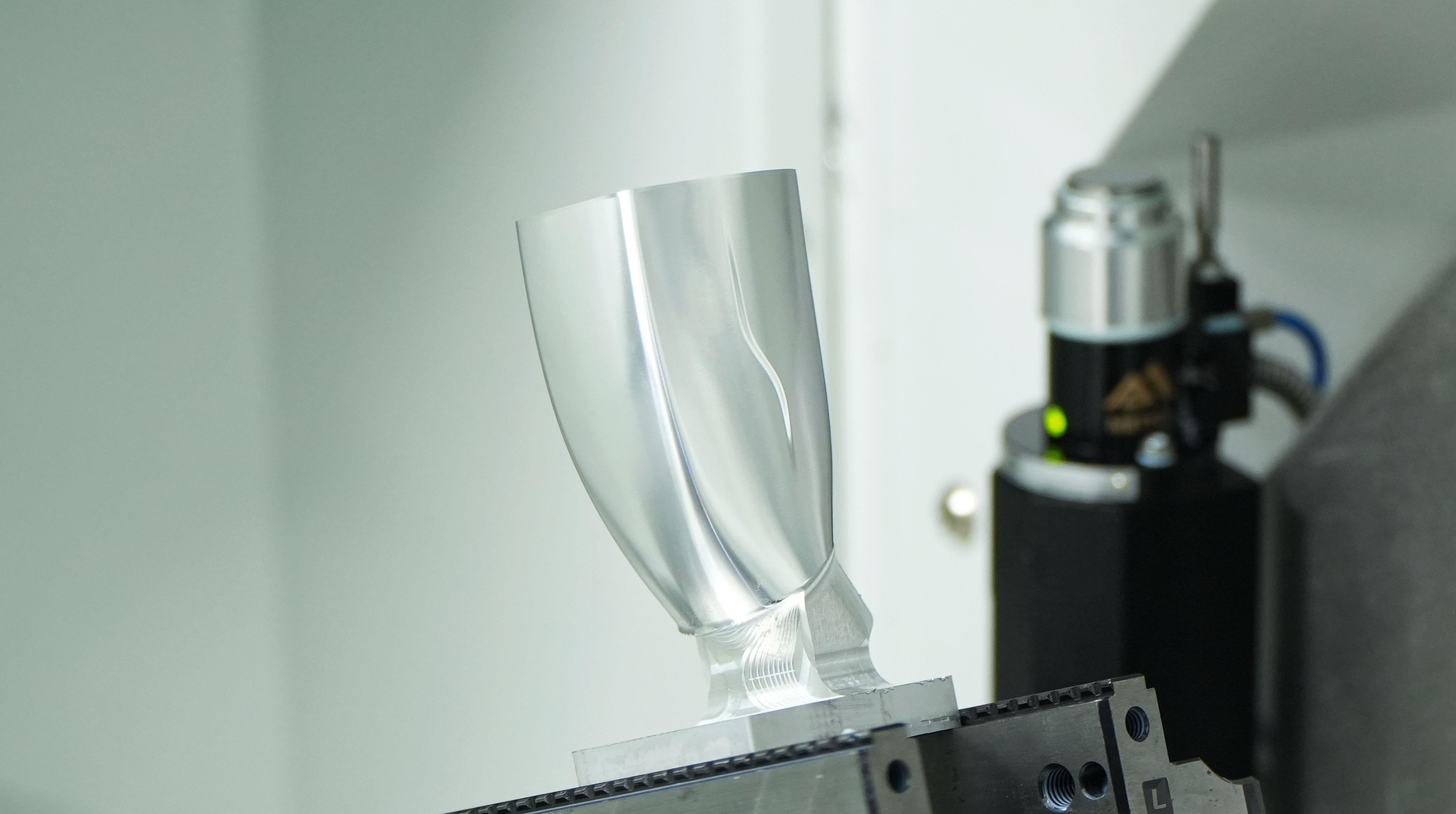

5-axis CNC machining has revolutionized precision manufacturing, but knowing when to choose 5-axis over 3-axis CNC machines is critical for optimizing cost, quality, and efficiency. While 3-axis machines remain workhorses for many applications, 5-axis systems unlock capabilities that justify the investment for complex, high-precision work.
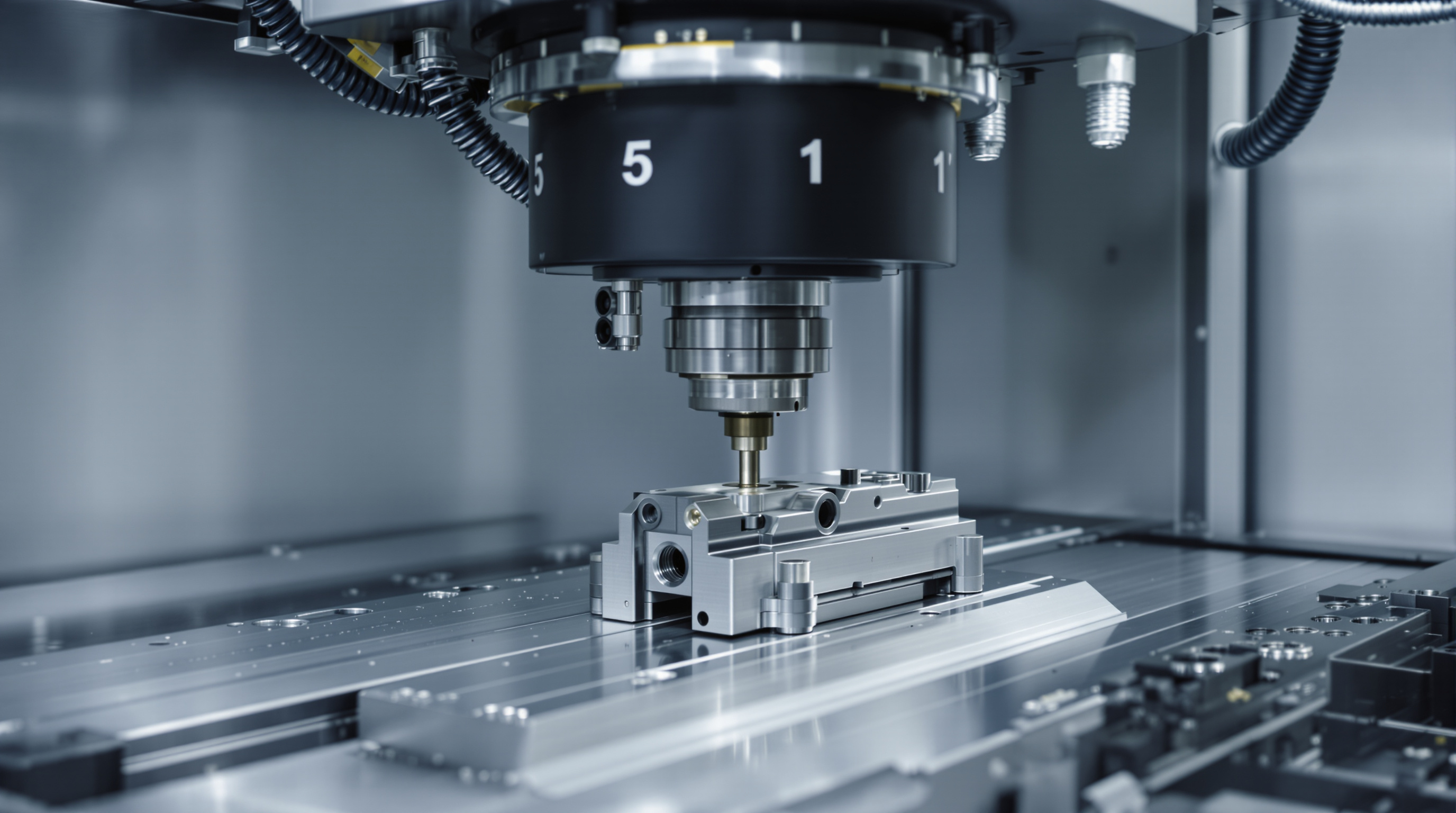
Understanding 3-Axis vs 5-Axis CNC Machines
A 3-axis CNC machine moves the tool or workpiece along the X, Y, and Z linear axes. This setup excels at machining flat or prismatic parts, such as plates, brackets, and simple housings. It is straightforward to program, operate, and maintain, making it ideal for high-volume production of simpler geometries.
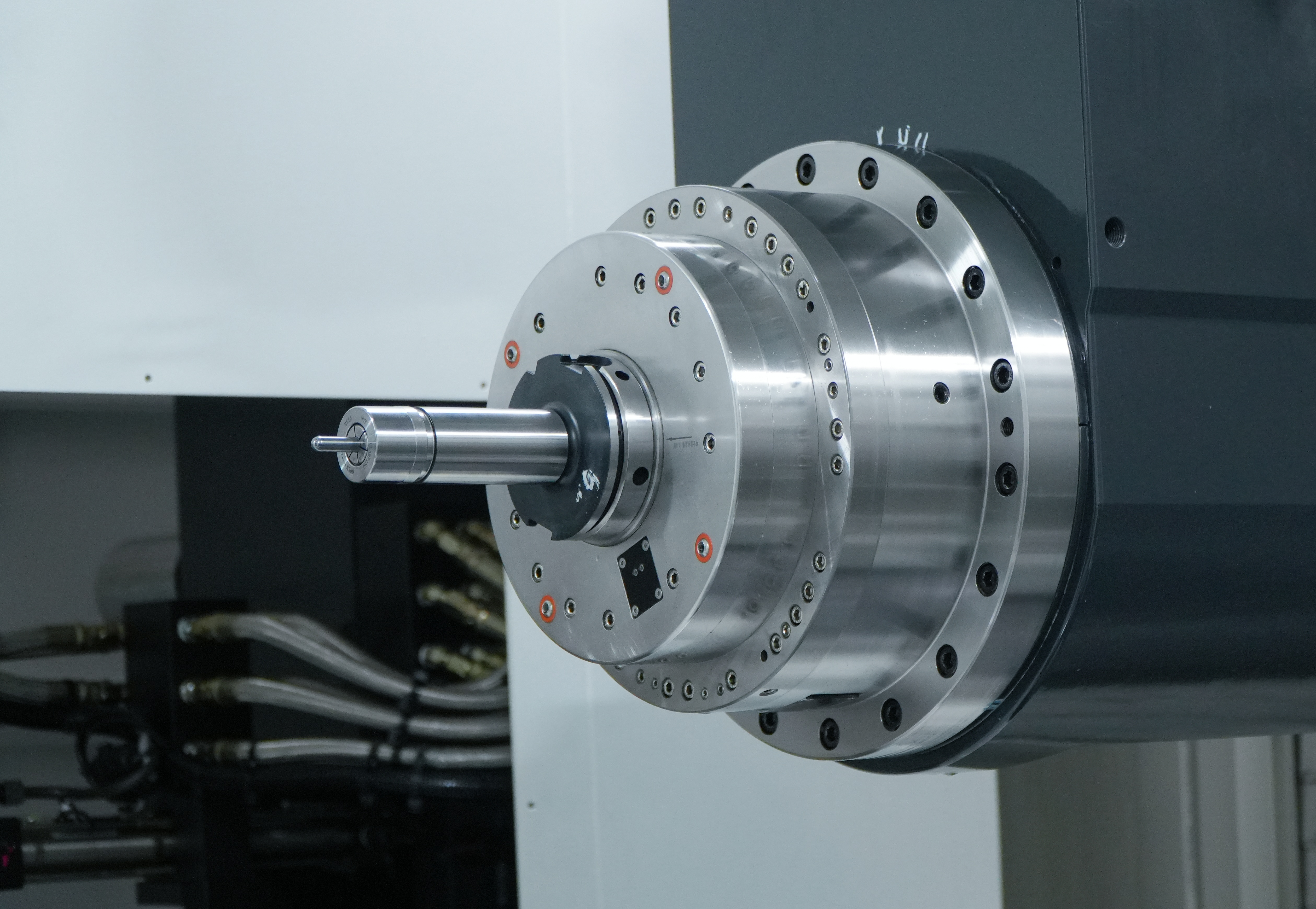
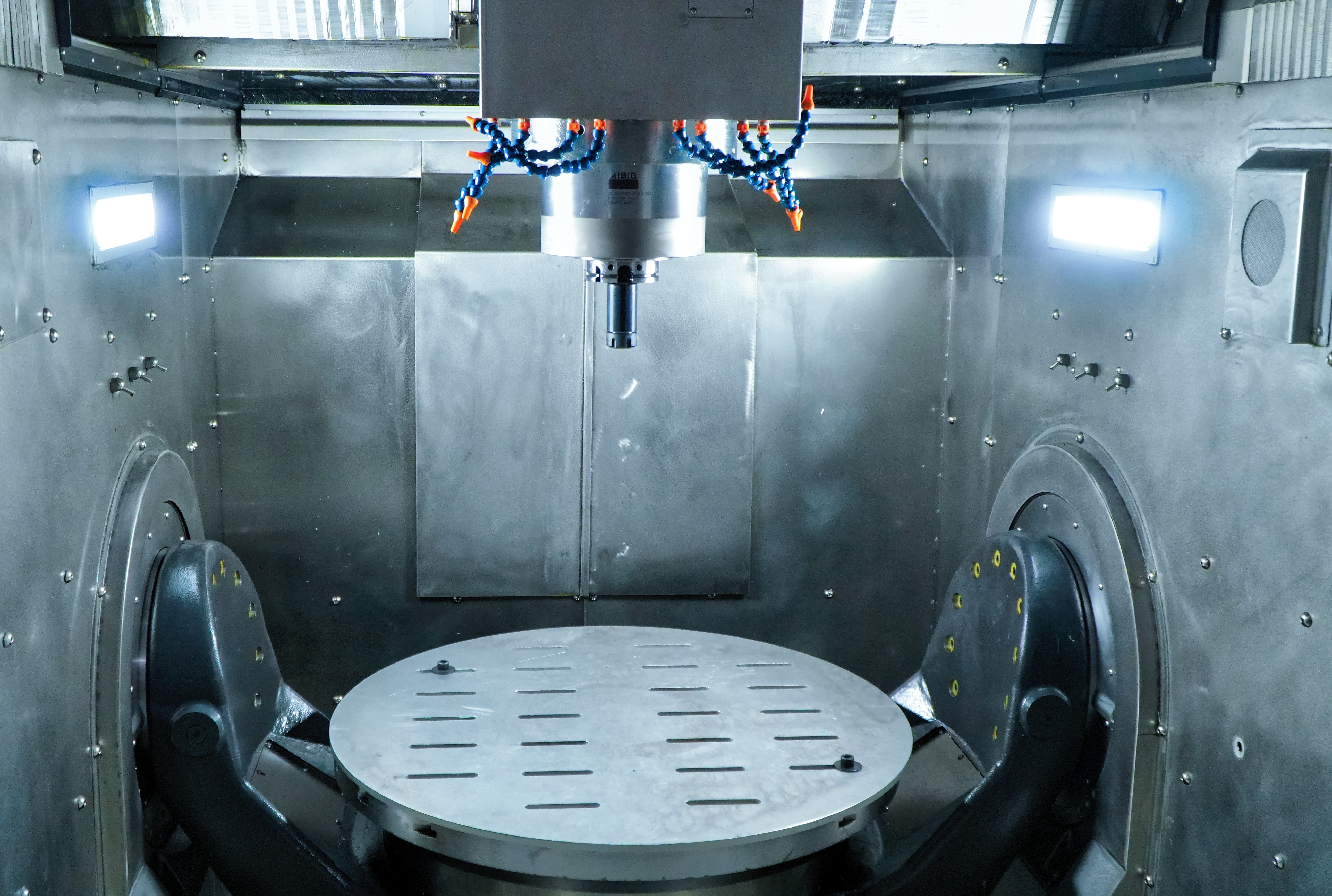
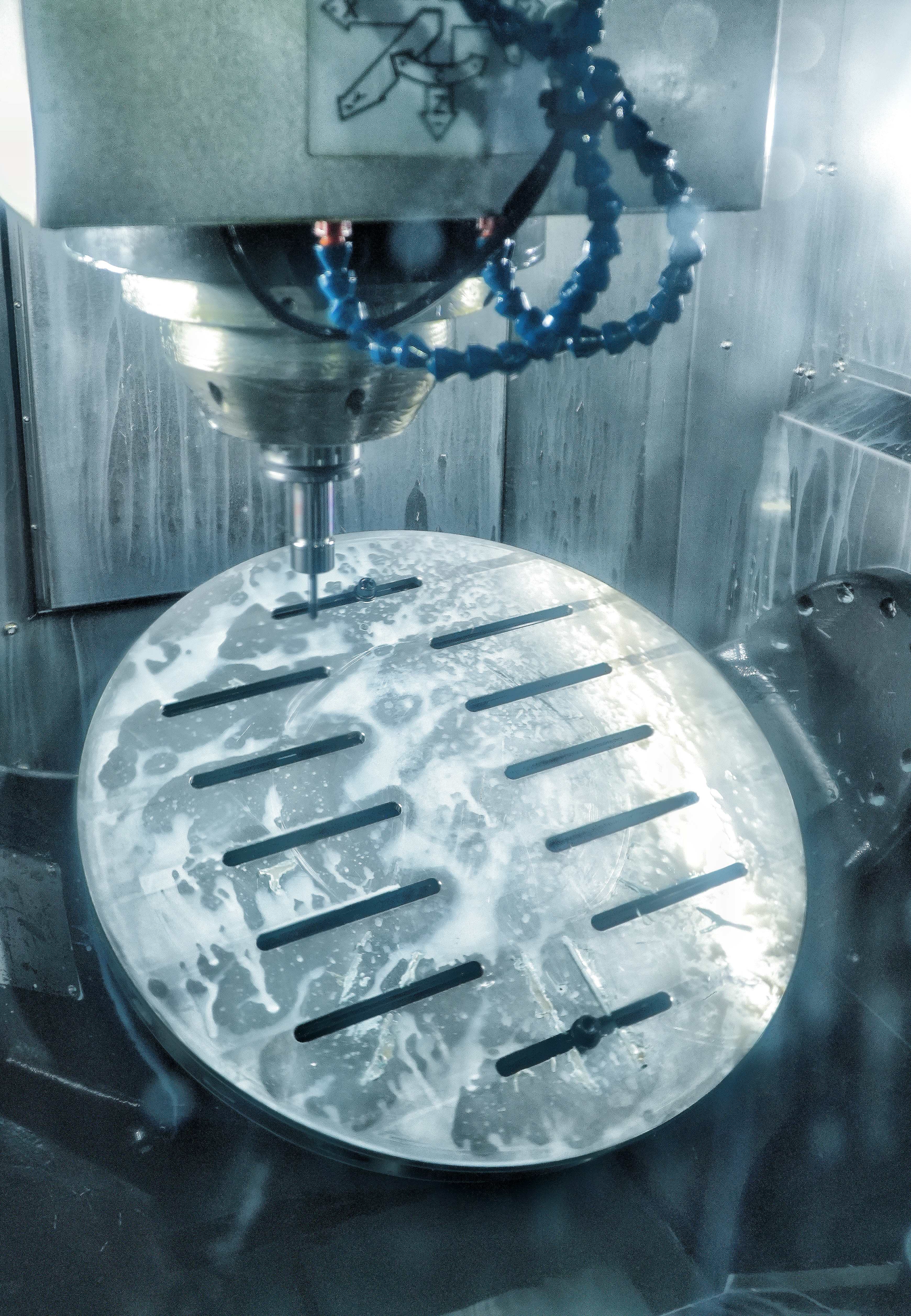
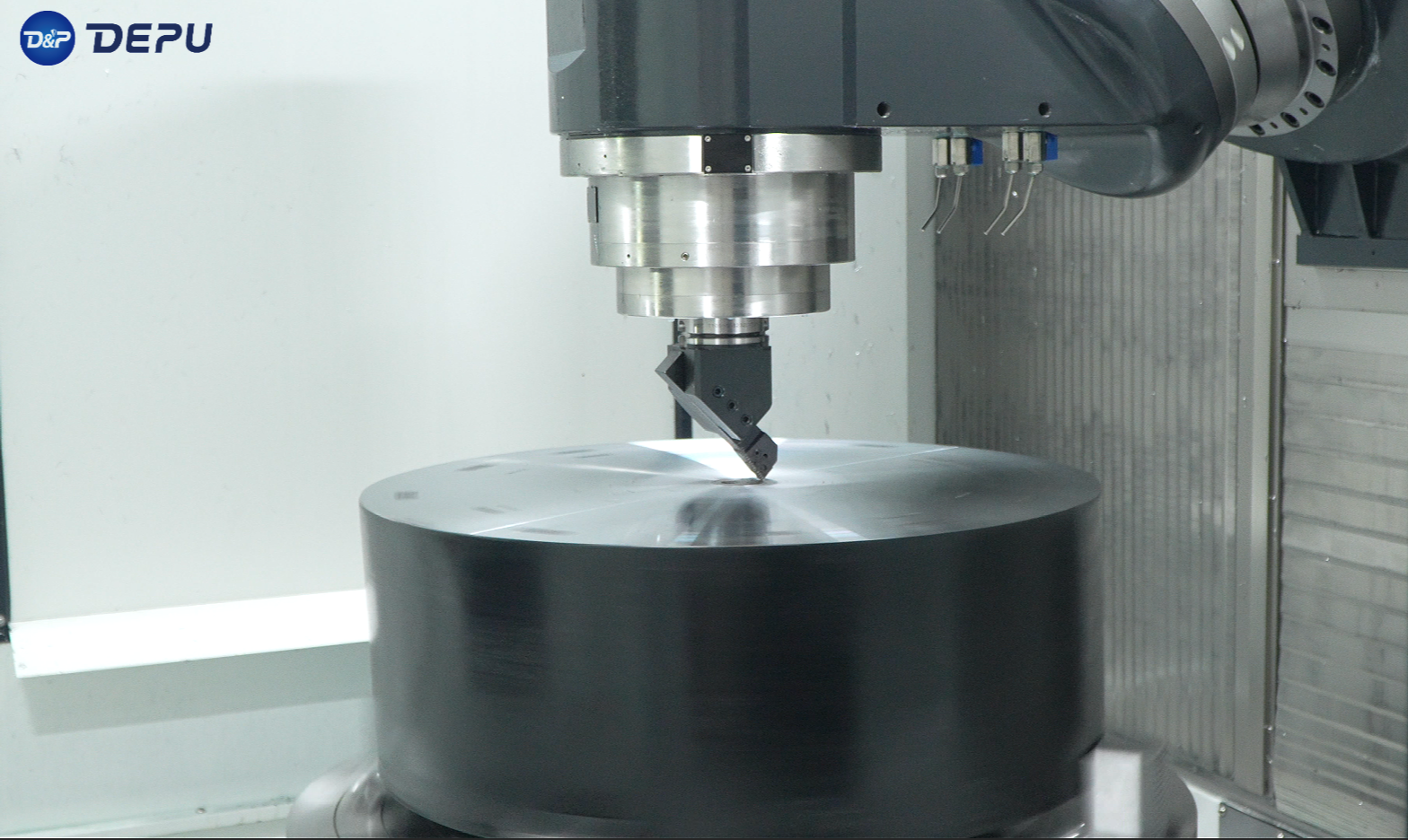
In contrast, a 5-axis CNC machine adds two rotational axes, typically A and B. This allows the cutting tool to approach the workpiece from virtually any direction in a single setup. The extra freedom enables continuous contouring, undercuts, and organic shapes that would require multiple re-fixturings on a 3-axis machine.
Key Advantages of 5-Axis Manufacturing
The decision to upgrade or outsource to 5-axis often hinges on several compelling benefits:
-
Fewer Setups and Reduced Lead Times: Complex parts that need machining on multiple sides can be completed in one clamping on a 5-axis machine, eliminating repositioning errors and saving significant time.
-
Superior Surface Finishes: Optimal tool angles reduce chatter and allow shorter, more rigid tools, resulting in smoother surfaces with less need for secondary polishing.
-
Improved Accuracy and Tolerance: Single-setup machining maintains consistent datums, delivering tighter tolerances critical for aerospace, medical, and defense components.
-
Complex Geometry Capabilities: 5-axis handles undercuts, compound angles, deep cavities, and freeform surfaces impossible or inefficient on 3-axis machines.
-
Extended Tool Life and Efficiency: Better tool engagement reduces wear, allowing higher speeds and feeds while minimizing vibration.
Choosing 5-Axis CNC Machine
Consider 5-axis when your project meets these criteria:
-
Complex Part Geometries: If the design includes curved surfaces, turbine blades, impellers, orthopedic implants, or parts with undercuts, 5-axis is often the only practical solution. 3-axis would require multiple setups, increasing error risk and cost.
-
High Precision and Tight Tolerances: Applications demanding exceptional accuracy across multiple faces benefit from single-setup machining, reducing cumulative errors.
-
Low to Medium Volume Production: For prototypes or small batches of intricate parts, 5-axis reduces overall cycle time and scrap rates, often offsetting higher machine-hour costs.
-
High-Value Materials: Expensive alloys like titanium or Inconel benefit from efficient material removal and minimized waste.
-
Multi-Sided Features: Parts requiring machining on five or six sides without repositioning are prime candidates for 5-axis.
Conversely, stick with 3-axis for simple prismatic parts, large flat surfaces, or high-volume runs where complexity is minimal. Overusing 5-axis for straightforward jobs can unnecessarily inflate costs due to higher programming and machine expenses.
Industries that Benefit Most from 5-Axis Machining
-
Aerospace: Turbine blades, structural components, and engine casings demand complex contours and lightweight materials.
-
Medical: Patient-specific implants, prosthetics, and surgical tools require organic shapes and biocompatibility.
-
Automotive: Prototyping engine parts, molds, and high-performance components.
-
Mold & Die: Complex cavities and cores for injection molding.
-
Energy and Defense: Impellers, valve bodies, and precision defense hardware.
Cost Considerations and ROI
5-axis machines have higher upfront and programming costs, plus more complex maintenance. However, they deliver strong ROI through reduced setups, faster throughput, better finishes, and lower scrap. Many shops find that 5-axis pays for itself quickly on complex, high-margin work. For manufacturers without in-house 5-axis capacity, partnering with an expert provider is a smart alternative.
Why Partner with DEPU for 5-Axis Solutions?
When evaluating when to choose 5-axis over 3-axis CNC machines, working with a trusted manufacturer ensures optimal results. DEPU is a professional 5 axis CNC manufacturer with over 20 years of expertise. DEPU offers advanced machines like the U1000 and G300 series featuring ZEISS-certified precision, Renishaw calibration, and robust designs using wear-resistant alloys. The comprehensive support, including custom fixturing, programming, and full-process quality control, helps clients transition seamlessly from 3-axis to 5-axis workflows. DEPU’s AI-driven smart manufacturing solutions maximize efficiency across aerospace, medical, automotive, and other demanding industries.
Best Practices for Implementation
Successful 5-axis adoption requires skilled programmers, advanced CAM software, collision avoidance strategies, and proper training. Start with simpler 3+2 indexed operations before moving to full simultaneous 5-axis contouring. Thorough simulation and testing prevent costly mistakes.
Deciding when to choose 5-axis over 3-axis CNC machines depends on part complexity, precision requirements, production volume, and overall project economics. For intricate geometries, tight tolerances, and high-value applications, 5-axis delivers unmatched efficiency, accuracy, and design freedom. While 3-axis remains suitable for simpler tasks, embracing 5-axis technology, whether through investment or strategic partnerships like DEPU, positions manufacturers for greater competitiveness in today’s demanding markets.
Evaluate your specific parts and consult experts to make the right choice. The transition to 5-axis can unlock new possibilities, reduce lead times, and elevate product quality across your operations.