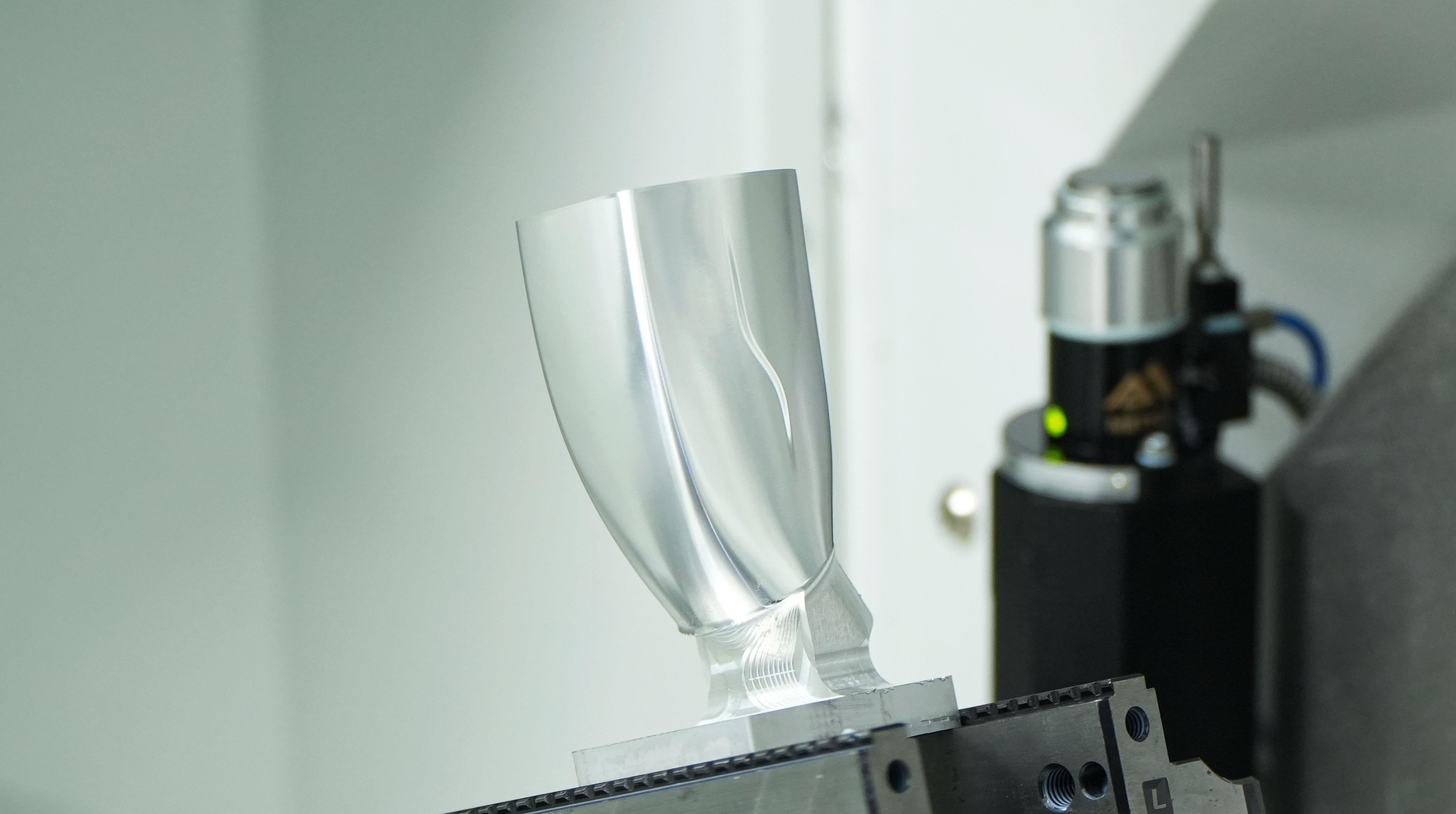

Choosing between 3-axis and 5-axis CNC milling machines represents one of the most critical equipment decisions facing modern manufacturing facilities. This choice directly impacts production capabilities, part complexity limitations, operational efficiency, and long-term competitive positioning in an increasingly demanding marketplace.
The fundamental difference between these two machine configurations lies in their degrees of freedom and geometric accessibility. While 3-axis CNC milling machines operate along three linear axes, 5-axis systems add two rotational axes that dramatically expand machining possibilities. Understanding which configuration aligns with your factory's specific requirements, production volumes, part complexity, and budget constraints determines the success of this substantial capital investment.
Understanding the Core Differences Between 3-Axis and 5-Axis CNC Milling Machines
Basic Operational Principles
Three-axis CNC milling machines move cutting tools along three perpendicular linear axes designated as X, Y, and Z. The X-axis represents horizontal movement left to right, the Y-axis controls front-to-back motion, and the Z-axis manages vertical up-and-down positioning. This configuration enables machining of flat surfaces, simple contours, and basic geometric features with the workpiece remaining stationary throughout the cutting process.
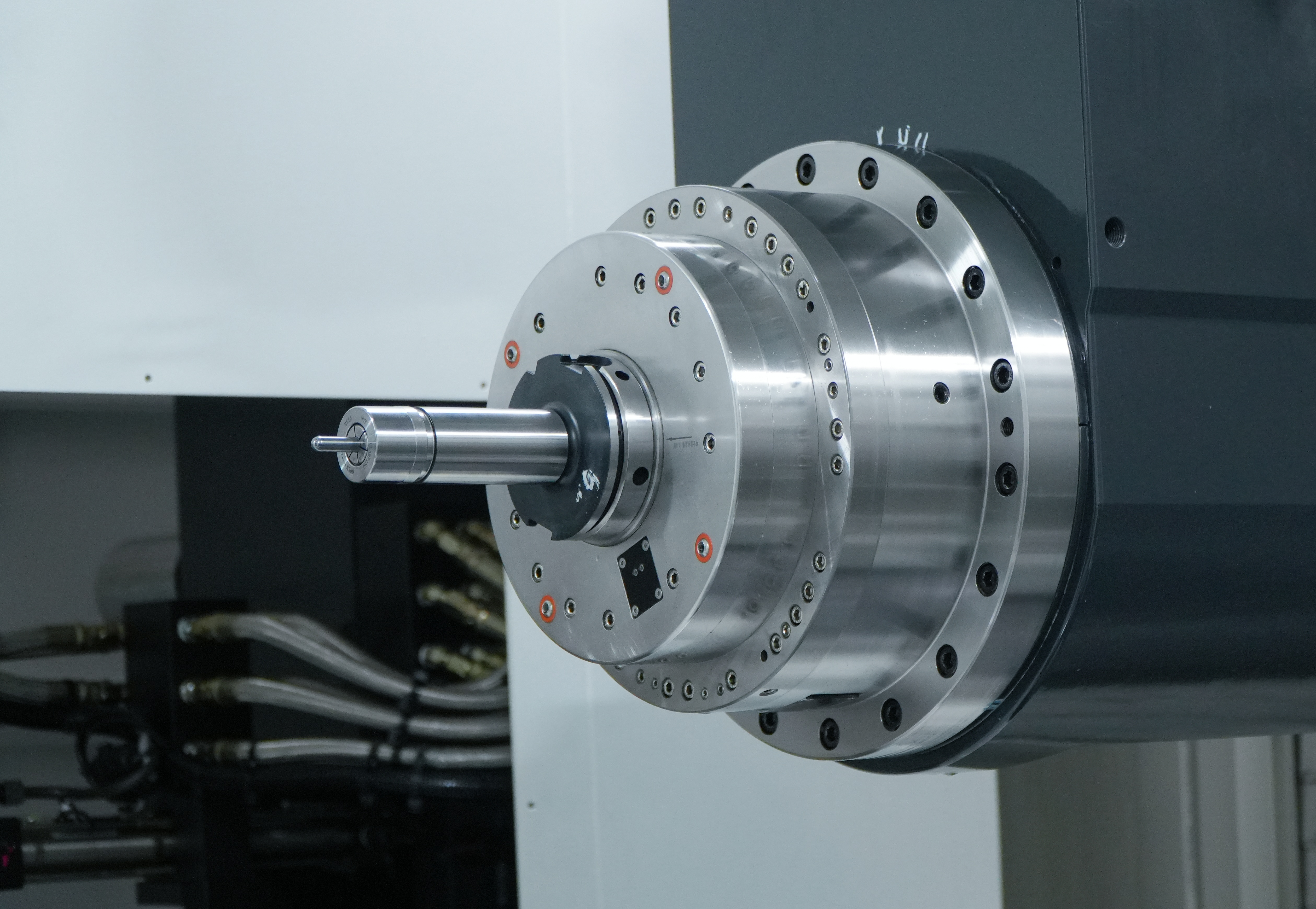
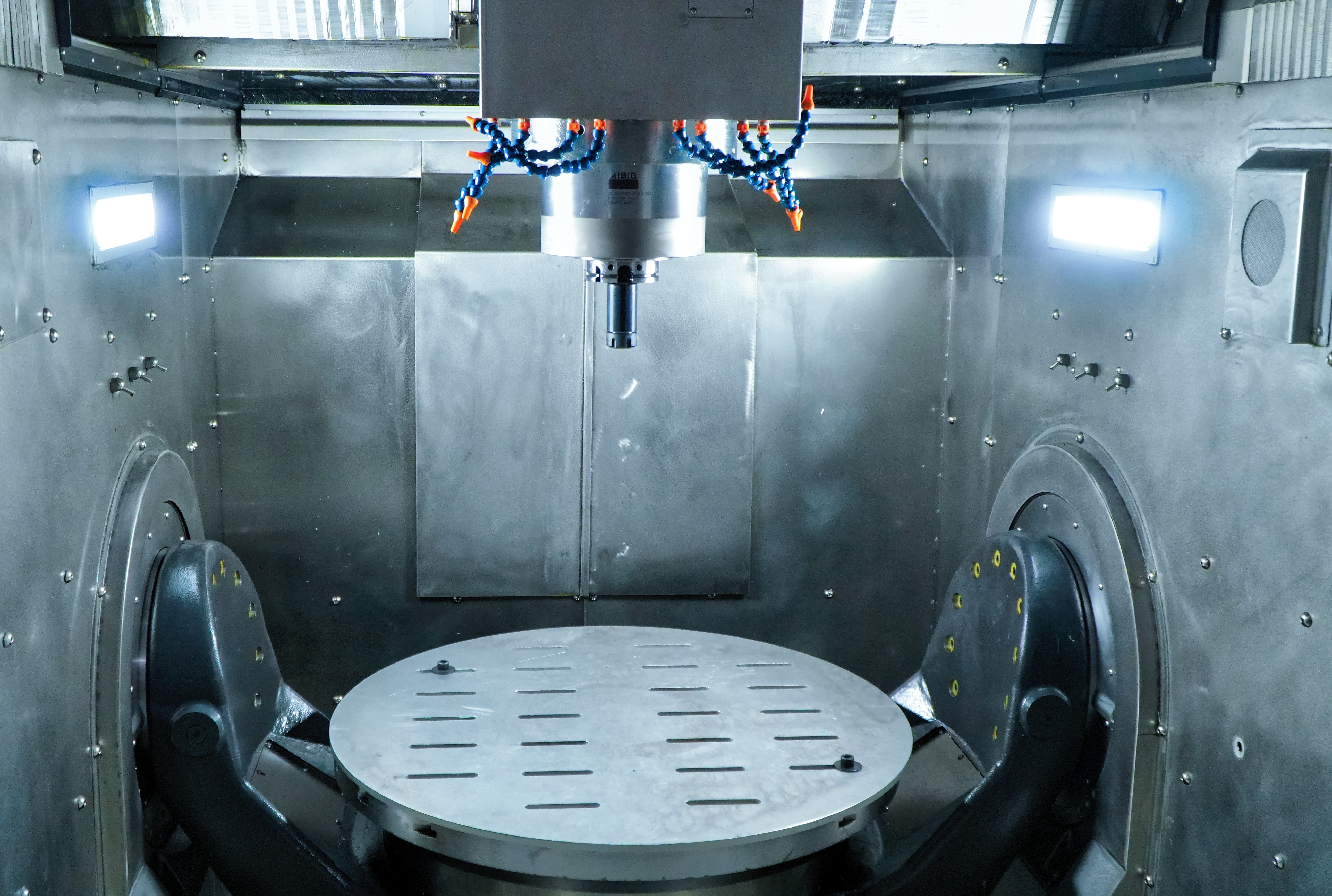
Five-axis CNC milling machines incorporate the same three linear movements but add two rotational axes typically labeled A and B or B and C depending on manufacturer conventions. These additional rotational capabilities allow the cutting tool or workpiece to rotate around multiple axes simultaneously. This enhanced movement freedom enables access to complex geometries, undercuts, and intricate surface contours that remain impossible with traditional 3-axis machining.
Geometric Accessibility and Part Complexity
The geometric limitations of 3-axis CNC milling machines become apparent when machining parts requiring tool access from multiple angles. Traditional 3-axis systems often necessitate multiple setups, workpiece repositioning, and specialized fixtures to complete complex components. Each setup introduces potential alignment errors, extends cycle times, and increases labor requirements.
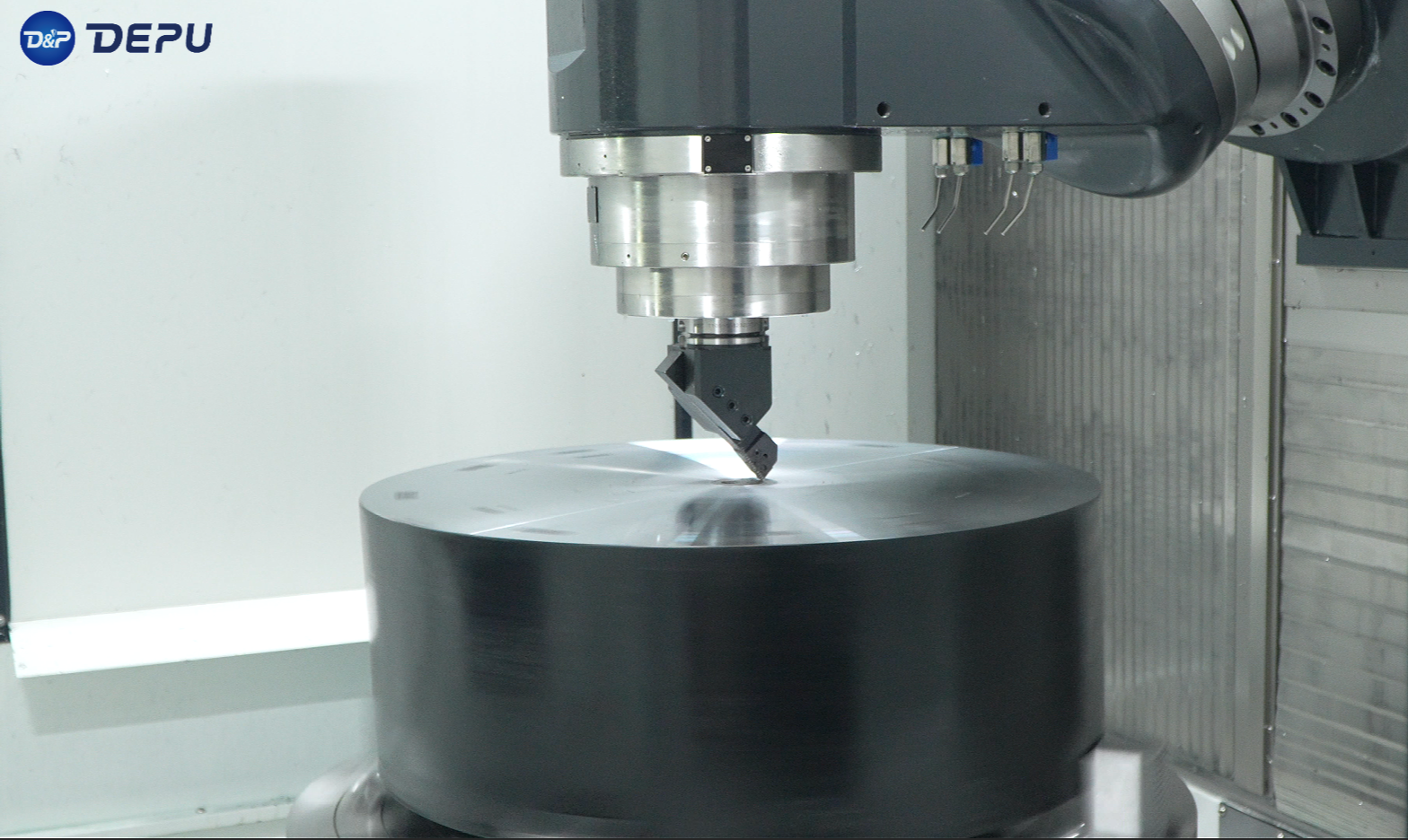
Five-axis systems eliminate many geometric restrictions by positioning cutting tools at optimal angles relative to part surfaces. This capability enables single-setup machining of complex components, reduces setup time, minimizes workpiece handling, and maintains superior dimensional accuracy throughout the manufacturing process. The enhanced geometric freedom proves particularly valuable for aerospace components, medical implants, and intricate mold features.
Production Efficiency and Operational Considerations
Cycle Time and Throughput Analysis
Production efficiency comparison between 3-axis and 5-axis CNC milling machines depends heavily on part complexity and production volumes. Simple prismatic components often machine faster on 3-axis systems due to reduced programming complexity, shorter setup times, and straightforward toolpath strategies. Manufacturing facilities producing high volumes of relatively simple parts may achieve superior throughput with well-optimized 3-axis operations.
Complex components requiring multiple setups on 3-axis equipment typically show dramatic efficiency improvements when migrated to 5-axis systems. Single-setup capability eliminates intermediate handling, reduces inspection requirements, and minimizes cumulative tolerance stack-up. Advanced 5-axis programming capabilities enable simultaneous roughing and finishing operations that further compress cycle times for sophisticated geometries.
Setup Requirements and Labor Intensity
Setup complexity varies significantly between 3-axis and 5-axis CNC milling machines depending on part requirements and operator skill levels. Three-axis setups generally follow established procedures familiar to most machinists, utilizing standard vises, fixtures, and workholding solutions. This familiarity reduces training requirements and enables consistent setup times across different operators.
Five-axis setups demand higher operator expertise, specialized workholding systems, and comprehensive understanding of rotational axis relationships. However, the reduction in total setups per part often compensates for increased individual setup complexity. Advanced 5-axis systems incorporate automated workpiece measurement, tool setting, and collision detection features that streamline setup procedures and reduce operator skill requirements.
Investment Considerations and Total Cost of Ownership
Initial Capital Investment Requirements
The capital cost differential between 3-axis and 5-axis CNC milling machines represents a significant factor in equipment selection decisions. Entry-level 3-axis machines typically cost 30-50% less than comparable 5-axis systems, making them attractive for budget-conscious operations or applications with straightforward machining requirements.
Five-axis system pricing reflects their increased mechanical complexity, advanced control systems, and sophisticated software requirements. However, the total cost evaluation must consider productivity gains, reduced secondary operations, improved part quality, and expanded capability benefits. Many facilities discover that 5-axis systems justify their higher initial investment through enhanced operational efficiency and expanded market opportunities.
Operating Costs and Maintenance Requirements
Operational cost analysis reveals important differences between 3-axis and 5-axis CNC milling machines beyond initial purchase price. Three-axis systems typically feature lower maintenance costs due to reduced mechanical complexity, fewer moving components, and simplified calibration procedures. Replacement parts and service support remain widely available from multiple suppliers.
Five-axis machines require more sophisticated maintenance protocols, including rotational axis calibration, thermal compensation verification, and advanced diagnostic procedures. However, modern 5-axis systems incorporate predictive maintenance features, automated calibration routines, and comprehensive condition monitoring that help optimize maintenance schedules and minimize unplanned downtime.
Application Suitability and Industry-Specific Requirements
Manufacturing Sector Analysis
Different manufacturing sectors exhibit distinct preferences between 3-axis and 5-axis CNC milling machines based on typical part geometries, production volumes, and quality requirements. General machining shops serving diverse customers often benefit from 3-axis versatility, especially when handling high-volume production of relatively simple components like brackets, housings, and basic mechanical parts.
Aerospace, medical device, and automotive sectors increasingly demand 5-axis capabilities for complex components requiring superior surface finishes, tight tolerances, and intricate geometries. These industries value the single-setup capability, enhanced precision, and ability to machine exotic materials that 5-axis systems provide. The investment in advanced machining technology often correlates directly with contract opportunities and competitive positioning.
Part Geometry and Complexity Assessment
Evaluating your factory's typical part requirements provides crucial guidance for selecting between 3-axis and 5-axis CNC milling machines. Components featuring predominantly flat surfaces, simple holes, and basic contours remain well-suited for 3-axis machining. These parts benefit from the straightforward programming, reliable processes, and cost-effective production that 3-axis systems deliver.
Parts requiring compound angles, deep cavities, sculptured surfaces, or multi-sided features strongly favor 5-axis machining approaches. The ability to maintain optimal cutting tool orientation throughout complex toolpaths results in superior surface finishes, reduced tool wear, and elimination of secondary operations. This capability becomes essential for mold and die work, turbine components, and medical implants.
Decision Framework and Selection Criteria
Technical Requirements Assessment
Developing a comprehensive technical requirements profile enables objective comparison between 3-axis and 5-axis CNC milling machines for your specific applications. Begin by cataloging current and anticipated part geometries, material requirements, tolerance specifications, and surface finish expectations. This analysis reveals whether your production demands can be satisfied with 3-axis capabilities or require 5-axis functionality.
Consider future product development directions and potential market expansion opportunities when evaluating technical requirements. Manufacturing facilities often discover that 5-axis capabilities enable pursuit of higher-value contracts and more sophisticated product offerings. The enhanced machining flexibility may justify investment even when current production could theoretically operate with 3-axis equipment.
Financial Justification Analysis
Comprehensive financial analysis must extend beyond initial equipment costs to encompass total cost of ownership over the machine's productive life. Calculate the impact of reduced setup times, elimination of secondary operations, improved quality metrics, and expanded capability benefits when comparing 3-axis versus 5-axis options. Many facilities discover that apparent 5-axis cost premiums disappear when evaluated against comprehensive operational benefits.
Factor in potential revenue growth from enhanced capabilities, reduced outsourcing requirements, and improved competitive positioning. Five-axis CNC milling machines often enable facilities to retain work previously sent to specialized suppliers, improving profit margins and delivery control. These strategic considerations frequently outweigh pure cost comparison metrics in sophisticated manufacturing environments.
FAQ
Can 3-axis CNC milling machines handle most common manufacturing requirements?
Yes, 3-axis CNC milling machines can effectively handle approximately 70-80% of typical manufacturing requirements including flat surfaces, simple contours, basic holes, and standard mechanical components. They excel in high-volume production environments where part complexity remains moderate and setup efficiency takes priority over geometric flexibility. However, complex geometries requiring tool access from multiple angles may necessitate multiple setups or prove impossible to machine effectively.
What types of parts specifically require 5-axis CNC milling capabilities?
Parts requiring 5-axis capabilities typically include complex aerospace components with compound curves, medical implants with intricate surface textures, injection mold cores with deep cavities and undercuts, turbine blades with twisted geometries, and automotive components featuring multiple angled surfaces. Any part requiring tool access from multiple directions or featuring surfaces that cannot be reached with standard 3-axis orientation benefits significantly from 5-axis machining capabilities.
How do programming and operator skill requirements differ between 3-axis and 5-axis systems?
Programming 3-axis CNC milling machines requires understanding of three linear axes and standard toolpath strategies, making it accessible to most CNC programmers. Five-axis programming demands comprehensive understanding of rotational axis relationships, collision avoidance, tool orientation optimization, and complex workpiece coordinate systems. Operator skill requirements are similarly elevated for 5-axis systems, requiring training in rotational axis setup, workpiece alignment verification, and advanced troubleshooting procedures.
What return on investment timeline can factories expect when upgrading to 5-axis systems?
Return on investment for 5-axis CNC milling machines typically ranges from 18 months to 4 years depending on utilization rates, part complexity, and operational efficiency gains. Facilities machining complex components requiring multiple 3-axis setups often achieve faster payback through reduced cycle times and improved quality. Shops expanding into higher-value markets enabled by 5-axis capabilities may realize returns through revenue growth rather than pure cost reduction, extending payback periods but providing greater long-term value creation.