
How does a 5 Axis CNC Machine Work?
In the high-precision world of modern manufacturing, the leap from 3-axis to 5-axis CNC machining represents more than just an incremental upgrade; it is a fundamental shift in how we approach geometric complexity. To understand why industries like aerospace, medical, and high-end automotive rely so heavily on this technology, one must first understand the intricate mechanics and synchronized movements that happen behind the machine’s protective doors.
At the forefront of this technological revolution is DEPU CNC, a manufacturer dedicated to providing the efficiency and stability required to master these complex motions.
Beyond X, Y, and Z
A standard 3-axis machine operates on three linear axes:
X-axis: Moving left to right.
Y-axis: Moving front to back.
Z-axis: Moving up and down.
While highly effective for prismatic parts, 3-axis machines are limited. If you need to machine the underside or the side of a part, you must manually stop the machine, unclamp the workpiece, rotate it, and recalibrate it. This introduces human error and consumes valuable time.
A 5-axis machine adds two rotational axes to these three linear ones. These rotational axes are typically identified as two of the following:
A-axis: Rotation around the X-axis.
B-axis: Rotation around the Y-axis.
C-axis: Rotation around the Z-axis.
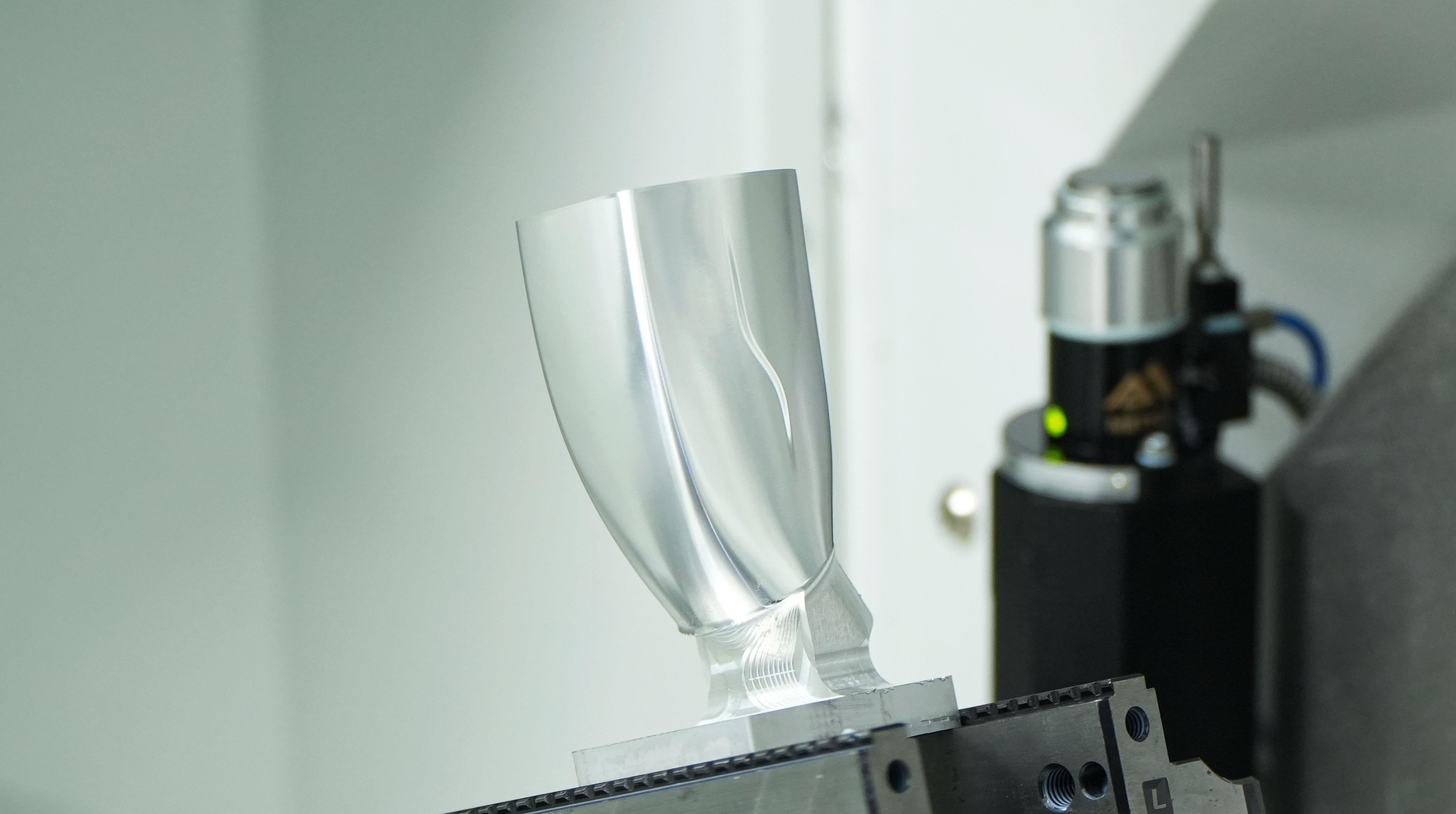
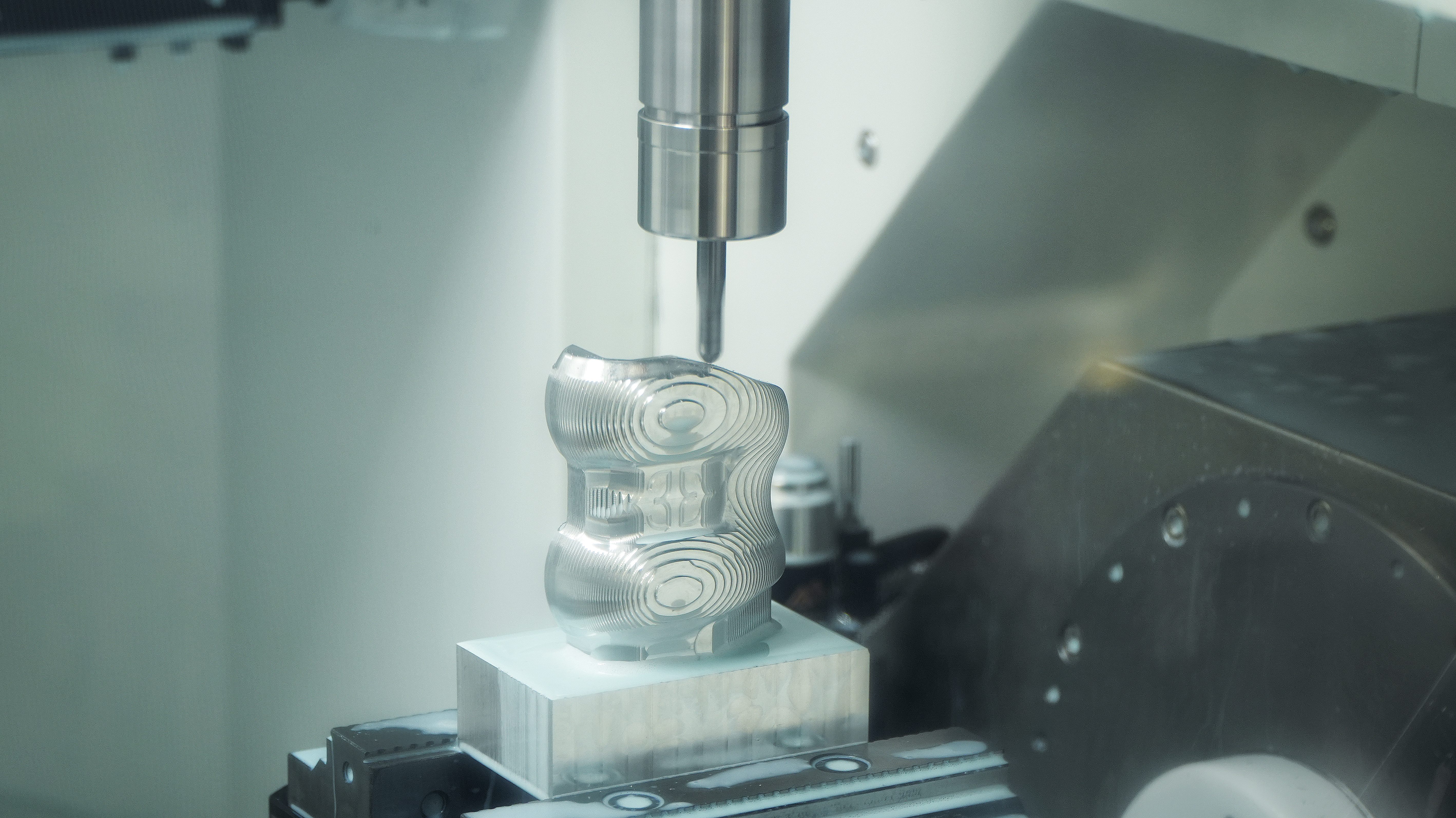
By utilizing five axes simultaneously, the cutting tool can stay tangent to the workpiece surface at all times, allowing for the creation of organic, flowing shapes like turbine impellers or anatomical implants.
Table vs. Head
Not all types of 5 axis CNC machine achieve their motion in the same way. The mechanical structure generally falls into three categories:
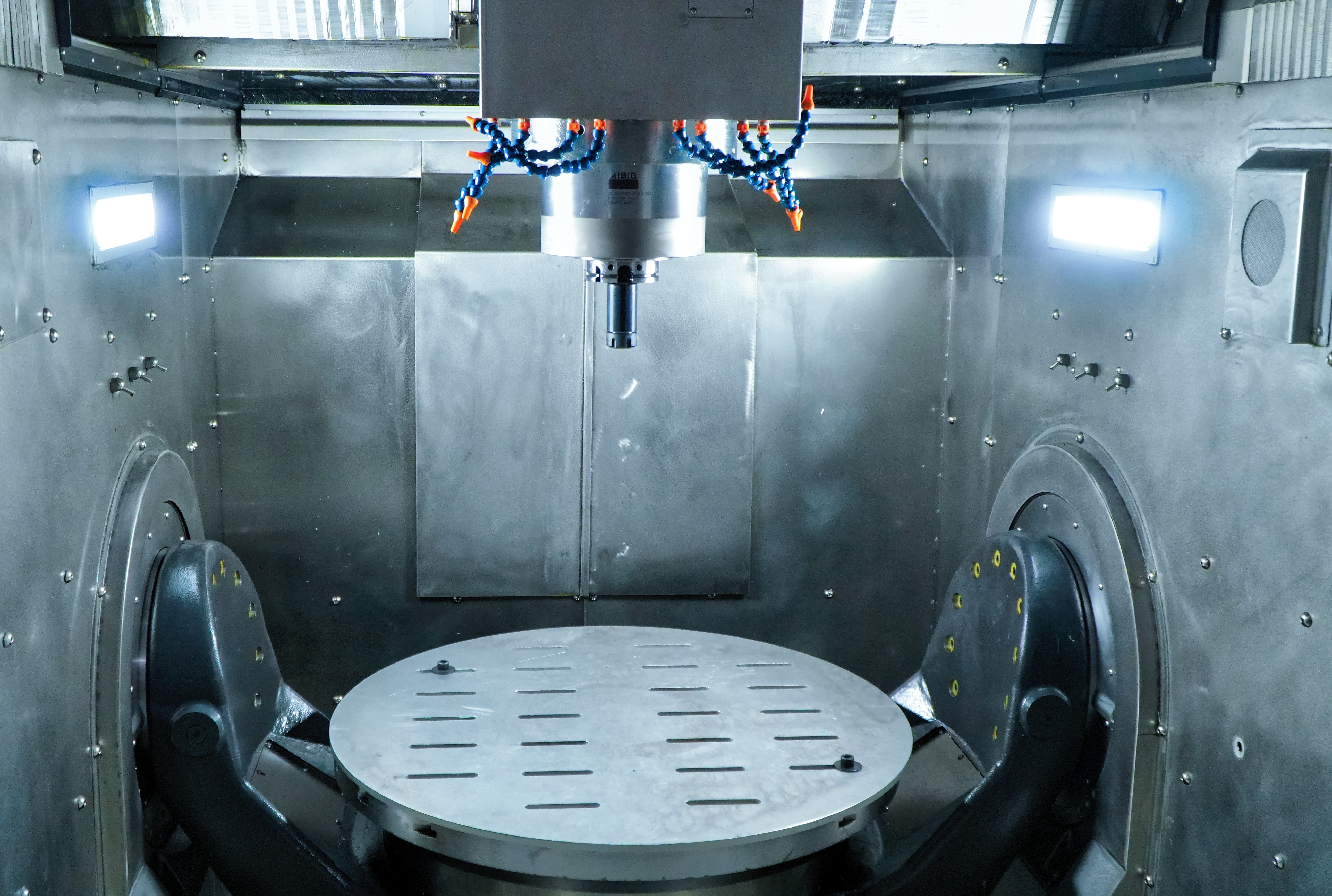
1.Trunnion Style (Table-Table): In this setup, the two rotational axes are located within the worktable. The table tilts (A-axis) and rotates (C-axis). This configuration is excellent for larger work envelopes and provides high torque for heavy-duty material removal.
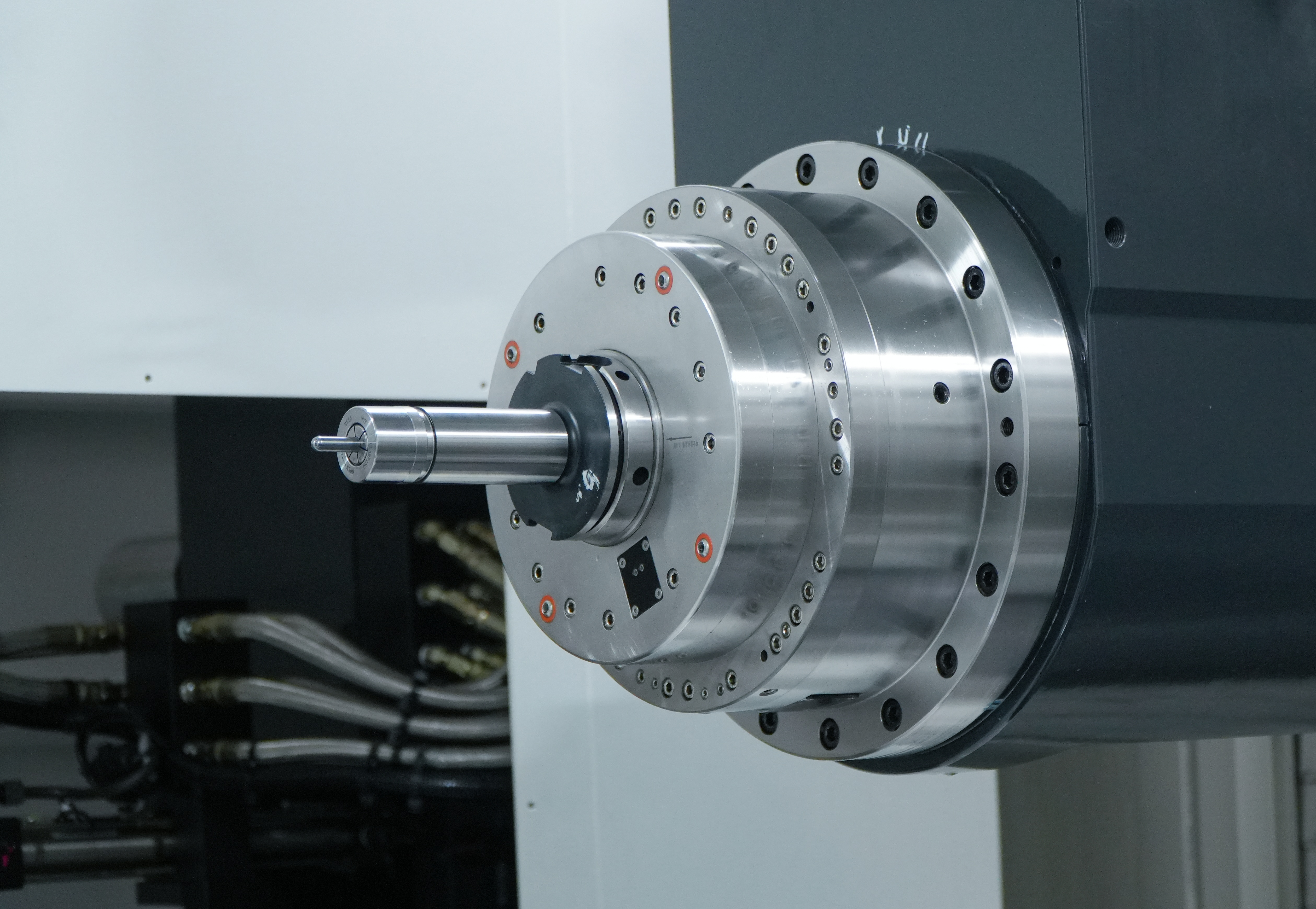
2.Swivel Head Style (Head-Head): Here, the table remains stationary or moves linearly, while the spindle head itself tilts and rotates. This is ideal for machining very large, heavy parts that would be difficult to move or rotate on a table.
Hybrid Style (Head-Table): This combines a tilting head with a rotating table. This provides a balance of flexibility and is often used for specialized long-form components.
The Controller and CAM
The true magic of 5-axis machining happens in the interaction between the CAM (Computer-Aided Manufacturing) software and the CNC controller.
Because five axes are moving at once, the machine must perform millions of vector calculations per second. It must ensure that as the table tilts, the tip of the cutting tool stays in the exact same contact point relative to the workpiece, a feature known as Tool Center Point Control (TCPC). Without this, the tool would gouge the part as the axes rotated.
DEPU CNC integrates high-end control systems (such as Fanuc, Siemens, or Heidenhain) that are specifically tuned to handle these complex algorithms. This ensures that the transition between linear and rotational movements is fluid, preventing dwell marks and ensuring a mirror-like surface finish.
Continuous 5-Axis vs. 3+2 Machining
It is important to distinguish between Continuous 5-axis and 3+2 machining, also called positional 5-axis.
3+2 Machining: The machine locks the two rotational axes into a specific position, and then performs a standard 3-axis cut. It then moves to a new angle and repeats the process.
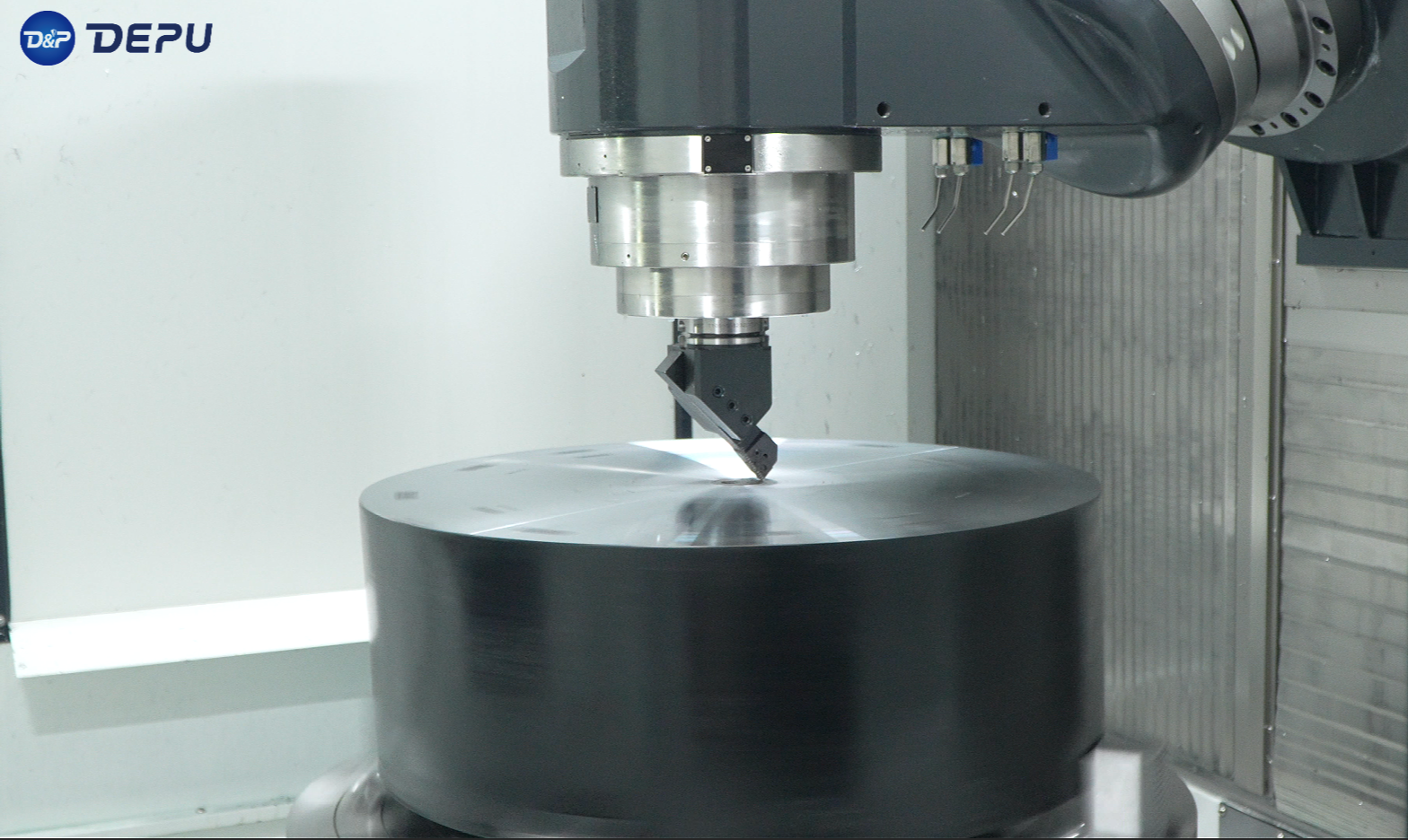
Continuous 5-Axis: All five axes move simultaneously. This is required for complex curved surfaces, such as those found on an aerospace impeller or a molded car dashboard.
DEPU machines are designed to excel in both modes, offering the rigidity needed for heavy 3+2 positioning and the high-speed processing power required for continuous simultaneous movement.
DEPU CNC’s Approach
The challenge with 5-axis machining is that adding more moving parts usually increases the risk of vibration and inaccuracy. DEPU CNC overcomes this through a philosophy of Efficiency and Stability.
By using high-grade castings for the machine base and precision-ground ball screws, DEPU ensures that when the machine tilts and rotates at high speeds, the structural integrity remains uncompromised. This stability is what allows operators to achieve micron-level tolerances consistently. Furthermore, DEPU’s comprehensive support services ensure that operators are trained to handle the complexities of 5-axis programming, reducing the learning curve for businesses upgrading from 3-axis systems.
A 5-axis CNC machine works by harmonizing geometry, mechanics, and mathematics. By adding two rotational axes to the traditional three, it grants the cutting tool total freedom of movement, enabling one-setup machining for even the most impossible designs.
As manufacturing continues to push the boundaries of what is possible, understanding the mechanics of 5-axis technology is essential. With a partner like DEPU CNC, manufacturers can leverage this complex motion to achieve higher precision, faster lead times, and a definitive edge in the global market.