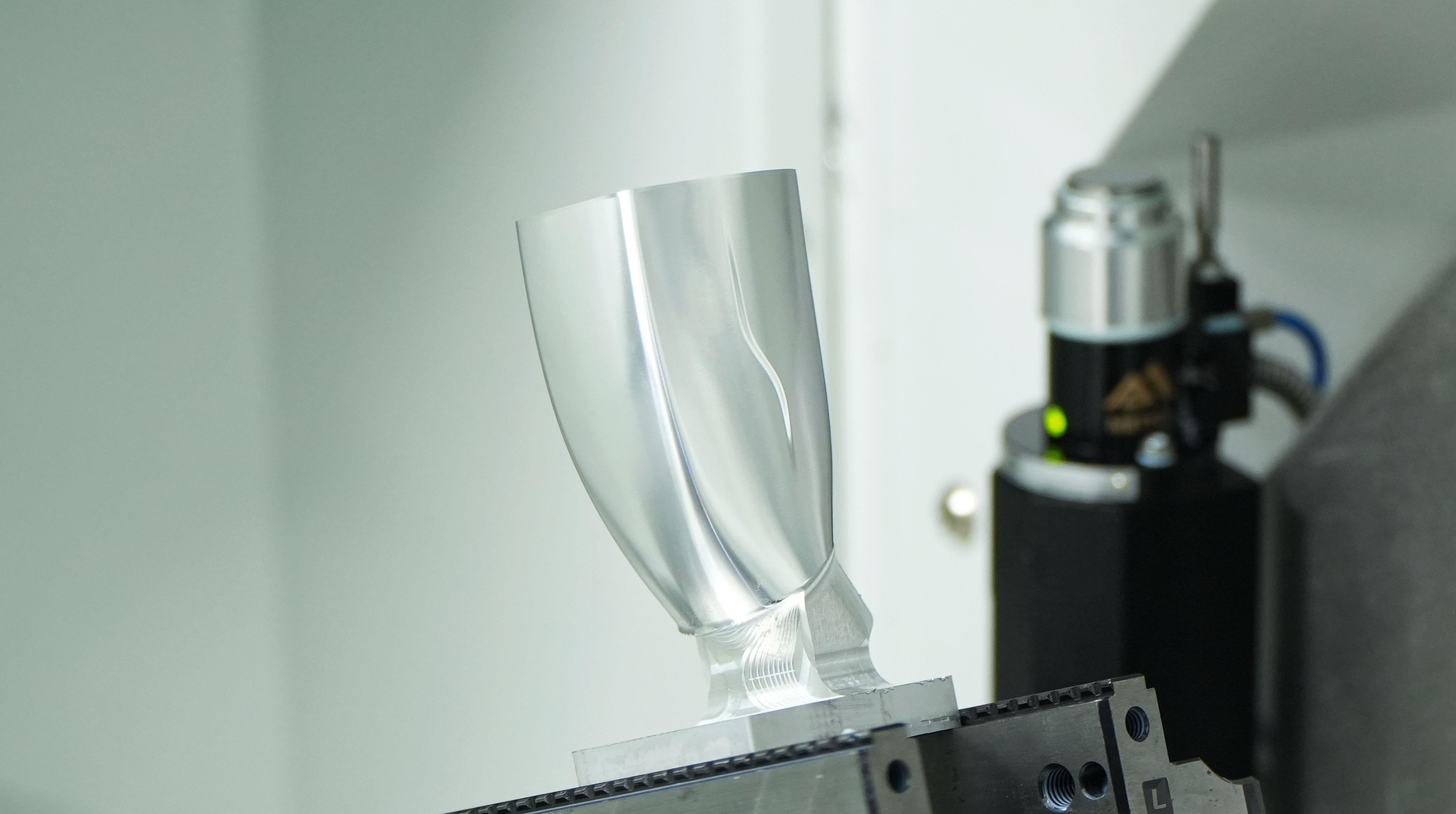

CNC milling machine maintenance represents the cornerstone of sustainable manufacturing operations, directly impacting equipment longevity, production efficiency, and operational costs. Manufacturing facilities that implement comprehensive maintenance protocols for their CNC milling machine systems often experience up to 40% reduction in unexpected downtime and significantly extended equipment lifecycles. The investment in proper maintenance strategies pays dividends through consistent performance, reduced repair costs, and maximized return on expensive machining equipment.
Effective CNC milling machine maintenance encompasses five critical areas that form the foundation of equipment preservation: systematic cleaning protocols, precision lubrication schedules, spindle and tooling care, electrical system monitoring, and proactive component replacement strategies. These maintenance pillars work synergistically to prevent premature wear, maintain machining accuracy, and ensure consistent production output. Understanding and implementing these essential maintenance tips transforms reactive repair approaches into proactive equipment stewardship, ultimately extending the operational life of CNC milling machine investments.
Systematic Cleaning and Environmental Control
Daily Cleaning Protocols for CNC Milling Machine Components
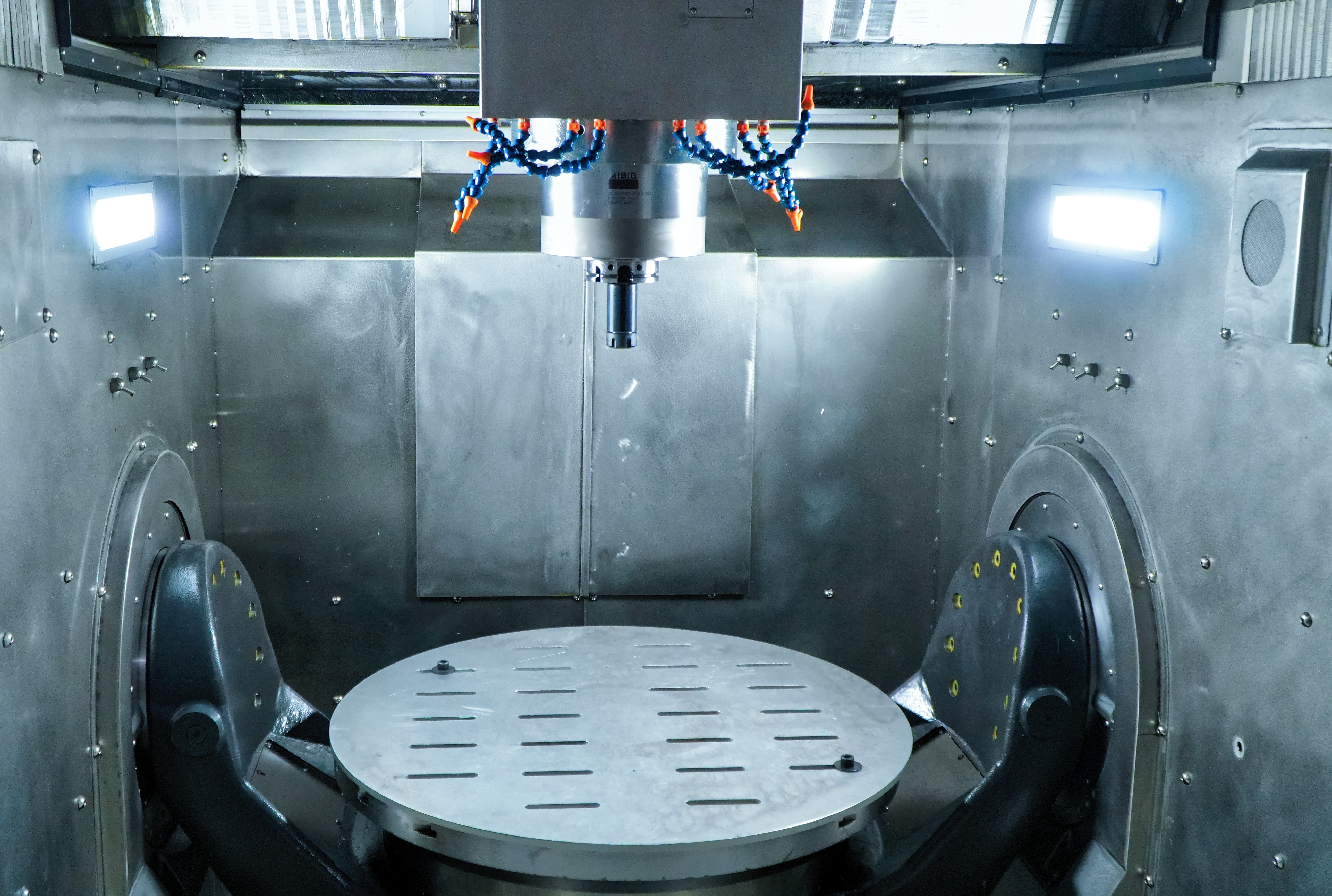
Daily cleaning represents the first line of defense in CNC milling machine maintenance, removing metal chips, coolant residue, and environmental contaminants that accelerate component wear. Effective cleaning protocols begin with complete chip removal from all machine surfaces, including hard-to-reach areas around the spindle housing, tool changer mechanisms, and linear guide ways. Metal chips left on machine surfaces can embed in moving components, causing scoring, premature wear, and accuracy degradation over time.
The cleaning process should utilize appropriate cleaning solutions that dissolve coolant buildup without damaging painted surfaces or electrical components. Compressed air application requires careful technique to avoid driving contaminants deeper into machine assemblies. Professional maintenance teams recommend using low-pressure air combined with appropriate solvents to lift and remove stubborn debris from critical CNC milling machine components.
Machine enclosure cleaning extends beyond visible surfaces to include internal areas where chips and coolant can accumulate. Regular cleaning of chip conveyor systems prevents clogging and ensures efficient waste removal during machining operations. Neglecting chip conveyor maintenance can lead to coolant contamination and create conditions that accelerate corrosion throughout the machine system.
Coolant System Maintenance and Filtration
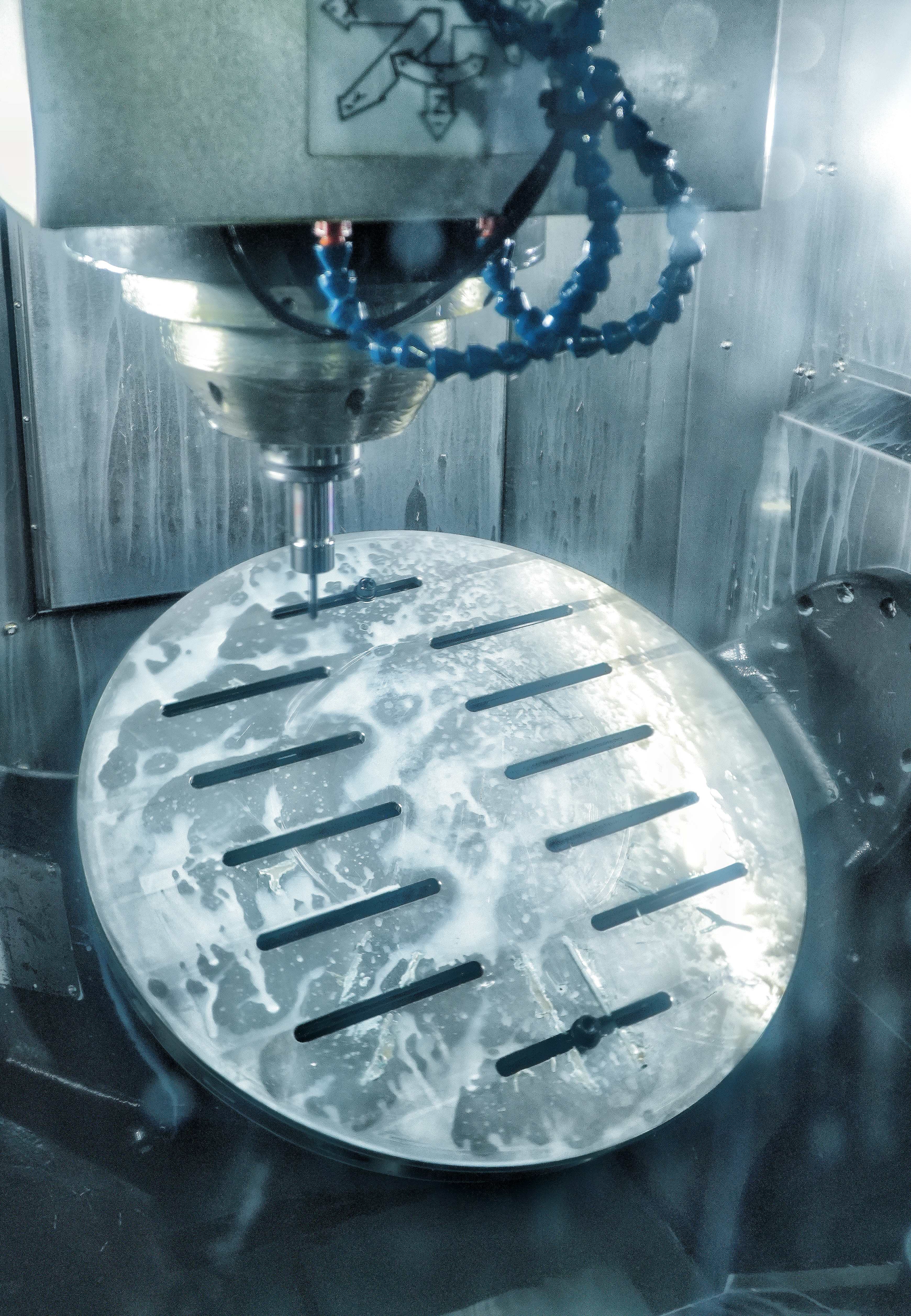
Coolant system integrity directly impacts CNC milling machine performance and longevity, requiring systematic monitoring and maintenance to prevent contamination-related damage. Fresh coolant maintains proper lubrication properties, prevents corrosion, and supports optimal cutting performance during machining operations. Contaminated coolant introduces abrasive particles that accelerate wear on pumps, nozzles, and internal coolant passages throughout the machine system.
Regular coolant testing measures pH levels, concentration ratios, and contamination levels to determine replacement schedules and filtration requirements. Most CNC milling machine systems benefit from weekly coolant testing protocols that track key parameters and identify degradation trends before they impact machine performance. Coolant concentration monitoring ensures proper cutting fluid performance while preventing over-concentration that can cause foam formation and delivery problems.
Filtration system maintenance includes regular filter replacement and skimmer operation to remove tramp oils and floating debris. Advanced filtration systems extend coolant life and maintain cleanliness standards that protect sensitive machine components from contamination damage. Proper filtration reduces the frequency of complete coolant changes while maintaining the fluid quality necessary for optimal CNC milling machine operation.
Precision Lubrication and Fluid Management
Automatic Lubrication System Optimization
Automatic lubrication systems in modern CNC milling machine designs require systematic monitoring and adjustment to ensure proper lubricant delivery to all critical components. These systems distribute precise amounts of lubricant to linear guides, ball screws, and spindle bearings according to programmed schedules that match operating conditions and usage patterns. Proper lubrication system function prevents metal-to-metal contact that causes wear, heat generation, and eventual component failure.
Lubrication system maintenance involves regular inspection of distribution lines, fittings, and delivery points to identify leaks or blockages that compromise lubricant flow. Lubricant reservoir monitoring ensures adequate supply levels while tracking consumption rates that may indicate component wear or system malfunctions. Most CNC milling machine manufacturers specify lubricant types and viscosity grades that optimize protection for specific operating conditions and environmental factors.
Manual lubrication points on older CNC milling machine models require scheduled attention to maintain proper protection levels. These lubrication points typically include spindle bearings, way covers, and tool changer mechanisms that operate outside automatic lubrication system coverage. Consistent manual lubrication prevents accelerated wear and maintains smooth operation of critical machine functions.
Hydraulic and Pneumatic System Care
Hydraulic system maintenance in CNC milling machine installations focuses on fluid cleanliness, pressure stability, and component condition to ensure reliable operation of clamping, positioning, and tool changing functions. Hydraulic fluid contamination represents a primary cause of premature component failure in these systems, making filtration and fluid replacement critical maintenance activities. Regular hydraulic fluid analysis identifies contamination levels and degradation that compromise system performance.
Pneumatic system maintenance emphasizes air quality, pressure regulation, and moisture control to protect air-operated components throughout the CNC milling machine system. Compressed air treatment removes moisture and contaminants that cause corrosion and erratic operation of pneumatic actuators and control valves. Proper air line maintenance includes regular drain valve operation and filter element replacement according to manufacturer specifications.
System pressure monitoring identifies leaks and component deterioration that affect operational reliability and energy efficiency. Pressure loss in hydraulic or pneumatic systems forces pumps and compressors to work harder while reducing system response and accuracy. Regular pressure testing and leak detection prevent minor issues from developing into major system failures that require expensive repairs and extended downtime.
Spindle and Tooling System Preservation
Spindle Bearing Maintenance and Monitoring
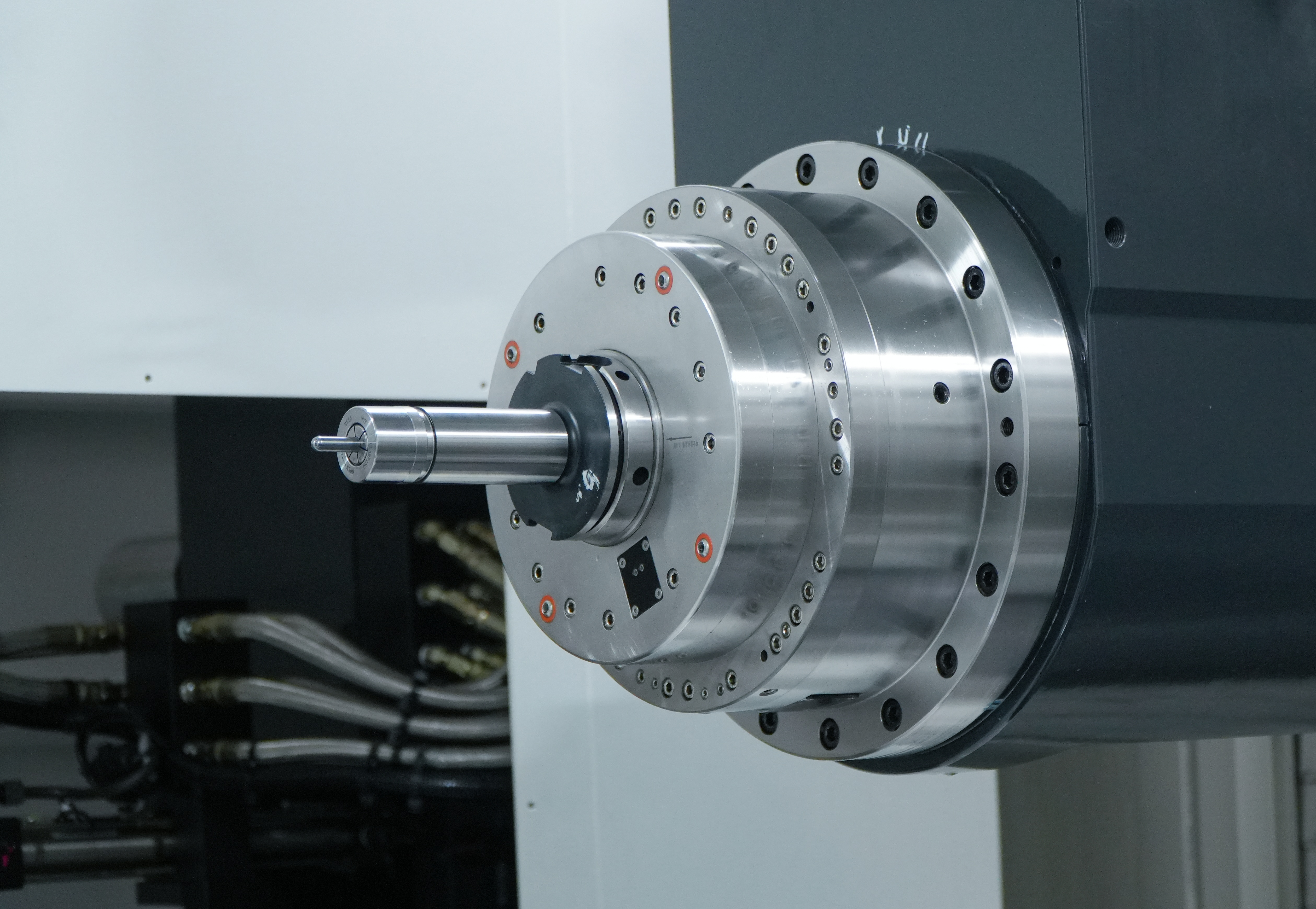
Spindle bearing maintenance represents one of the most critical aspects of CNC milling machine preservation, as spindle replacement costs can reach tens of thousands of dollars and require extended machine downtime. Bearing condition monitoring involves temperature measurement, vibration analysis, and acoustic monitoring to detect early signs of bearing degradation before catastrophic failure occurs. Modern spindle systems incorporate sensors that provide continuous monitoring data for proactive maintenance scheduling.
Proper spindle lubrication maintains bearing protection while managing heat generation that accelerates bearing wear. Many CNC milling machine spindles utilize oil mist lubrication systems that deliver precisely controlled amounts of lubricant to bearing assemblies during operation. These systems require regular maintenance to ensure proper oil flow rates and mist generation that protects bearings without over-lubrication that can cause churning losses and heat buildup.
Spindle thermal management involves monitoring operating temperatures and ensuring adequate cooling system function to prevent bearing damage from excessive heat. High-speed spindle operation generates significant heat that must be dissipated through proper cooling system design and maintenance. Regular cooling system inspection includes checking coolant flow rates, heat exchanger cleanliness, and temperature control system calibration.
Tool Holder and Cutting Tool Management
Tool holder maintenance directly impacts machining accuracy and spindle longevity in CNC milling machine applications, requiring systematic inspection and cleaning protocols. Tool holder taper surfaces must remain free from debris, damage, and wear that compromises tool positioning accuracy and creates imbalance during high-speed operation. Regular tool holder inspection identifies wear patterns and damage that require replacement before they affect machining quality or spindle condition.
Cutting tool management extends CNC milling machine life through proper tool selection, installation, and replacement practices that minimize spindle stress and maintain machining efficiency. Worn or damaged cutting tools increase cutting forces and create vibration that accelerates spindle bearing wear and reduces machine accuracy. Systematic tool condition monitoring prevents excessive tool wear from damaging workpieces and machine components.
Tool changer mechanism maintenance ensures reliable tool exchange operations that prevent tool drops and crashes that can damage spindles and machine structures. Regular cleaning and lubrication of tool changer components maintains smooth operation while preventing contamination buildup that causes erratic tool changing behavior. Proper tool changer maintenance reduces the risk of tool-related accidents that can cause expensive damage to CNC milling machine systems.
Electrical System Monitoring and Protection
Control Panel and Wiring Inspection
Electrical system maintenance in CNC milling machine installations requires systematic inspection of control panels, wiring harnesses, and connections to prevent failures that can cause production delays and equipment damage. Environmental factors such as metal chips, coolant mist, and temperature fluctuations create challenging conditions for electrical components that require protective measures and regular maintenance attention. Proper electrical maintenance prevents unexpected failures while ensuring consistent machine operation and operator safety.
Control panel maintenance involves regular cleaning of air filters, inspection of cooling fans, and verification of proper ventilation to prevent overheating of sensitive electronic components. Electronic control systems generate significant heat during operation and rely on adequate cooling to maintain reliability and longevity. Clogged air filters and failed cooling fans can cause electronic component failures that result in expensive repairs and extended downtime.
Wiring harness inspection identifies wear, damage, and contamination that can cause intermittent faults or complete system failures in CNC milling machine operations. Moving cables in cable carriers experience constant flexing that eventually causes conductor fatigue and insulation breakdown. Regular cable inspection and replacement according to manufacturer recommendations prevents unexpected electrical failures that disrupt production schedules.
Sensor Calibration and Feedback System Maintenance
Position feedback sensors and measurement systems require regular calibration and maintenance to ensure CNC milling machine accuracy and repeatability throughout the equipment's operational life. Encoder systems, linear scales, and position sensors accumulate contamination and experience gradual drift that affects machining precision over time. Systematic sensor maintenance includes cleaning, calibration verification, and replacement of components that exceed accuracy specifications.
Environmental protection of feedback sensors prevents contamination damage that degrades position accuracy and system reliability. Proper seal maintenance and protective cover installation shield sensitive sensor components from chips, coolant, and other contaminants that interfere with accurate position measurement. Regular inspection of sensor mounting and alignment ensures consistent feedback signal quality throughout machine operation.
Feedback system diagnostics identify gradual degradation trends that indicate impending sensor failures or calibration requirements. Most modern CNC milling machine controls provide diagnostic functions that monitor feedback signal quality and identify systems requiring attention. Proactive sensor maintenance prevents accuracy degradation that affects part quality and may require expensive recalibration or component replacement.
Proactive Component Replacement Strategies
Wear Component Scheduling and Inventory Management
Proactive component replacement strategies for CNC milling machine maintenance involve identifying wear-prone components and establishing replacement schedules based on operating hours, production volumes, and condition monitoring data. Components such as way covers, seals, filters, and belts require regular replacement to prevent failures that can cause secondary damage to expensive machine assemblies. Strategic replacement scheduling minimizes unplanned downtime while optimizing maintenance costs.
Inventory management for critical CNC milling machine components ensures availability of replacement parts when needed while avoiding excessive inventory carrying costs. Strategic parts inventory includes fast-wearing consumables, critical electronic components, and emergency repair items that enable rapid response to unexpected failures. Proper inventory management balances part availability with storage costs and obsolescence risks.
Condition-based replacement strategies utilize monitoring data and inspection results to optimize component replacement timing and extend useful component life while preventing unexpected failures. This approach requires systematic data collection and analysis to identify component degradation trends and establish replacement criteria that balance cost and reliability. Advanced condition monitoring enables precise replacement timing that maximizes component utilization while maintaining system reliability.
Upgrade and Modernization Planning
Technology upgrade planning extends CNC milling machine life through strategic component modernization that improves performance, reliability, and capability while maintaining the core machine investment. Retrofit opportunities include control system upgrades, spindle modernization, and automation integration that enhance machine productivity and extend operational life. Strategic upgrades can provide significant performance improvements while avoiding the expense of complete machine replacement.
Modernization projects require careful planning to ensure compatibility with existing machine systems and justify investment costs through improved productivity and reduced maintenance requirements. Successful CNC milling machine modernization projects typically focus on control systems, drive technology, and automation features that provide measurable operational improvements. Proper modernization planning considers long-term production requirements and technology trends that affect equipment obsolescence.
Integration of modern diagnostic and monitoring systems enhances maintenance effectiveness and extends machine life through improved condition awareness and predictive maintenance capabilities. Advanced monitoring systems provide real-time data on machine condition and performance that enables optimized maintenance scheduling and early problem detection. These systems transform traditional reactive maintenance approaches into predictive strategies that maximize equipment availability and minimize maintenance costs.
FAQ
How often should I perform basic maintenance on my CNC milling machine?
Basic CNC milling machine maintenance should be performed daily for cleaning and chip removal, weekly for coolant testing and lubrication checks, and monthly for comprehensive system inspections including electrical components and wear items. The specific frequency depends on operating hours, production demands, and environmental conditions, with high-usage machines requiring more frequent attention to maintain optimal performance and prevent premature wear.
What are the most common signs that my CNC milling machine needs immediate maintenance attention?
Warning signs requiring immediate CNC milling machine maintenance include unusual noises or vibrations, decreased machining accuracy, coolant leaks, excessive tool wear, error messages from the control system, and visible damage to machine components. Temperature increases, erratic machine behavior, and reduced surface finish quality also indicate maintenance needs that should be addressed promptly to prevent more serious damage and costly repairs.
Can I perform CNC milling machine maintenance myself, or should I hire professionals?
Basic CNC milling machine maintenance tasks such as daily cleaning, coolant monitoring, and visual inspections can typically be performed by trained operators, while complex procedures like spindle bearing replacement, electrical system repair, and precision calibration require specialized knowledge and equipment. Most manufacturers recommend a combination of operator-performed routine maintenance and professional service for major repairs and complex adjustments to ensure safety and maintain warranty coverage.
How much should I budget annually for CNC milling machine maintenance?
Annual CNC milling machine maintenance costs typically range from 5% to 10% of the original machine purchase price, depending on usage intensity, operating conditions, and the age of the equipment. This budget should include routine maintenance supplies, replacement parts, professional service costs, and periodic major overhauls. Proper maintenance investment prevents much higher costs associated with emergency repairs and premature equipment replacement while maintaining productivity and part quality.