
Why 5-Axis CNC Machining is the Superior Choice for Complex Parts?
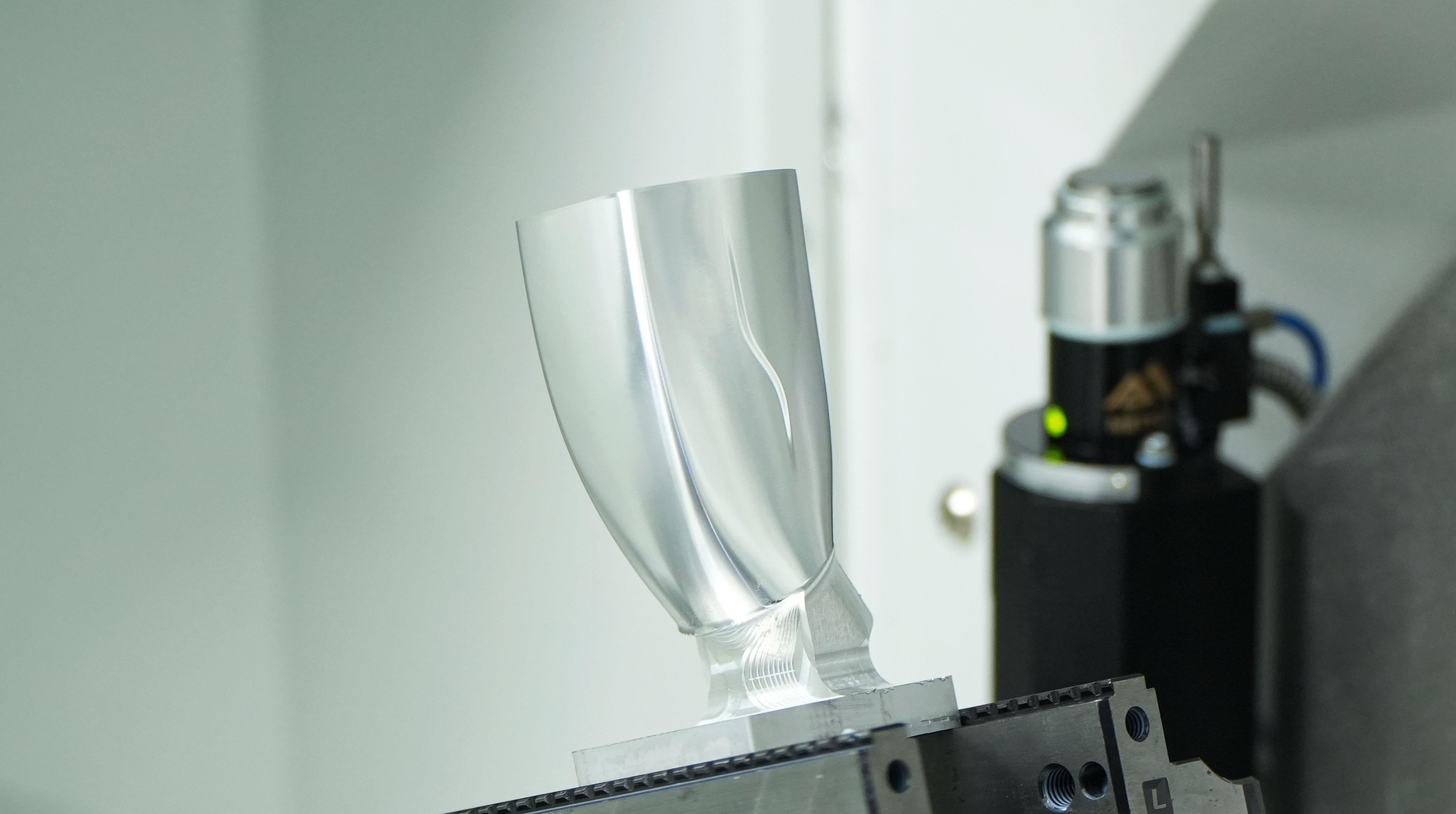
In the modern landscape of high-tech manufacturing, the demand for complexity is at an all-time high. Whether it is a lightweight aerospace bracket, a bio-compatible medical implant, or a high-performance turbine blade, today’s components are moving away from simple prismatic shapes toward organic, intricate geometries. To meet these challenges, manufacturers are increasingly turning to 5-axis CNC machining.
While traditional 3-axis machining remains a staple for simpler tasks, it often falls short when faced with multi-faceted designs and tight tolerances. This is where the innovation of 5-axis CNC comes into play, providing the precision and stability required to transform complex digital designs into physical reality.
The Mechanics of Versatility
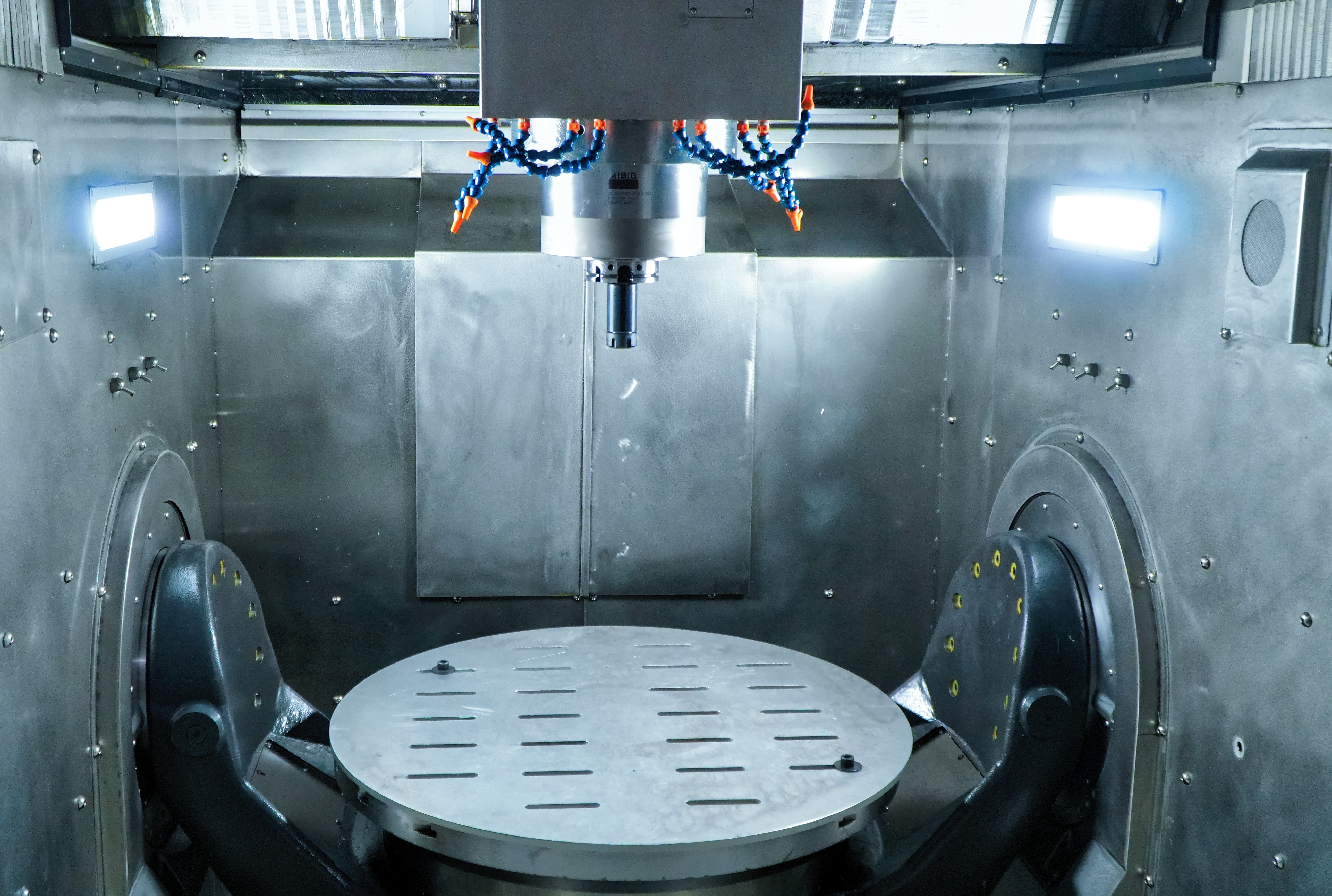
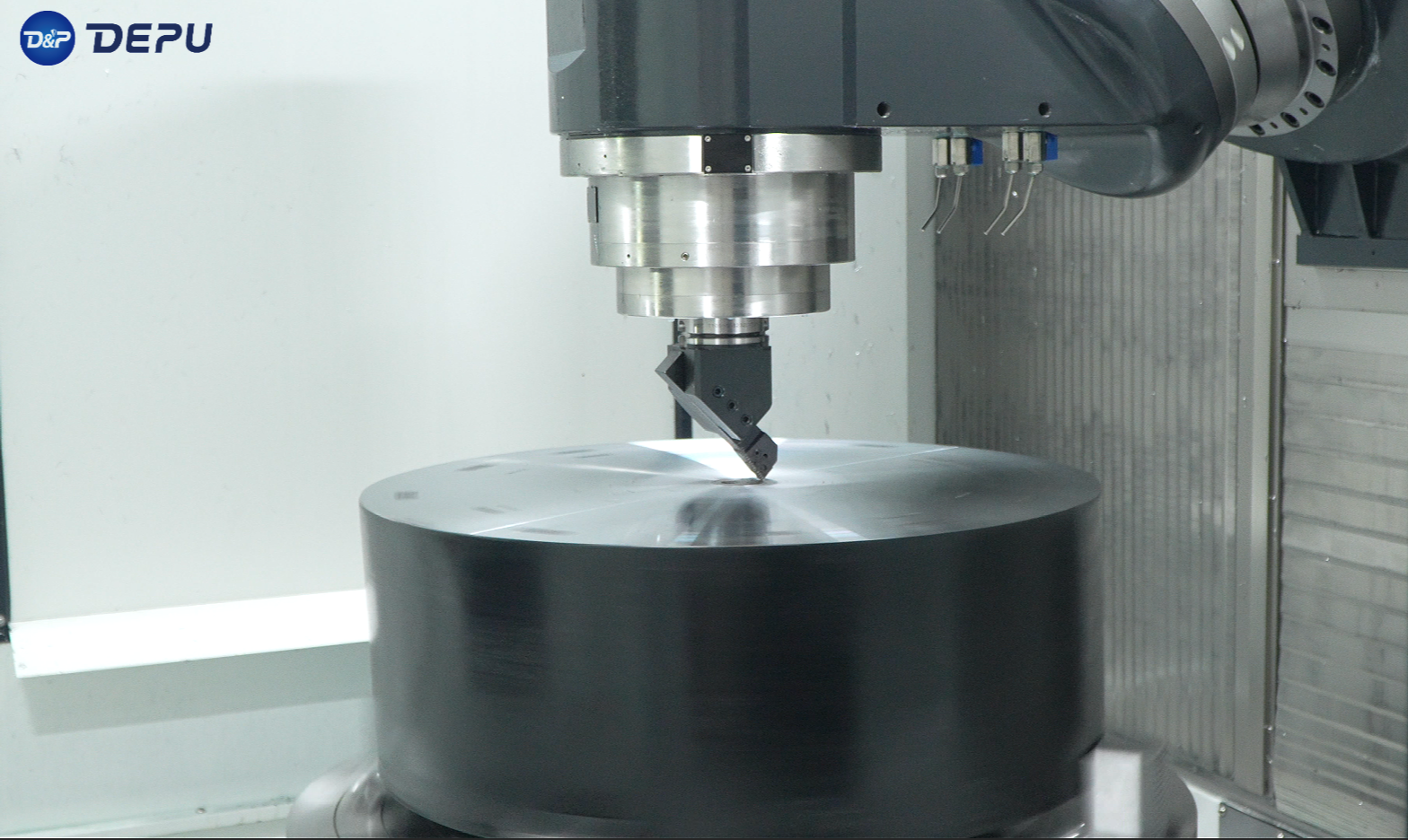
The fundamental difference between 3-axis and 5-axis machining lies in the degrees of freedom. A 3-axis machine operates on the X, Y, and Z linear axes. A 5-axis machine adds two rotational axes, usually A and B or B and C. This allows the cutting tool to approach the workpiece from any direction, effectively enabling the machine to wrap around the part.
For complex parts, it’s a necessity. Traditional methods would require multiple setups, where the part must be manually repositioned to reach different faces. Each time a part is moved, the risk of alignment error increases. 5-axis machining eliminates this, allowing for one-and-done production.
Why 5-Axis is the Optimal Solution?
1. Superior Surface Finish and Aesthetics
When machining complex curves or contoured surfaces, maintaining the optimal cutting angle is vital. In 3-axis machining, the tool often has to use the side or the tip in ways that aren't ideal, leading to scalloping or a rougher finish.
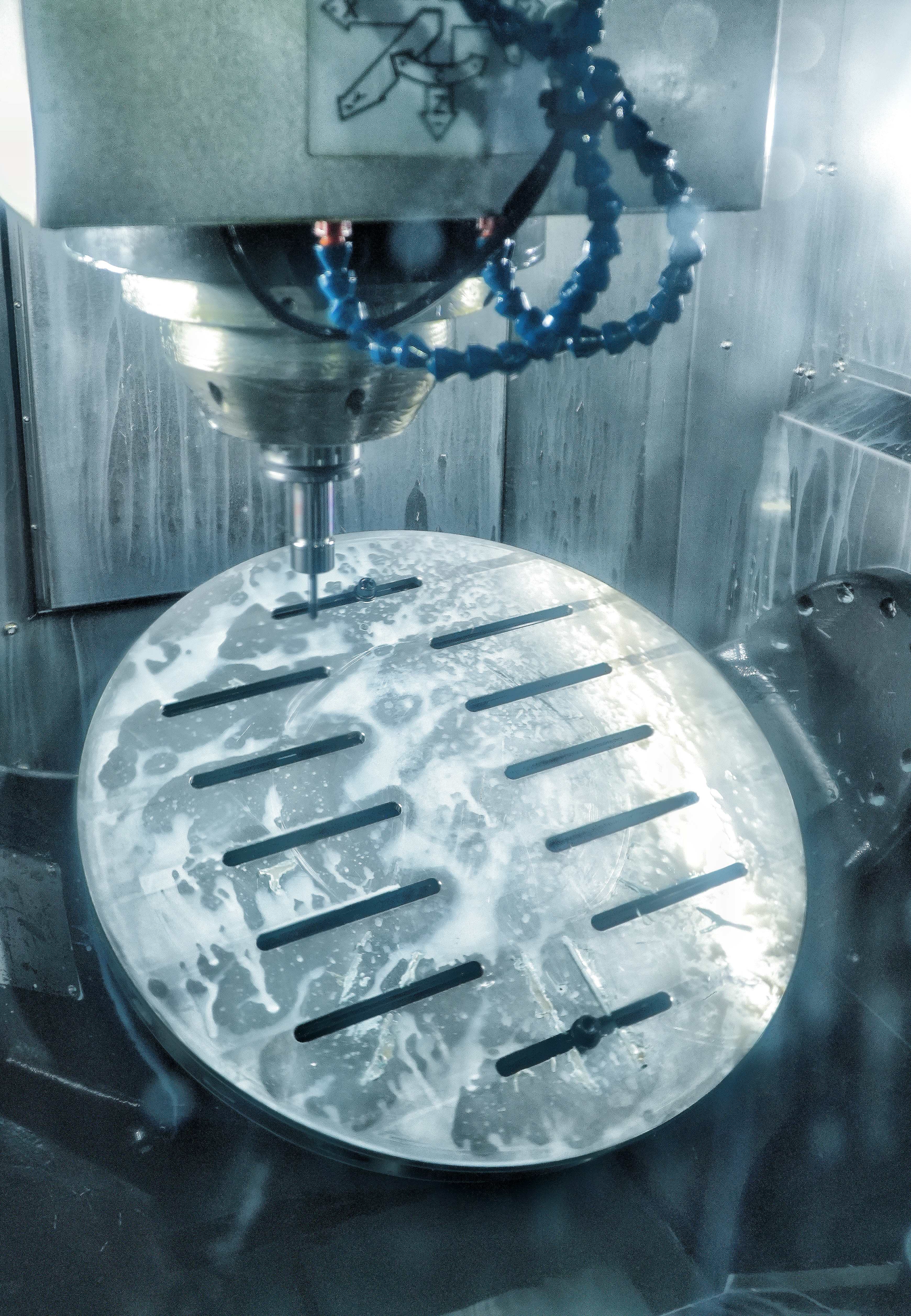
5-axis machines tilt the tool or the table to maintain a constant chip load and the best possible contact point. This results in a superior surface finish that often requires little to no manual polishing. For CNC users, this capability is a cornerstone of their productivity, as it significantly reduces post-processing time and costs.
2. Machining Deep Cavities and Undercuts
Deep cavities are a nightmare for 3-axis machines because they require long, thin cutting tools that are prone to vibration and deflection. 5-axis machining allows the head or the table to tilt, enabling the use of shorter, more rigid cutting tools. Shorter tools can operate at higher speeds with greater stability, ensuring that even the most unreachable undercuts and deep pockets are machined with micron-level accuracy.
3. Maximum Precision and Repeatability
Every manual intervention in the machining process is a potential point of failure. By reducing the number of setups from five or six down to one, 5-axis machining drastically lowers the margin of error. For industries like aerospace and medical device manufacturing, where a fraction of a millimeter can mean the difference between success and failure, the integrated movement of DEPU’s 5-axis systems provides the consistent repeatability that modern quality standards demand.
4. Reduced Tool Wear and Cost Efficiency
While the initial investment in a 5-axis machine is higher, the long-term savings are undeniable. By allowing the tool to stay in an optimal cutting position, the machine reduces the strain on the cutting edges. This extends tool life significantly. Furthermore, because the part is finished faster and with fewer errors, the cost per part over the lifecycle of a project is often lower than if it were produced on a 3-axis machine.
DEPU CNC: Elevating 5-Axis Performance
DEPU CNC has established itself as a leader by focusing on the two pillars of manufacturing: Efficiency and Stability.
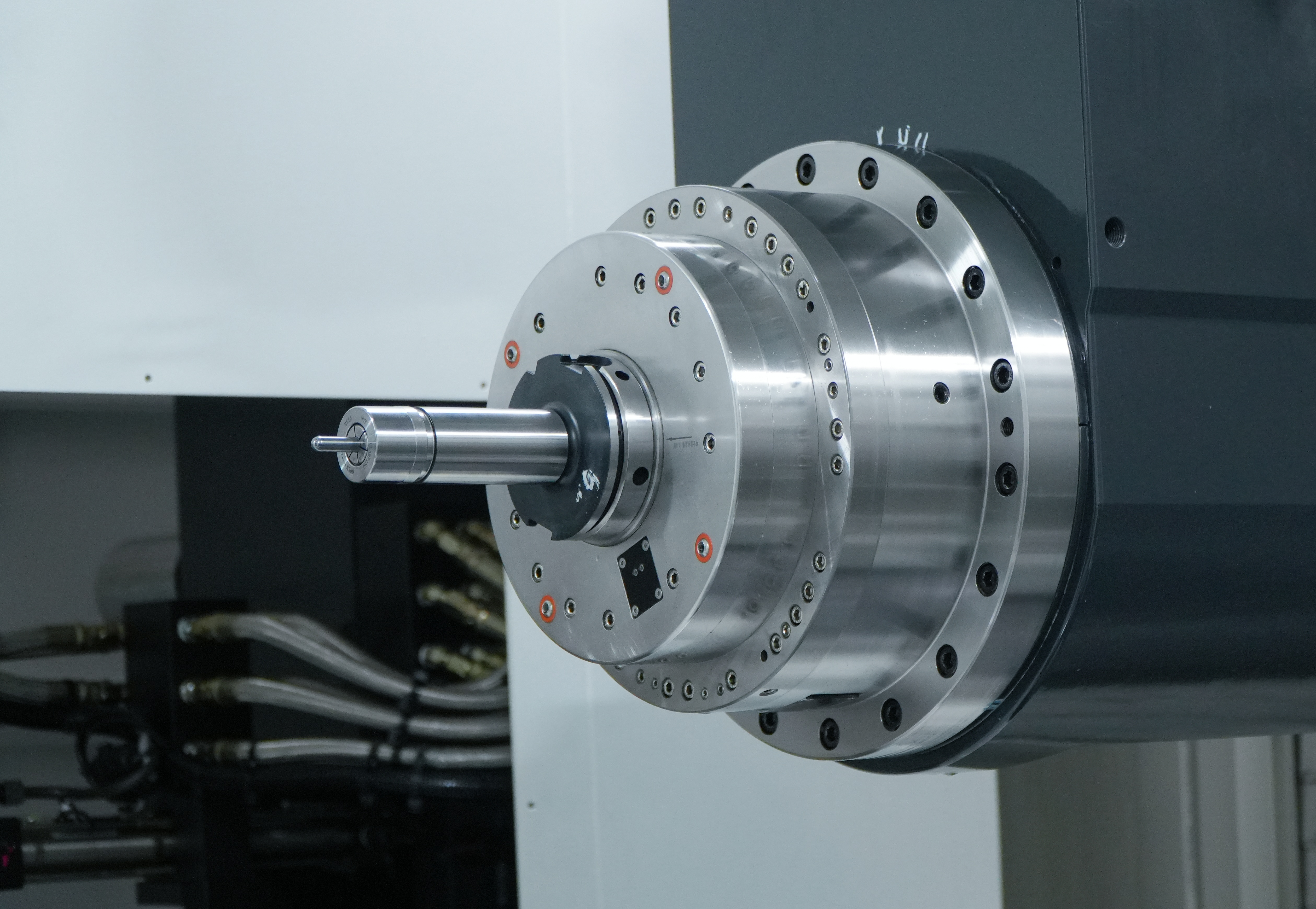
DEPU’s 5 axis machining center for sale is engineered to handle the high-speed, heavy-duty requirements of the automotive, mold, and energy sectors. Their machines are built with high-rigidity structures, often using high-grade castings, to ensure that the added rotational movements do not compromise the machine's structural integrity.
Furthermore, DEPU’s commitment goes beyond the hardware. Through the professional R&D and global support services, DEPU helps manufacturers optimize their 5-axis strategies. Whether it’s selecting the right controller or providing on-site training to ensure operators can maximize the machine’s complex capabilities, DEPU acts as a strategic partner rather than just a vendor.
The transition to 5-axis CNC machining is a reflection of the direction the world is moving: toward smarter, faster, and more complex production. By allowing for more intricate designs, providing better finishes, and ensuring unmatched accuracy, 5-axis technology has become the gold standard for high-end manufacturing.
For businesses looking to stay competitive, the question is no longer if they should adopt 5-axis technology, but when. With 5 axis CNC machine suppliers like DEPU, that transition becomes seamless, providing the technical foundation to tackle the world’s most challenging engineering projects with confidence. As we look toward the future of industry 4.0, 5-axis machining, supported by the stability and innovation of DEPU, will continue to be the engine that drives manufacturing excellence.