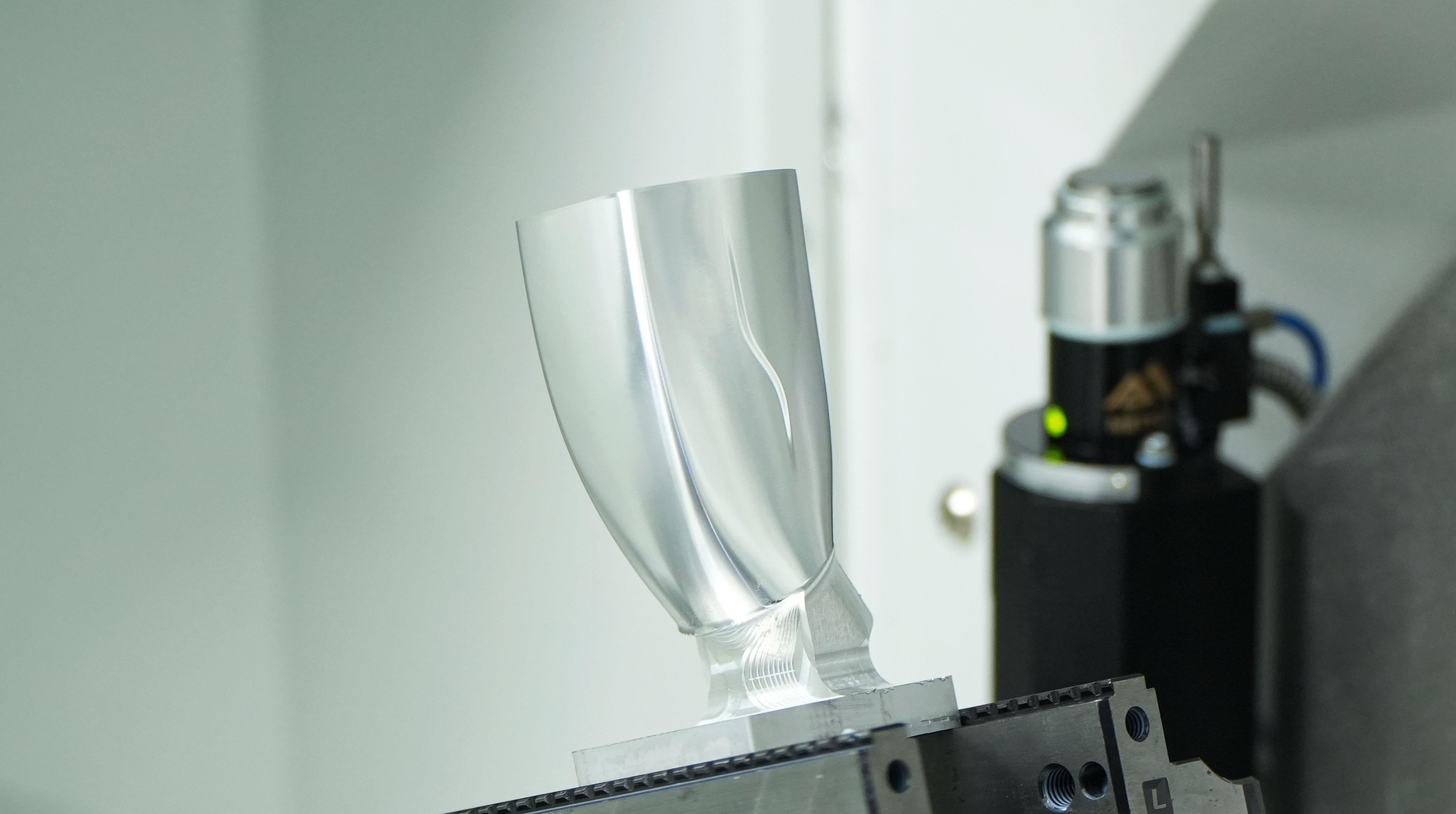

How Advanced 5-Axis Machines Support Smart Manufacturing
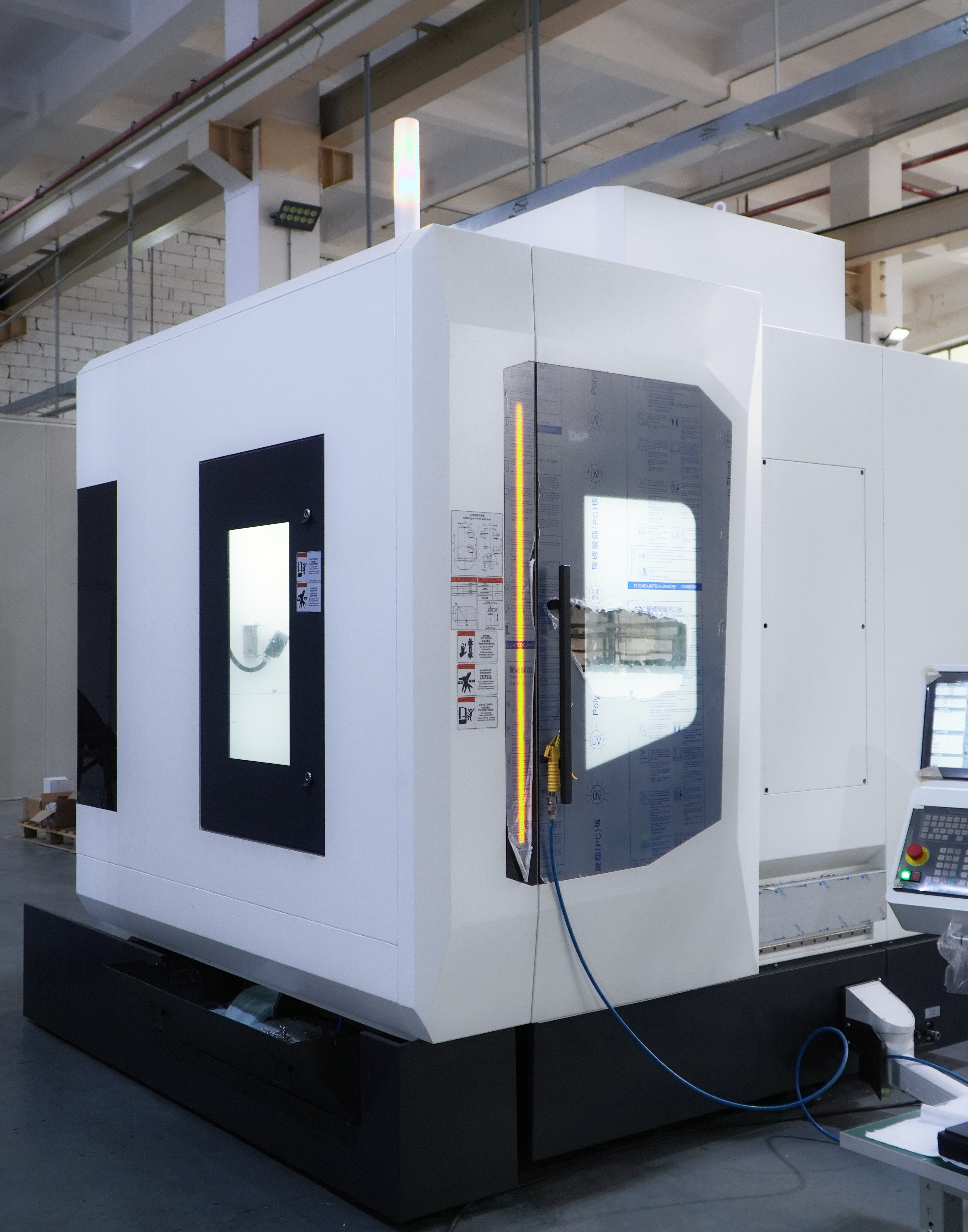
Why Smart Manufacturing Needs More Than Connected Software
Smart manufacturing is often discussed in terms of software platforms, cloud dashboards, and AI analytics. However, without physically capable machine tools, digital intelligence has nothing reliable to control.
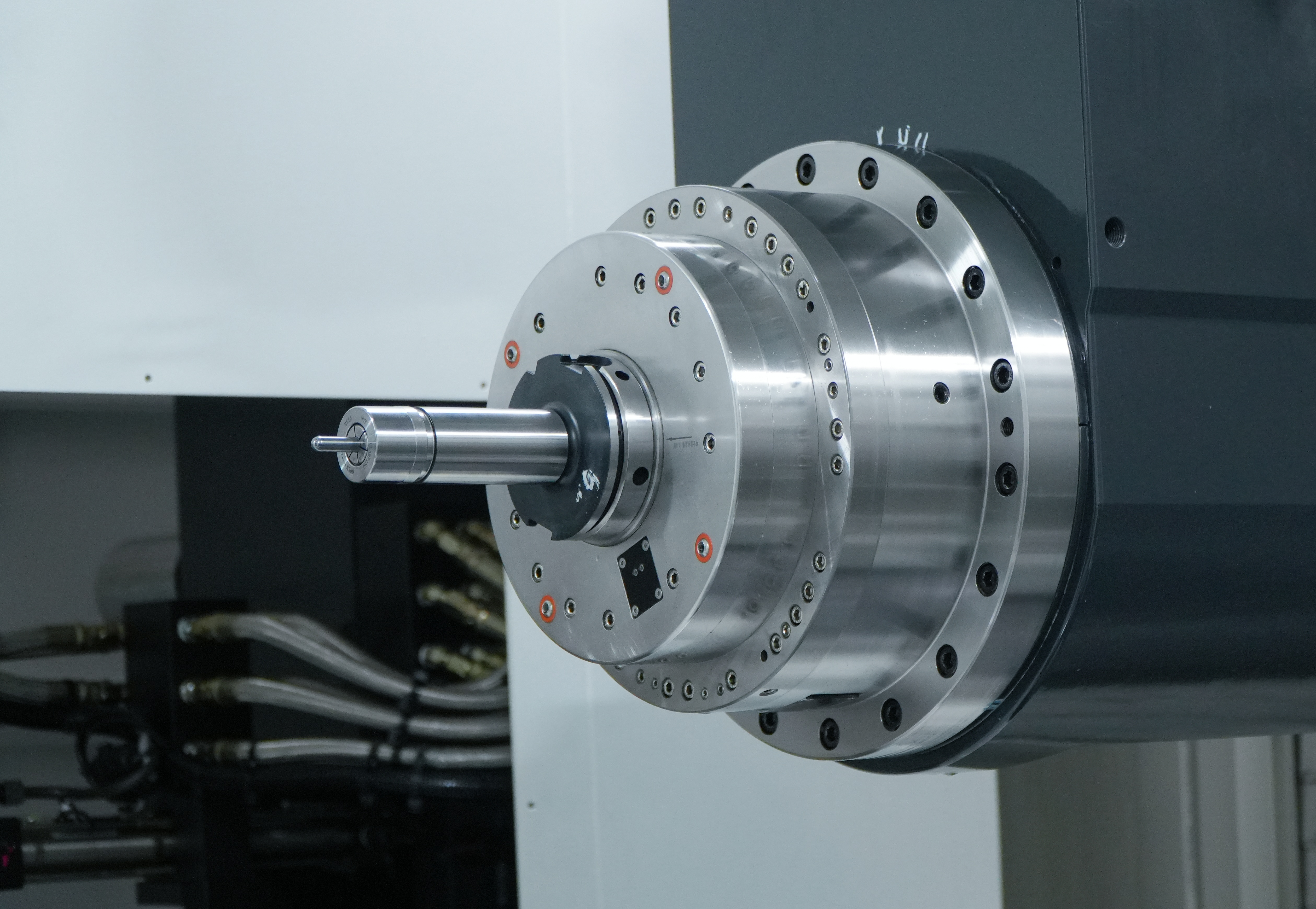
Advanced 5-axis machines for smart manufacturing provide the mechanical accuracy, kinematic flexibility, and sensor integration required to turn digital instructions into repeatable physical outcomes. Unlike conventional CNC equipment, these machines are designed to operate as adaptive systems rather than isolated cutting tools.
True smart manufacturing begins at the machine level.
The Role of 5-Axis Architecture in Intelligent CNC Machining
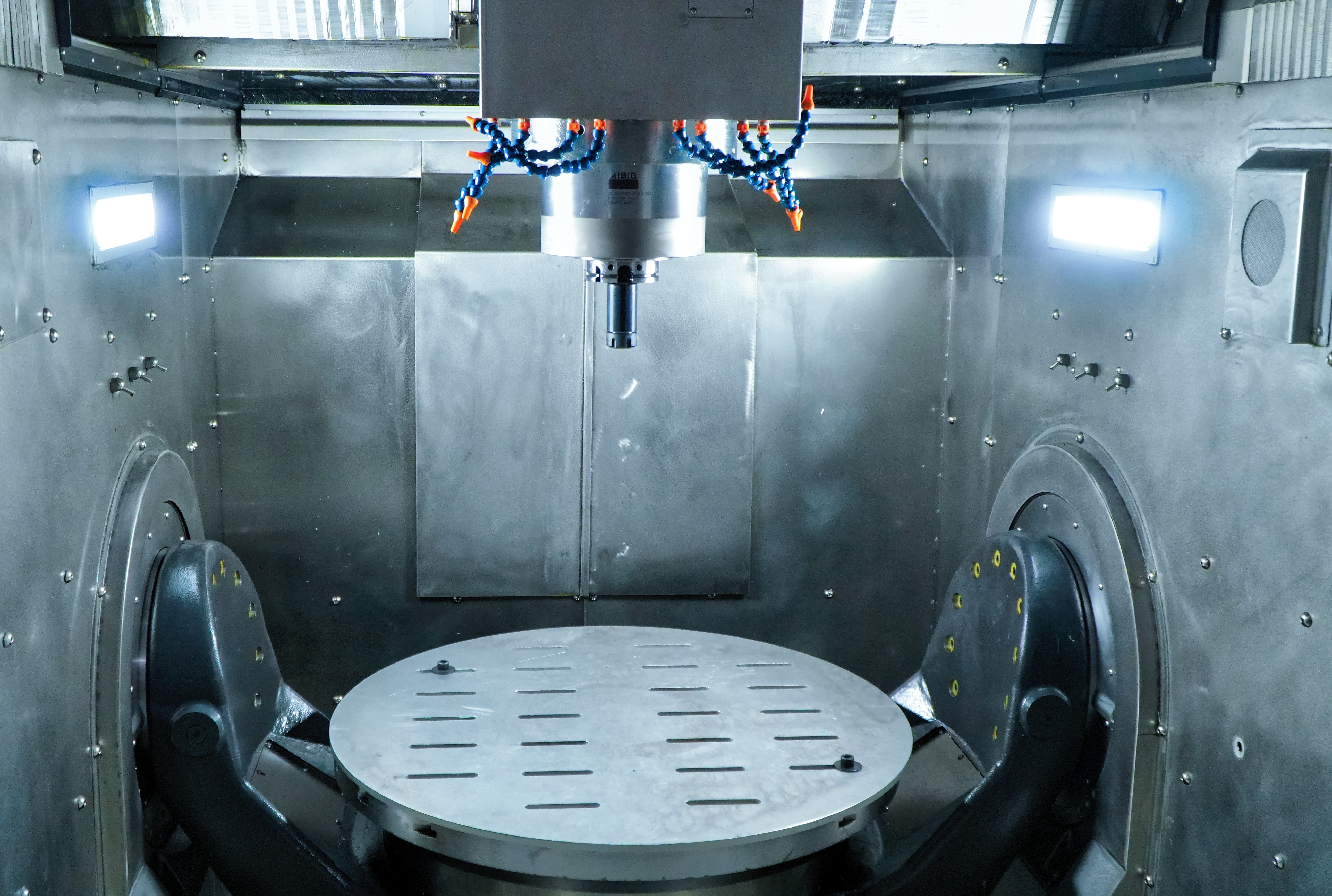
5-axis kinematics allow complex geometries to be completed in a single setup, which is critical for intelligent CNC machining. Fewer setups mean fewer variables, cleaner data, and more predictable process control.
In smart manufacturing CNC environments, advanced 5-axis machines:
-
Maintain consistent datums throughout production
-
Reduce manual intervention points
-
Enable closed-loop process monitoring
This structural simplicity is what allows automation systems to function reliably over long production cycles.
Data-Driven 5-Axis Machining: Turning Motion Into Insight
Modern smart factories rely on continuous data streams. Data-driven 5-axis machining transforms machine motion, spindle load, vibration, and temperature data into actionable insights.
Advanced 5-axis machines for smart manufacturing integrate:
-
Real-time axis load monitoring
-
Thermal drift tracking
-
Tool wear prediction models
This data allows the CNC control system to dynamically adjust feed rates, toolpaths, and cutting strategies—without stopping production.
Automation Integration: Where 5-Axis Machines Create Real Value
Automation is not simply about adding robots. 5-axis automation integration works because advanced 5-axis machines reduce variability.
Single-setup machining enables:
-
Stable robotic loading and unloading
-
Consistent probing references
-
Predictable cycle times for scheduling systems
Without the geometric consistency of advanced 5-axis machines, automation amplifies errors instead of eliminating them.
Adaptive Control: The Intelligence Inside the Machine
Smart manufacturing CNC systems require machines that can respond autonomously. Advanced 5-axis machines for smart manufacturing use adaptive control to:
-
Compensate for tool deflection in real time
-
Adjust cutting parameters based on material behavior
-
Maintain surface finish consistency during long runs
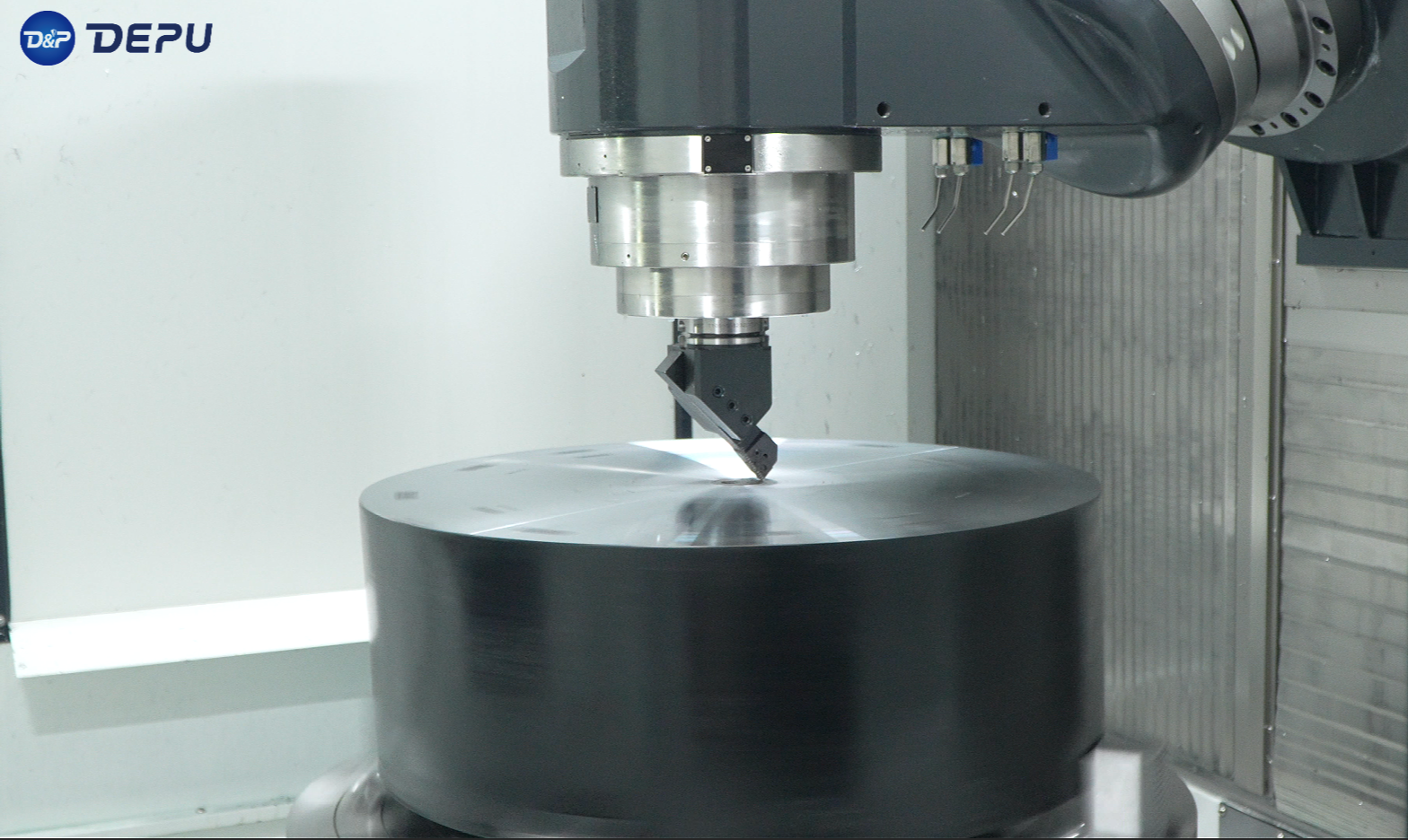
This capability is especially critical when machining titanium, Inconel, and complex aerospace alloys where cutting conditions change rapidly.
Digital Twins and Predictive Stability
Advanced 5-axis machines increasingly support digital twin models that mirror real machine behavior. These models rely on stable kinematics and accurate machine data to predict:
-
Thermal growth trends
-
Axis wear patterns
-
Long-term accuracy degradation
By linking digital twins to intelligent CNC machining, manufacturers can schedule maintenance proactively rather than reacting to failures.
Smart Manufacturing Demands Long-Term Machine Stability
Smart manufacturing is not about short-term performance—it depends on long-term consistency. Advanced 5-axis machines for smart manufacturing are designed with:
-
High-rigidity structures
-
Thermally balanced layouts
-
Long-life rotary axis assemblies
Without long-term stability, even the most advanced software loses reliability over time.
Why 5-Axis Machines Are the Physical Core of Smart Factories
While software orchestrates smart manufacturing, machine tools execute it. Advanced 5-axis machines form the physical foundation that enables:
-
Reliable automation
-
High-mix, low-volume production
-
Scalable digital manufacturing strategies
In this context, smart manufacturing CNC systems are only as intelligent as the machines they control.
FAQ
What makes a 5-axis machine suitable for smart manufacturing?
Advanced sensing, stable kinematics, real-time data feedback, and seamless automation integration make 5-axis machines ideal for smart manufacturing environments.
How do advanced 5-axis machines support automation?
They reduce setup variability, maintain consistent datums, and provide predictable cycle behavior—key requirements for robotic and unattended production.
Why is data-driven 5-axis machining important?
It enables real-time optimization, predictive maintenance, and adaptive control, improving efficiency and reducing scrap.
Can smart manufacturing work with standard CNC machines?
Limited automation is possible, but full smart manufacturing requires advanced 5-axis machines capable of stable, adaptive, and data-rich operation.