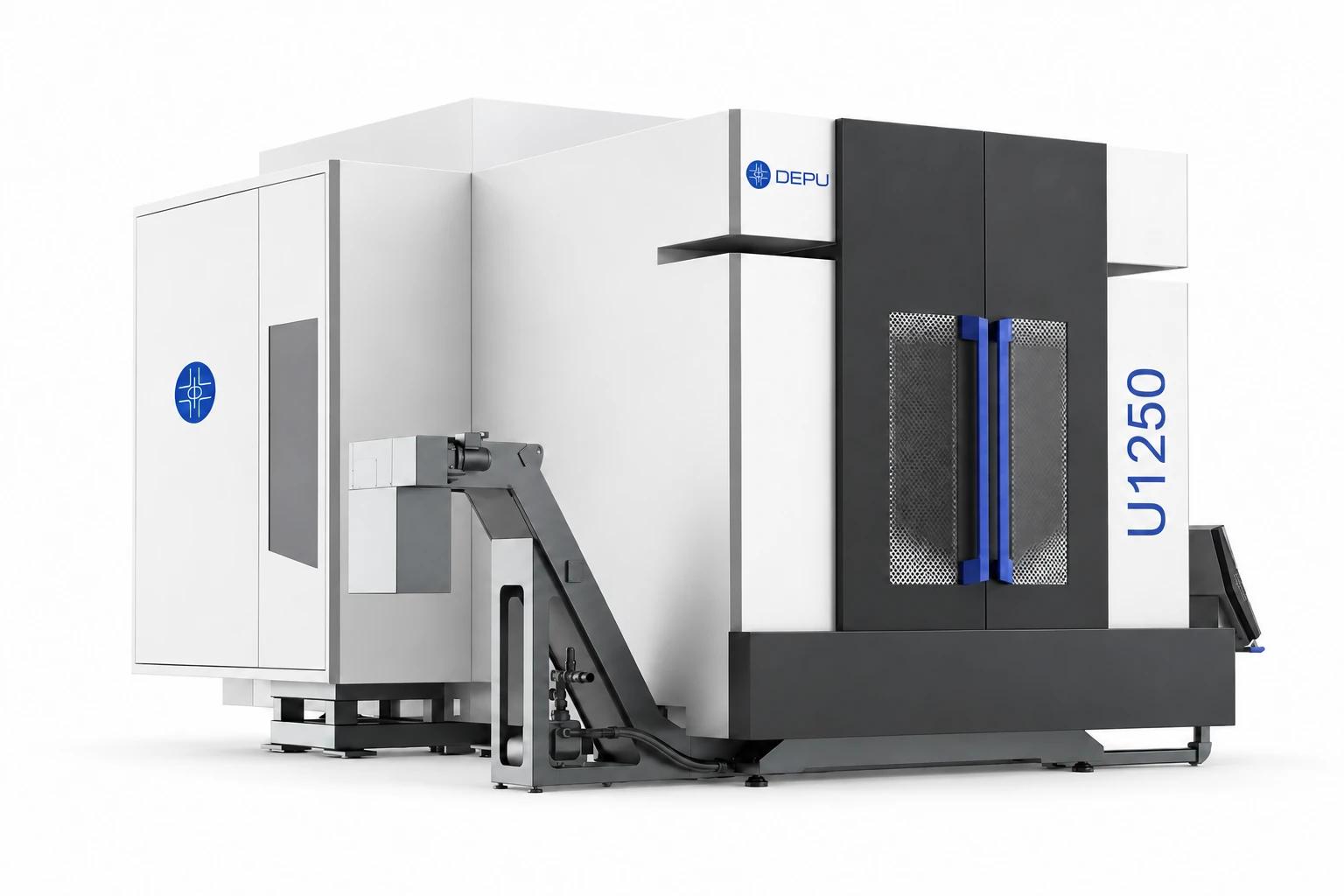
Choosing the right CNC machine requires evaluating production requirements, spindle performance, work envelope, control systems, and long-term operating costs. This guide explains the key factors that influence machine selection.
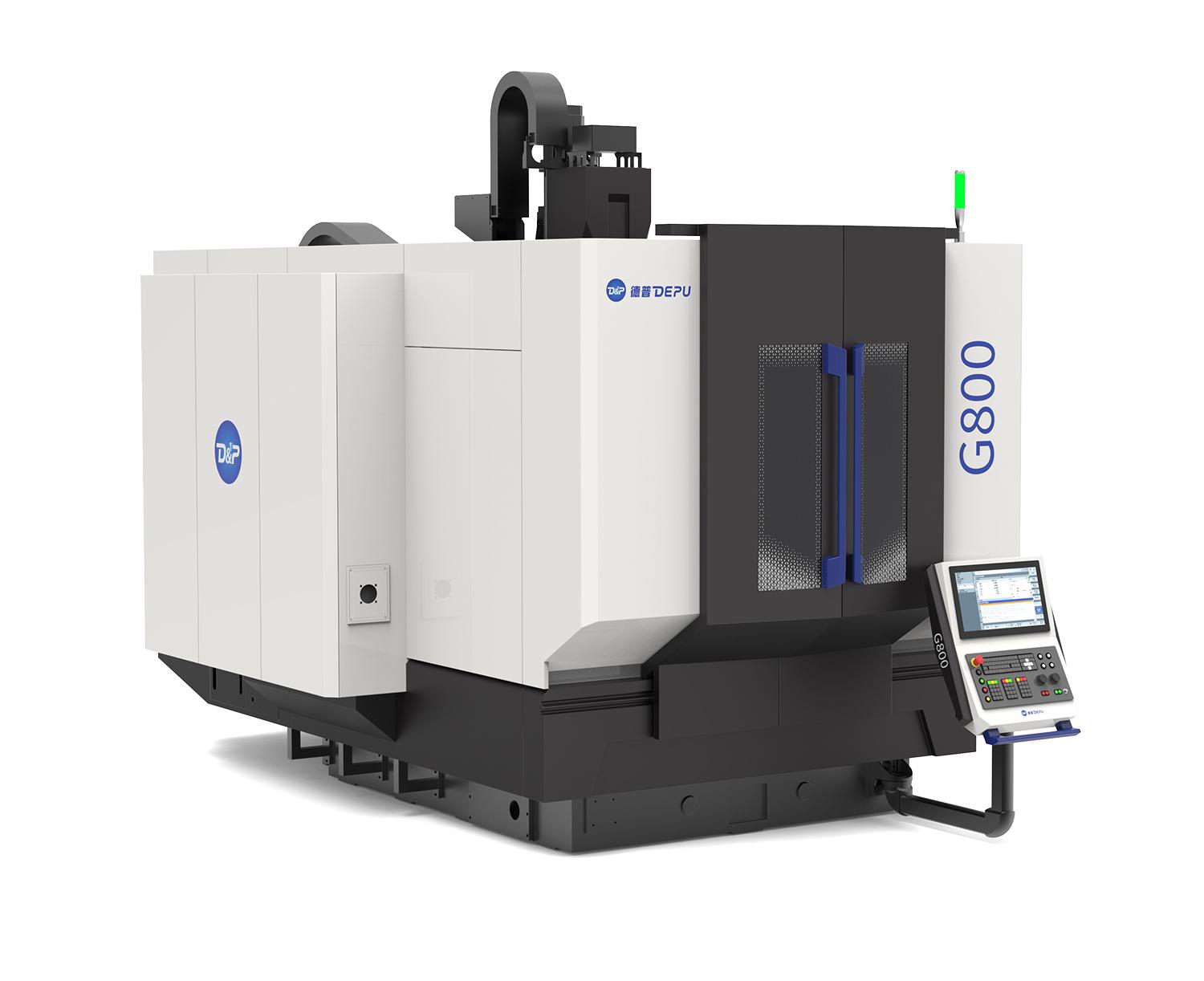
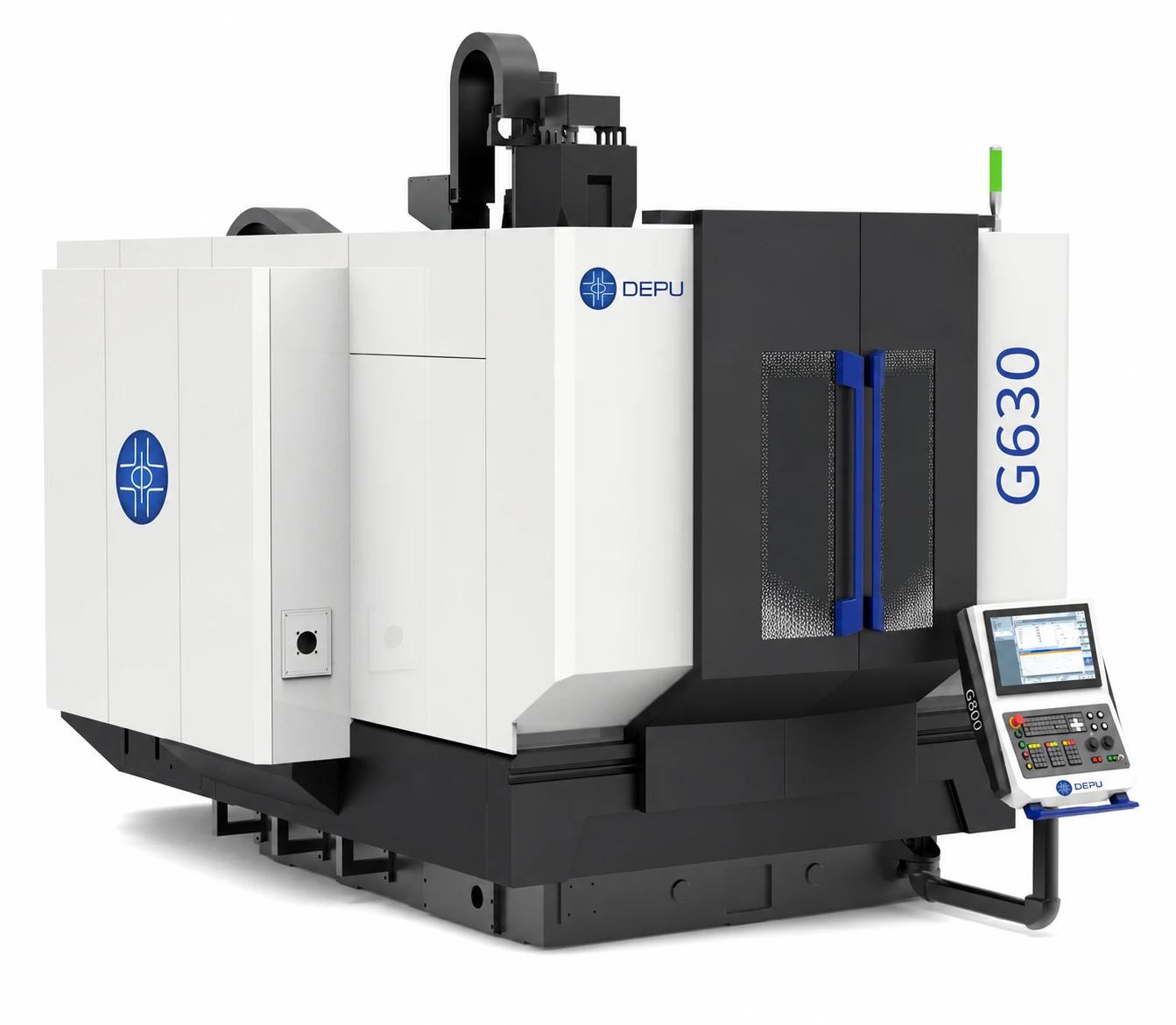
Learn the seven essential features of a heavy-duty vertical milling machine, from machine rigidity and spindle performance to CNC control systems, helping manufacturers improve machining precision and productivity.
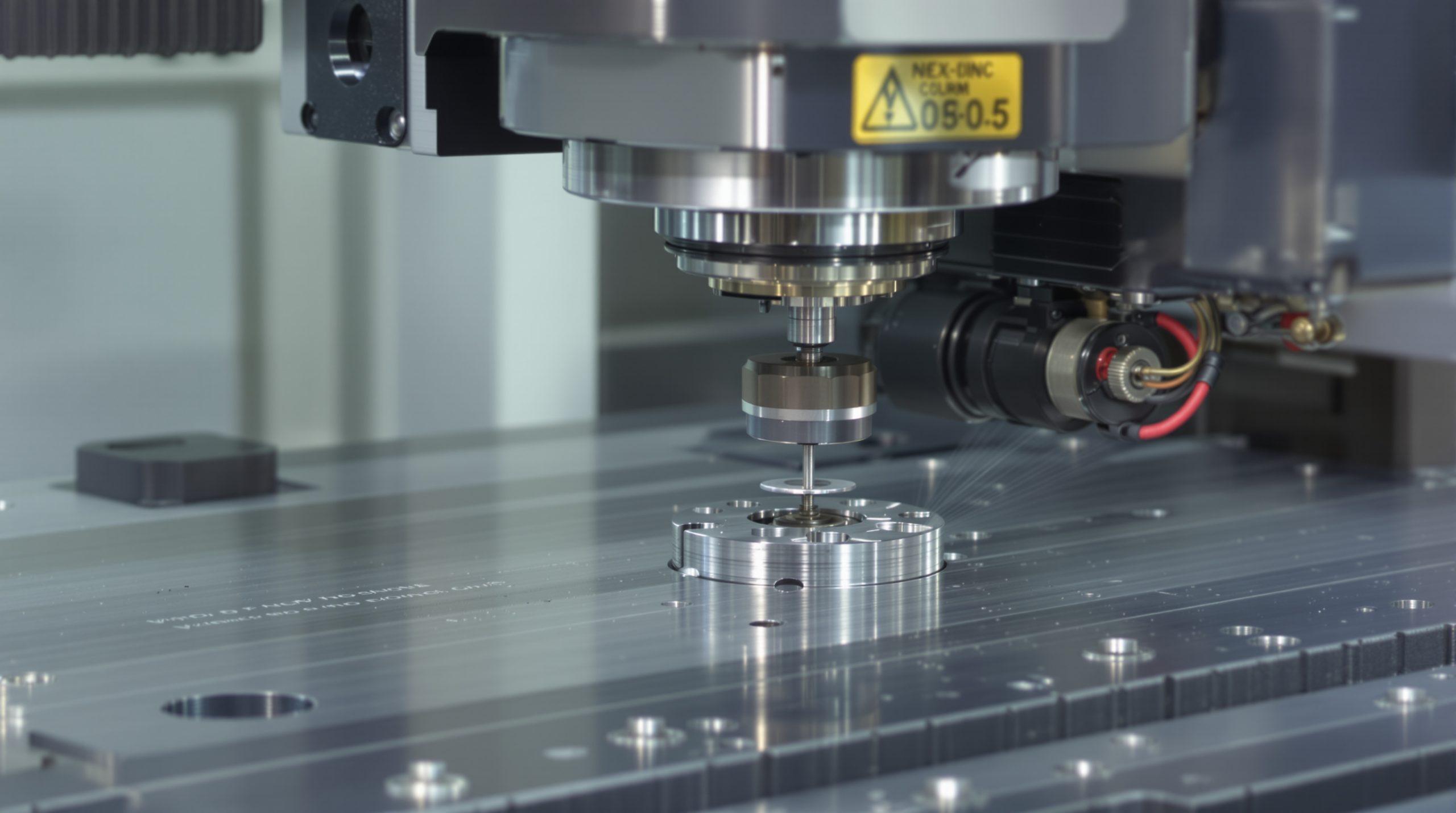
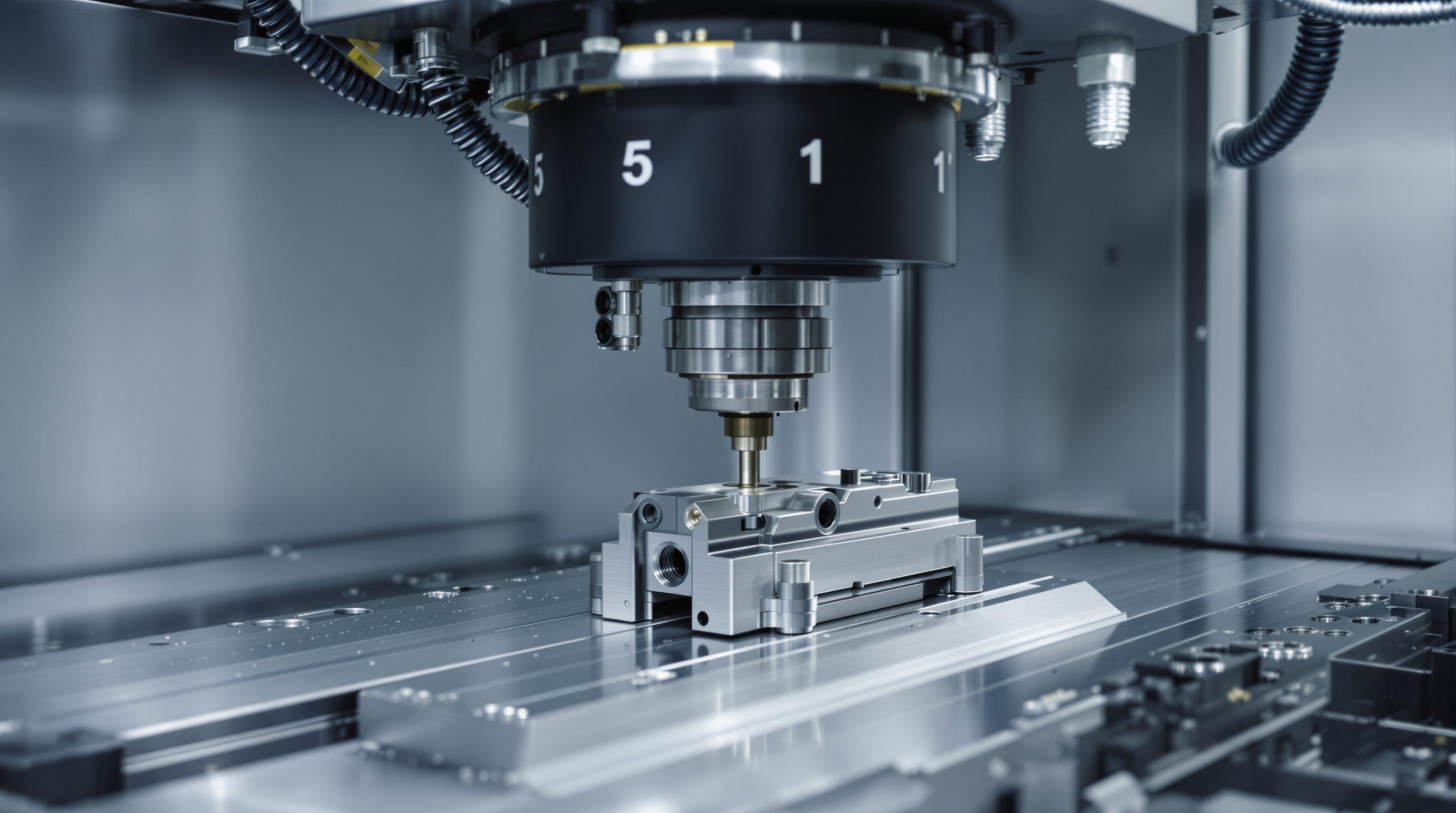
5-axis CNC machining has transformed modern manufacturing by enabling the production of highly complex components with exceptional precision and efficiency. Industries such as aerospace, automotive, medical device manufacturing, and mold making increasingly rely on 5 Axis CNC Machines to create intricate parts that would be difficult or impossible to produce using traditional machining methods.
5-axis CNC machining has revolutionized precision manufacturing, but knowing when to choose 5-axis over 3-axis CNC machines is critical for optimizing cost, quality, and efficiency. While 3-axis machines remain workhorses for many applications, 5-axis systems unlock capabilities that justify the investment for complex, high-precision work.
5-axis CNC machining has transformed modern manufacturing by enabling the production of highly complex parts with exceptional precision. As industries demand more intricate designs, understanding what materials a 5-axis CNC machine can cut becomes essential for engineers, designers, and manufacturers.
Learn the key differences between vertical milling machine and horizontal milling machine designs, including machining capabilities, productivity, setup requirements, and application suitability.