Learn the key differences between 3-axis and 5-axis CNC milling machines, including machining flexibility, production efficiency, investment costs, and application suitability.
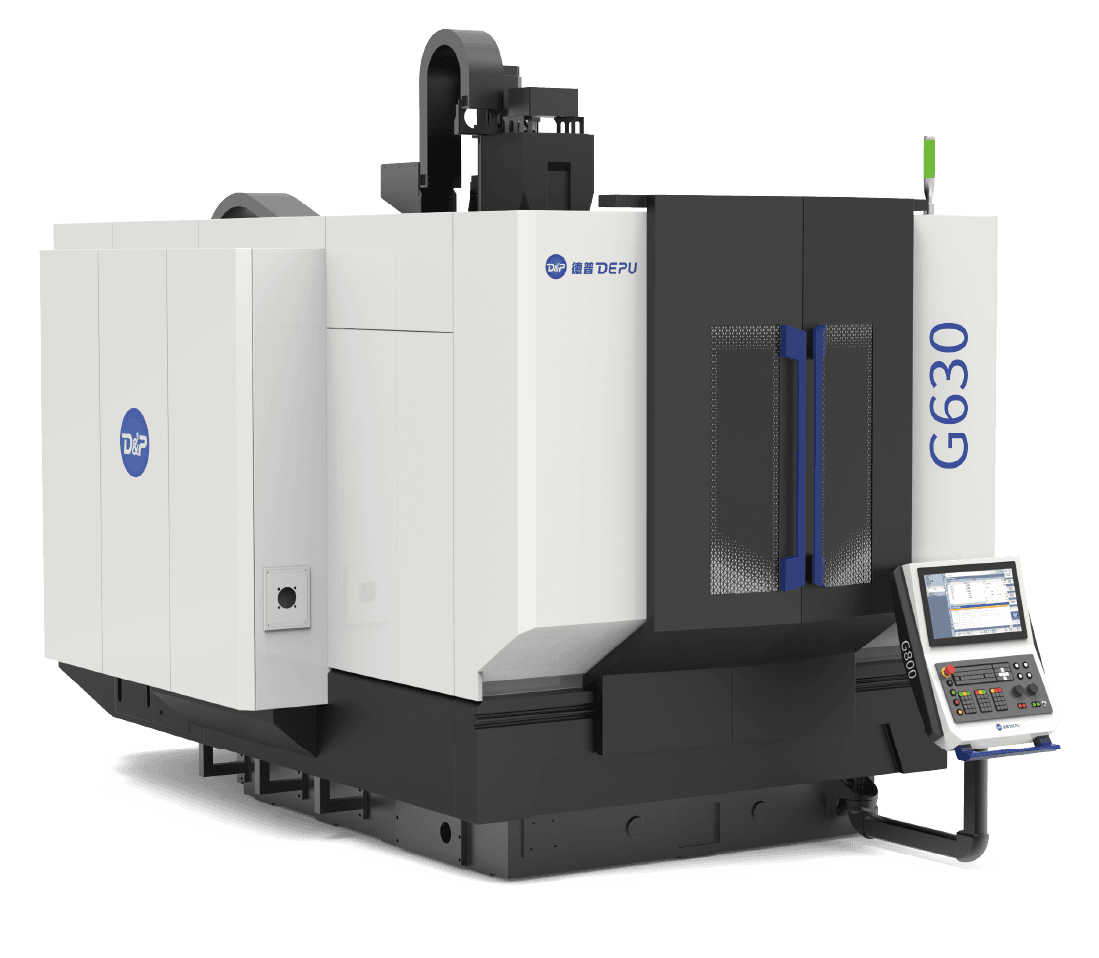
This CNC milling machine buyer's guide explains how to evaluate machine specifications, production requirements, accuracy, and investment considerations for manufacturing success.
Learn why 5-axis CNC machining is the preferred solution for complex parts, offering superior surface quality, higher precision, reduced setups, and improved efficiency.
Discover how a 5 axis CNC machine works, from linear and rotary axes to continuous motion, CAM control, and precision machining for complex components.
Simultaneous 5-axis machining enables continuous multi-axis motion for superior accuracy, surface quality, and precision manufacturing efficiency in complex machining applications.
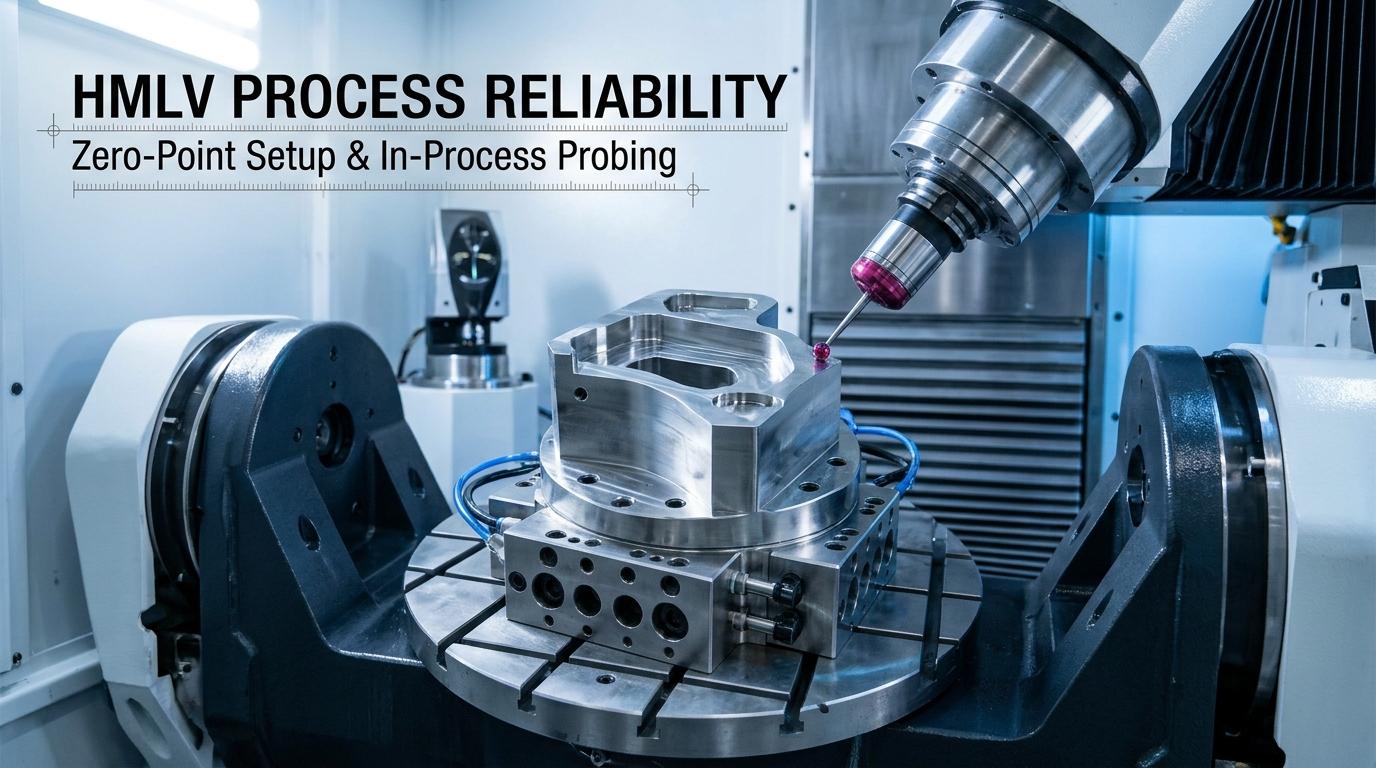
Process reliability is essential in high-mix low-volume CNC manufacturing. Discover how machining stability CNC, process consistency, and precision CNC machining improve production efficiency and quality.
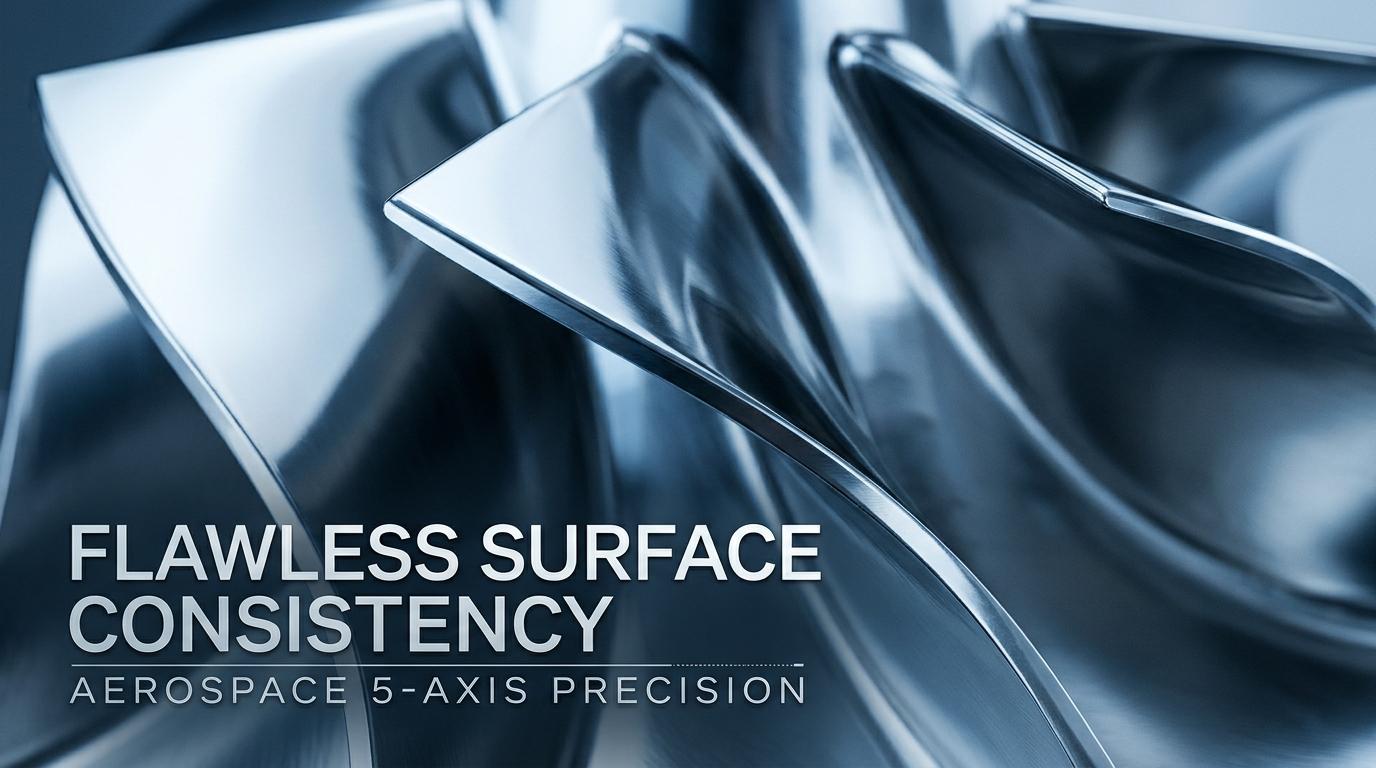
Surface consistency is essential in high-precision 5-axis machining. Discover how machining stability, machine rigidity, and dynamic stability CNC influence surface quality and precision machining.
Structural stability is essential for maintaining precision during continuous CNC production. Learn how CNC machine rigidity, thermal stability CNC, and dynamic stability influence machining consistency.
By DEPU
Showing 55–63 of 180 articles
From insight to application
Find your platform.
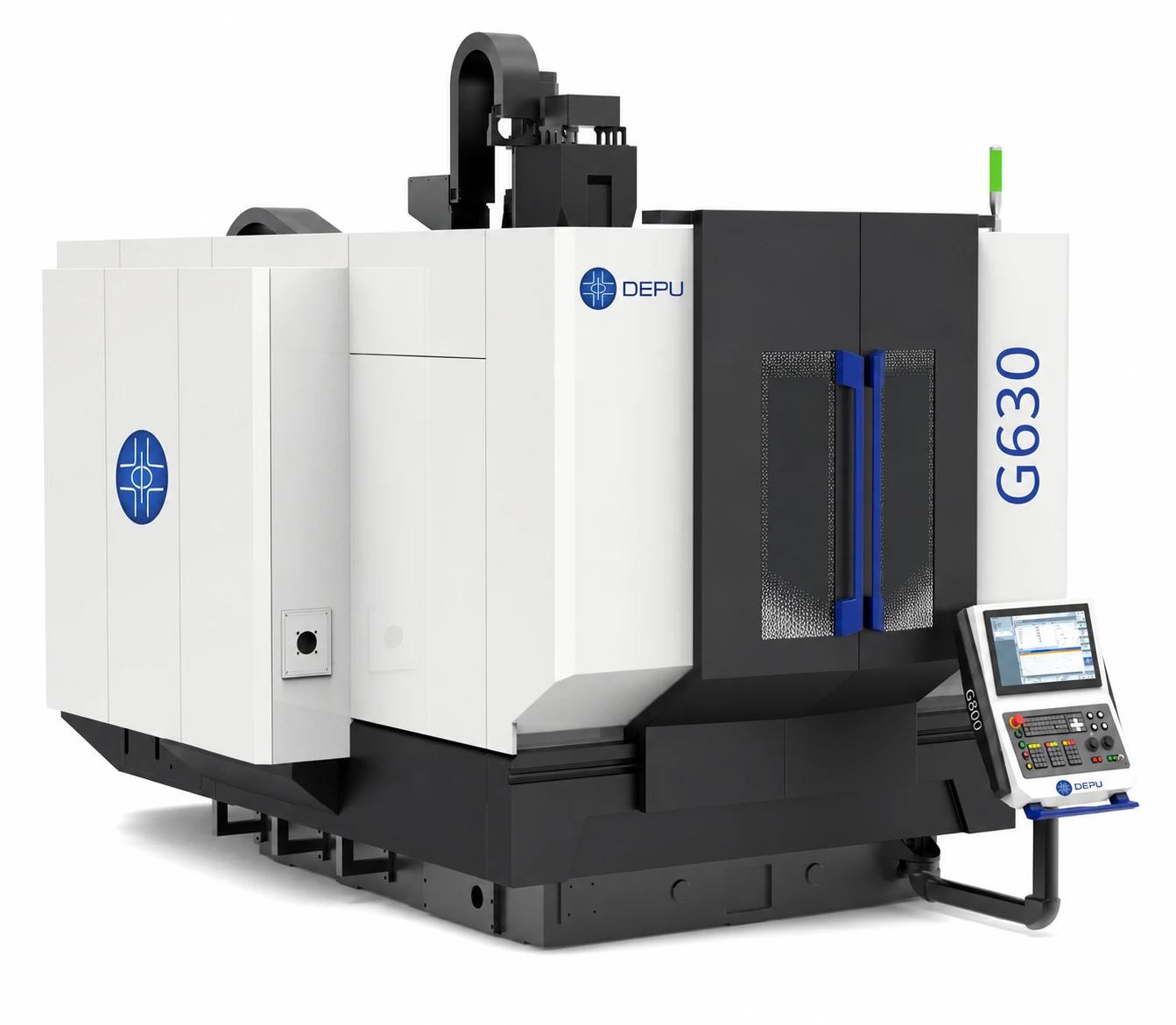
Explore the machine architecture behind the process. Start with your workpiece, then consider the configuration.