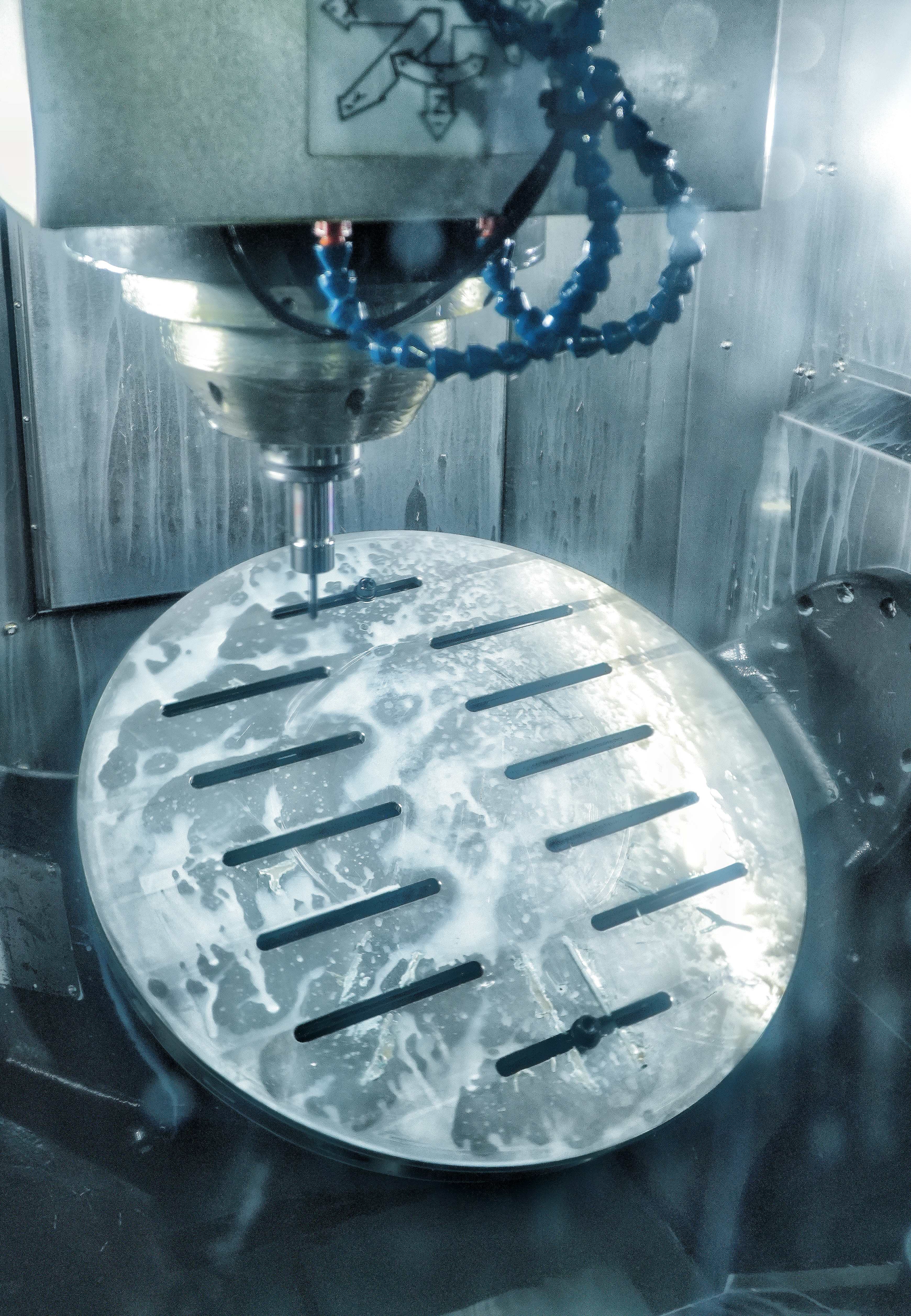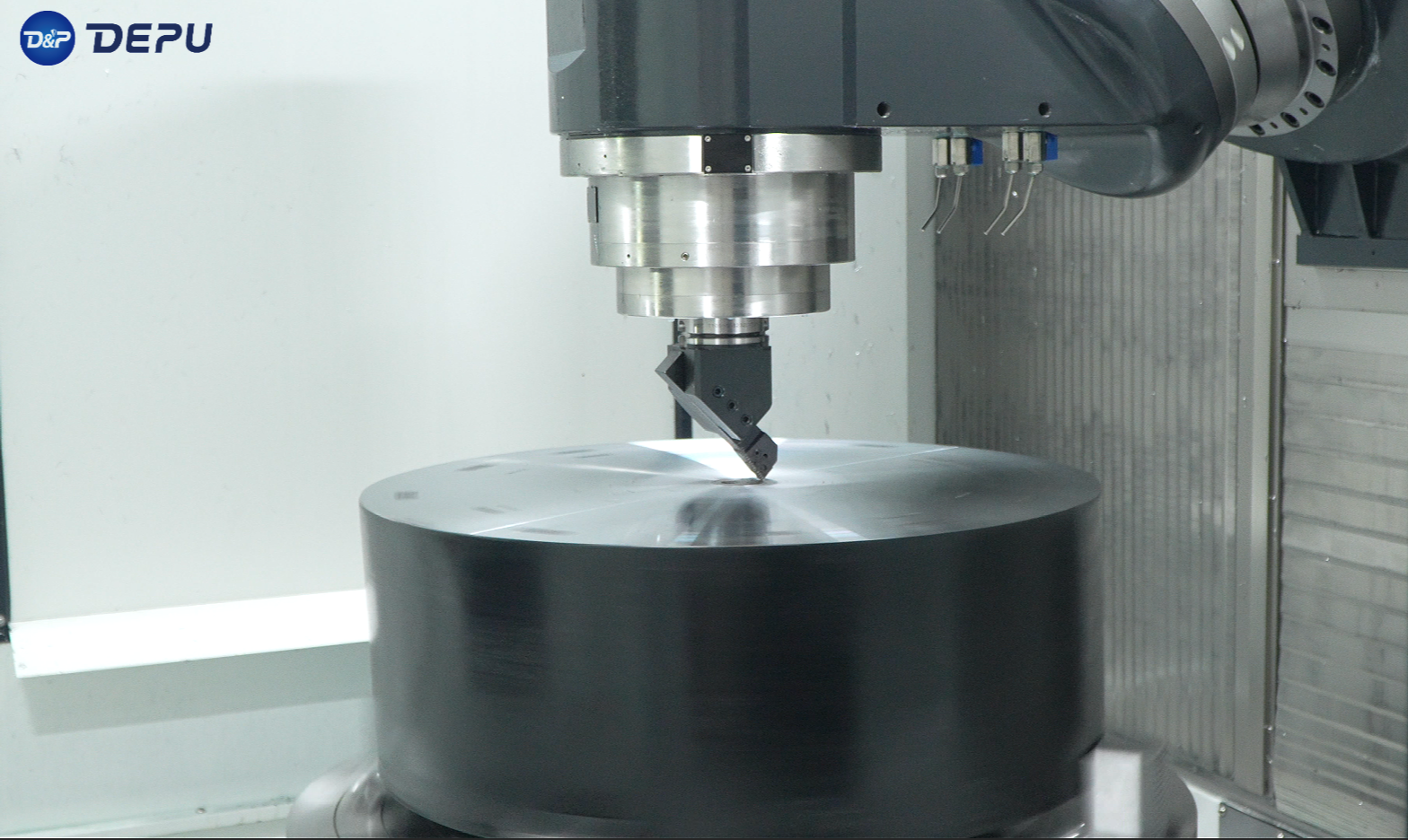

Selecting the right CNC milling machine for your manufacturing operation requires careful evaluation of multiple technical, operational, and economic factors. The decision significantly impacts production efficiency, product quality, and long-term profitability. This comprehensive buyer's guide provides the essential framework for making an informed CNC milling machine purchase that aligns with your specific manufacturing requirements and business objectives.
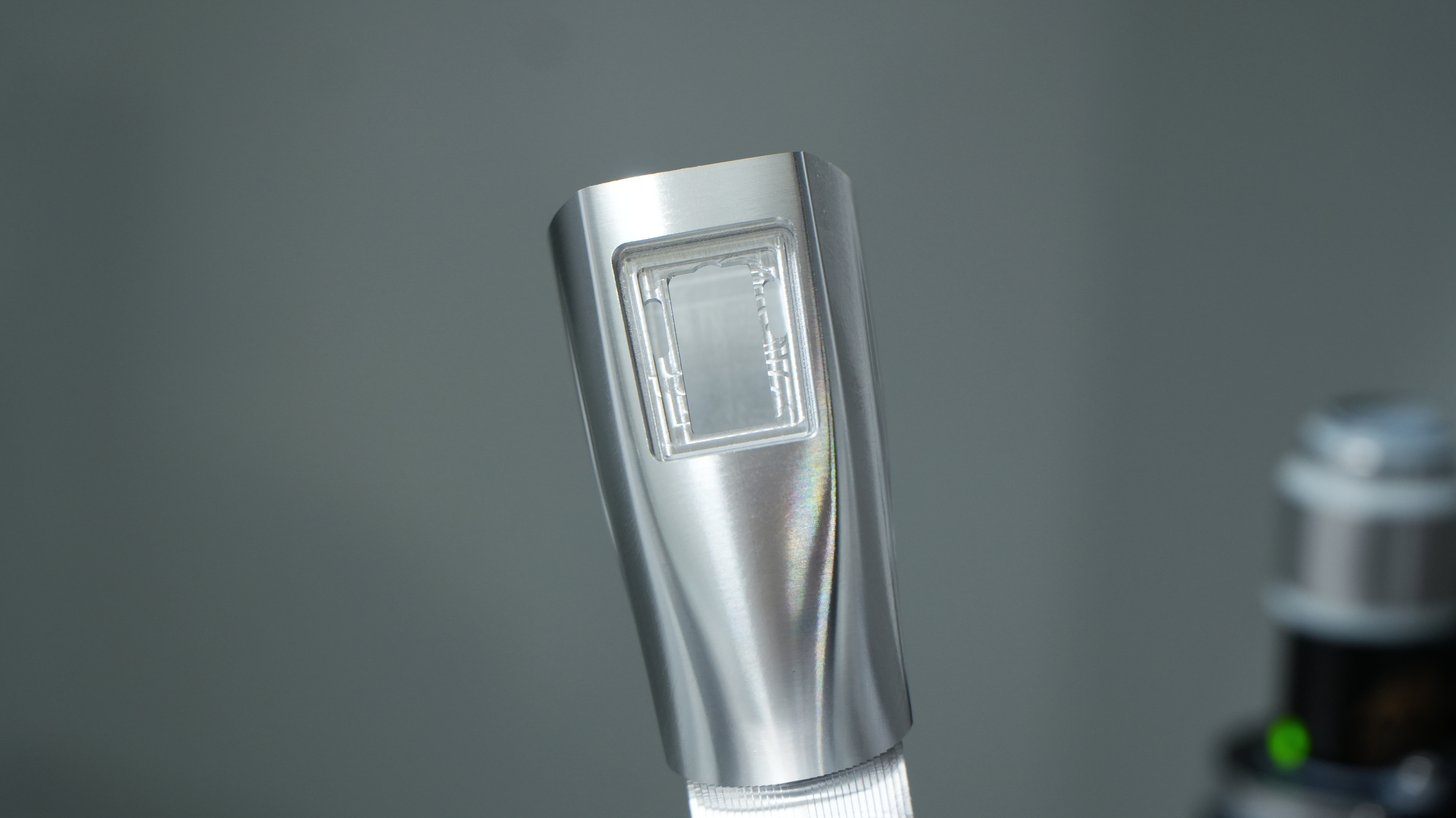
Understanding your machining requirements forms the foundation of choosing the appropriate CNC milling machine. The selection process involves analyzing workpiece dimensions, material types, required precision levels, production volumes, and available floor space. Each factor influences machine specifications, configuration options, and ultimately determines which CNC milling machine model best serves your operational needs while providing optimal return on investment.
Assessing Your Manufacturing Requirements
Workpiece Size and Weight Considerations
The dimensions and weight of parts you plan to machine directly determine the required table size and load capacity of your CNC milling machine. Measure the largest workpieces you anticipate processing and add clearance for fixturing and tool changes. Consider both current production requirements and potential future expansion to avoid outgrowing your equipment prematurely. Weight capacity affects not only the table rating but also the structural rigidity needed for accurate machining.
Vertical clearance requirements depend on the height of your tallest workpieces plus the length of cutting tools you'll use. Factor in additional space for workpiece setup and removal. For irregular or varying workpiece sizes, evaluate whether a larger work envelope provides cost-effective flexibility compared to running multiple smaller machines. The CNC milling machine work envelope must accommodate your largest parts while maintaining precision across the entire working range.
Material Types and Machining Challenges
Different materials place varying demands on your CNC milling machine selection. Aluminum machining requires high spindle speeds and excellent chip evacuation, while steel processing demands higher torque and robust construction. Exotic materials like titanium or Inconel require specialized tooling compatibility and enhanced thermal management. Consider the hardness range, abrasiveness, and thermal properties of materials in your production mix.
Machining parameters such as cutting speeds, feed rates, and depth of cut influence the required spindle power, machine rigidity, and control system capabilities. Evaluate whether your material mix requires multiple spindle options or specialized features like high-pressure coolant systems. The CNC milling machine must handle your most demanding materials while maintaining efficiency on standard production runs.
Evaluating Machine Specifications and Performance
Spindle Power and Speed Requirements
Spindle specifications determine the cutting capabilities and material range your CNC milling machine can effectively process. Higher horsepower enables heavier cuts and faster material removal rates, while spindle speed range affects surface finish quality and small tool performance. Match spindle characteristics to your primary machining applications rather than over-specifying for occasional use.
Consider the torque curve across the speed range, as some applications require high torque at low speeds while others need sustained power at high RPM. Evaluate cooling methods, bearing life expectations, and maintenance requirements. Tool holding systems must accommodate your existing tooling or justify conversion costs. The spindle interface affects tool change times and overall productivity.
Accuracy and Repeatability Standards
Precision requirements vary significantly across different manufacturing applications. Aerospace components may demand tolerances within microns, while general manufacturing might accept broader tolerance bands. Evaluate positioning accuracy, repeatability, and thermal stability specifications against your tightest tolerance requirements. Consider how environmental factors in your facility might affect machine performance.
Dynamic accuracy during cutting operations often differs from static positioning accuracy. Review specifications for geometric accuracy, straightness, and perpendicularity across the working envelope. The CNC milling machine control system resolution and feedback systems directly impact achievable precision levels. Factor in long-term accuracy retention and calibration requirements when comparing options.
Control System and Software Compatibility
Programming Interface and Ease of Use
The control system interface significantly affects operator productivity and programming efficiency. Evaluate whether your team has experience with specific control platforms or if training investments are necessary. Modern touchscreen interfaces offer intuitive operation, while traditional pendant controls may better suit experienced machinists. Consider the learning curve for different operators and the availability of local training resources.
Programming capabilities should align with your typical part complexity and production volumes. Basic conversational programming suffices for simple parts, while complex geometries require advanced CAM integration. Evaluate macro programming capabilities, canned cycles availability, and custom program storage capacity. The CNC milling machine control system must efficiently handle your typical programming requirements while offering growth potential.
CAM Software Integration
Seamless integration between your CAM software and the CNC milling machine control system streamlines program transfer and reduces setup times. Verify post-processor availability for your preferred CAM package and evaluate any required customization efforts. Consider network connectivity options for program transfer and remote monitoring capabilities that enhance operational efficiency.
Advanced features like simulation, collision detection, and adaptive machining depend on control system capabilities and software compatibility. Evaluate whether your current CAM investment supports the control platform or if software upgrades are necessary. Integration quality affects both programming efficiency and the ability to optimize cutting parameters for different applications.
Structural Design and Build Quality
Machine Frame and Construction
The structural foundation of a CNC milling machine determines its long-term accuracy retention and capability to handle demanding cutting operations. Cast iron construction provides excellent vibration damping and thermal stability, while welded steel frames offer cost advantages for lighter-duty applications. Evaluate the base design, column attachment methods, and overall structural rigidity based on your machining requirements.
Way systems significantly impact machine performance and maintenance requirements. Linear guides offer high precision and speed capabilities but require careful protection from contamination. Traditional slideways provide excellent damping and load capacity but may limit rapid traverse rates. The choice affects both initial cost and long-term operational characteristics of your CNC milling machine investment.
Component Quality and Reliability
Critical components like ballscrews, bearings, and drive systems determine the operational reliability and maintenance requirements of your CNC milling machine. Premium components typically offer longer service life and better performance but increase initial investment costs. Evaluate component specifications against your production volume and uptime requirements to determine the appropriate quality level.
Lubrication systems, chip management, and coolant delivery affect both performance and maintenance demands. Automatic lubrication systems reduce manual maintenance but add complexity. Evaluate whether enhanced features justify additional costs based on your operational priorities and maintenance capabilities. Component accessibility for service and replacement impacts total cost of ownership throughout the machine lifecycle.
Budget Considerations and Total Cost Analysis
Initial Investment and Financing Options
CNC milling machine pricing varies significantly based on size, features, and precision levels. Establish a realistic budget that includes not only the machine cost but also installation, training, and initial tooling requirements. Compare financing options including traditional loans, leasing arrangements, and manufacturer financing programs to optimize cash flow impact.
Avoid the temptation to over-specify features that don't directly contribute to your production requirements. Focus investment on capabilities that generate measurable returns through improved efficiency, quality, or capacity. Consider used equipment options for non-critical applications while ensuring adequate warranty and support coverage.
Operating Costs and Return on Investment
Long-term operating costs often exceed the initial CNC milling machine purchase price over the equipment lifecycle. Evaluate power consumption, maintenance requirements, tooling costs, and expected productivity gains when calculating total cost of ownership. Factor in potential labor savings, quality improvements, and capacity increases to determine realistic payback periods.
Maintenance costs vary significantly between different machine designs and component qualities. Premium components typically reduce maintenance frequency but may increase individual service costs. Consider your internal maintenance capabilities versus service contract options when evaluating long-term cost projections. The CNC milling machine selection should optimize total cost rather than minimize initial purchase price.
FAQ
What factors determine the required spindle power for a CNC milling machine?
Spindle power requirements depend primarily on the materials you'll machine, cutting parameters, and desired productivity levels. Harder materials like steel and exotic alloys require more power for equivalent material removal rates compared to aluminum. Consider your largest anticipated cuts and most demanding applications when specifying power requirements.
How do I determine the appropriate work envelope size for my applications?
Measure your largest workpieces and add clearance for fixturing, tool changes, and part loading. Consider both current requirements and anticipated growth over the machine's service life. A work envelope that's too small limits future opportunities, while excessive size increases costs without providing value.
What control system features are essential versus optional for most applications?
Essential features include reliable positioning control, adequate program storage, and basic canned cycles. Advanced features like simulation, adaptive control, and network connectivity provide value in specific applications but may not justify costs for simple production requirements. Match control sophistication to your actual programming and operational needs.
How important is machine accuracy for general manufacturing applications?
Required accuracy levels vary significantly across applications. General manufacturing often accepts tolerances in the 0.001-0.005 inch range, while precision work demands sub-thousandth accuracy. Specify accuracy requirements based on your tightest tolerances rather than theoretical maximums. Higher accuracy typically increases costs and may provide no practical benefit for many applications.