
Inside a Modern 5-Axis Machine: Design Features That Improve Long-Term Accuracy
Modern 5-axis machines rely on advanced structural design, thermal control, and precision feedback systems to maintain long-term machining accuracy.
Better questions. Better machining decisions.
Explore the processes, technologies and thinking behind precision manufacturing.
Machine selection, process thinking and industry perspectives.
Modern 5-axis machines rely on advanced structural design, thermal control, and precision feedback systems to maintain long-term machining accuracy.
High-speed machining for complex parts requires more than spindle power. Structural stability determines accuracy, surface quality, and long-term machining consistency.
Machine structure plays a decisive role in determining the real accuracy of a 5-axis machining center, influencing rigidity, vibration control, and long-term stability.
Large aerospace components require more than extended travel ranges. Structural rigidity, thermal stability, and load capacity determine real machining performance.
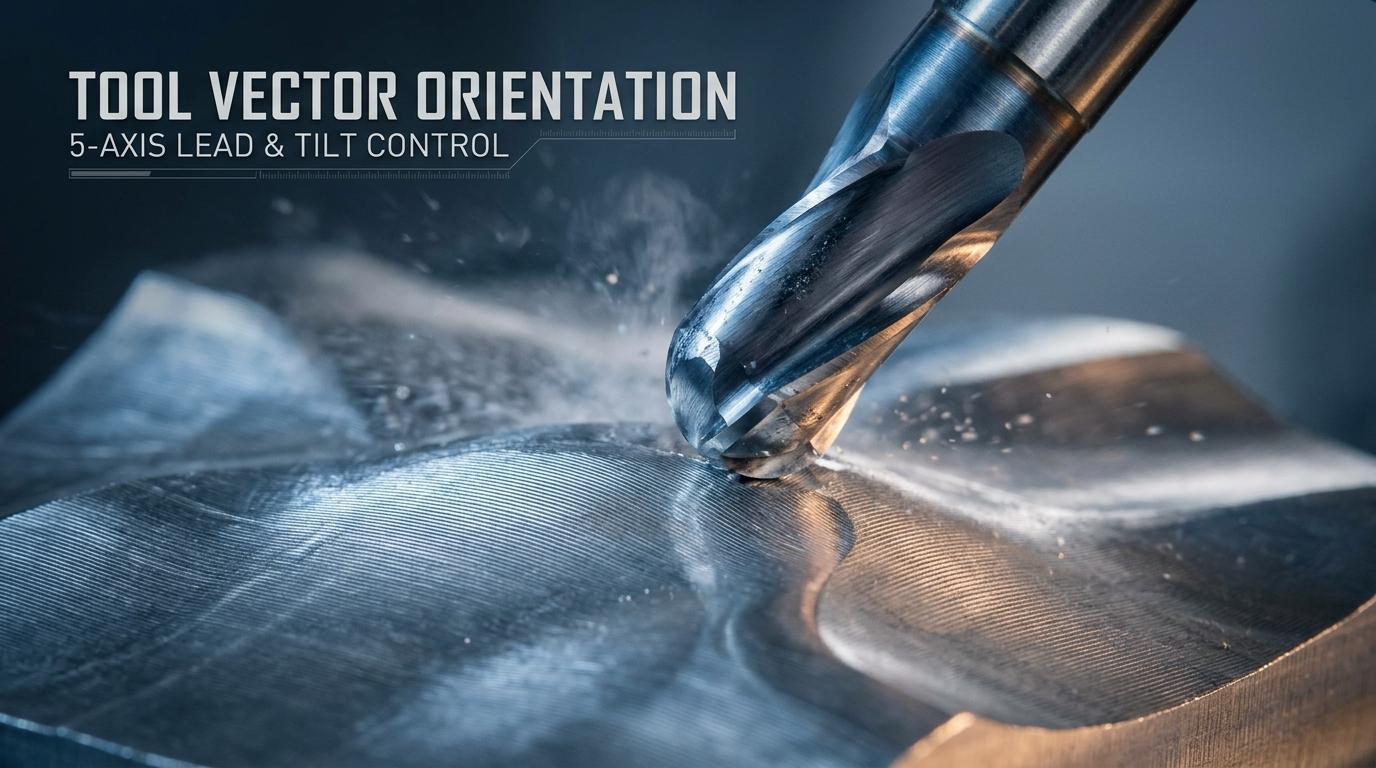
Understanding interference constraints in complex surface machining involves recognizing geometric conflicts between tools, holders, and workpiece surfaces. These constraints limit valid tool orientations, requiring C‑space analysis and curvature‑based planning to avoid collisions, ensure machining stability, and preserve part quality.
A long-term warranty often reflects deeper structural confidence in machine design, indicating stability, durability, and predictable long-term performance.
Advanced CNC systems enhance multi-axis synchronization accuracy through real-time interpolation, high-speed processing, and intelligent servo control strategies.
Linear scales play a critical role in maintaining micron-level positioning accuracy by eliminating backlash influence and compensating for thermal and mechanical deviation in CNC systems.
Small-part precision and heavy-duty cutting require fundamentally different 5-axis machine architectures, spindle strategies, and structural engineering approaches.
Explore the machine architecture behind the process. Start with your workpiece, then consider the configuration.
Tell us what you need to machine.
Let's explore the right platform, together.