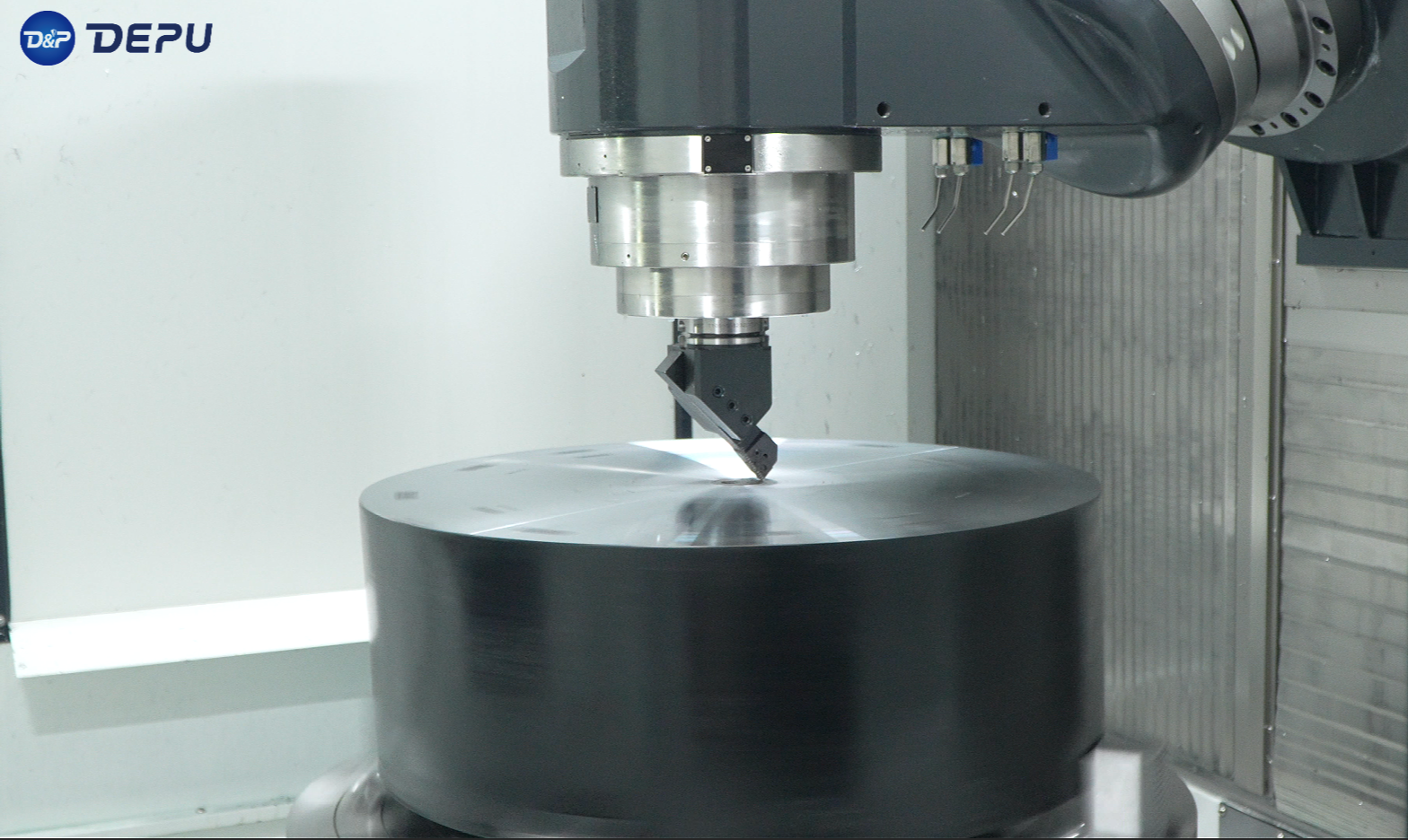

Small-Part Precision vs. Heavy-Duty Cutting: Engineering Different 5-Axis Philosophies
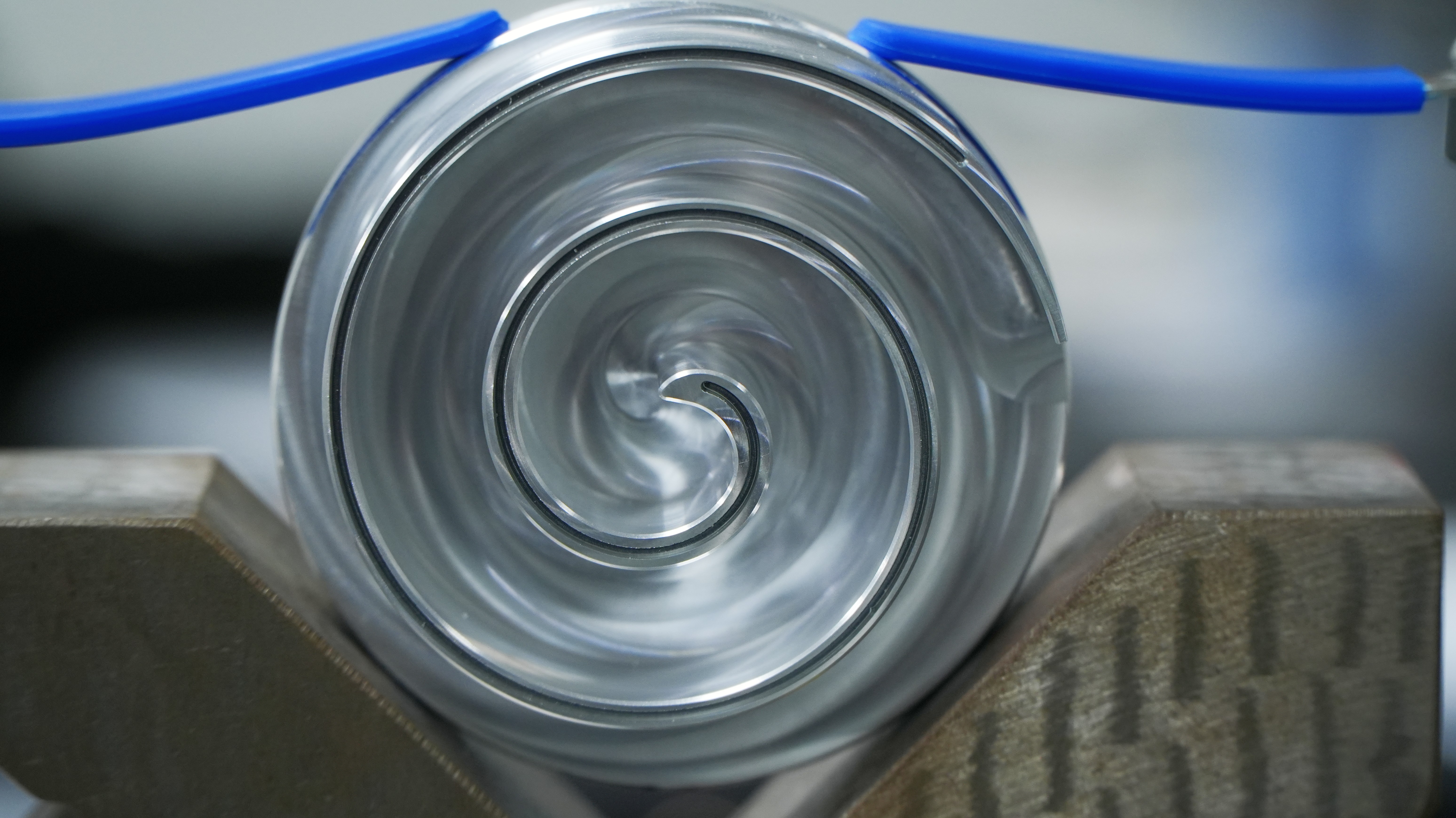
Two Philosophies, One Technology
Not all 5-axis machines are engineered with the same purpose. Some prioritize micron-level detail on compact components. Others are built to remove material aggressively from large, high-strength workpieces.
The distinction between small-part precision 5-axis systems and heavy-duty 5-axis cutting platforms is not just about size—it reflects two fundamentally different engineering philosophies.
Understanding that difference is essential before selecting the right machine platform.
Small-Part Precision: Speed and Responsiveness
A small-part precision 5-axis machine typically focuses on:
-
High spindle speed
-
Rapid acceleration
-
Lightweight moving structures
-
Minimal thermal drift
Applications include medical devices, 3C components, precision molds, and intricate aluminum or stainless-steel parts.
In these environments, high-speed vs high-torque CNC becomes a defining choice. Precision-oriented machines emphasize speed and dynamic responsiveness over extreme load capacity.
Surface finish, micro-feature accuracy, and tight tolerances are the primary performance indicators.
Heavy-Duty Cutting: Torque and Structural Mass
Heavy-duty 5-axis cutting addresses a different set of challenges:
-
Thick material removal
-
Tough alloys (titanium, superalloys, hardened steel)
-
Large structural components
-
Sustained high cutting forces
Here, structural rigidity in 5-axis machining becomes the dominant factor. Machine mass, reinforced casting, and torque stability determine success.
Rather than peak spindle RPM, heavy-duty platforms prioritize:
-
High torque at low speed
-
Stable rotary axes under load
-
Vibration suppression
-
Long-term geometric retention
The engineering emphasis shifts from agility to endurance.
Machine Architecture Defines Capability
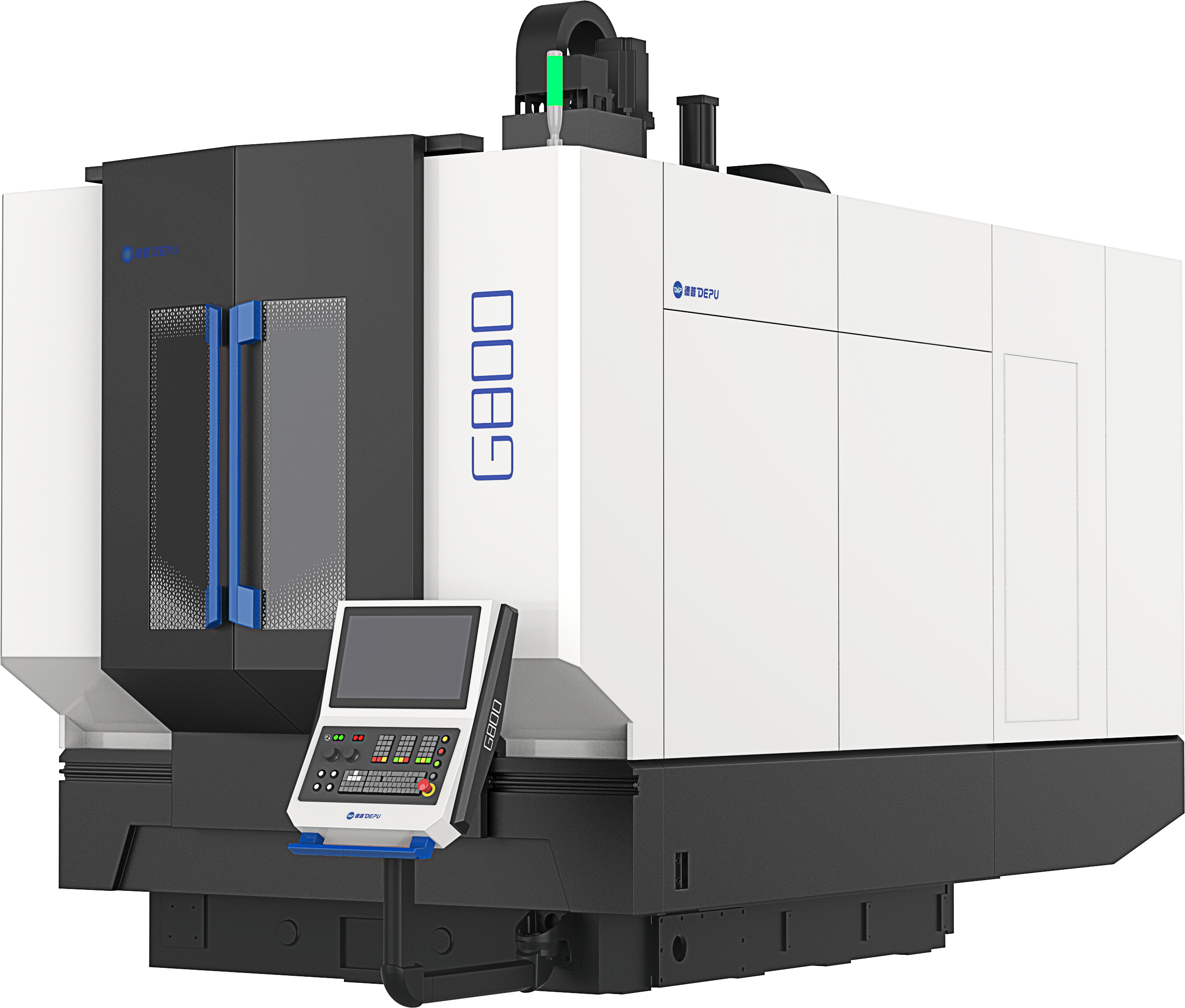
The 5-axis machine architecture varies significantly between these two philosophies.
Small-Part Platforms Often Feature:
-
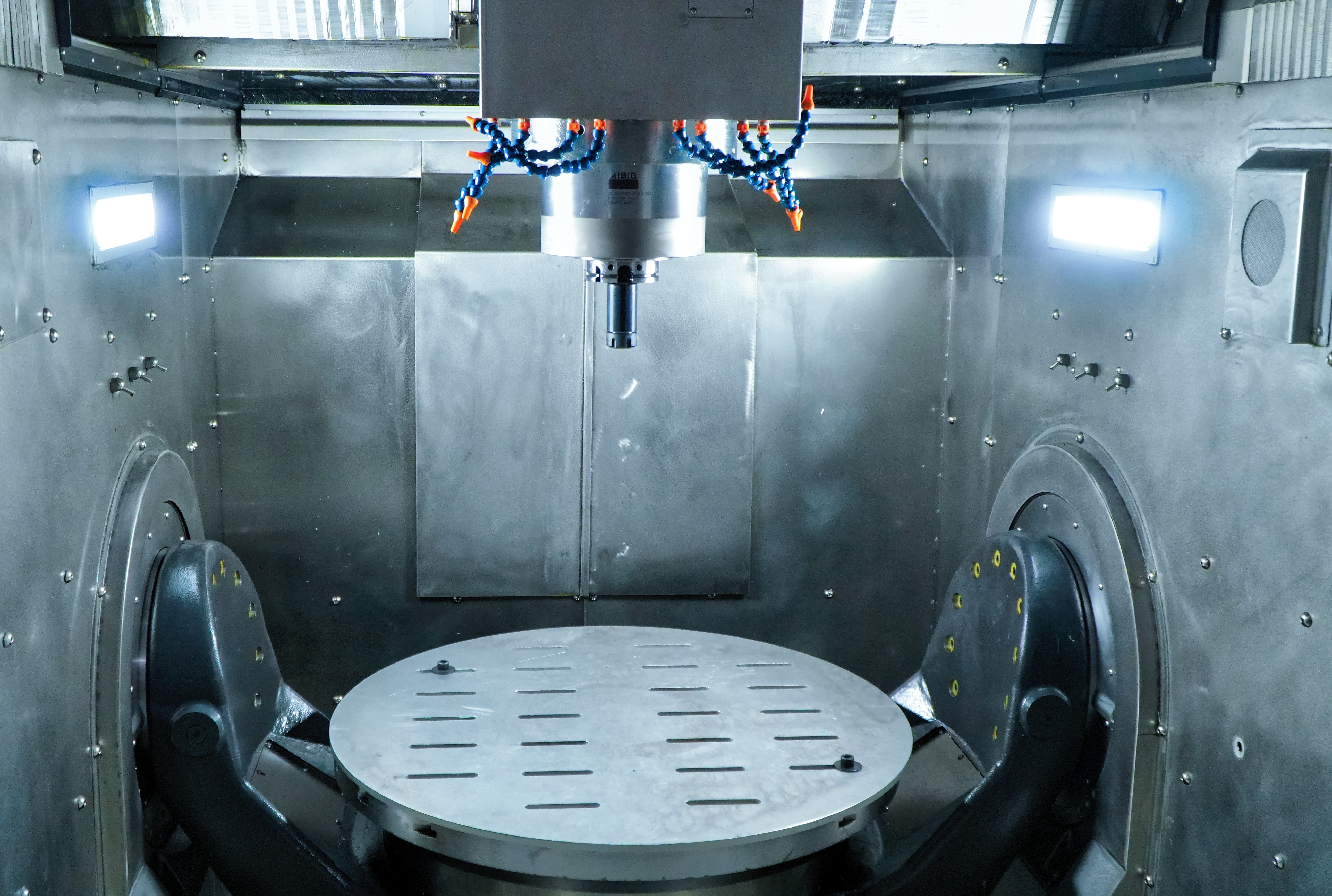
Compact trunnion tables
-
Lightweight axis assemblies
-
Direct-drive rotary systems
-
Optimized high-speed spindles
Heavy-Duty Platforms Often Feature:
-
Gantry or double-column structures
-
Reinforced rotary tables
-
Large-diameter bearings
-
High-load linear guide systems
A small-part precision 5-axis system optimized for agility may struggle under aggressive deep cuts. Conversely, a heavy-duty system may lack the dynamic acceleration required for ultra-fine micro machining.
Architecture defines limits.
Dynamic Stability vs. Mass Stability
Precision systems rely on dynamic control—rapid servo response and smooth interpolation. Their structural strategy minimizes inertia to allow faster axis movement.
Heavy-duty 5-axis cutting depends on mass stability—absorbing vibration through structural weight and rigidity.
Both approaches aim to reduce vibration, but they achieve it differently:
-
Precision machines reduce vibration through speed control and lightweight responsiveness.
-
Heavy-duty machines resist vibration through structural mass and stiffness.
The philosophy behind the machine determines how stability is achieved.
Thermal Behavior Under Different Loads
Thermal management also differs.
A small-part precision 5-axis machine often runs high spindle speeds with moderate cutting forces. Heat originates primarily from the spindle and servo systems.
Heavy-duty cutting generates heat through sustained material removal and torque load. Structural expansion becomes a larger risk.
Therefore, cooling systems, compensation algorithms, and structural design must align with the intended workload.
Scaling production without aligning philosophy leads to inconsistency.
Accuracy vs. Repeatability Under Load
Small precision parts require micron-level geometric control across intricate features. Accuracy is often measured in surface detail and contour fidelity.
Heavy-duty components require dimensional stability across large geometries under stress. Repeatability under load becomes more critical than peak micro-accuracy.
A small-part precision 5-axis platform optimized for micro-features may not maintain the same consistency during aggressive heavy milling.
The engineering trade-off is unavoidable—design must prioritize application.
Choosing the Right Philosophy
Manufacturers should evaluate:
-
Typical workpiece size
-
Material hardness
-
Required surface finish
-
Production volume
-
Continuous cutting duration
If the majority of applications involve intricate, lightweight components, a small-part precision 5-axis system is likely optimal.
If machining involves large aerospace structures, energy components, or hardened materials, heavy-duty 5-axis cutting provides greater reliability.
Attempting to use one philosophy to cover all extremes often compromises performance in both.
Conclusion
5-axis technology is not one-size-fits-all. The difference between small-part precision and heavy-duty cutting reflects two distinct engineering strategies.
A small-part precision 5-axis machine emphasizes speed, agility, and micro-level detail. Heavy-duty 5-axis cutting prioritizes torque, structural mass, and endurance under load.
Selecting the right 5-axis machine architecture is less about brand or specification sheets—and more about aligning machine philosophy with manufacturing reality.
Precision and power are not opposites. They are engineered priorities.
FAQ
1. Can one 5-axis machine handle both small precision parts and heavy-duty cutting?
Some hybrid machines exist, but optimizing for both extremes often requires compromise in speed, torque, or rigidity.
2. Why does heavy-duty cutting require more structural mass?
Higher cutting forces generate vibration and deflection. Increased mass and rigidity help absorb these forces and maintain stability.
3. Is high spindle speed always better?
Not necessarily. High speed benefits small precision parts, while heavy-duty cutting depends more on torque and stability.
4. What is the most important factor when selecting a 5-axis machine?
Alignment between machine architecture and primary application requirements determines long-term performance and ROI.