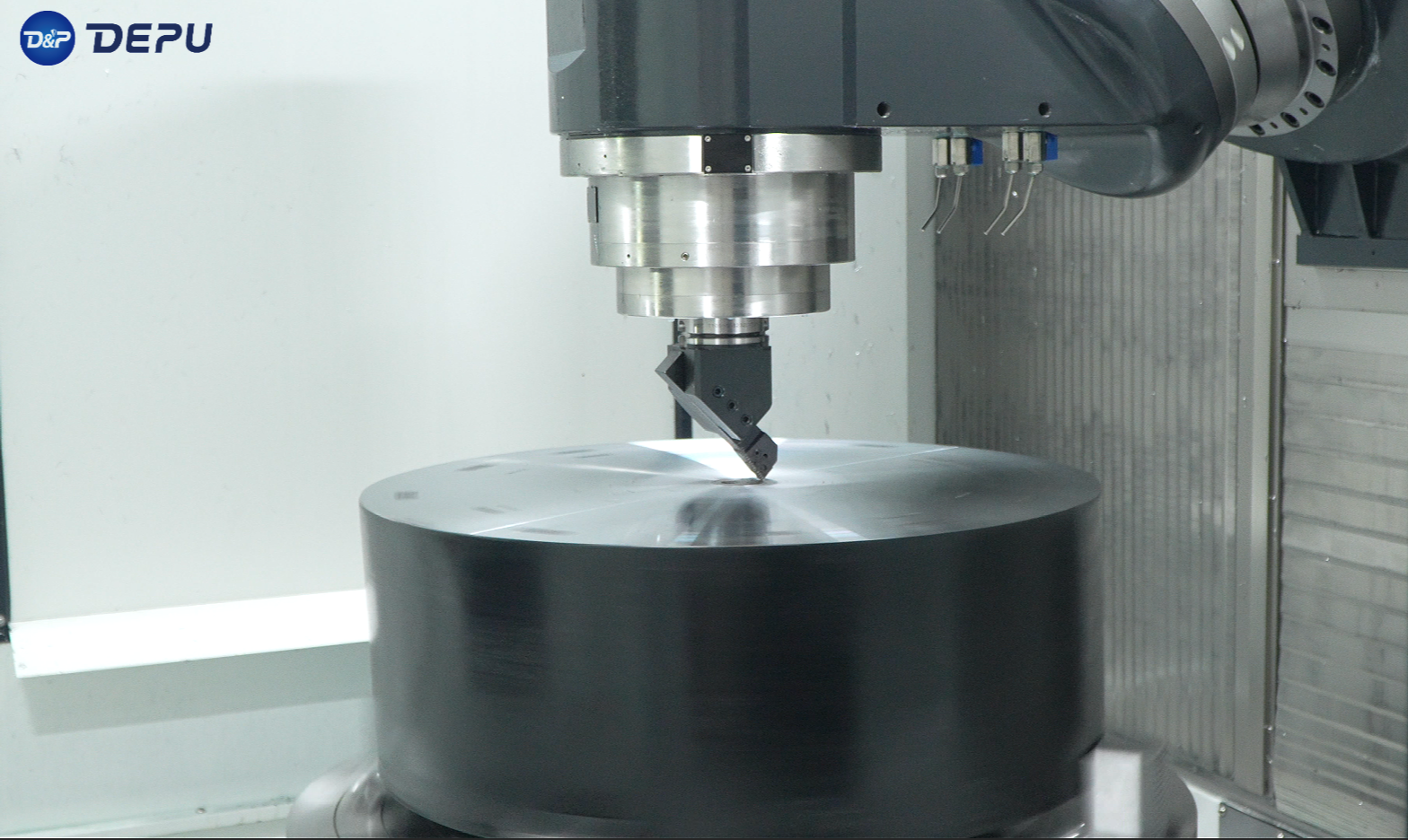

Why Machine Dynamics Matter More Than Speed in Complex 5-Axis Machining
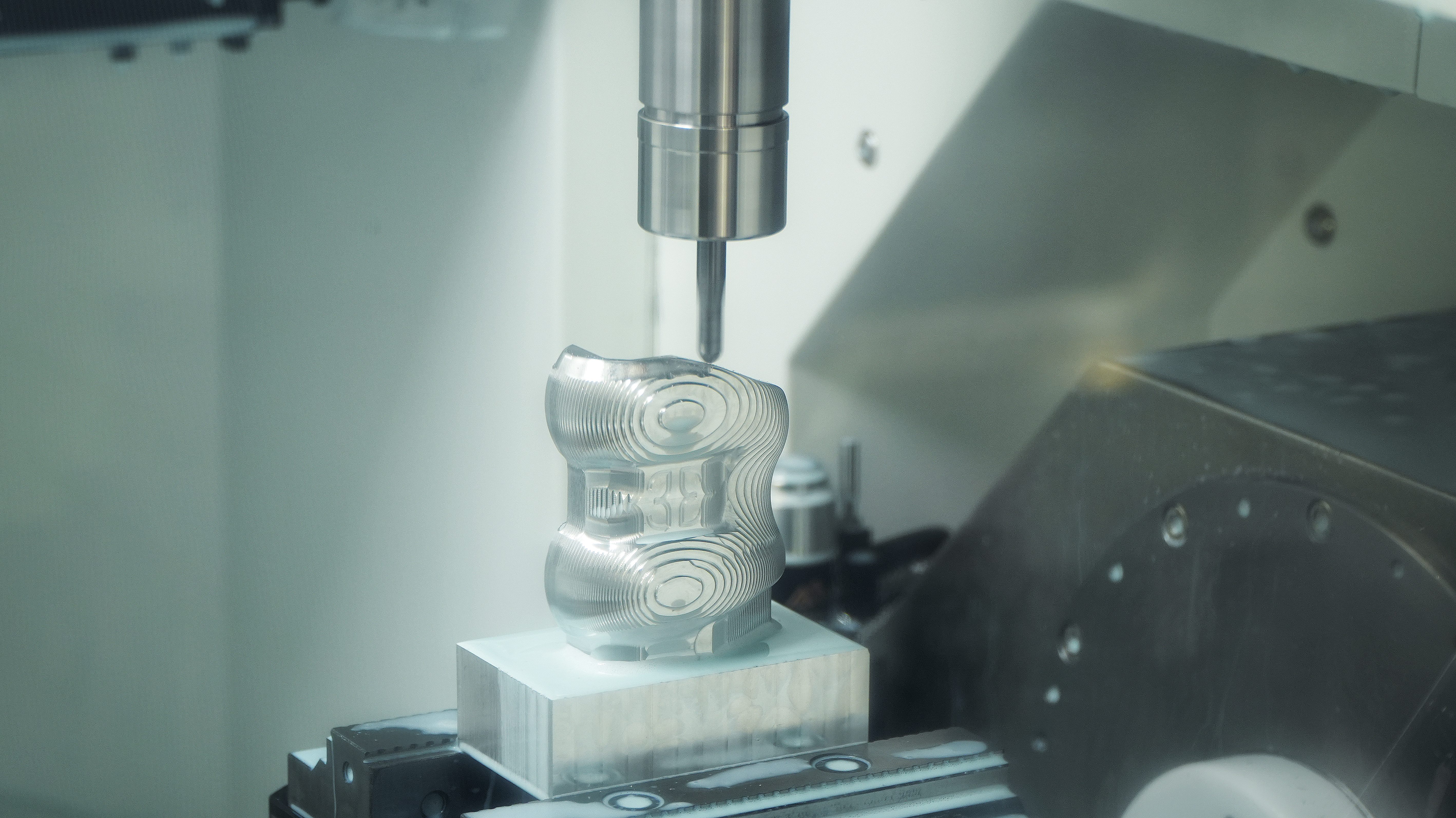
Introduction: High Speed Alone Does Not Guarantee Performance
In modern 5-axis CNC machining, machine performance is often associated with spindle speed, feed rate, or rapid motion capability.
However, speed alone does not determine machining quality or productivity. In complex applications, machine dynamics CNC often matter far more than theoretical speed specifications.
A machine may move quickly, but if vibration, instability, or uncontrolled motion occur during cutting, machining quality declines rapidly. For manufacturers pursuing stable precision CNC machining, machine dynamics directly influence machining consistency, surface quality, and long-term reliability.
Understanding how dynamic stability CNC affects machining behavior is essential for achieving reliable micron level machining in complex multi-axis environments.
1. What Are Machine Dynamics CNC?
Machine dynamics CNC refers to how a machine behaves under motion and cutting forces during machining operations.
Machine dynamics involve:
- Structural response to cutting loads
- Vibration behavior
- Axis acceleration and deceleration
- Motion stability during interpolation
Stable dynamics allow the machine to maintain predictable cutting behavior.
Poor machine dynamics may cause:
- Vibration
- Positioning instability
- Surface inconsistency
- Reduced machining accuracy
In advanced 5 axis machining, dynamic performance becomes increasingly important as machining complexity increases.
2. High Speed Without Stability Creates Problems
A machine capable of high spindle speed may still struggle during real machining operations.
Without proper machining stability CNC:
- Chatter becomes more likely
- Tool wear increases
- Surface finish deteriorates
- Positioning consistency decreases
High speed combined with unstable cutting often forces operators to reduce feed rates or cutting depth.
As a result, theoretical productivity becomes impossible to achieve.
This is why speed alone rarely determines real high precision machining efficiency.
3. Dynamic Stability CNC Controls Cutting Behavior
Dynamic stability CNC determines how effectively the machine resists vibration during machining.
Stable dynamic systems help:
- Reduce resonance
- Maintain smooth axis motion
- Improve cutting consistency
- Support reliable tool engagement
Advanced machine structures improve dynamic stability CNC through:
- Balanced moving assemblies
- Structural damping optimization
- Controlled inertia
- Stable spindle performance
This allows smoother machining behavior during difficult multi-axis operations.
4. CNC Machine Rigidity Supports Better Machine Dynamics
Strong CNC machine rigidity is one of the foundations of stable machine dynamics.
During cutting, machines experience continuously changing loads.
Weak rigidity causes:
- Structural deformation
- Increased vibration
- Unstable cutting conditions
A rigid structure helps stabilize machine response and improves overall machine vibration CNC control.
This becomes especially important in precision CNC machining, where even minor movement affects dimensional consistency.
5. Complex Multi-Axis Motion Increases Dynamic Demands
In 5-axis cnc machining, machine dynamics become more challenging because multiple axes move simultaneously.
This creates:
- Variable cutting force directions
- Continuous acceleration changes
- Complex motion interpolation
As machining complexity increases, poor dynamics become more visible.
Machines with stronger machine dynamics CNC maintain smoother movement and better positional consistency during demanding toolpaths.
This helps support reliable micron level machining performance.
6. Stable Dynamics Improve Surface Quality and Tool Life
Stable cutting conditions reduce irregular force variation on the cutting tool.
This improves:
- Surface finish consistency
- Tool wear predictability
- Machining repeatability
In unstable systems, vibration marks and chatter often appear, reducing product quality and increasing tooling cost.
Better dynamic stability CNC helps maintain smoother cutting behavior throughout extended machining cycles.
7. Real Efficiency Comes from Stability, Not Maximum Speed
Manufacturers often assume faster machines automatically deliver higher productivity.
In reality, machines with better machining stability CNC often outperform faster but unstable systems.
Stable machines allow:
- Higher sustained cutting performance
- Reduced rework
- More consistent dimensional accuracy
- Longer tool life
For complex parts requiring precision CNC machining, stable machine dynamics frequently determine overall production efficiency more than maximum spindle speed.
Conclusion: Machine Dynamics Define Real Performance
In advanced 5-axis CNC machining, speed is only one part of machining performance.
Reliable machining depends on strong machine dynamics CNC, supported by:
- Dynamic stability CNC
- CNC machine rigidity
- Controlled vibration behavior
- Stable multi-axis motion
Machines with optimized dynamics achieve:
- Better surface quality
- More reliable micron level machining
- Improved cutting stability
- Higher real-world productivity
For manufacturers pursuing consistent high precision machining, machine dynamics matter far more than speed alone.
FAQ
1. What are machine dynamics in CNC machining?
Machine dynamics describe how a machine responds to motion, vibration, and cutting forces during machining operations.
2. Why do machine dynamics matter more than speed?
Because unstable motion reduces machining accuracy, surface quality, and cutting efficiency even at high speeds.
3. How does dynamic stability CNC improve machining?
It reduces vibration, improves cutting consistency, and helps maintain stable machining conditions.
4. How does CNC machine rigidity affect machine dynamics?
Higher rigidity reduces deformation and helps stabilize machine behavior during cutting.
5. Can a slower machine outperform a faster one?
Yes. A machine with better machining stability CNC often delivers higher real productivity through more stable cutting and fewer machining errors.