
What Limits Surface Consistency in High-Precision 5-Axis Machining
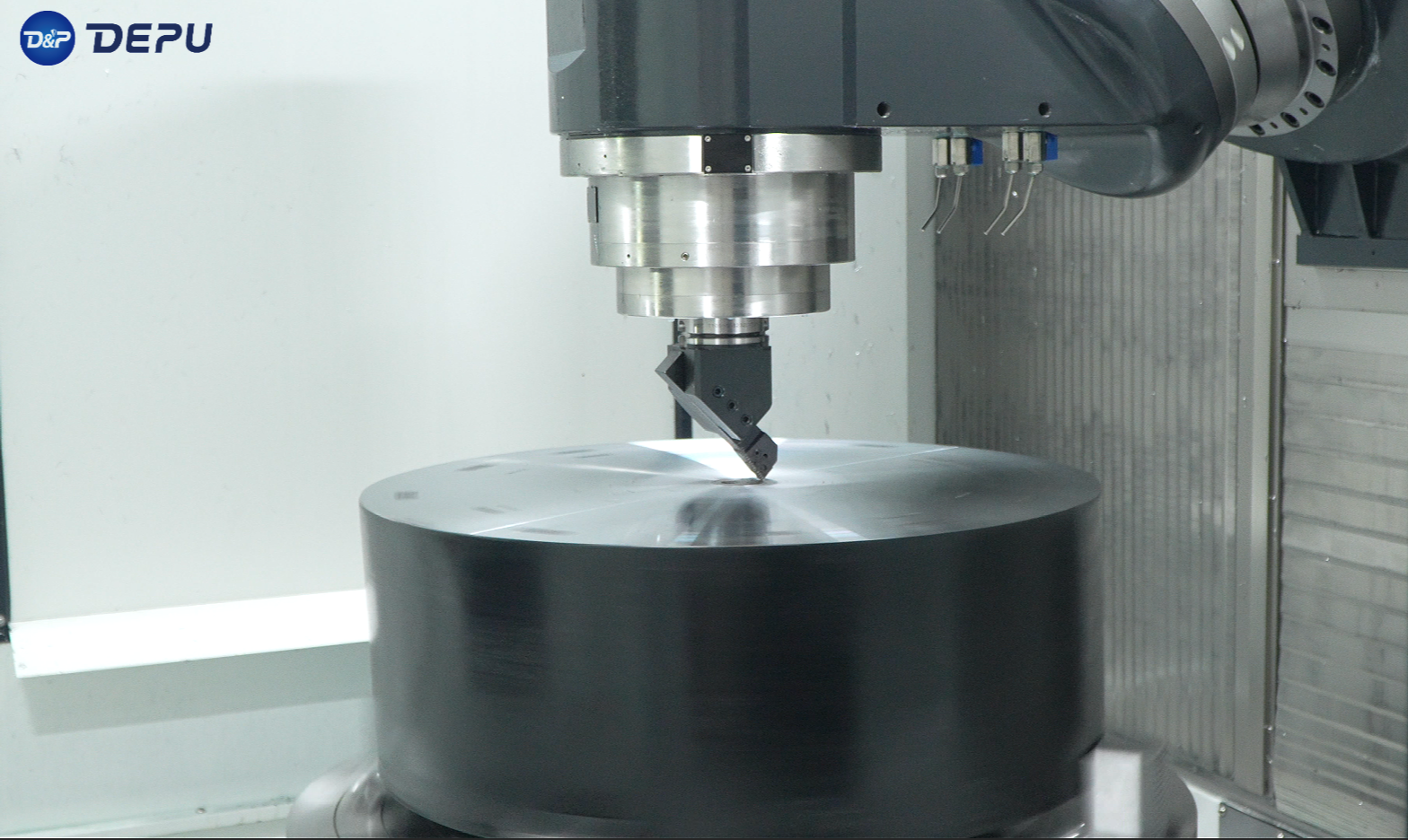
Introduction: Surface Consistency Reflects Machining Stability
In advanced 5-axis CNC machining, surface quality is often one of the clearest indicators of machining performance.
For manufacturers producing aerospace components, medical parts, molds, or precision industrial components, maintaining stable surface consistency CNC is essential for both functionality and product quality.
However, achieving consistent surfaces becomes increasingly difficult as machining complexity increases. Multi-axis motion, vibration, thermal behavior, and changing cutting forces all influence final surface quality.
In high precision machining, surface consistency depends on far more than cutting speed or tooling—it reflects the overall stability of the machining system.
1. What Is Surface Consistency CNC?
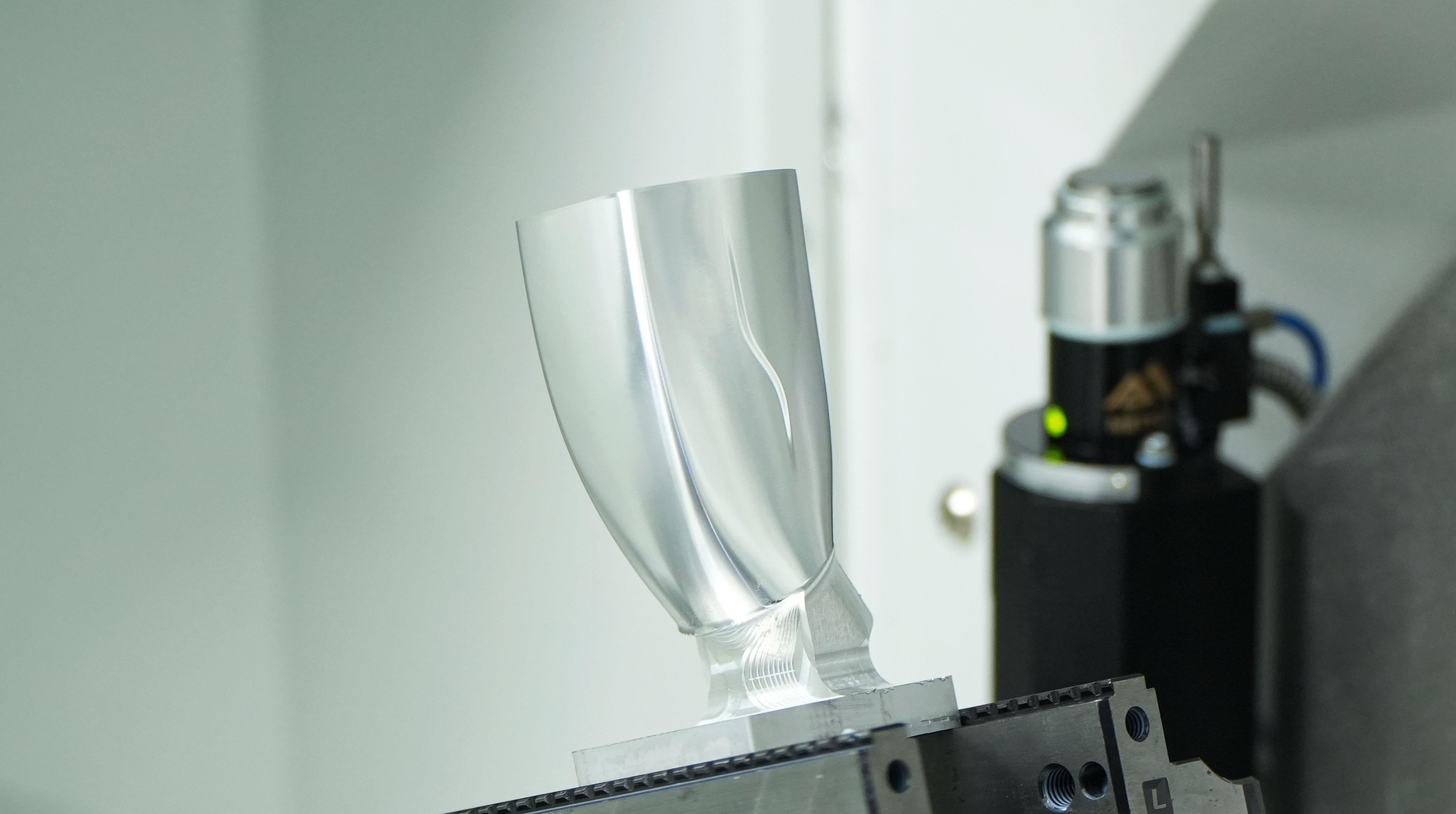
Surface consistency CNC refers to the ability to maintain uniform surface quality across a machined workpiece and throughout repeated production cycles.
Stable surface consistency requires:
- Predictable cutting behavior
- Smooth material removal
- Stable machine motion
- Controlled vibration
Poor surface consistency may result in:
- Surface waviness
- Chatter marks
- Inconsistent roughness
- Dimensional variation
For reliable precision CNC machining, maintaining stable surface quality is critical.
2. Machining Stability CNC Directly Influences Surface Quality
One of the biggest limitations of surface consistency is unstable cutting behavior.
Strong machining stability CNC helps maintain:
- Stable cutting engagement
- Consistent force distribution
- Predictable tool movement
Without stable machining:
- Vibration increases
- Surface finish becomes irregular
- Tool marks become more visible
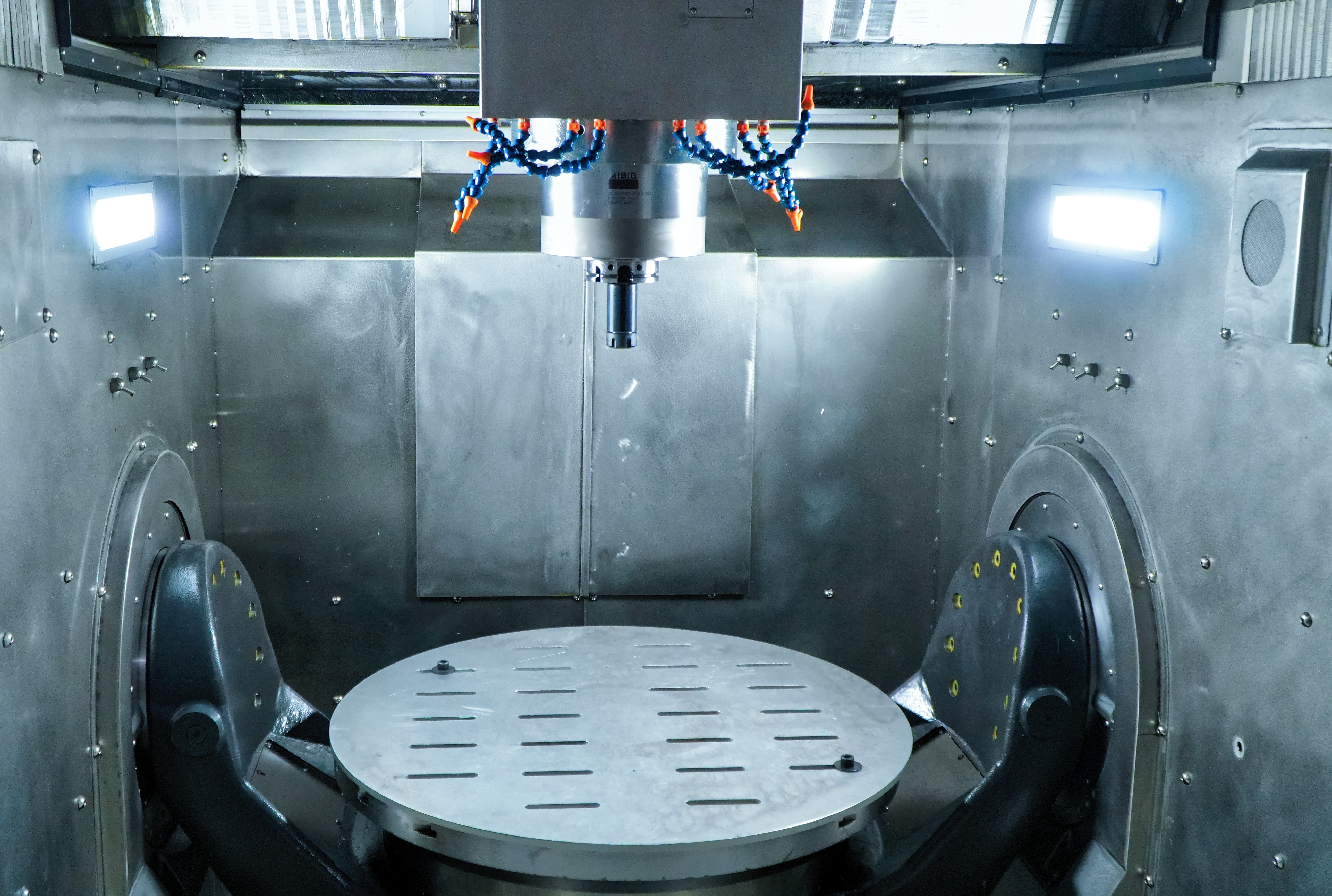
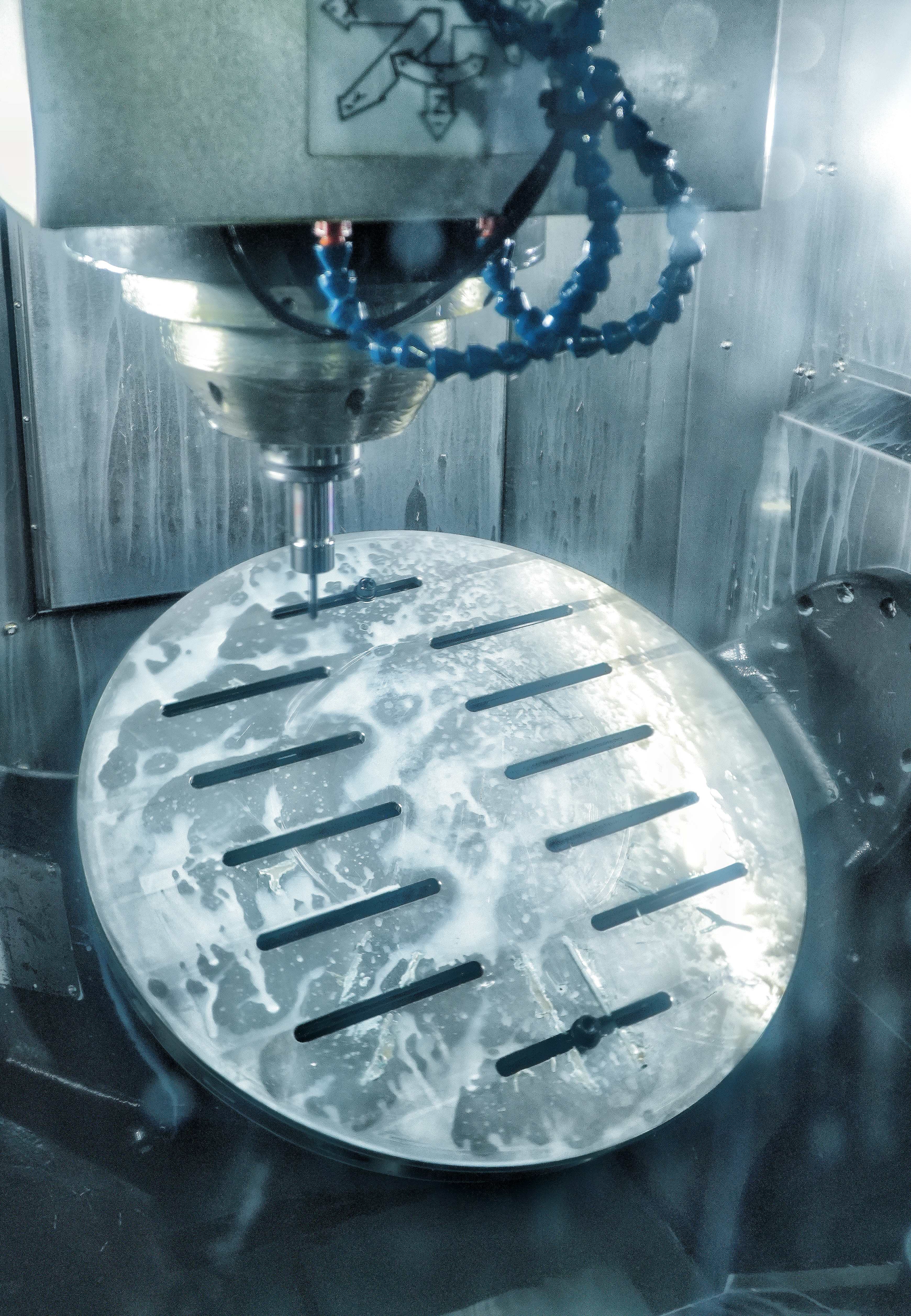
This becomes especially important in 5 axis machining, where cutting conditions continuously change during machining.
3. CNC Machine Rigidity Reduces Surface Variation
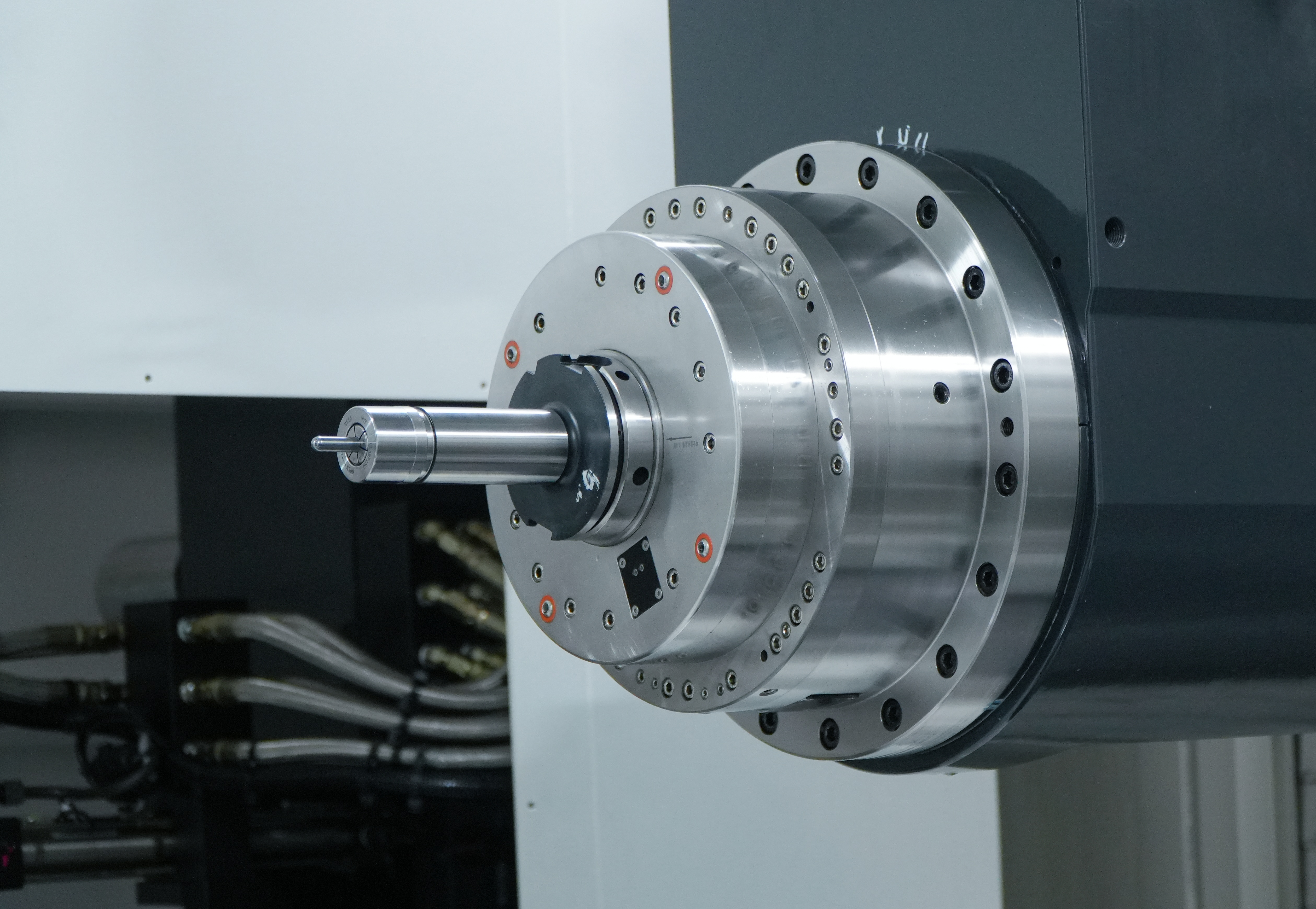
Strong CNC machine rigidity helps resist deformation under cutting forces.
During machining, weak structures may experience:
- Tool deflection
- Structural vibration
- Positioning inconsistency
These effects reduce surface quality CNC and make stable finishes harder to achieve.
Machines with higher rigidity maintain smoother cutting conditions and support more consistent micron level machining performance.
4. Dynamic Stability CNC Controls Vibration Behavior
Even rigid machines can struggle with poor surface consistency if vibration is not properly controlled.
Dynamic stability CNC determines how effectively the machine manages vibration during cutting.
Poor dynamic behavior may cause:
- Chatter
- Surface waviness
- Irregular cutting marks
- Reduced finish consistency
Machines with stronger dynamic stability CNC maintain smoother motion and more stable cutting behavior, improving surface repeatability.
5. Multi-Axis Motion Makes Surface Consistency More Difficult
In 5-axis cnc machining, continuous tool orientation changes introduce highly variable cutting conditions.
This creates:
- Changing cutting force directions
- Variable tool engagement
- Continuous acceleration changes
As machining complexity increases, maintaining uniform surfaces becomes more difficult.
Machines with better motion stability maintain more reliable surface quality across complex geometries.
6. Thermal Stability Influences Long-Term Surface Consistency
Long machining cycles gradually change machine behavior through thermal effects.
Heat generation may cause:
- Structural expansion
- Spindle variation
- Motion inconsistency
Without stable thermal behavior:
- Surface finish may drift over time
- Dimensional consistency decreases
- Repeatability becomes harder to maintain
Stable thermal control helps support consistent high precision machining performance during continuous production.
7. Tool Condition and Cutting Strategy Also Matter
Surface consistency is also influenced by tooling and machining strategy.
Factors that may reduce surface quality include:
- Excessive tool wear
- Long tool overhang
- Aggressive cutting parameters
- Poor toolpath optimization
Stable machining strategies help improve:
- Surface repeatability
- Tool life
- Machining consistency
This is particularly important for difficult materials and complex freeform surfaces.
Conclusion: Surface Consistency Depends on Overall Stability
In high precision machining, surface consistency is not determined by a single factor.
Reliable surface consistency CNC depends on:
- Machining stability CNC
- CNC machine rigidity
- Dynamic stability CNC
- Stable thermal behavior
- Controlled multi-axis motion
Machines with stronger stability achieve:
- Better surface quality CNC
- More reliable micron level machining
- Improved repeatability
- More consistent precision CNC machining
For manufacturers pursuing stable 5 axis machining quality, surface consistency reflects the overall capability of the machining system.
FAQ
1. What is surface consistency in CNC machining?
Surface consistency refers to maintaining uniform surface quality and finish across machined parts and production cycles.
2. Why is surface consistency important in 5-axis machining?
Because complex geometries and multi-axis motion make stable cutting conditions more difficult to maintain.
3. How does CNC machine rigidity affect surface quality?
Higher rigidity reduces vibration and deformation, helping improve finish consistency.
4. Can vibration reduce surface consistency?
Yes. Chatter and unstable motion often create surface waviness and irregular finishes.
5. How can manufacturers improve surface consistency?
By improving machining stability, optimizing toolpaths, controlling vibration, and maintaining thermal stability.