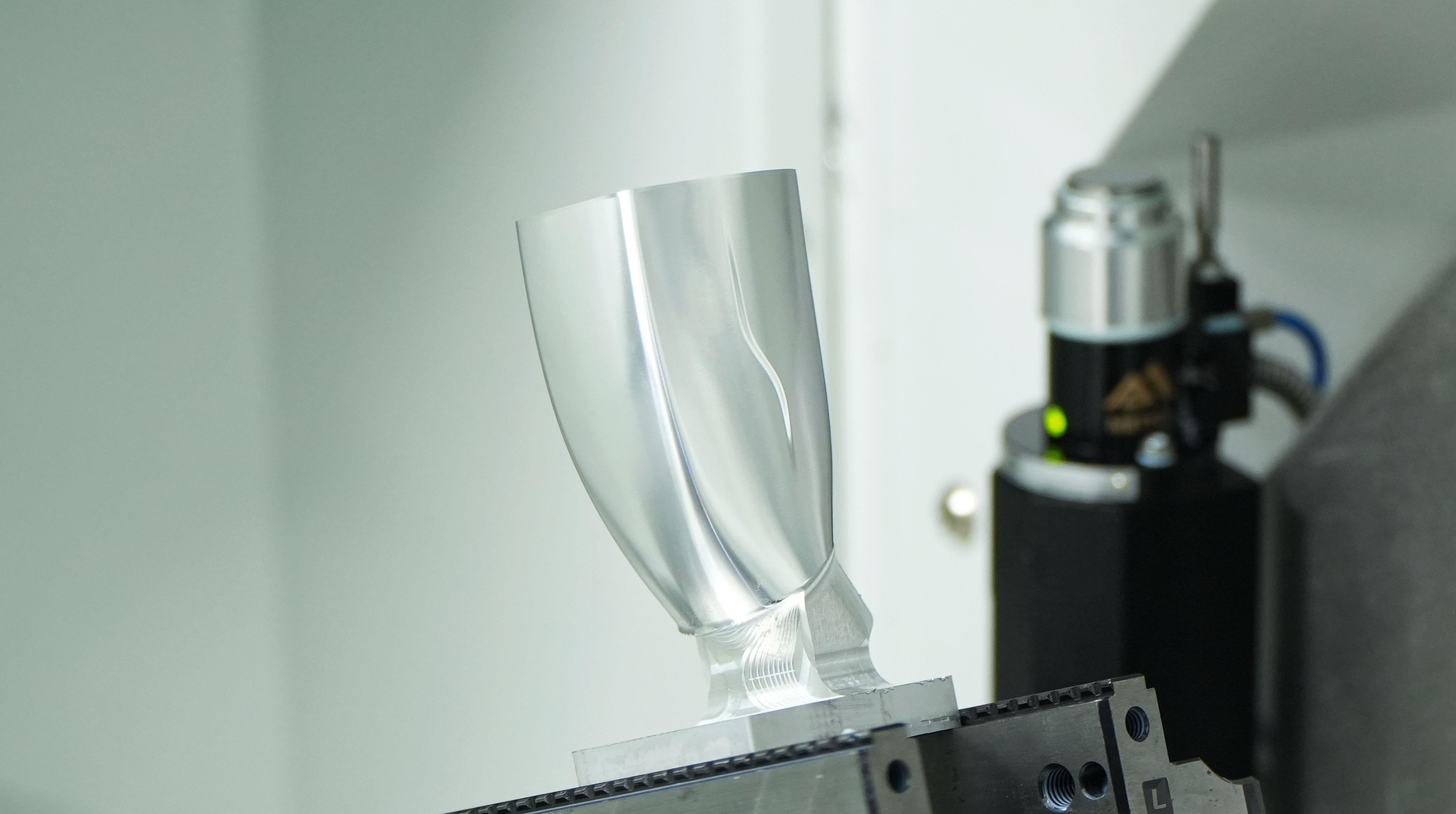

The Core Technical Advantage: Simultaneous 5-Axis Motion and Sub-Micron Precision
How Real-Time Coordination of X, Y, Z, A, and B Axes Enables Consistent Sub-0.5 µm Tolerances
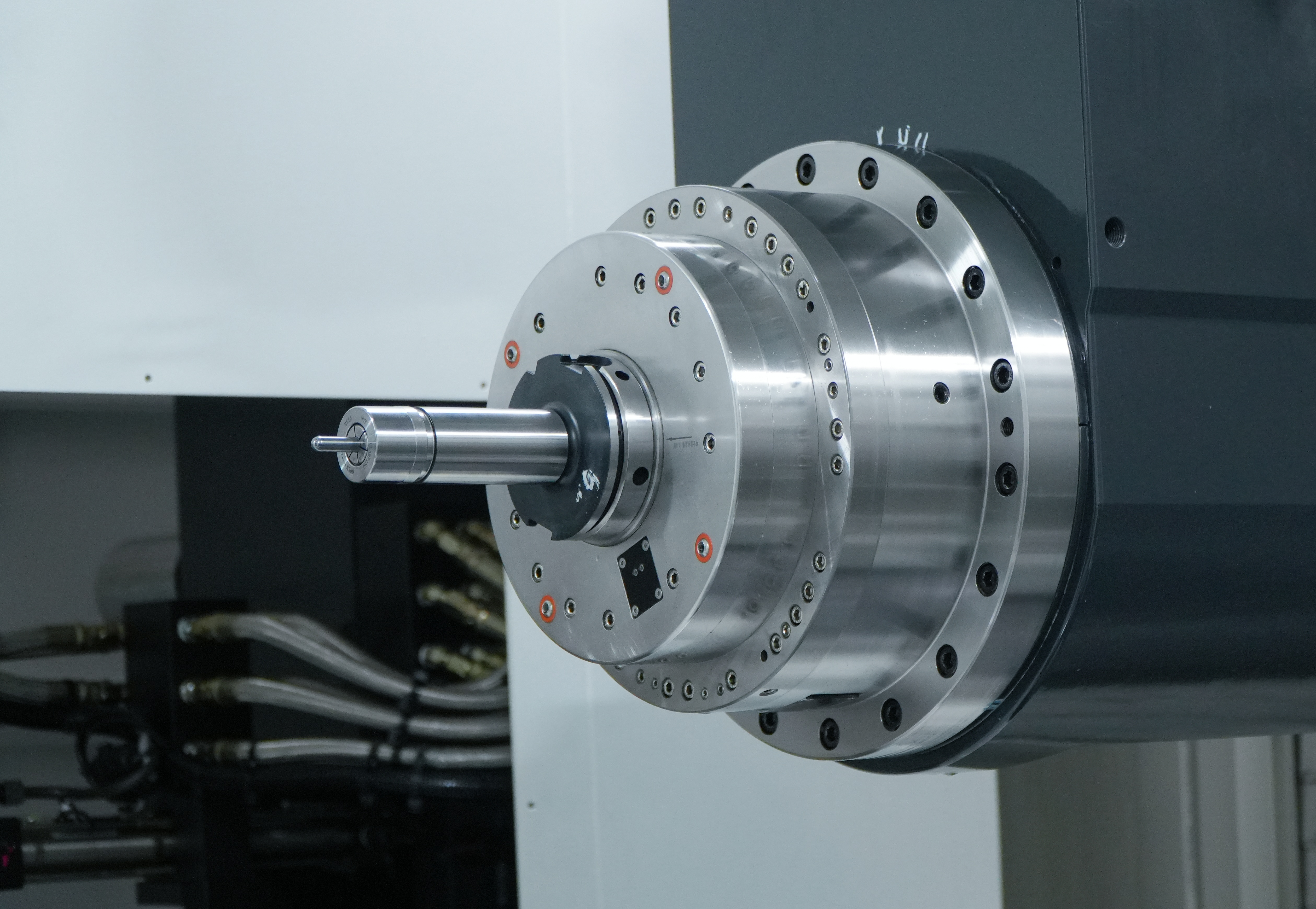
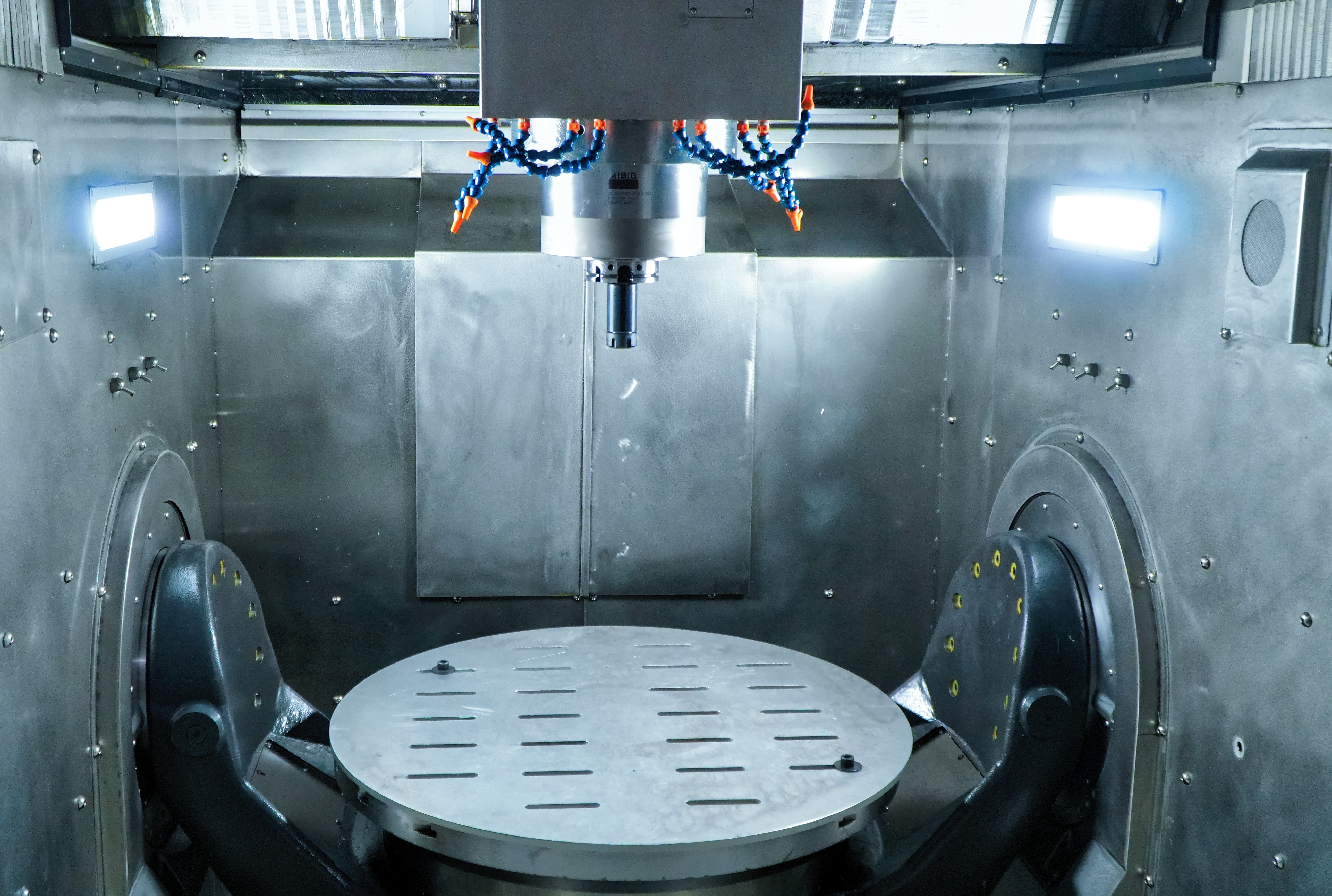
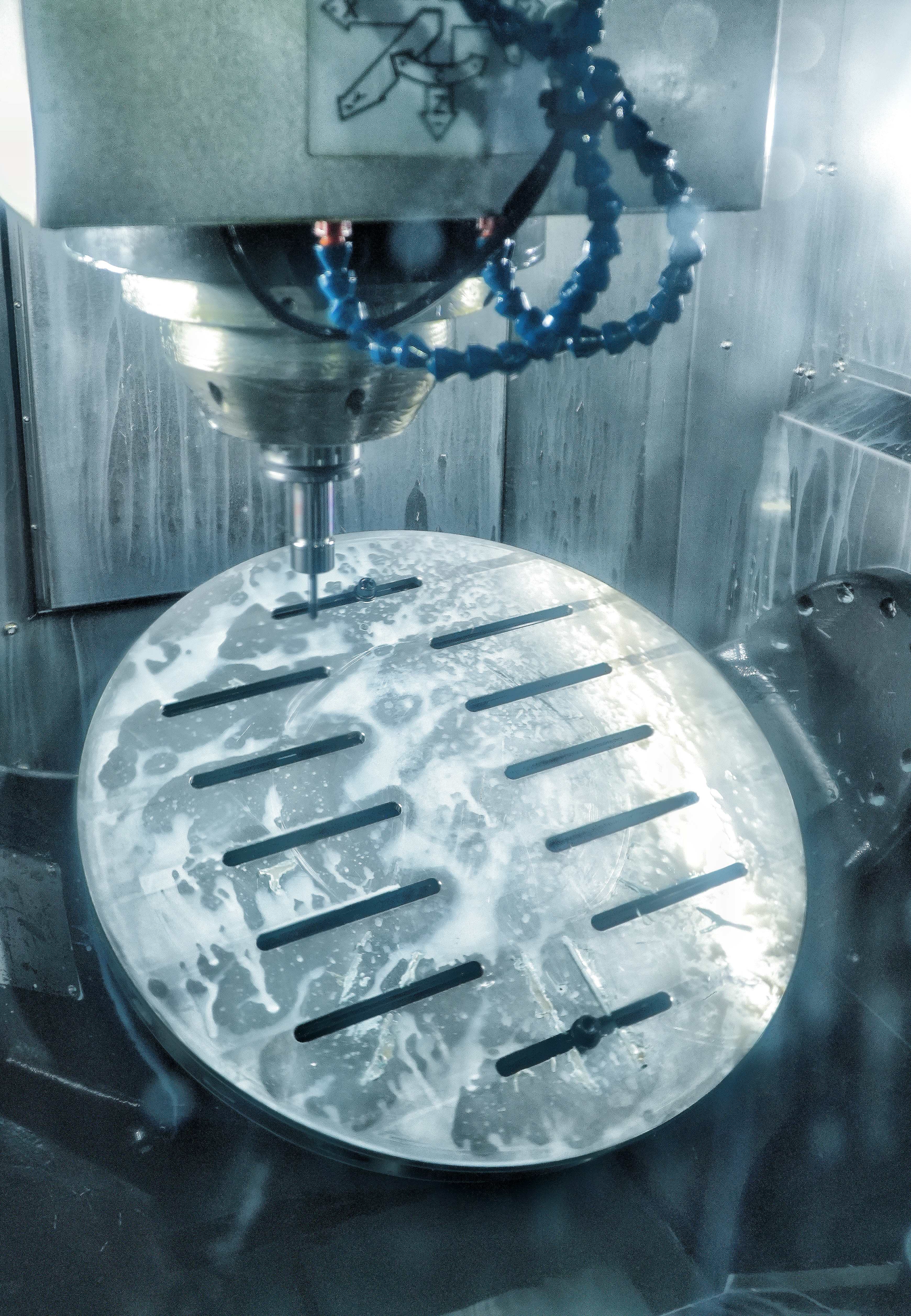
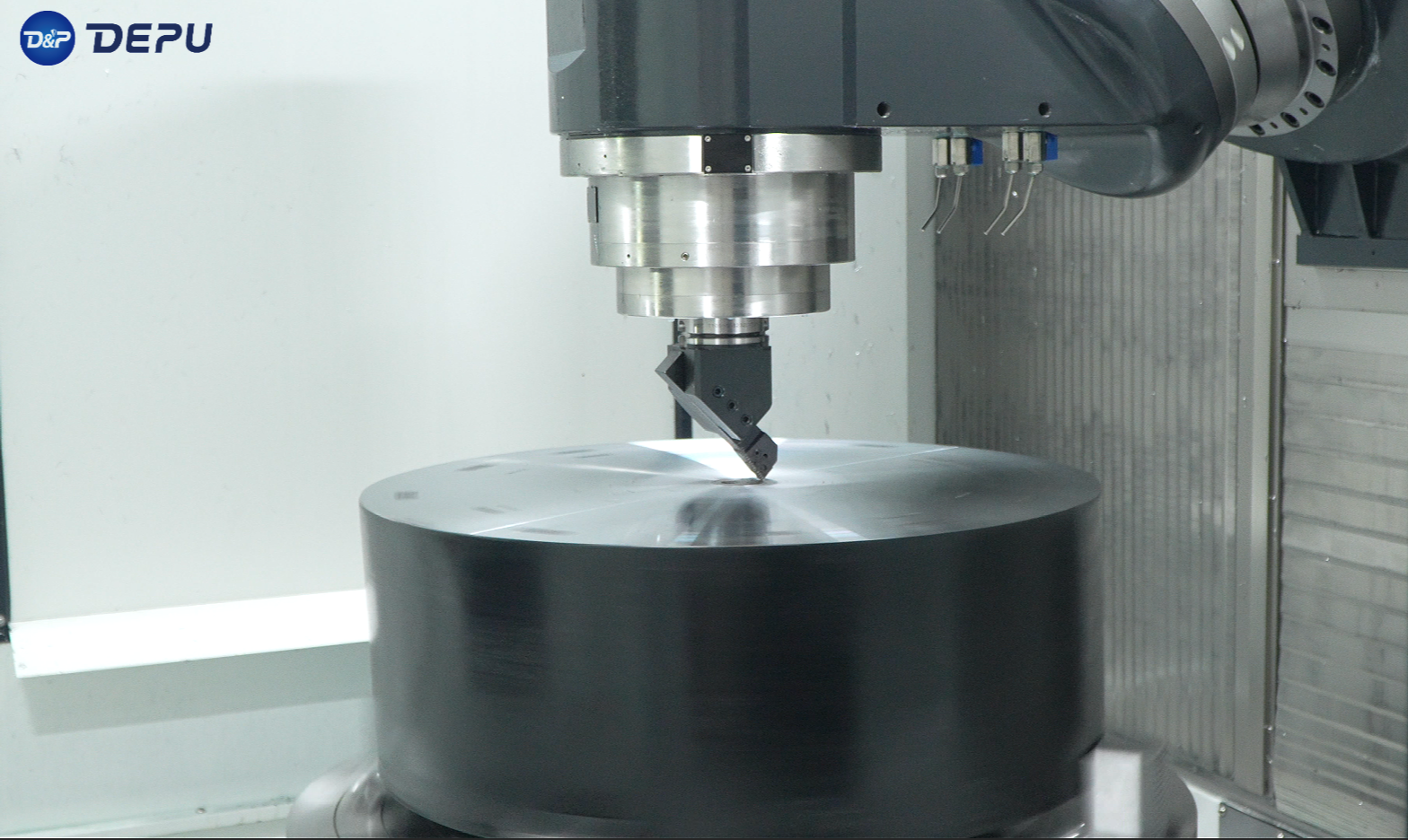
Real 5-axis milling gets down to sub-micron precision by moving all five axes together in real time X, Y, Z for linear movement and A, B for rotation. The way these movements coordinate keeps the cutting tool properly positioned against complex shapes, which stops those annoying tolerance issues that happen when parts have to be repositioned multiple times. Modern CNC machines actually tweak the tool path in tiny steps measured in microns, so the cutter stays perpendicular to whatever it's working on even when dealing with really deep curves or undercut areas that would trip up simpler systems. Because of this level of control, manufacturers can machine tough materials like hardened aerospace metals and medical grade components with consistent accuracy below 0.5 microns. This kind of performance meets the standards set out in ASME B5.54 tests, though most shops just call it "good enough" when they see those numbers on their quality reports.
Simultaneous vs. 3+2-Axis: When True 5-Axis Milling Eliminates Re-Setup Errors and Tool Deflection
Traditional 3+2 axis machining keeps those rotational axes locked while cutting happens, whereas simultaneous 5 axis movement actually does complete contouring all in one go. No need to re-clamp parts between operations, something that causes about 62 percent of positioning errors according to this report from Ponemon Institute back in 2023 called the Precision Manufacturing Benchmark Study. Another big plus is reduced tool deflection because the machine maintains better cutting angles throughout the process. This matters a lot when working with tough materials such as titanium or Inconel where cutting forces often hit around 40 kilonewtons or more. Manufacturers dealing with these demanding applications really benefit from the stability and precision that comes with continuous five axis operation.
| Precision Factor | Simultaneous 5-Axis | 3+2 Axis Machining |
|---|---|---|
| Positional Error | <0.5 µm | Up to 1.3 µm |
| Setup-Induced Variability | Eliminated (single setup) | 62% higher (Ponemon 2023) |
| Tool Deflection Impact | Compensated in real-time | Amplifies surface roughness |
| Complex Contour Capability | Full access without interference | Limited by fixed angles |
Single-Setup Efficiency: Eliminating Datum Shifts and Cumulative Error in High-Precision Parts
Quantifying Accuracy Gains: Up to 62% Reduction in Positional Error vs. Multi-Setup 3-Axis Workflows
When using multi setup 3 axis machining, there are inevitable datum shifts every time the part gets re fixedtured. These small misalignments build up over multiple operations and end up causing major problems. According to recent industry standards from ASME B5.54 published last year, these accumulated errors account for more than 60 percent of all dimensional issues in precision parts. The solution comes with simultaneous 5 axis milling which keeps the same reference point for the whole manufacturing process, completely eliminating this particular problem. Aerospace companies at the top tier have tested this approach and found that positional errors drop by around 62% compared to traditional methods. Take turbine mounting surfaces for instance they consistently hit below 3 microns in positional accuracy. This level of precision ensures proper thermal contact between components and maintains structural strength even when subjected to extreme operating conditions over time.
Surface Finish Optimization: RA Improvement from 0.8 µm to 0.2 µm in Hardened Titanium and Inconel
In multi-axis setups, compromised tool approach angles increase vibration, chatter, and uneven material removal—degrading surface integrity. Simultaneous 5-axis milling preserves ideal tool engagement geometry across complex surfaces, minimizing deflection and maximizing consistency. Measured results show dramatic improvements:
| Material | 3-Axis Avg. RA | 5-Axis Avg. RA | Improvement |
|---|---|---|---|
| Hardened Titanium | 0.8 µm | 0.2 µm | 75% |
| Inconel 718 | 0.8 µm | 0.25 µm | 69% |
This enhanced surface finish directly supports clinical performance: Ra ≤ 0.25 µm reduces bacterial adhesion on orthopedic implants and improves osseointegration. Eliminating secondary polishing not only preserves sterility-critical surface integrity but also lowers total production cost by 18%, per peer-reviewed findings in the Journal of Biomedical Manufacturing (2023).
Strategic Application Fit: Where 5-Axis Milling Delivers Unmatched ROI in Critical Industries
Aerospace: Turbine Blades and Blisks — 47% Faster Cycle Times and Zero Interference Risk
When working on turbine blades, blisks, and similar aerodynamic parts, 5 axis milling brings some serious improvements both in how fast things get done and how accurate the final shapes are. Being able to machine those complicated airfoil shapes along with their root connections all in one go cuts down on tool collisions and saves about half the time compared to older multi axis methods. What really matters though is maintaining those tight tolerances below 5 microns when cutting through tough materials like titanium and nickel based superalloys without having to constantly readjust fixtures. This meets all the necessary FAA and EASA standards for parts that actually matter in flight safety. Plus, the built in CAM systems help control vibrations during machining, so surfaces stay smooth even on those delicate thin walled sections needed for engine casings and compressor stages throughout production runs.
Medical: Complex Lattice Implants with ±2 µm Geometric Tolerances and Biocompatible Surface Integrity
When making implants for bones and facial structures, getting the details right at a microscopic level matters a lot, particularly when dealing with those intricate lattice designs meant to encourage new bone growth. The simultaneous 5 axis milling process can hit around plus or minus 2 micrometers in terms of shape accuracy while producing surface finishes as smooth as 0.2 micrometers on materials like cobalt chrome and PEEK. And here's something interesting nobody talks about much these days - we don't need any extra polishing steps after machining because that tends to mess with the material structure or introduce contaminants. These processes meet all the necessary standards including ISO 13485:2016 requirements and are fully compliant with FDA regulations found in 21 CFR Part 820. From what doctors report back, patients experience roughly a third fewer implant rejections compared to traditional methods. Plus manufacturers can now customize things like spinal cages and cranial plates much faster than before. What used to take weeks now gets done within days, which makes a world of difference when someone needs surgery sooner rather than later.
FAQ
What is simultaneous 5-axis motion and how does it differ from 3+2-axis machining?
Simultaneous 5-axis motion involves the real-time coordination of all five axes—X, Y, Z for linear movements and A, B for rotation—allowing continuous contouring without interruptions. Unlike 3+2 axis machining where rotational axes are locked, simultaneous 5-axis operation eliminates re-setup errors and reduces tool deflection, improving positional accuracy and surface finish.
How does 5-axis milling enhance precision and eliminate datum shifts?
5-axis milling maintains the same reference point throughout the entire manufacturing process, eliminating datum shifts and cumulative errors that commonly occur in multi-setup 3-axis machining. This leads to improved positional accuracy and a reduction in dimensional issues, as evidenced by tests in aerospace applications.
What industries benefit most from simultaneous 5-axis milling?
Aerospace and medical industries greatly benefit from simultaneous 5-axis milling. In aerospace, it allows faster cycle times and maintains tight tolerances for parts crucial to flight safety. In medical applications, the process ensures precise geometric tolerances and biocompatible surfaces, significantly reducing implant rejection rates.