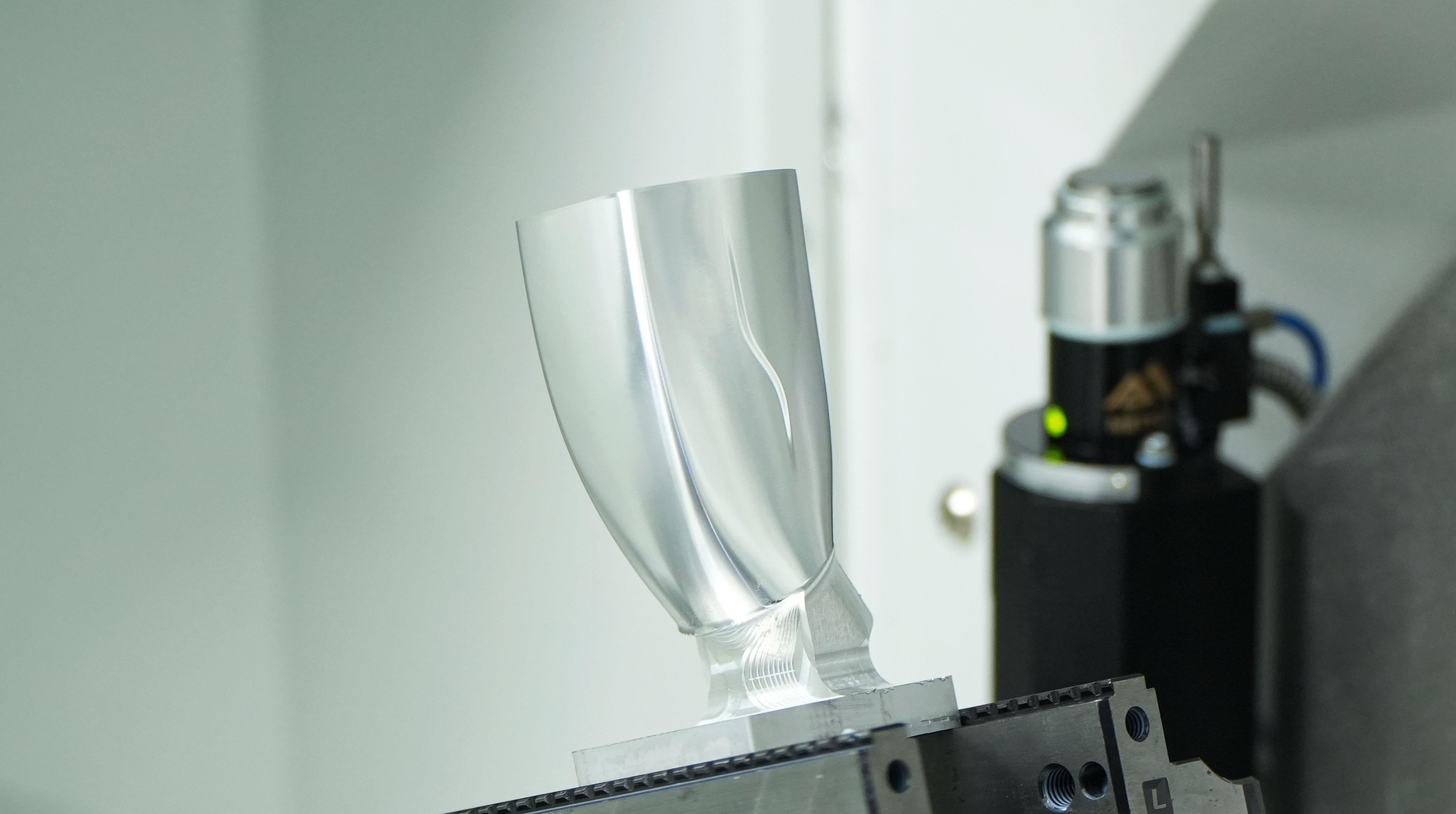

Superior Precision and Reduced Positioning Errors with 5 Axis CNC Machining
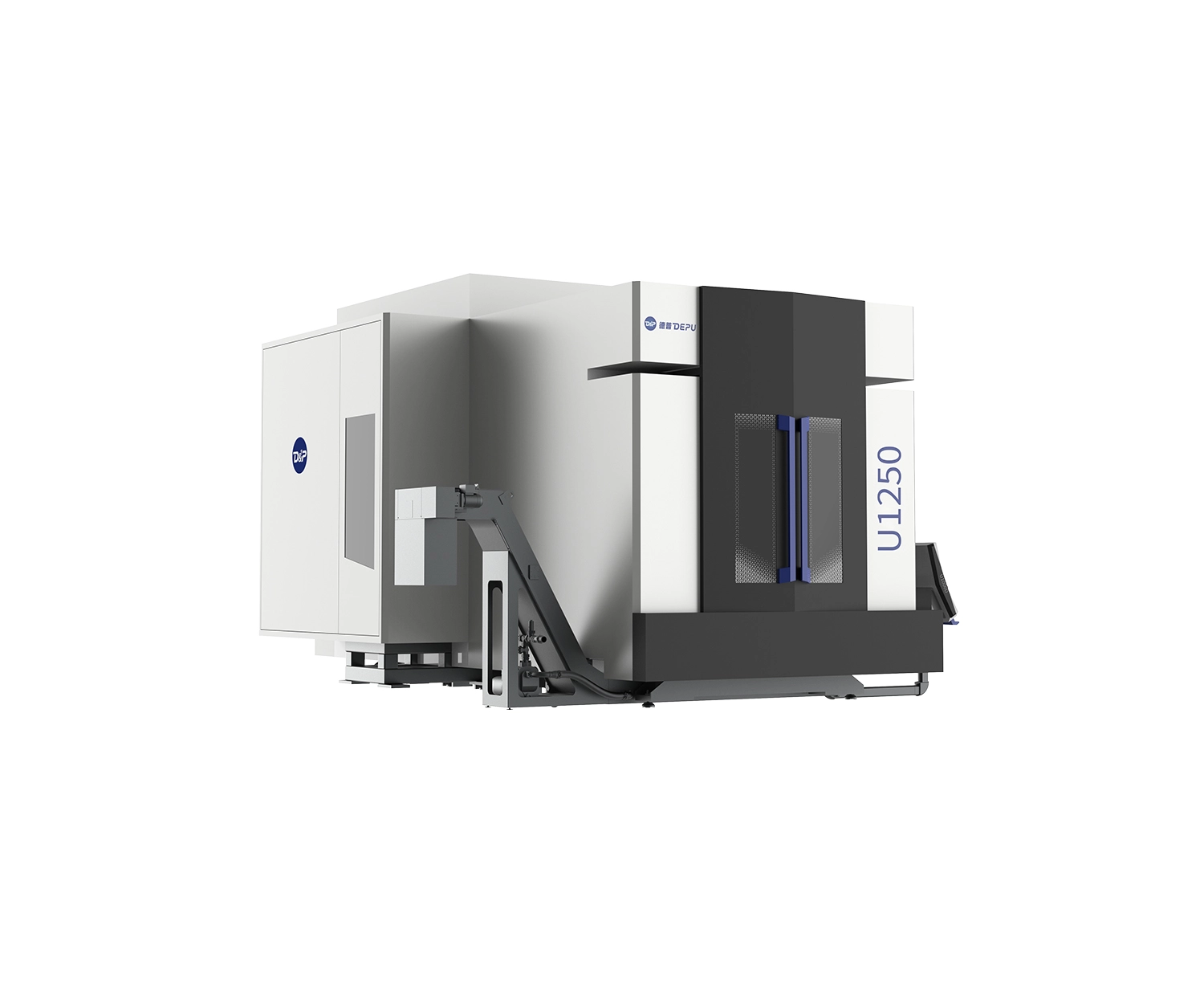
Tighter Tolerances via Continuous Tool Orientation Control
Five axis CNC machining gets down to the micron level because it keeps changing how tools approach the workpiece while cutting, so there's no need to stop and manually adjust positions. The machine maintains good contact throughout the whole process. These machines can hold tight tolerances around plus or minus 0.01 millimeters, which really matters when making parts that are critical to operations such as those used in aircraft or medical implants. For things like surgical tools and bones screws, getting these measurements right makes all the difference between success and failure in real world applications. According to what we see across industries, shops using this technology tend to cut their waste down by about forty percent compared to traditional methods that require multiple setups and steps, each introducing small errors that accumulate over time.
Elimination of Cumulative Error from Multiple Setups in Traditional Machining
Standard 3-axis machining tends to create alignment variations around plus or minus 0.05 mm every time fixtures are changed. For complicated components, this usually means going through three to five different setup stages, which builds up positioning mistakes and messes with important measurements like how round things are or whether surfaces stay parallel. The newer 5 axis CNC approach makes complete parts without needing multiple fixturing steps. By doing away with these compounded errors right from the start, it maintains better dimensional accuracy throughout everything being machined. Industry experience shows somewhere between 25% to 35% drop in rejected products when using this method, particularly noticeable in precision work areas like making turbine blades or automotive gearboxes where even small geometry issues can seriously impact how well something works and lasts over time.
Unmatched Capability for Complex Geometries Using 5 Axis CNC Machining
Simultaneous Multi-Angle Machining of Organic and Freeform Surfaces
With 5 axis CNC machining, the machine can actually move along all five axes at once, which means it can create those really complicated shapes and surfaces that would be impossible with older methods. Think about things like airplane wing designs, medical implants that need to fit the body perfectly, or even car parts with those sleek curves we see today. Traditional 3 axis machines just can't handle these kinds of jobs because they have to stop and reposition constantly, leading to those rough edges and segmented looks. The big advantage here is that the cutting tool stays in the best possible position during the whole process, no matter how twisty or curved the path gets. And let's talk numbers for a second. When manufacturers switch to 5 axis systems, they typically see improvements around 0.01 millimeters in precision. That might not sound like much until you realize it cuts down production time by roughly 30 to 40 percent in places like aircraft manufacturing where every fraction of a second counts.
Seamless Access to Undercuts, Deep Cavities, and Tight Internal Features
When machines have rotational freedom on both A and B axes, they can reach into areas that would normally be impossible for standard tools. Think about those tricky spots like undercuts, really deep cavities, or tight internal pockets where traditional methods just don't work well. The cutting tools actually come at the workpiece from multiple angles at once, which means complicated parts such as turbine blades or medical implants with intricate inner structures can be machined directly without needing extra jigs or separate processes. For manufacturers working on these kinds of complex internal shapes, this capability cuts down on setup time by around two thirds compared to conventional approaches. Not only does it speed things up overall, but it also maintains consistent quality across all produced parts despite their complexity.
Significant Efficiency Gains: Fewer Setups and Shorter Cycle Times
Single-Setup Completion of Parts Requiring 3–5 Setups on 3-Axis Machines
Traditional 3-axis machining typically takes between 15 to 30 minutes just for setting up fixtures, aligning parts, and calibrating equipment. This adds roughly 40 to 60 percent extra time to the whole production run. In contrast, 5-axis CNC machining brings together several separate steps into one continuous operation. With only one fixture needed, the cutting tool can access every surface angle possible, handling those tricky angled cuts, curved shapes, and recessed areas without stopping or repositioning. The result? Non-cutting downtime drops by around 70%, and overall cycle times shrink by anywhere from 30% to 50%. Manufacturers see other benefits too: less work sitting in inventory waiting for next steps, fewer mistakes caused by manual handling, and better utilization of their current machine capacity. These improvements translate directly into faster product delivery times, which matters a lot in competitive manufacturing sectors.
Enhanced Surface Finish and Part Integrity Through Optimal Tool Engagement
Consistent Chip Load and Vibration Reduction via Tangential Tool Pathing
The 5 axis CNC machining process really boosts both surface quality and how strong parts are built, all thanks to those smart tangential paths the tools take. When the machine keeps the chip load steady and makes sure the cutting edge stays engaged properly, this cuts down on those annoying variable forces that lead to vibrations. The result? Much less chatter than what we see with regular methods, sometimes as much as half reduction in chatter actually. Surfaces come out much smoother too, often below 0.4 microns roughness average. There's also less damage happening beneath the surface layer, which means better metal properties overall. Tools last longer too, about 30 to maybe even 40 percent extra life span. And those tiny fractures that tend to pop up under stress situations? They get reduced quite a bit, so parts just last longer before they fail or need replacing.
FAQ Section
What are the main advantages of 5 axis CNC machining?
The main advantages of 5 axis CNC machining include increased precision, reduced errors from multiple setups, ability to handle complex geometries, improved surface finish, and reduced production cycle times.
How does 5 axis machining improve precision compared to 3 axis machining?
5 axis machining improves precision by maintaining continuous contact and optimal tool orientation with the workpiece, allowing it to hold tighter tolerances and reducing errors that accumulate in multiple setup processes.
Why is 5 axis CNC machining particularly beneficial for complex shapes and undercuts?
5 axis CNC machining allows simultaneous movement along five axes, enabling access to complex shapes, undercuts, deep cavities, and intricate features without needing additional setups or special fixtures.
How do efficiency gains in 5 axis machining impact manufacturing?
Efficiency gains from 5 axis machining translate to fewer setups, shorter cycle times, reduced non-cutting downtime, and improved machine utilization, leading to faster production and delivery times.