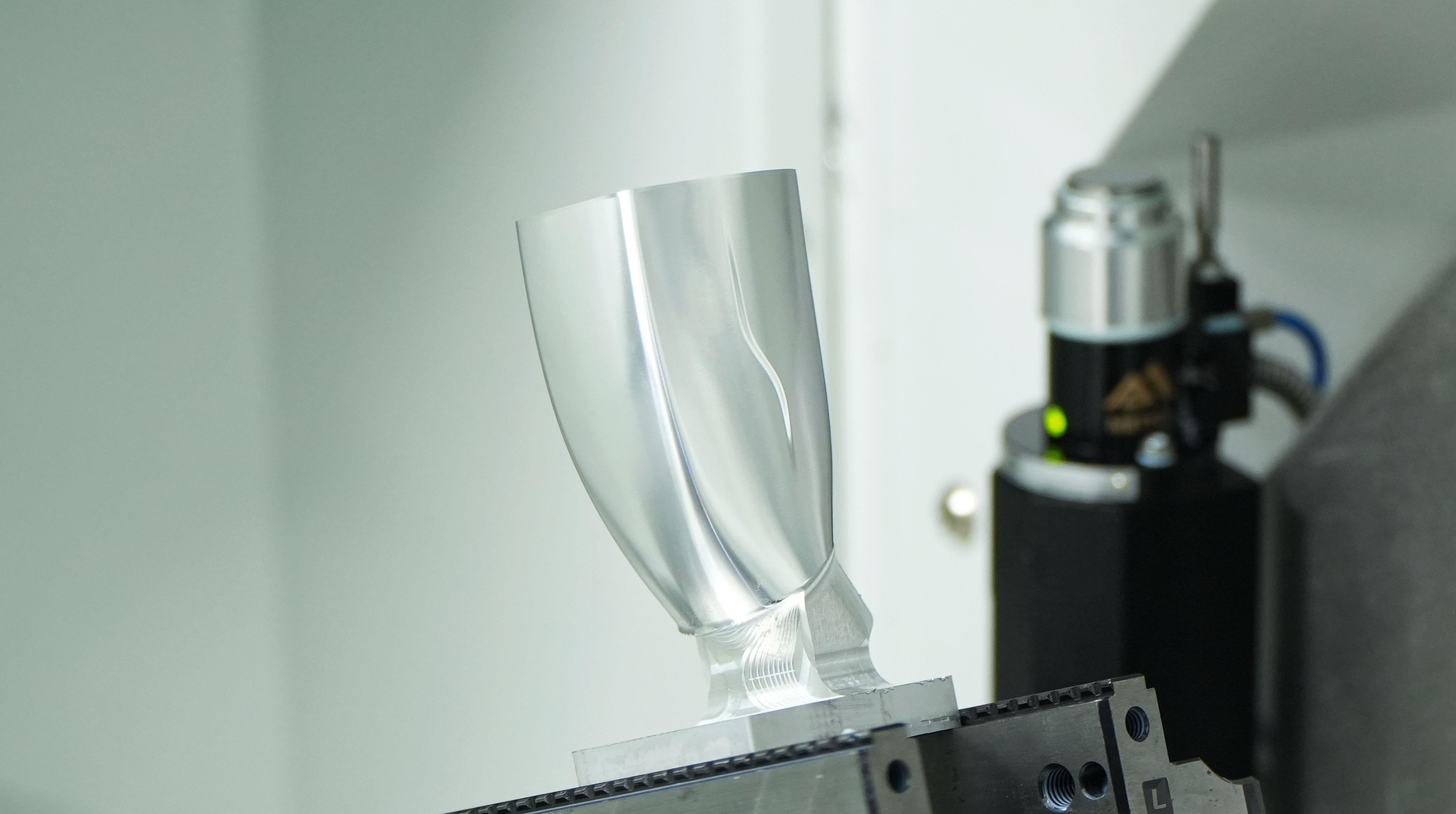

Why Complex Geometries Expose Weaknesses in CNC Machine Design
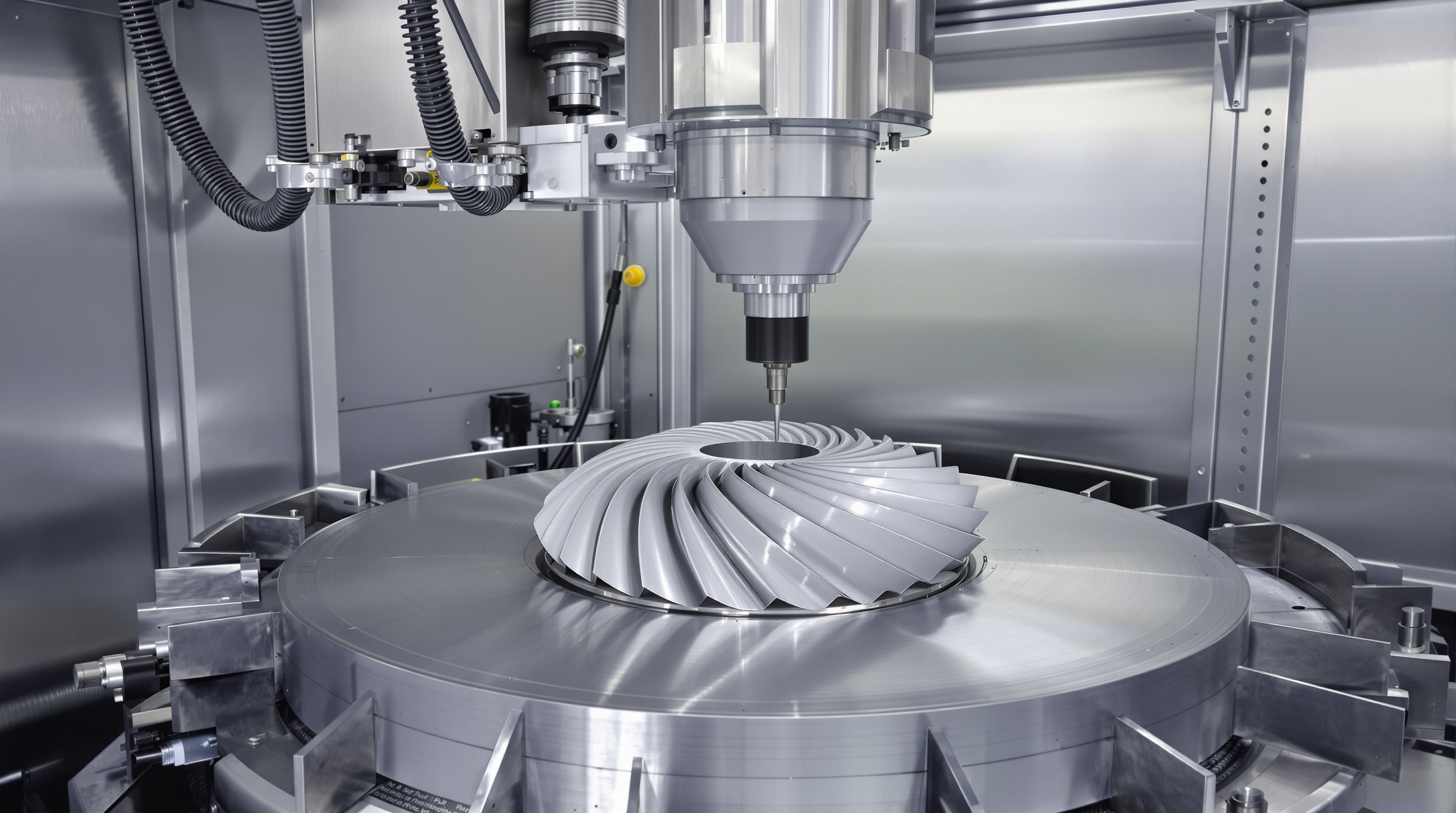
Introduction: Complexity Reveals What Simplicity Hides
In precision machining, simple parts rarely challenge a machine’s full capability. However, when it comes to complex geometries CNC, hidden weaknesses in machine design quickly become visible.
In 5-axis CNC machining, parts often involve multi-surface contours, tight tolerances, and continuous tool orientation changes. These conditions push machines to their limits, exposing issues in machine design CNC, dynamic stability CNC, and machine geometry CNC that may not appear in simpler operations.
1. Multi-Axis Motion Amplifies Machine Design Limitations
In 5 axis CNC, multiple axes must move simultaneously with high precision.
Challenges include:
- Coordinating linear and rotary axes
- Maintaining consistent tool orientation
- Minimizing interpolation errors
Weak machine design CNC leads to:
- Positioning inaccuracies
- Motion instability
- Reduced precision CNC machining performance
Complex geometries amplify these issues, making them impossible to ignore.
2. Dynamic Stability CNC Under Complex Toolpaths
Dynamic stability CNC becomes critical when machining complex shapes.
In these scenarios:
- Toolpaths change direction frequently
- Acceleration and deceleration are constant
- Cutting forces vary continuously
If dynamic stability CNC is insufficient:
- Vibration increases
- Surface quality degrades
- Micron level machining becomes inconsistent
Complex geometries expose whether a machine can maintain stability under real working conditions.
3. Machine Geometry CNC and Accumulated Errors
Machine geometry CNC plays a major role in accuracy.
For complex parts:
- Small geometric errors accumulate across surfaces
- Multi-axis misalignment becomes more significant
- Toolpath deviations become visible
Even minor issues in machine geometry CNC can prevent achieving reliable precision machining results, especially in high-end applications.
4. CNC Machine Rigidity and Structural Weakness
Complex geometries often require:
- Deep cavities
- Long tool reach
- Variable cutting forces
These conditions increase the demand on CNC machine rigidity.
Weak rigidity results in:
- Structural deformation
- Tool deflection
- Reduced micron level machining accuracy
This is where limitations in machine design CNC become most evident.
5. Thermal Effects in Long, Complex Machining Cycles
Machining complex parts often involves long cycle times, which introduce thermal challenges.
Heat buildup can:
- Alter machine geometry CNC
- Affect spindle position
- Reduce precision CNC machining consistency
Machines with poor thermal control struggle to maintain micron level machining across extended operations.
6. Tool Accessibility and Kinematic Constraints
Complex geometries require flexible tool positioning.
Limitations in machine design CNC can cause:
- Restricted tool access
- Suboptimal cutting angles
- Increased tool wear
Advanced 5-axis cnc machining systems overcome these constraints by enabling better kinematics and tool orientation, improving precision machining efficiency.
7. Surface Consistency as the Final Test
Surface quality is often the clearest indicator of machine performance.
In complex geometries:
- Any instability becomes visible on the surface
- Chatter and vibration leave marks
- Inconsistencies reveal underlying issues
Achieving smooth, consistent surfaces requires:
- Strong dynamic stability CNC
- Accurate machine geometry CNC
- High precision machining capability
Conclusion: Complexity Is the Ultimate Benchmark
Simple parts may hide machine limitations, but complex geometries CNC expose them.
They reveal weaknesses in:
- Machine design CNC
- Dynamic stability CNC
- Machine geometry CNC
- CNC machine rigidity
For manufacturers aiming at high-end precision CNC machining, the ability to handle complex geometries is the true measure of machine capability. With advanced 5-axis CNC machining, these challenges can be addressed, enabling consistent micron level machining and superior performance.
FAQ
1. Why do complex geometries expose machine weaknesses?
Because they require precise multi-axis coordination, which amplifies any design or stability issues.
2. What role does dynamic stability CNC play?
It ensures stable motion under changing conditions, which is critical for complex machining.
3. How does machine geometry CNC affect complex parts?
Small geometric errors accumulate across surfaces, reducing overall accuracy.
4. Why is rigidity important in complex machining?
It prevents deformation and ensures consistent tool positioning under varying loads.
5. Can 5-axis CNC machining solve these challenges?
Yes. It improves tool access, motion control, and stability, enabling better performance in complex geometries.