
What Separates High-End 5-Axis Machines from Standard CNC Systems
Introduction: Not All CNC Machines Are Equal
In modern manufacturing, both standard CNC systems and 5-axis CNC machining centers are widely used. However, when it comes to demanding applications, the gap between standard machines and high-end systems becomes significant.
High-end 5 axis CNC machines are designed for advanced precision machining, enabling consistent micron level machining and superior performance in complex part production. The difference lies not in one feature, but in the integration of structure, motion, and stability.
1. Machine Structure and CNC Machine Rigidity
One of the biggest differences is CNC machine rigidity.
High-end machines offer:
- Heavier, more stable structures
- Better load distribution
- Reduced deformation under cutting forces
Standard CNC systems may handle simple parts well, but lack the rigidity required for consistent precision CNC machining in complex geometries.
2. Machine Geometry CNC and Accuracy
Machine geometry CNC defines how accurately the machine can position the tool.
High-end 5-axis cnc machining systems:
- Maintain tighter geometric tolerances
- Offer better axis alignment
- Provide more accurate kinematic performance
This enables reliable micron level machining, especially in multi-axis applications.
3. Dynamic Stability CNC and Motion Control
Dynamic stability CNC is a critical differentiator.
High-end machines:
- Minimize vibration and chatter
- Maintain smooth motion at high speeds
- Provide stable cutting conditions
Standard CNC systems often struggle with dynamic loads, limiting precision machining performance.
4. Kinematics and Multi-Axis Capability
In 5-axis cnc machining, kinematics plays a central role.
High-end systems:
- Offer optimized axis configurations
- Ensure smooth multi-axis coordination
- Reduce interpolation errors
This results in higher precision CNC machining accuracy and better performance in complex parts.
5. Thermal Stability and Long-Term Accuracy
Thermal behavior significantly impacts accuracy.
High-end 5 axis CNC machines include:
- Advanced cooling systems
- Symmetrical structural design
- Thermal compensation technologies
These features ensure stable micron level machining even during long machining cycles, while standard machines may experience drift.
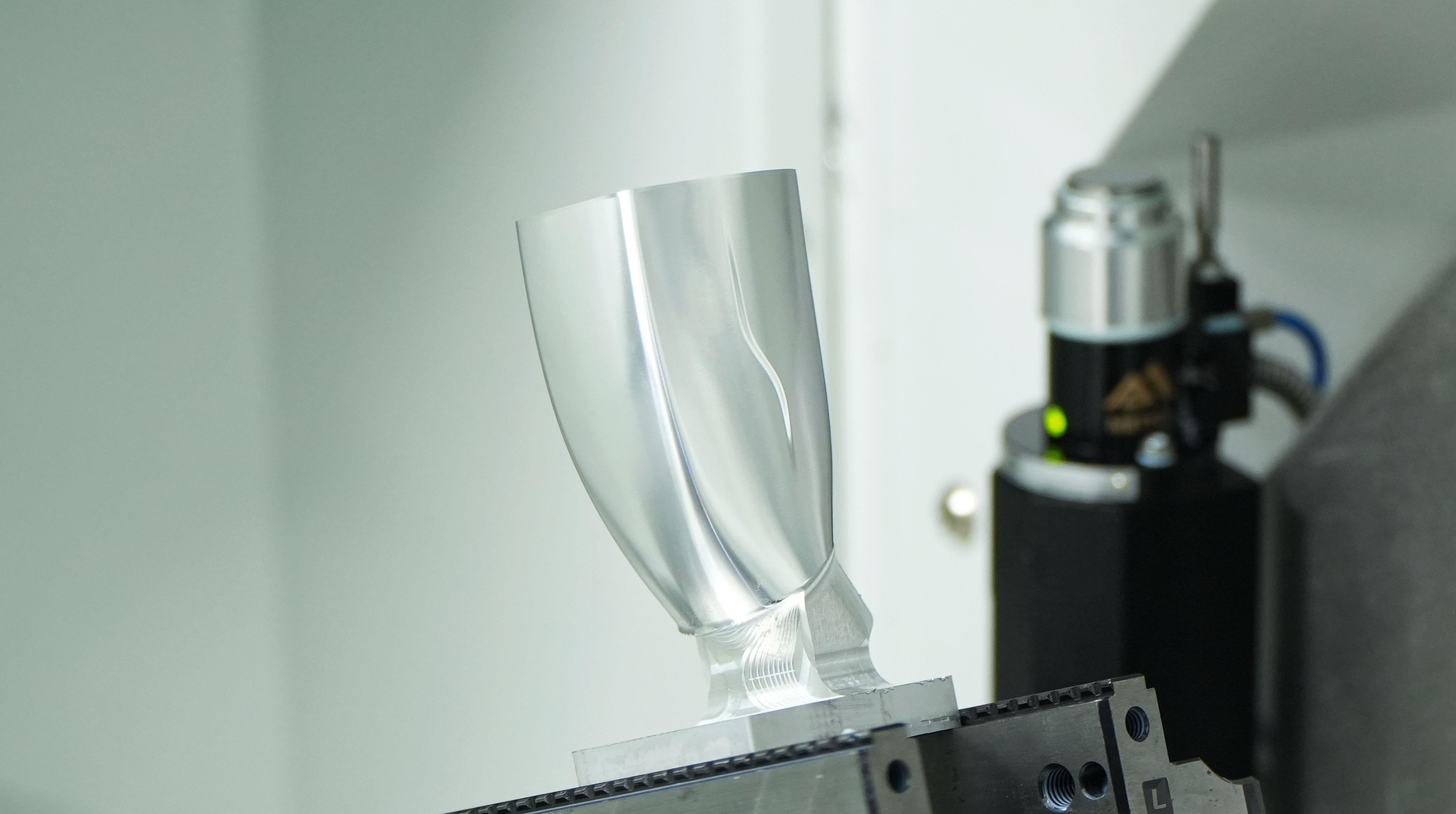
6. Surface Quality and Precision Machining Performance
Surface finish is a direct reflection of machine capability.
High-end machines deliver:
- Smoother surfaces
- Consistent finishes
- Reduced need for secondary processing
This is essential for high-end precision machining applications where surface quality is critical.
7. Process Integration and Efficiency
High-end 5-axis cnc machining systems improve overall process efficiency by:
- Enabling single-setup machining
- Reducing manual intervention
- Improving repeatability
Standard CNC systems often require multiple setups, reducing precision machining efficiency.
Conclusion: Performance Comes from Integration
The difference between standard CNC systems and high-end 5 axis CNC machines lies in system integration.
High-end machines combine:
- Strong CNC machine rigidity
- Accurate machine geometry CNC
- Stable dynamic stability CNC
- Advanced thermal control
Together, these enable consistent micron level machining and superior precision CNC machining performance.
For manufacturers working with complex parts, investing in high-end 5-axis CNC machining is not just about capability—it is about achieving reliable, repeatable, and high-quality results.
FAQ
1. What is the main difference between high-end and standard CNC machines?
High-end machines offer better rigidity, stability, and precision, especially for complex parts.
2. Why is 5-axis CNC machining more advanced?
It allows multi-surface machining in a single setup, improving accuracy and efficiency.
3. How does dynamic stability CNC affect performance?
It reduces vibration and ensures consistent cutting conditions, improving precision.
4. Can standard CNC machines achieve micron level machining?
They can for simple parts, but struggle with complex geometries and long cycles.
5. Is investing in high-end CNC machines worth it?
Yes, for applications requiring high precision, efficiency, and consistent quality.