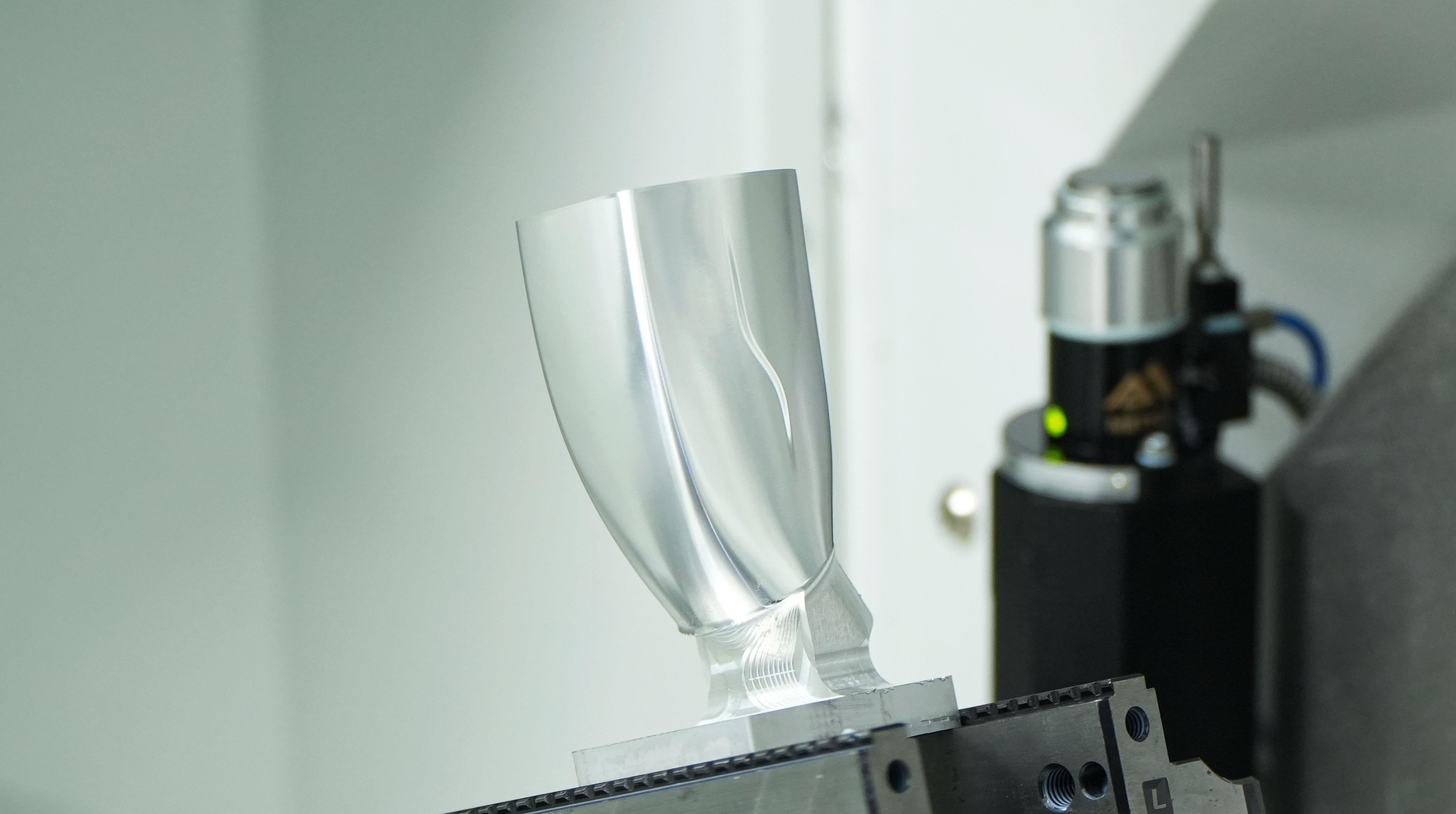

How to Maintain Accuracy Across Long 5-Axis Machining Cycles
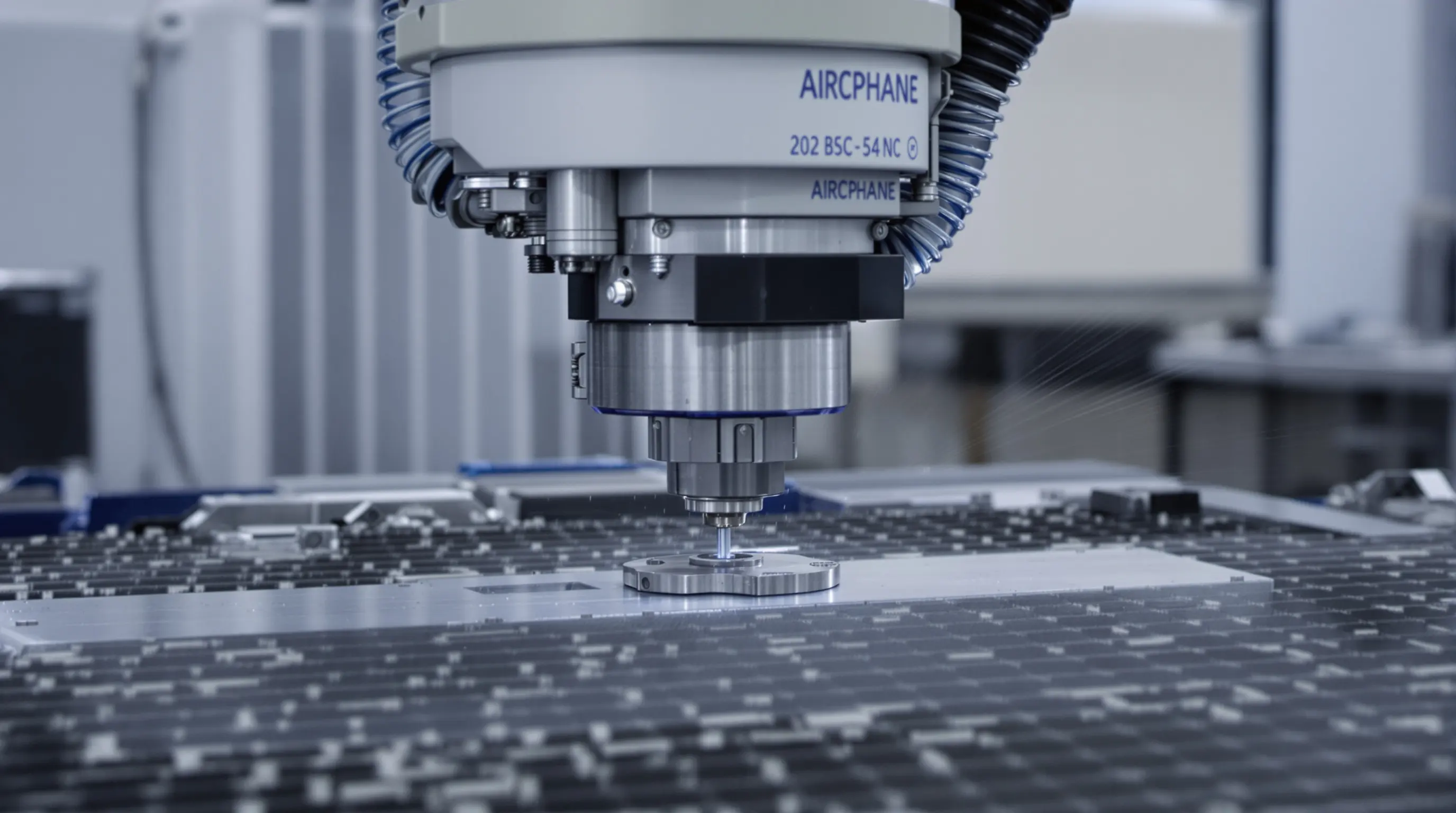
Introduction: Accuracy Over Time Is the Real Challenge
In 5-axis CNC machining, achieving accuracy at a single moment is not enough. The real challenge is maintaining that accuracy throughout long machining cycles.
In long cycle machining, factors such as heat buildup, structural deformation, and process variation gradually reduce precision machining performance. To achieve stable micron level machining, manufacturers must control these variables across the entire process—not just at the start.
1. Control Thermal Stability CNC from the Start
Thermal variation is the primary cause of accuracy drift in long cycles.
During extended 5 axis CNC operations:
- Spindles and motors generate heat
- Ambient conditions fluctuate
- Heat distribution becomes uneven
Improving thermal stability CNC includes:
- Preheating the machine before machining
- Using active cooling systems
- Maintaining a stable workshop environment
Stable temperature conditions are essential for consistent micron level machining and reliable precision CNC machining.
2. Maintain Machine Geometry CNC Consistency
Machine geometry CNC must remain stable throughout the cycle.
Over time:
- Thermal expansion can shift alignment
- Mechanical stress can alter axis relationships
To maintain geometry:
- Perform regular calibration
- Use compensation systems
- Monitor axis behavior during machining
Stable machine geometry CNC ensures that precision machining accuracy is maintained from start to finish.
3. Optimize Dynamic Stability CNC
Dynamic stability CNC is critical in long machining cycles.
As machining continues:
- Toolpaths become more complex
- Vibration may increase
- Cutting conditions can change
Improving dynamic stability CNC involves:
- Reducing resonance through structural design
- Optimizing motion control parameters
- Ensuring smooth axis transitions
Strong dynamic stability supports consistent micron level machining over extended periods.
4. Ensure Cutting Stability CNC Throughout the Process
Stable cutting conditions are essential for maintaining accuracy.
In long cycles:
- Tool wear increases
- Cutting forces change
- Heat generation rises
To maintain cutting stability CNC:
- Monitor tool condition
- Adjust cutting parameters when necessary
- Use high-quality tooling
Consistent cutting ensures that precision CNC machining results remain stable.
5. Use Shorter Tool Overhang and Proper Tooling
Tool setup has a major impact on long-cycle accuracy.
Best practices include:
- Minimizing tool overhang
- Using rigid tool holders
- Selecting appropriate tool materials
These measures improve stability and help maintain micron level machining in 5-axis cnc machining.
6. Leverage Process Integration in 5-Axis CNC Machining
One advantage of 5 axis CNC is the ability to reduce process interruptions.
By integrating operations:
- Setup changes are minimized
- Positioning errors are reduced
- Process consistency improves
This supports stable precision machining and reduces cumulative errors in long cycles.
7. Monitor and Adjust in Real Time
Maintaining accuracy requires continuous monitoring.
Effective strategies include:
- Using in-process measurement systems
- Applying real-time compensation
- Tracking thermal and positional changes
These tools help maintain precision CNC machining accuracy throughout the entire machining cycle.
Conclusion: Stability Over Time Defines Accuracy
In 5-axis CNC machining, true accuracy is measured over time, not at a single point.
Maintaining accuracy in long cycles requires:
- Strong thermal stability CNC
- Consistent machine geometry CNC
- Reliable dynamic stability CNC
- Stable cutting conditions
By controlling these factors, manufacturers can achieve consistent micron level machining and high-quality precision machining results, even in the most demanding long-cycle applications.
FAQ
1. Why is it difficult to maintain accuracy in long CNC machining cycles?
Because thermal effects, tool wear, and structural changes gradually affect machining precision over time.
2. What is the most important factor in long-cycle accuracy?
Thermal stability is the most critical factor, as temperature changes directly affect machine geometry.
3. How does dynamic stability CNC affect long cycles?
It ensures smooth motion and reduces vibration, maintaining consistent accuracy.
4. Can tool wear affect machining accuracy?
Yes. Tool wear changes cutting forces and can lead to dimensional deviations.
5. How can accuracy be monitored during machining?
Through in-process measurement, real-time compensation, and continuous system monitoring.