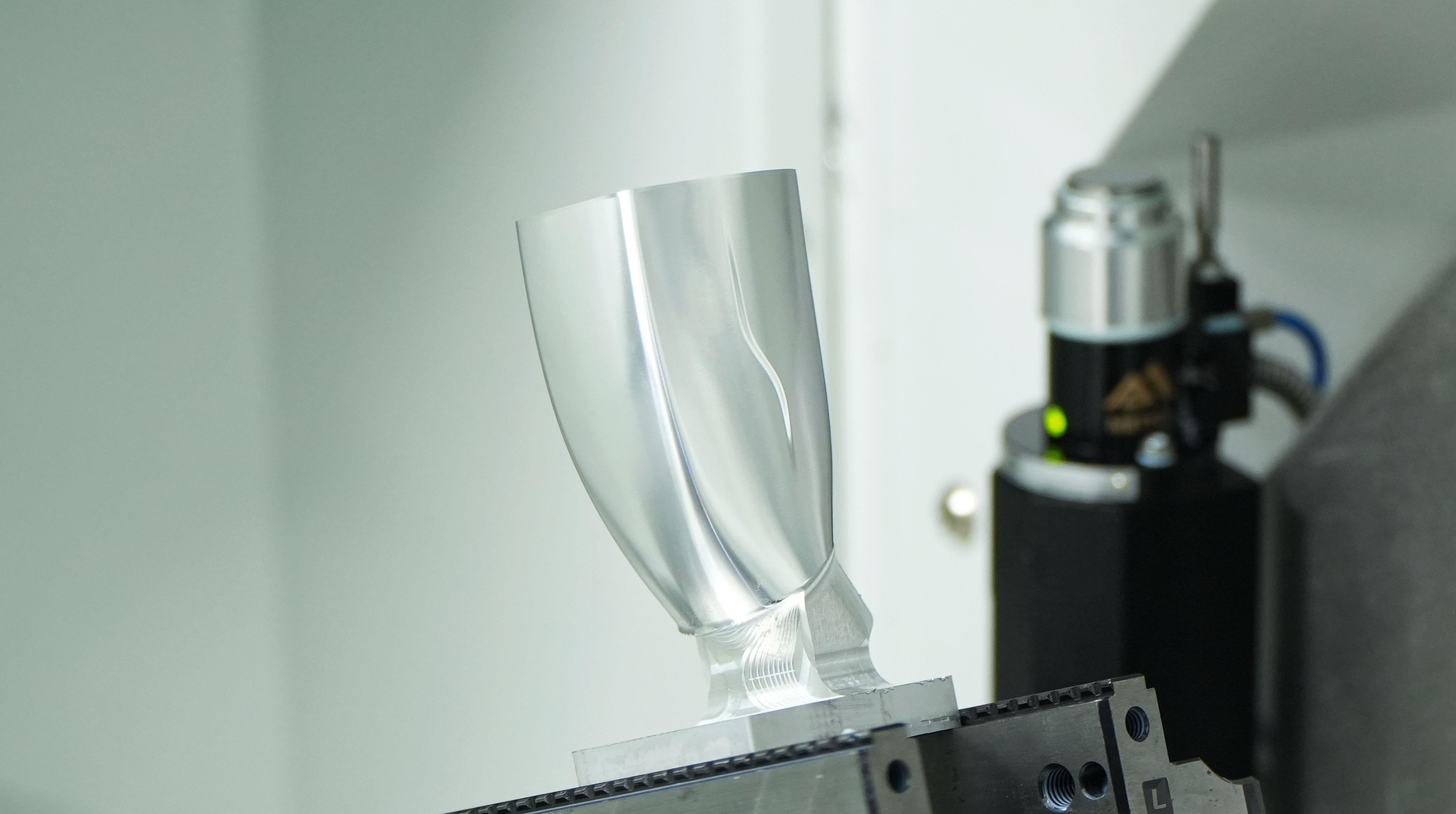

How Process Stability Impacts Yield in Complex CNC Production
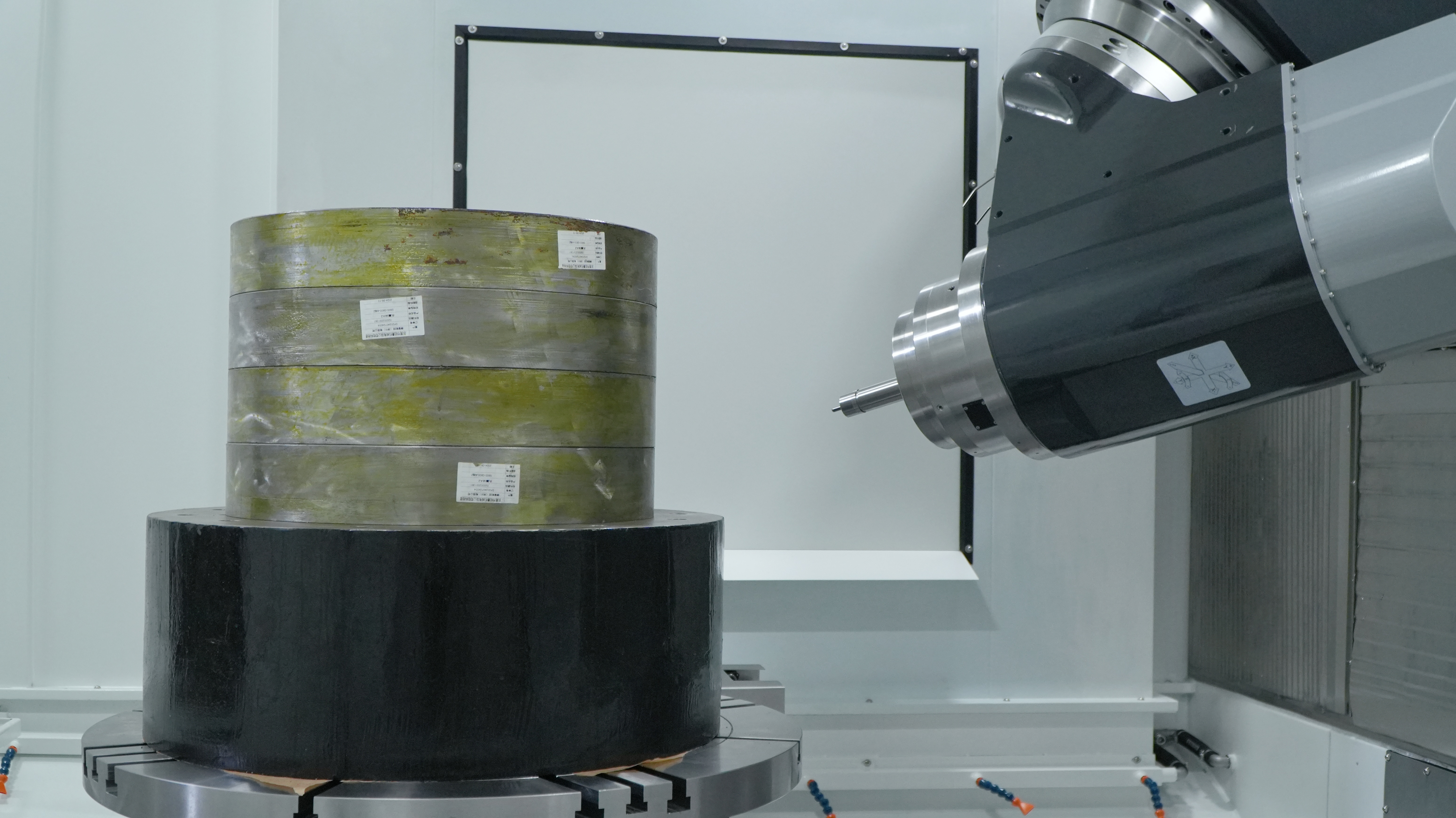
Introduction: Yield Is a Stability Problem
In complex part machining, yield is not just a quality metric—it is a direct reflection of process stability. Many manufacturers focus on improving individual parameters such as speed or tooling, but overlook the underlying issue: unstable processes.
In 5-axis CNC machining, achieving high yield depends on maintaining consistent precision machining conditions across the entire production cycle. Without stable process stability CNC, even advanced equipment cannot guarantee reliable micron level machining or high first-pass success rates.
1. What Is Process Stability CNC?
Process stability CNC refers to the ability of a machining system to produce consistent results over time.
It includes:
- Stable machine behavior under load
- Consistent cutting conditions
- Repeatable toolpath execution
High process stability CNC ensures that every part is produced with the same level of precision CNC machining, which is essential for maintaining yield in complex part machining.
2. How Instability Reduces Production Yield
Unstable processes introduce variability into machining results.
Common consequences include:
- Dimensional inconsistency
- Surface defects
- Increased scrap rates
In precision machining, even small variations can push parts out of tolerance, reducing yield and increasing cost.
Without stable micron level machining, manufacturers cannot maintain consistent quality across batches.
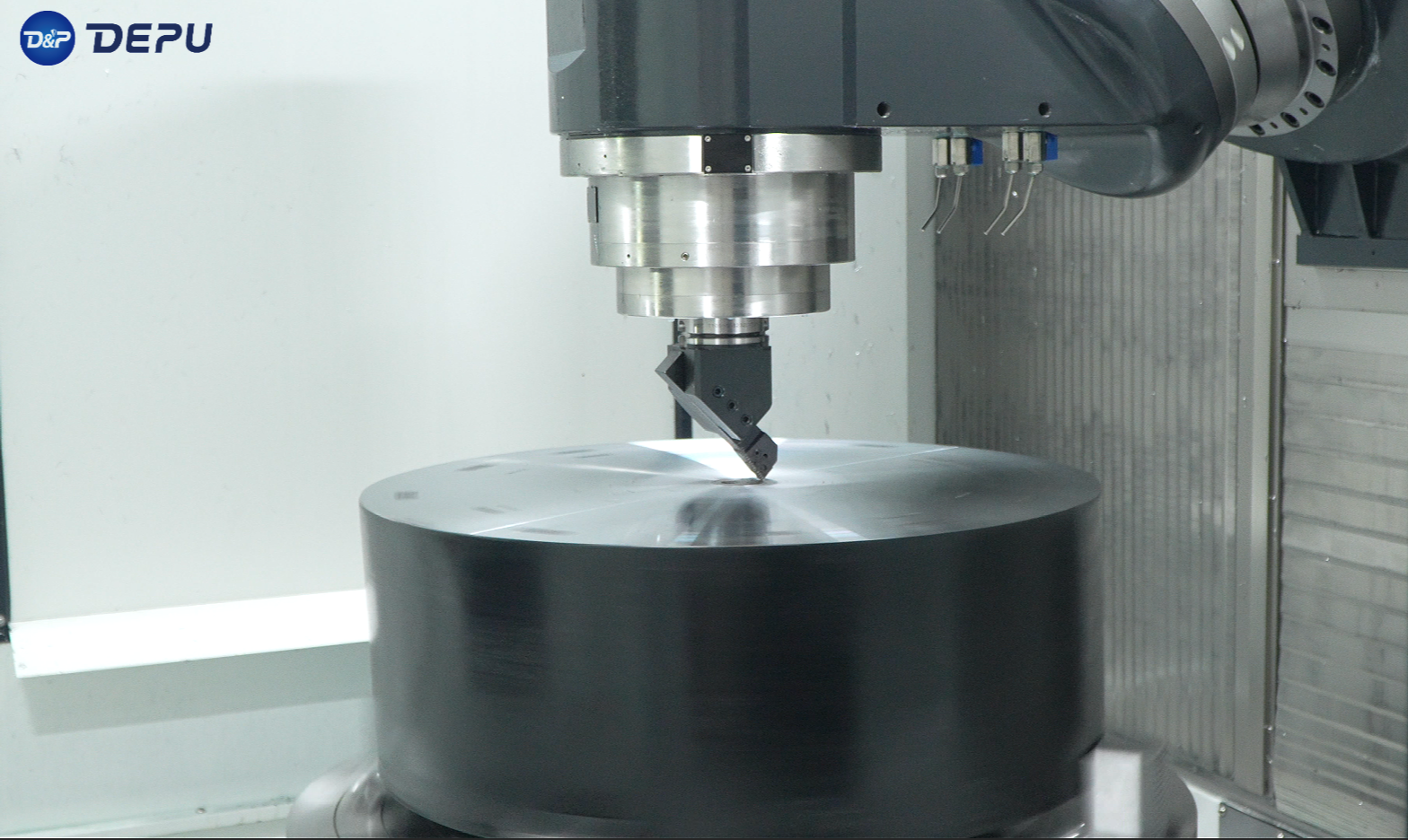
3. Dynamic Stability CNC and Yield Consistency
Dynamic stability CNC is a key component of process stability.
When dynamic behavior is unstable:
- Vibration affects tool position
- Cutting forces fluctuate
- Surface quality becomes inconsistent
Strong dynamic stability CNC ensures smooth motion and stable cutting, improving precision machining consistency and increasing yield in 5 axis CNC production.
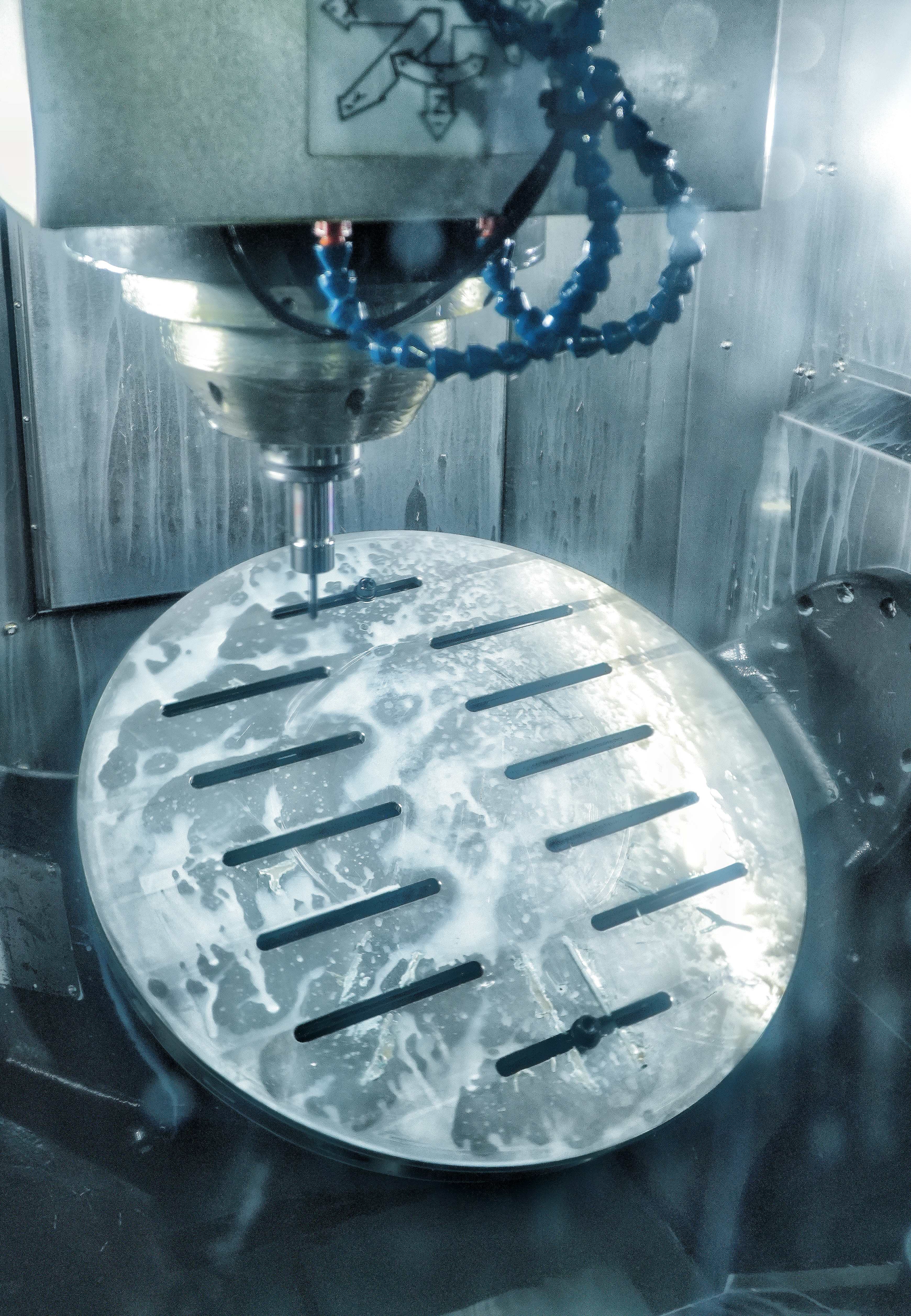
4. Micron Level Machining and First-Pass Yield
Achieving high first-pass yield requires consistent micron level machining.
This means:
- Tight tolerances are met reliably
- Variability between parts is minimized
- Rework is reduced
Stable 5-axis cnc machining systems maintain consistent micron level machining, ensuring that more parts pass inspection on the first attempt.
5. Precision CNC Machining and Repeatability
Repeatability is a critical factor in yield.
High precision CNC machining ensures:
- Consistent dimensional accuracy
- Uniform surface quality
- Reliable process outcomes
Without repeatability, even a well-machined part cannot guarantee high yield across production runs.
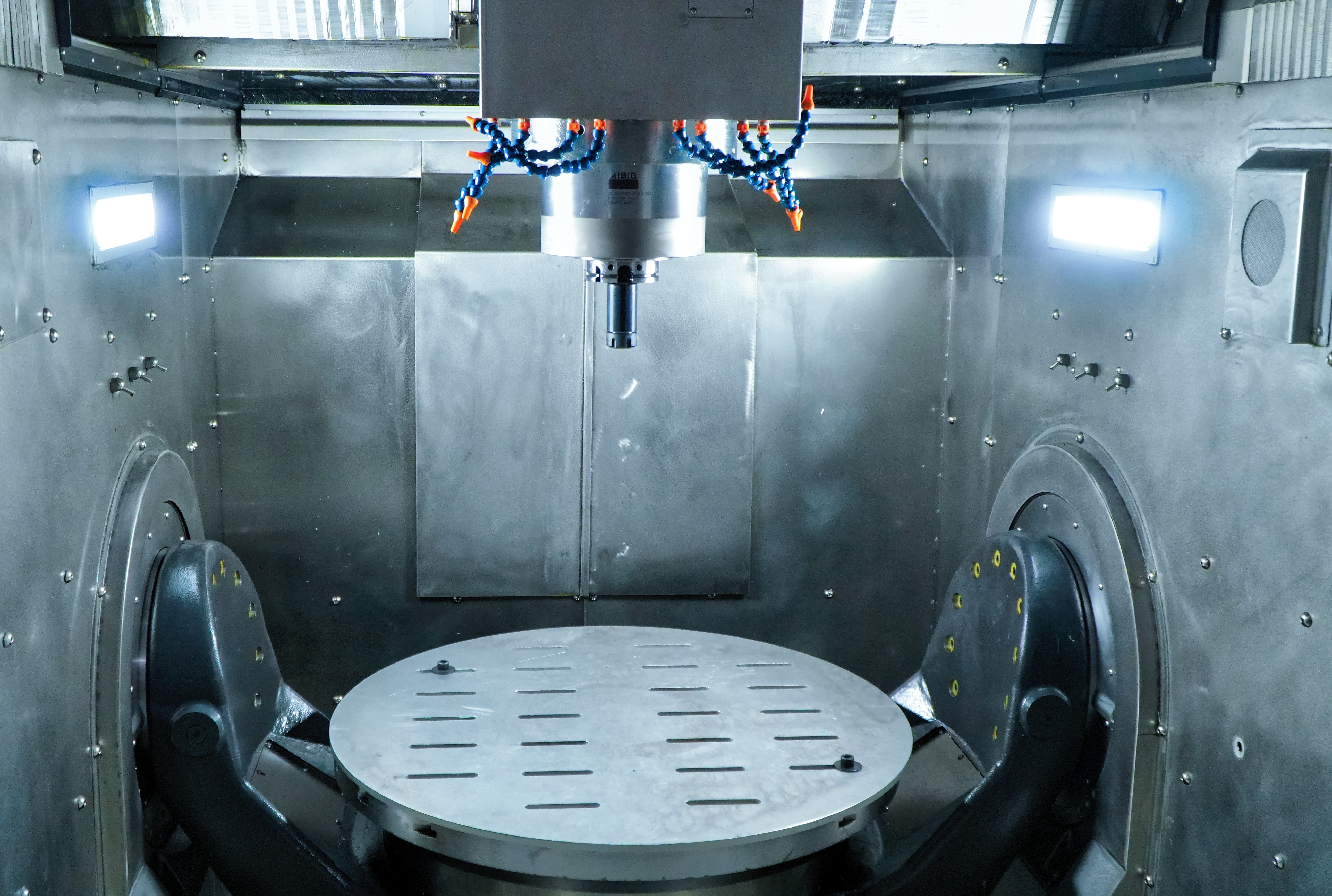
6. Process Integration in 5-Axis CNC Machining
5 axis CNC improves process stability by integrating multiple operations into a single setup.
Benefits include:
- Reduced setup variation
- Fewer manual interventions
- Improved process consistency
This integration enhances process stability CNC, leading to higher yield in complex part machining.
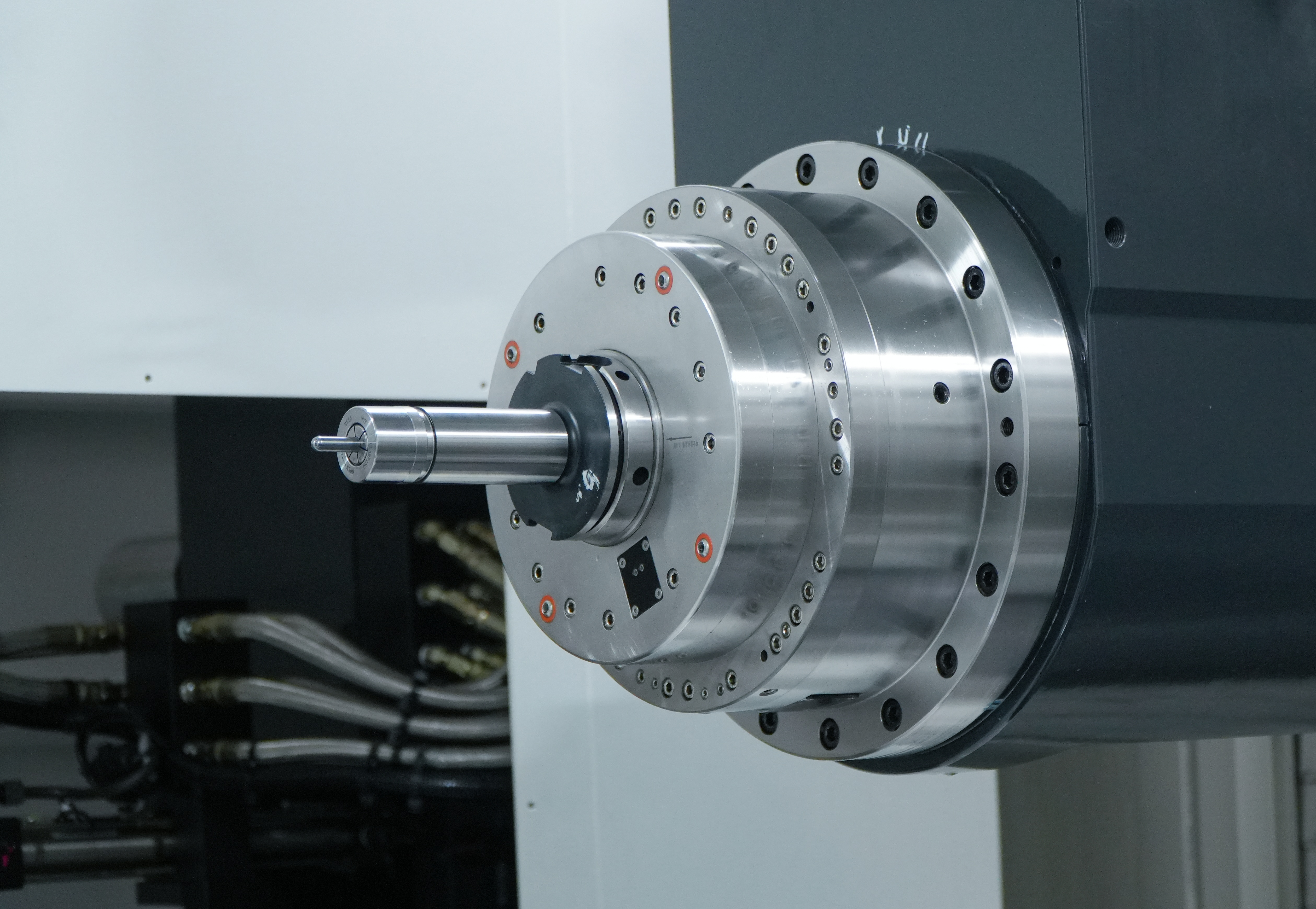
7. Machine Structure and Stability Foundation
The foundation of process stability CNC lies in machine design.
A robust machine provides:
- High rigidity
- Stable thermal behavior
- Consistent geometry
These factors support reliable precision machining and ensure stable conditions for micron level machining, directly improving yield.
Conclusion: Stability Drives Yield
In complex CNC production, yield is not just about quality control—it is about process control.
High process stability CNC enables:
- Consistent precision machining
- Reliable micron level machining
- Improved first-pass success rates
With 5-axis CNC machining, manufacturers can achieve stable, repeatable processes that significantly increase yield while reducing waste and cost.
FAQ
1. What is process stability in CNC machining?
It refers to the ability to maintain consistent machining conditions and results over time.
2. How does process stability affect yield?
Stable processes reduce variability, leading to fewer defects and higher first-pass success rates.
3. What role does dynamic stability CNC play in yield?
It controls vibration and motion behavior, ensuring consistent machining results.
4. Why is micron level machining important for yield?
It ensures tight tolerances are consistently met, reducing rejection rates.
5. How does 5-axis CNC improve process stability?
By reducing setups, improving consistency, and enabling integrated machining processes.