
5 Axis CNC Machining Delivers Unmatched Geometric Complexity and Micron-Level Accuracy
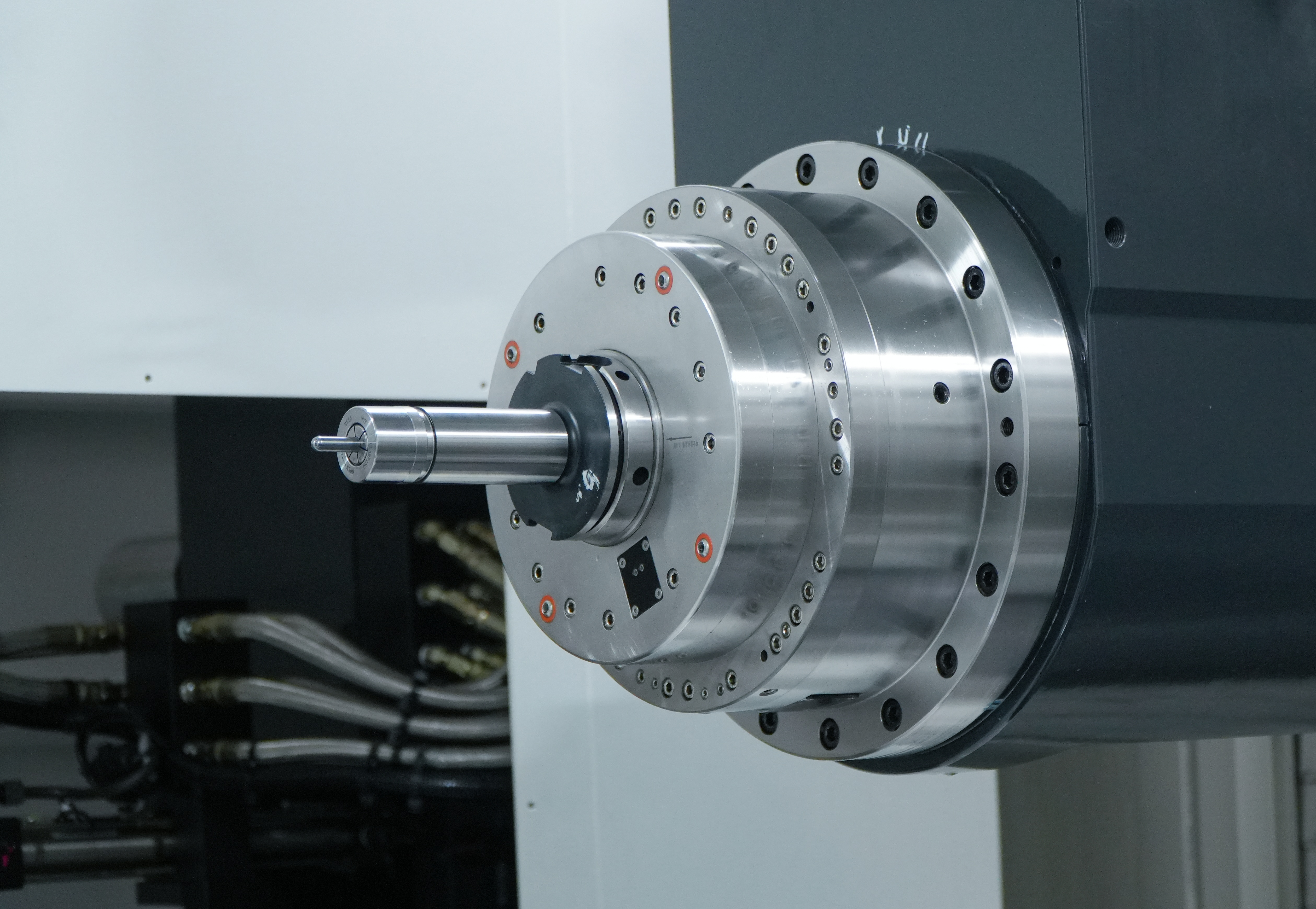
How Simultaneous Multi-Axis Motion Enables Single-Setup Machining of Safety-Critical Components
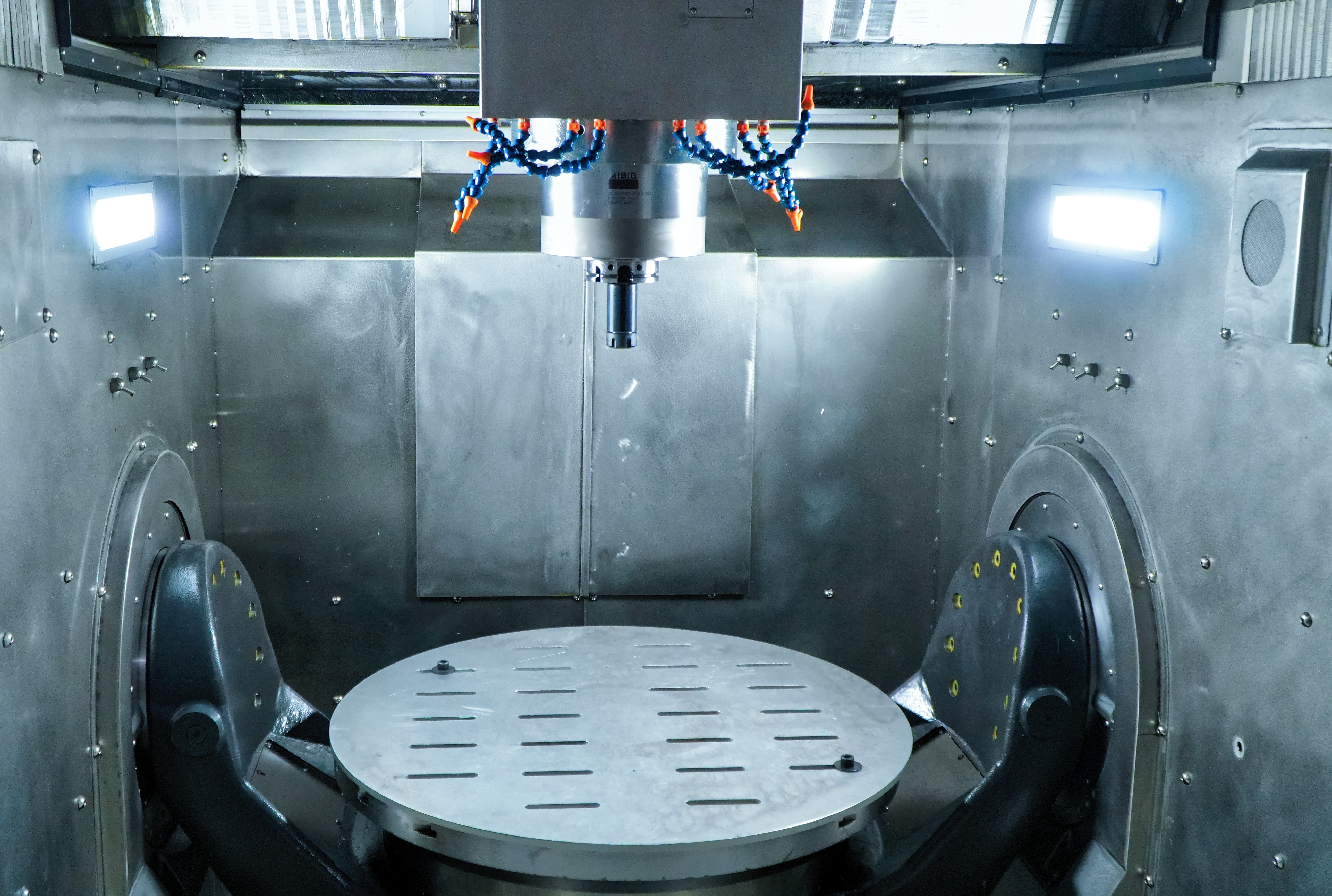
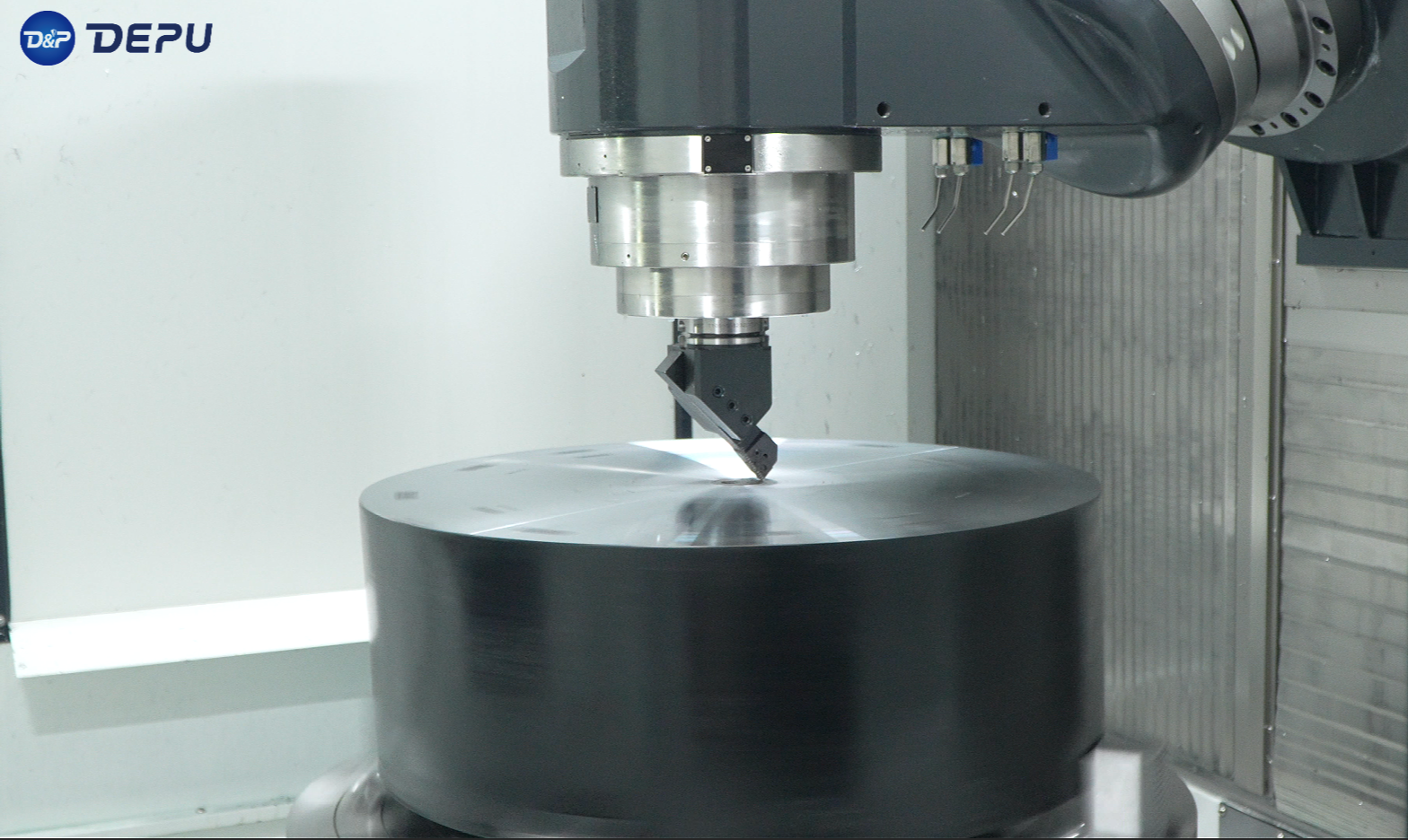
The simultaneous movement of five axes in CNC machining means parts can move along X, Y, Z while also rotating on two other axes at the same time. This eliminates the need for constant manual adjustments and cuts down on alignment problems by around 70% when compared to traditional three-axis methods. When making things like turbine blades or spinal implants, this one-time setup keeps important features aligned accurately within about 8 microns. The machine constantly adjusts how it moves the cutting tools across complicated shapes, which helps prevent bending of the tools and maintains good surface quality throughout production. Such precision matters a lot in aviation where airfoil shapes must be continuous, and in healthcare where implant surfaces need to work properly with human tissue without any flaws.
Sub-4-Micron Tolerance Achievement in Titanium Aerospace Brackets and Porous Orthopedic Implants
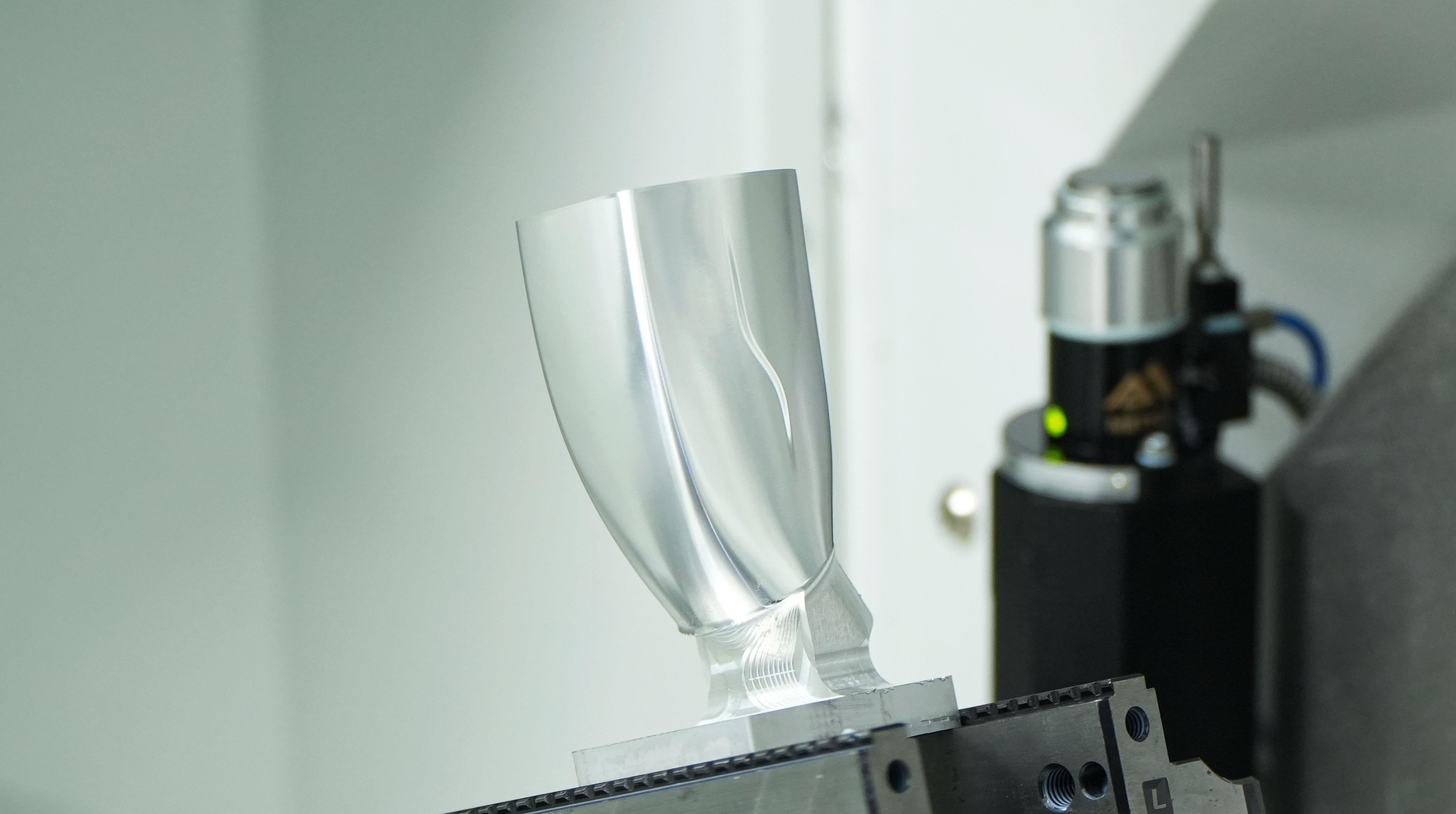
Today's 5 axis CNC machines can hit sub 4 micron tolerances when working with tough materials like Grade 5 titanium and cobalt chrome alloys. For aerospace parts, these tight tolerances make it possible to create lightweight lattice structures in wing components while still holding up against 15G forces. The orthopedic field benefits too, since we can now machine porous titanium implants directly with precise control over their internal structure. This matters because those pores are essential for bone integration something traditional milling just cant handle properly. Thermal compensation software helps fight off material expansion issues during heavy cutting operations, keeping everything dimensionally stable even after removing as much as 85% of the original workpiece weight. Manufacturers find that this kind of precision meets both AS9100 standards for aircraft components and FDA rules for medical devices all in one process step, eliminating the need for extra finishing work.
Material Versatility Without Compromise: Machining Titanium, Inconel, and Biocompatible Polymers to Specification
Thermal Stability and Toolpath Optimization for Low-Conductivity, High-Strength Alloys
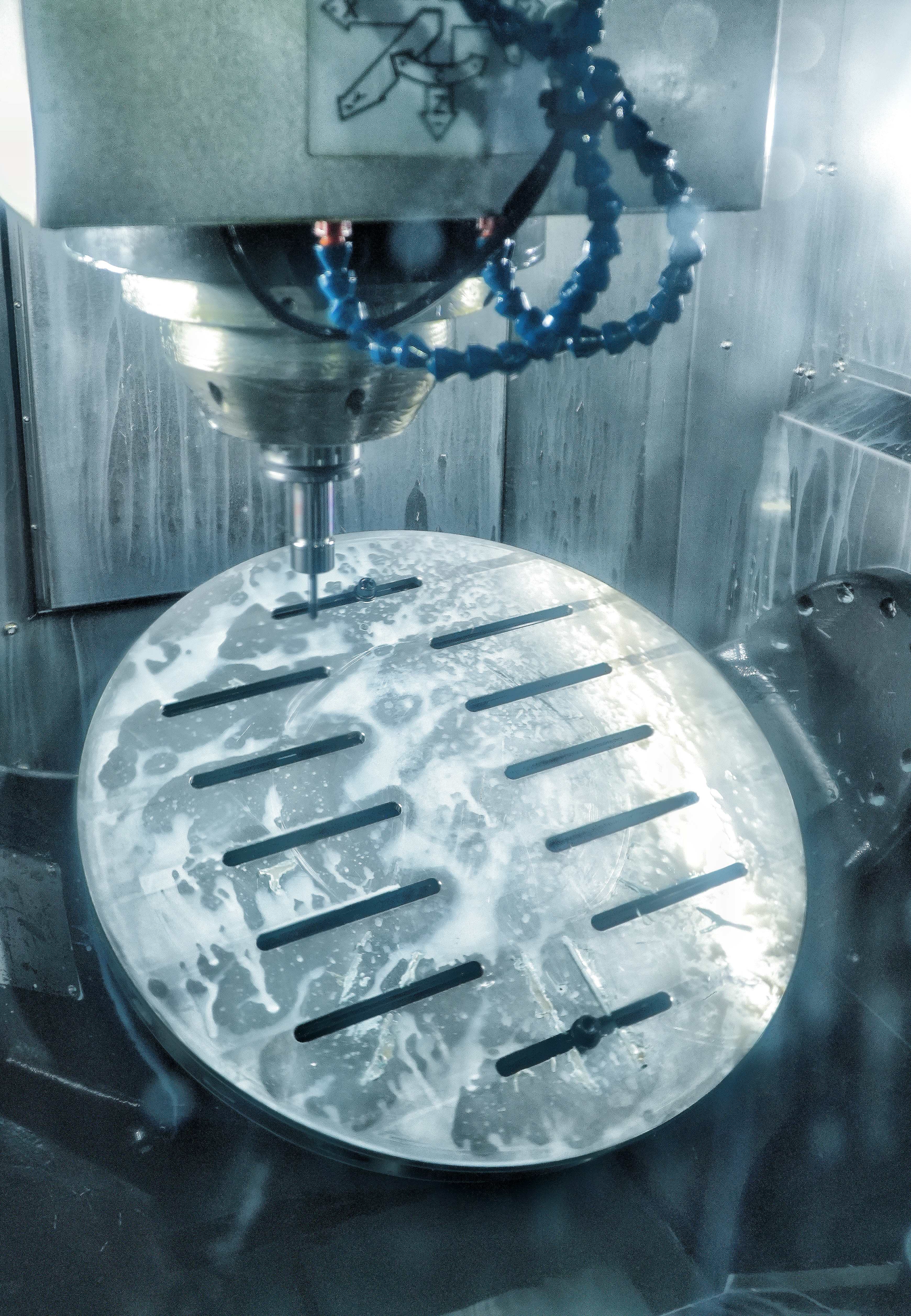
Titanium alloys along with Inconel materials have pretty low thermal conductivity, usually under around 7 W per meter Kelvin, which causes problems with heat accumulation and makes the material harder to machine as it gets worked on. Modern 5 axis CNC machines tackle these issues using smart path planning techniques. One approach called dynamic trochoidal milling cuts down how much the tool engages with the material by roughly forty percent, helping reduce heat stress while still keeping position accuracy within about half a thousandth of an inch. These systems also come equipped with high pressure coolant delivery that hits exactly where needed at the cutting area, cooling things down before they get too hot and protecting the microscopic structure of those tough nickel based superalloys. What we end up with are parts that maintain their surface quality and correct dimensions even for really important applications such as airplane turbine blades or medical devices like spinal implants where tolerances matter a lot.
FDA-Compliant and AS9100-Aligned Material Traceability and Processing Protocols
When working with biocompatible materials like PEEK (Polyether Ether Ketone), manufacturers must follow both FDA 21 CFR Part 820 regulations and AS9100D quality management standards. The 5-axis CNC machining process actually builds digital tracking right into each step along the way. Raw materials come with QR codes that connect straight to live process records showing things like temperature settings within plus or minus 2 degrees Celsius, when tools need replacing, and what sterilization conditions were used. For those making porous implants for orthopedic applications, this approach is critical since these products fall under the strictest category of medical devices known as Class III. What makes this system so reliable? The automated audit trail captures absolutely everything during machining operations including details about spindle load, how fast the machine feeds material through, even ambient conditions in the workshop. This eliminates all those pesky manual documentation mistakes while keeping facilities ready for inspections at any moment in these tightly regulated manufacturing spaces.
Zero-Defect Manufacturing Through Integrated Metrology and Statistical Process Control
Real-Time In-Process Measurement and Closed-Loop Correction in Cleanroom and Controlled-Environment Settings
Getting to zero defects in aerospace and medical manufacturing isn't possible with just a final check at the end of production. These industries need ongoing checks throughout the whole process. Today's advanced 5-axis CNC machines come equipped with laser scanners that don't touch the part and super accurate touch probes built right into the machine itself. This lets operators measure parts against their digital designs in real time with incredible precision down to about 4 microns. If something starts going off track beyond what's considered normal variation, smart systems automatically tweak the cutting path or adjust how fast the machine spins—all within seconds before any real problems develop. For things like titanium spinal implants or airplane turbine blades made in those special cleanrooms rated ISO Class 7, even small changes in temperature or humidity can mess up the dimensions. The difference between success and failure here is measured in thousandths of an inch. Manufacturers who build these measurement tools directly into their processes see dramatic improvements. Scrap rates drop by as much as 90%, and they save hundreds of thousands each time they prevent having to fix defective parts later. A recent study from Ponemon Institute looked at medical device quality issues and found that fixing problems after they happen costs companies around $740,000 per incident on average.
Regulatory Alignment: How 5 Axis CNC Machining Supports AS9100D and ISO 13485 Certification Requirements
The aerospace and medical manufacturing sectors need strict adherence to standards like AS9100D and ISO 13485. These standards require complete tracking of materials, processes that have been properly validated, and control systems based on statistical analysis. Five axis CNC machining naturally fits these needs because it works in one setup, which cuts down on variations caused by moving parts around. The machine automatically logs tool paths, creating records that can be checked during audits with timestamps included. Plus, built-in measurement tools constantly show whether parts meet extremely tight tolerance specifications. This whole system changes how quality is handled, moving away from just checking finished products to actually preventing problems before they happen through data collection. For things like airplane parts or medical implants where failure isn't an option, this makes all the difference. Companies using this method face fewer issues during certification and get their products ready for sale much faster when dealing with regulatory requirements.
FAQs
What is 5 axis CNC machining?
5 axis CNC machining involves the simultaneous movement along five different axes, allowing for complex geometries and precision that are not possible with traditional three-axis methods.
How does it benefit industries like aerospace and healthcare?
Aerospace benefits from creating lightweight structures and titanium parts with high precision, while healthcare benefits from precise manufacturing of medical components like implants with necessary biocompatibility and structural integrity.
What materials can be machined using 5 axis CNC?
Materials include high-strength titanium, cobalt chrome alloys, Inconel, and biocompatible polymers like PEEK.
Does 5 axis CNC machining meet regulatory requirements?
Yes, it aligns with standards like AS9100D and ISO 13485 by integrating traceability and standardized protocol for aerospace and medical manufacturing.
How do manufacturers ensure zero defects?
By using integrated metrology and statistical process controls during the manufacturing process, ensuring real-time precision and correcting errors before they cause defects.