Discover how AI, robotics, and IoT are transforming 5-axis CNC machining with 40% faster cycles and 70% less setup time. See real-world impacts in aerospace and medical manufacturing. Explore the future now.
Discover how aerospace, medical, automotive & more leverage 5 axis CNC machining for precision, efficiency, and innovation. See real ROI and future trends.
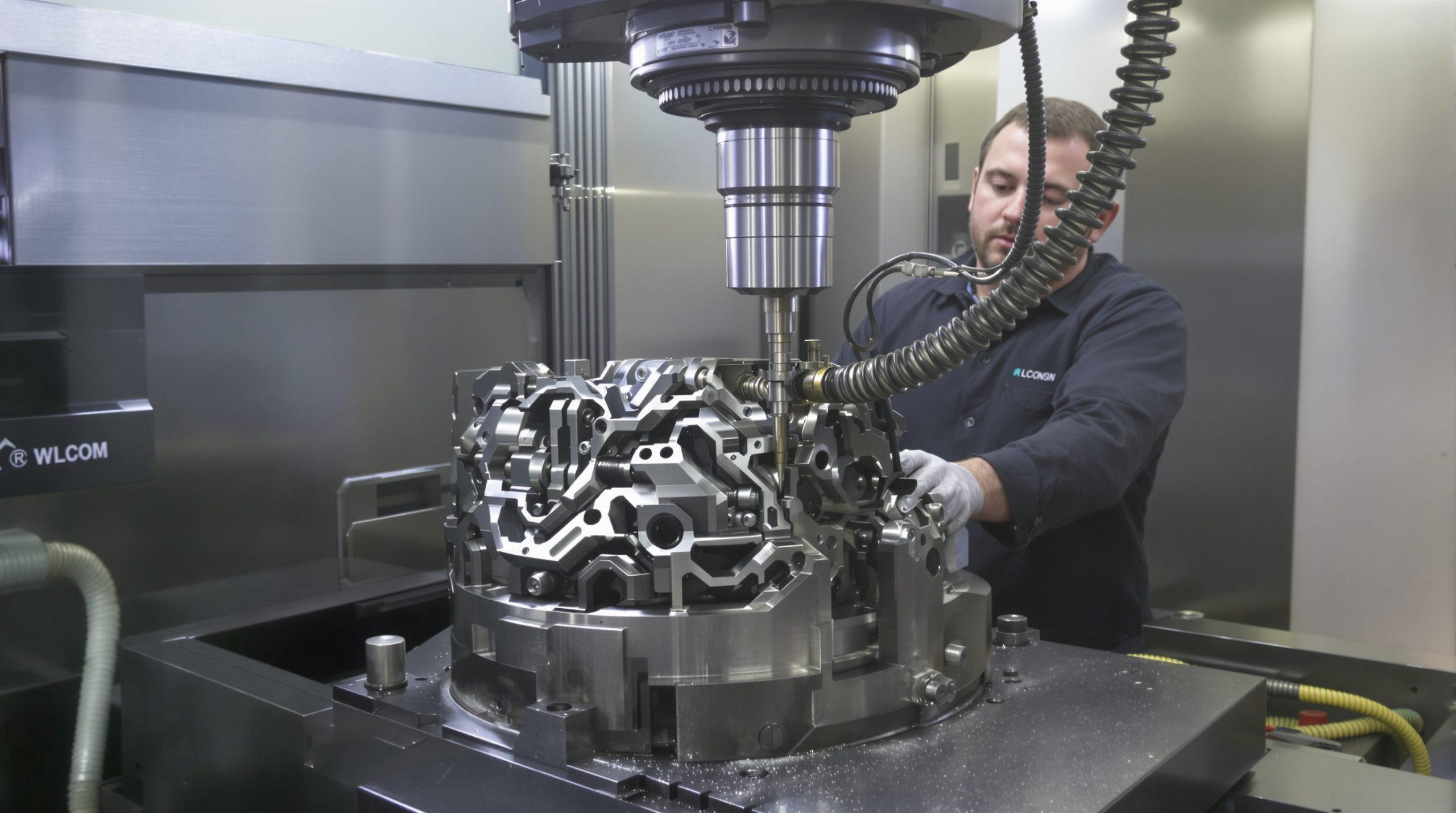
When it comes to making complex aerospace parts that need both strength and light weight, 5-axis CNC machines are simply unmatched. These advanced systems can create turbine blades with those incredibly precise aerodynamic shapes down to about a thousandth of an inch, plus structural brackets featuring those tricky internal cooling passages, not to mention engine casings made from tough titanium alloys.
Computer numerical control or CNC systems are at the heart of precision machining these days, allowing manufacturers to create parts with incredibly tight tolerances sometimes down to plus or minus 0.005 inches according to the Industry 4.0 Manufacturing Report from 2024.
When it comes to material waste reduction, precision machining stands out because it keeps those tolerances incredibly tight, sometimes down to just ±0.001 inches. This level of accuracy cuts down on scrap materials significantly too, with studies showing around a 62% reduction in offcuts compared to older manufacturing techniques.
Aerospace manufacturers rely on 5-axis CNC machines for high-precision titanium engine housings, while energy companies use them to machine wind turbine hubs with angular deviations under 0.01°. In the medical field, the technology enables production of patient-specific orthopedic implants with 99.7% repeatability across large batches.
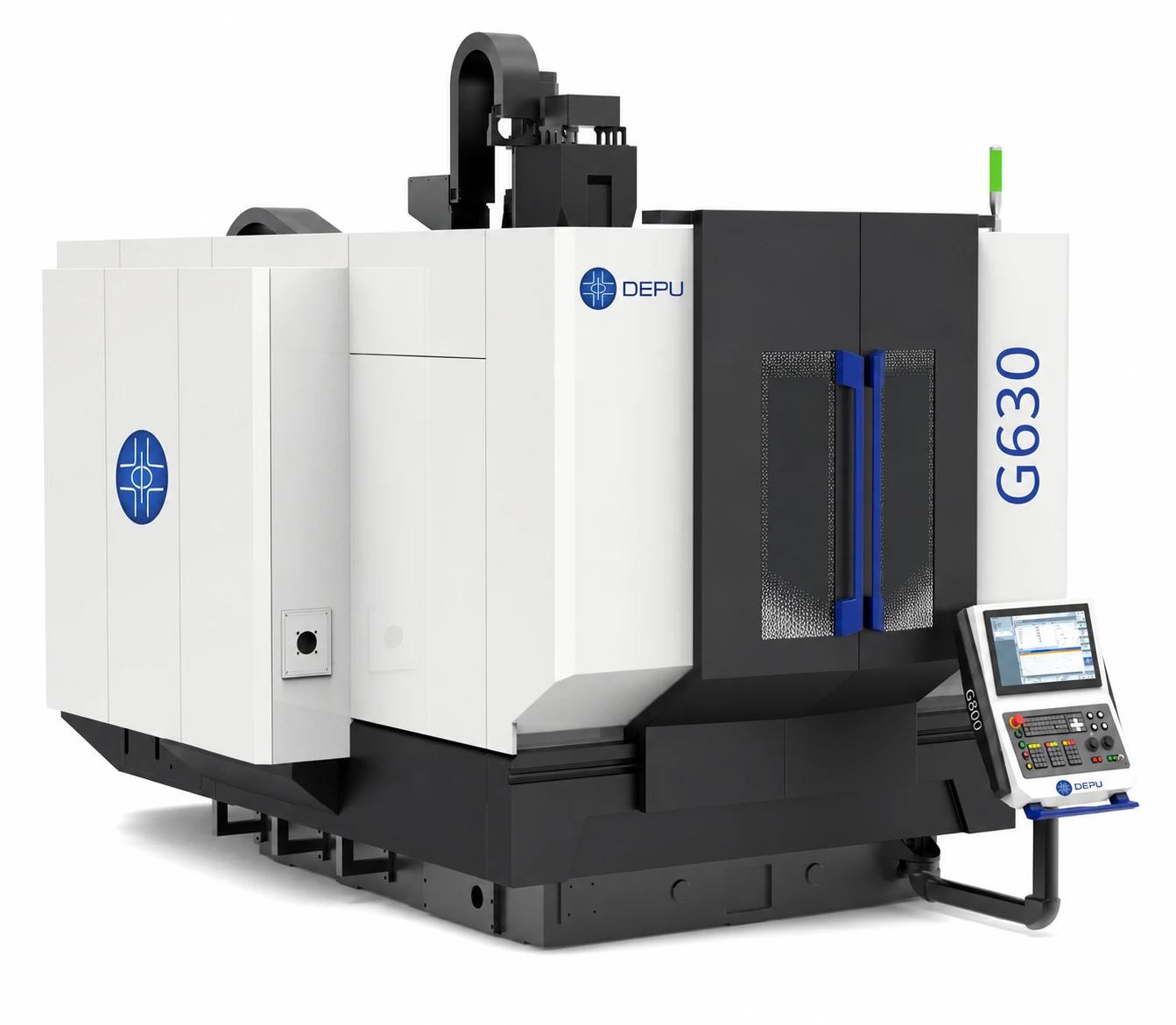
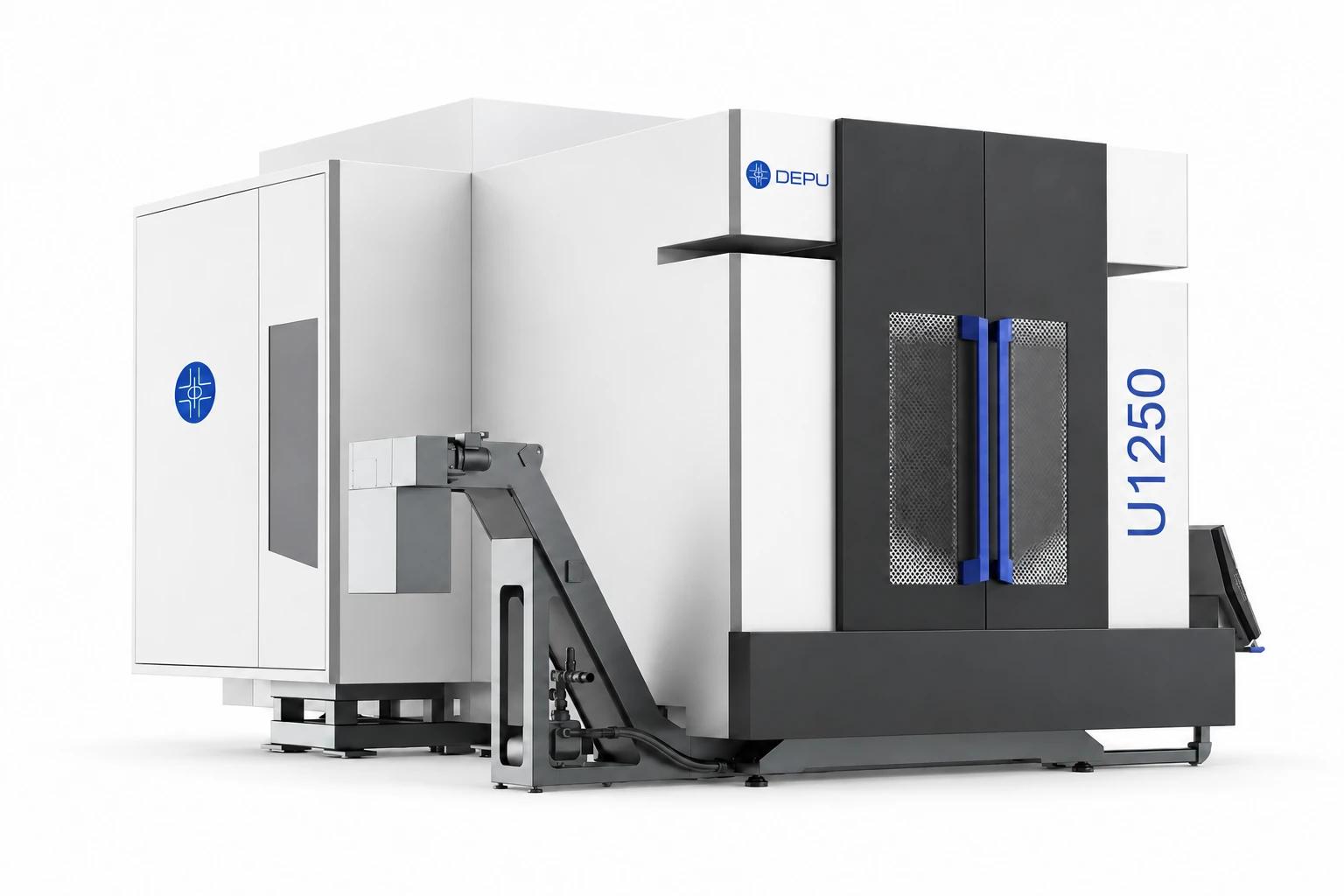
Discover why global enterprises partner with DEPU CNC for ISO-certified 5-axis machining centers, turnkey engineering, and reliable global technical support.
Evaluating a 5-axis CNC mill? Analyze these 10 critical specifications—from thermal stability and spindle power to trunnion rigidity and RTCP accuracy.
By DEPU
Showing 127–135 of 150 articles
From insight to application
Find your platform.
Explore the machine architecture behind the process. Start with your workpiece, then consider the configuration.