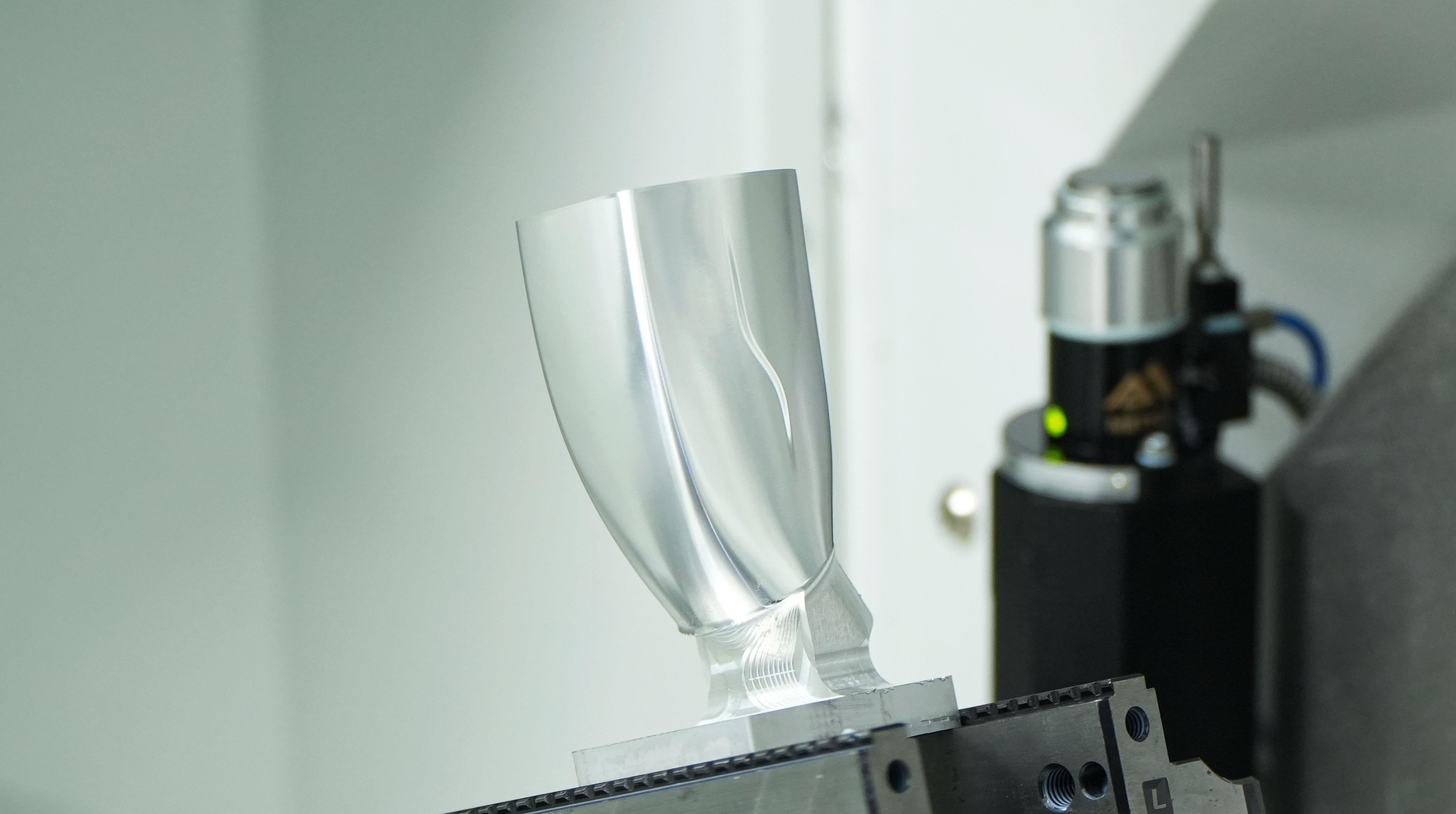

How a 5 Axis CNC Machine Works: Core Technology and Kinematic Advantages
Understanding the Difference Between 3-Axis and 5 Axis CNC Machines
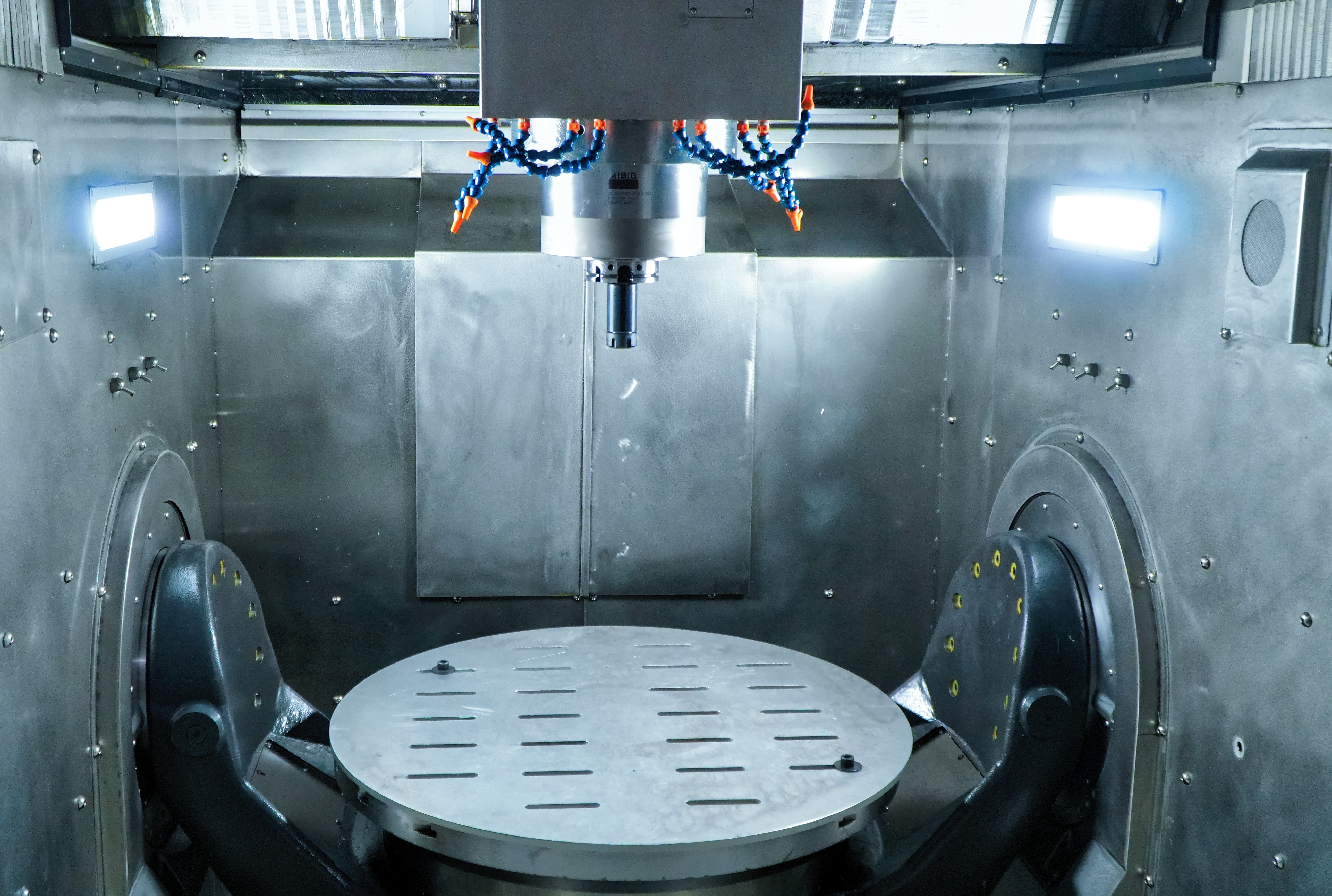
Three axis CNC machines move along straight lines on X, Y, and Z planes for standard milling tasks. Five axis machines take things further by adding those extra rotational movements around A, B, or C axes which let either the part itself or the cutting head spin and tilt during operation. What this means practically is no need to constantly stop and adjust positions manually when working from different angles all at once. The latest numbers from Autodesk's 2024 manufacturing study show something pretty impressive too. Their data indicates that shops using five axis systems can cut down their setup times by about sixty percent overall. And the precision gets much better too with measurements staying tight within plus or minus 0.005 millimeters instead of the wider range of plus or minus 0.025 seen in traditional three axis setups.
The Role of Rotational Axes (A, B, C) in Multi-Directional Machining
With A (tilting), B (Y-axis rotation), and C (Z-axis rotation) axes in play, tools can reach workpieces from pretty much any angle needed. Take undercut machining or those tricky curved surfaces for instance. The spindle often needs to twist around almost 90 degrees without breaking contact during these operations. Look at what Hartford Technologies showed back in 2023. Their real world tests revealed that when they added B-axis movement to their setup, cycle times dropped by nearly a third for those complex aerospace turbine blade jobs. Makes sense really, since better access means less wasted motion and time.
Simultaneous 5-Axis Movement for Complex Geometry Production
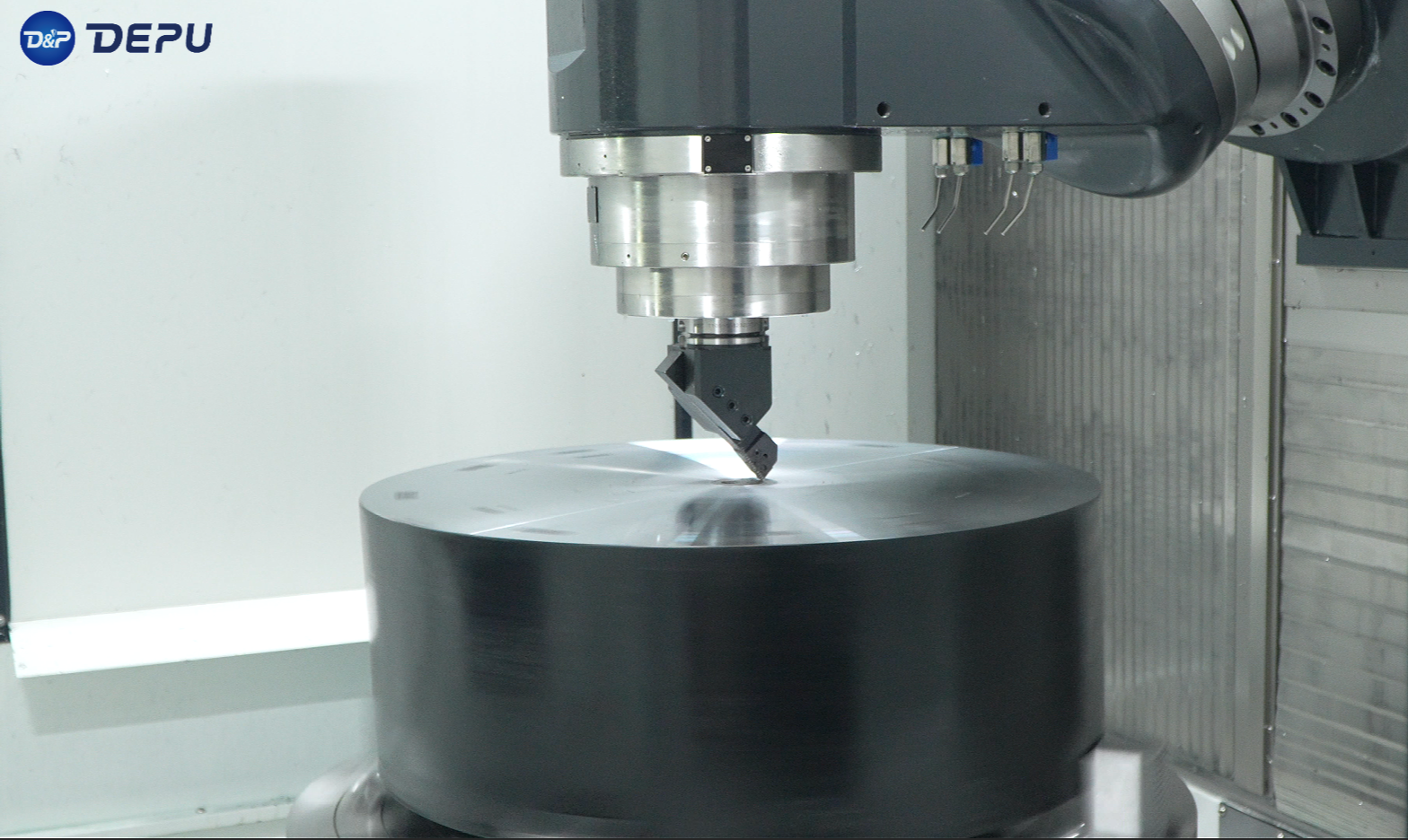
True 5-axis machining synchronizes all axes dynamically, enabling intricate contours like impellers or medical implants. Unlike indexed 5-axis (positioning before cutting), simultaneous movement allows fluid toolpaths with minimal tool deflection. This capability is critical for aerospace components, where complex airfoil geometries demand uninterrupted cutting at spindle speeds exceeding 15,000 RPM.
Key Components: Spindle, Control System, and Machine Rigidity
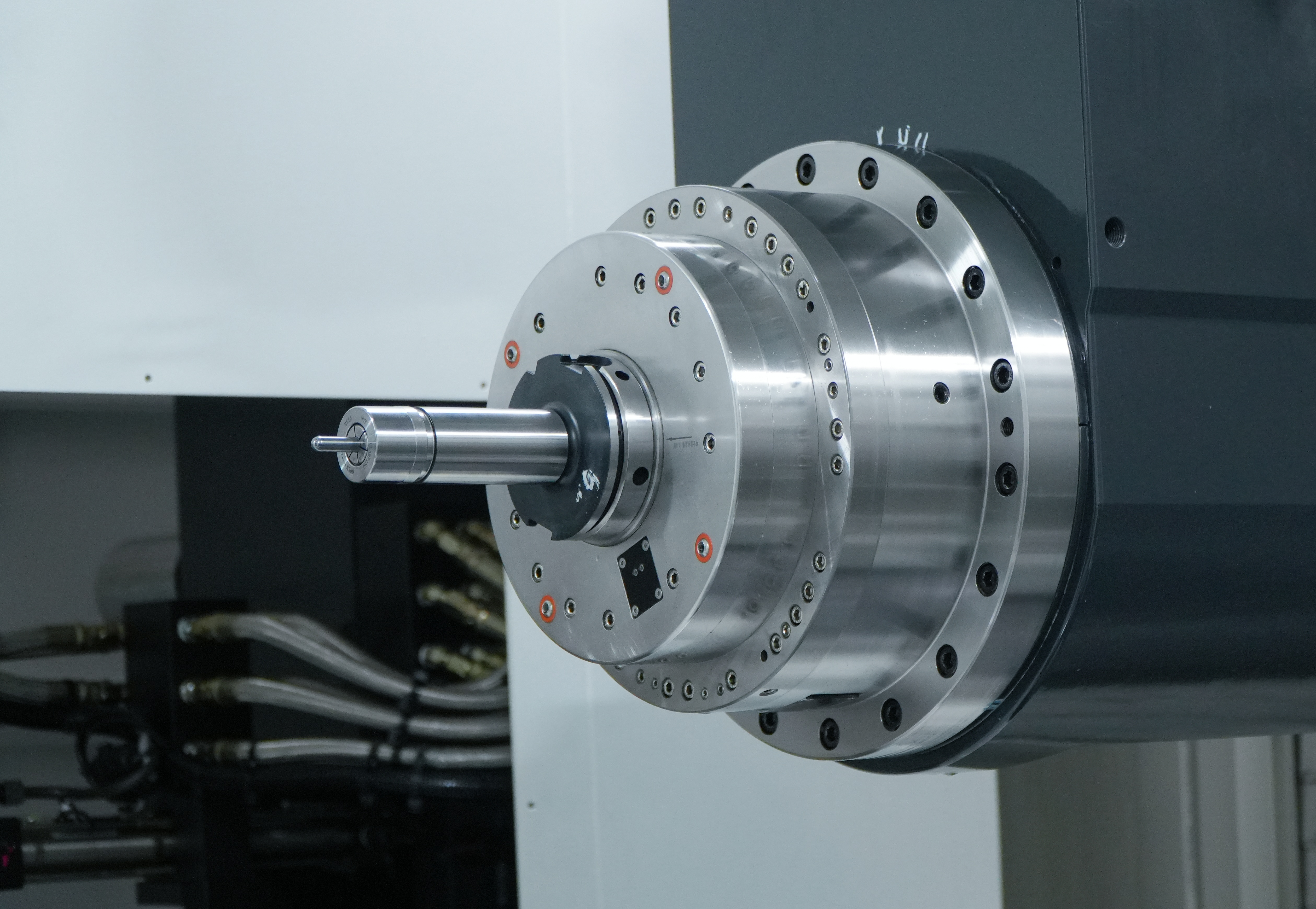
A 5-axis machine's performance hinges on three elements:
- High-torque spindles (20–30 kW) for stable cutting at extreme angles
- Adaptive control systems that optimize feed rates based on tool load
- Cast-iron or polymer-concrete bases to dampen vibrations (critical for surface finishes <0.8 µm Ra)
These components ensure precision even during aggressive material removal, with rigidity preventing geometric errors exceeding 0.01 mm/m.
Manufacturing Benefits of the 5 Axis CNC Machine: Efficiency, Precision, and Automation
Reduced Setup Times Through Single-Fixturing Machining
By enabling single-fixturing workflows, 5-axis systems eliminate manual repositioning needs, reducing setup time by 50–70% compared to 3-axis alternatives. This streamlined approach allows automotive manufacturers to machine engine blocks and transmission housings in one clamping cycle—a task requiring 3+ setups on traditional equipment.
Achieving Tight Tolerances and Superior Surface Finishes
The synchronized motion of rotational and linear axes lets tools maintain optimal cutting angles, achieving ±0.001 mm tolerances as demonstrated in a Neway Precision case study (2023). This precision proves vital for medical implant manufacturers producing titanium spinal rods with Ra 0.4 µm mirror finishes, avoiding secondary polishing.
Minimizing Human Error with Advanced Multi-Axis Automation
Integrated toolpath verification and collision-avoidance algorithms reduce manual programming interventions by 85%. Aerospace suppliers using these systems report 92% first-pass yield rates when milling turbine blades—a 35% improvement over manual 3-axis processes.
Critical Industry Applications of the 5 Axis CNC Machine
Aerospace: Manufacturing Lightweight, High-Strength Components with Complex Contours
When it comes to making complex aerospace parts that need both strength and light weight, 5-axis CNC machines are simply unmatched. These advanced systems can create turbine blades with those incredibly precise aerodynamic shapes down to about a thousandth of an inch, plus structural brackets featuring those tricky internal cooling passages, not to mention engine casings made from tough titanium alloys. What makes them so valuable is how they cut down on the number of times pieces need to be repositioned during manufacturing. This means fewer chances for errors when building components that literally hold planes together in midair. Plus manufacturers report saving roughly 20-25% on materials wasted compared to older 3-axis techniques, which adds up over time especially with expensive metals like titanium.
Medical: Producing Patient-Specific Implants Using 5 Axis Precision
Modern tech makes it possible to customize orthopedic implants and surgical guides using materials like cobalt-chrome or PEEK. Many dental labs now rely on 5 axis milling machines for zirconia crowns, achieving accuracy below 50 microns. Meanwhile, medical device manufacturers are producing spinal implants tailored specifically to individual patients, complete with surface textures that help bones grow together naturally. Such high levels of precision cut down on extra work after manufacturing and have shown pretty good results clinically, with around 98 percent compatibility reported in recent studies across various applications.
Automotive and Mold & Die: High-Accuracy Tooling
Five axis CNC machines make it much easier to produce aluminum engine blocks that have those built in coolant channels, plus carbon fiber molds featuring tiny venting channels. Big name manufacturers are now using these machines to achieve those super smooth injection mold surfaces, sometimes getting down to surface roughness ratings as low as Ra 0.2 microns. This means they spend about 40 fewer man hours polishing each tool compared to older methods. These advanced systems can handle complex jobs like machining transmission housings at compound angles that just wouldn't work on regular three axis equipment from years ago. The difference in capability is pretty dramatic when looking at what's possible today versus what was standard practice even five years back.
Overcoming Adoption Challenges for the 5 Axis CNC Machine
Evaluating High Initial Investment and Realistic ROI Timelines
Getting a 5 Axis CNC Machine up and running comes with a hefty price tag that keeps many businesses away. Industry numbers show companies typically spend between four hundred thousand to seven hundred forty thousand dollars just to get started. These aren't your regular three axis machines either. They need fancy stuff like multi axis spindles, those precision rotary tables, plus all sorts of special software licenses too. Small shops often balk at the cost, but look what happens for big aerospace suppliers who can afford them. According to a recent study from Hyproto, their return on investment actually comes around 15 to 20 percent quicker when these machines stay online most of the time. When manufacturers run the numbers over the long haul, factoring in how much money they save on labor costs and fixing mistakes, it starts to make financial sense even though the initial outlay looks daunting. This is especially true for companies making complicated parts in small batches where every saved hour counts.
Addressing Skilled Programming Needs for Optimal Toolpath Design
Mastering 5-axis programming demands expertise in collision avoidance algorithms and tilt-angle optimization, with CAM software certifications increasing operator salaries by 35%. The learning curve intensifies when machining freeform surfaces, requiring operators to:
- Translate CAD models into G-code with synchronized A/B-axis rotations
- Minimize tool deflection through adaptive feed-rate adjustments
- Avoid gouging during undercut operations using simulation plugins
Leading manufacturers counter this challenge by partnering with technical colleges to develop apprenticeship programs focused on multi-axis toolpath strategies.
Managing Maintenance Complexity and Ensuring Vendor Support
With 5 Axis CNC Machines experiencing 30% higher maintenance costs than 3-axis equivalents, proactive upkeep protocols are critical. Key focus areas include:
| Component | Inspection Frequency | Common Failure Points |
|---|---|---|
| Rotary Swivel Joint | Every 500 hours | Lubrication loss, bearing wear |
| Linear Guideways | Biweekly | Chip contamination, alignment |
| Spindle Motor | Quarterly | Overheating, harmonic vibration |
Opting for machines with IoT-enabled predictive maintenance interfaces can reduce unplanned downtime by 41%, while vendor support contracts covering thermal distortion calibration ensure long-term accuracy.
The Future of the 5 Axis CNC Machine in Smart and Connected Factories
AI-Driven Predictive Maintenance for Continuous Uptime
The latest generation of 5-axis CNC machines now comes equipped with IoT sensors paired up with machine learning algorithms that can actually spot potential component failures before anything goes wrong. According to the 2024 Industrial IoT Adoption Report, factories that implement these predictive maintenance techniques see their equipment running smoothly about 92% of the time, which is pretty impressive compared to just 70% for those relying on old fashioned reactive fixes. What makes these systems so effective? They constantly monitor things like spindle vibrations and temperature fluctuations as they happen, then either tweak the machining settings on the fly or schedule needed maintenance right when there's already downtime planned. Some shops report being able to catch issues days ahead of schedule, though getting all the data points properly calibrated takes some trial and error initially.
Hybrid Additive-Machining Integration in 5 Axis Platforms
Many top manufacturers these days are blending 3D printing techniques with advanced 5 axis CNC machines to build integrated production systems. What this mixed method does is cut down on wasted materials somewhere around 30 to maybe even 40 percent when compared to older approaches. Plus it lets engineers fix expensive parts right there during production rather than scrapping them entirely. When companies combine the layer by layer building process with super accurate cutting technology, they can actually manufacture those intricate cooling passages inside jet engine parts that just cant be made using conventional cutting tools alone. This has really opened up new possibilities for aircraft makers who need components that withstand extreme temperatures.
Cloud-Based CAM Software Enabling Remote 5 Axis Programming
Cloud based CAM tools are changing how people work with 5 axis CNC machines, making it possible for engineers to create detailed cutting paths no matter where they happen to be located. According to the latest Digital Manufacturing Report from 2024, businesses that have adopted these connected systems see around a two thirds drop in programming mistakes thanks to features like AI driven collision warnings and automatic adjustments for worn tools. What's really interesting is how this remote access lets design teams across different countries work together on complicated projects such as custom medical implants without compromising patient information security standards required by regulations like HIPAA.
FAQ
What is a 5 Axis CNC Machine?
A 5 Axis CNC Machine is an advanced milling device that allows movement along five different axes, improving flexibility and precision in machining complex parts.
How does a 5 Axis CNC Machine benefit manufacturing compared to a 3-axis machine?
5 Axis CNC Machines allow more efficient workflows by reducing setup time, improving precision, and enabling complex geometries to be machined without repositioning.
What industries commonly use 5 Axis CNC Machines?
The medical, automotive, aerospace, and mold & die industries widely employ 5 Axis CNC Machines due to their ability to create complex and precise components.
What are the initial investment considerations for a 5 Axis CNC Machine?
Purchasing a 5 Axis CNC Machine involves significant costs, often between $400,000 and $740,000, requiring careful ROI analysis and consideration of long-term benefits.
How is the future of 5 Axis CNC Machine technology shaping up?
Future advancements include AI-driven predictive maintenance, hybrid additive-machining integration, and cloud-based CAM software for enhanced efficiency and capabilities.