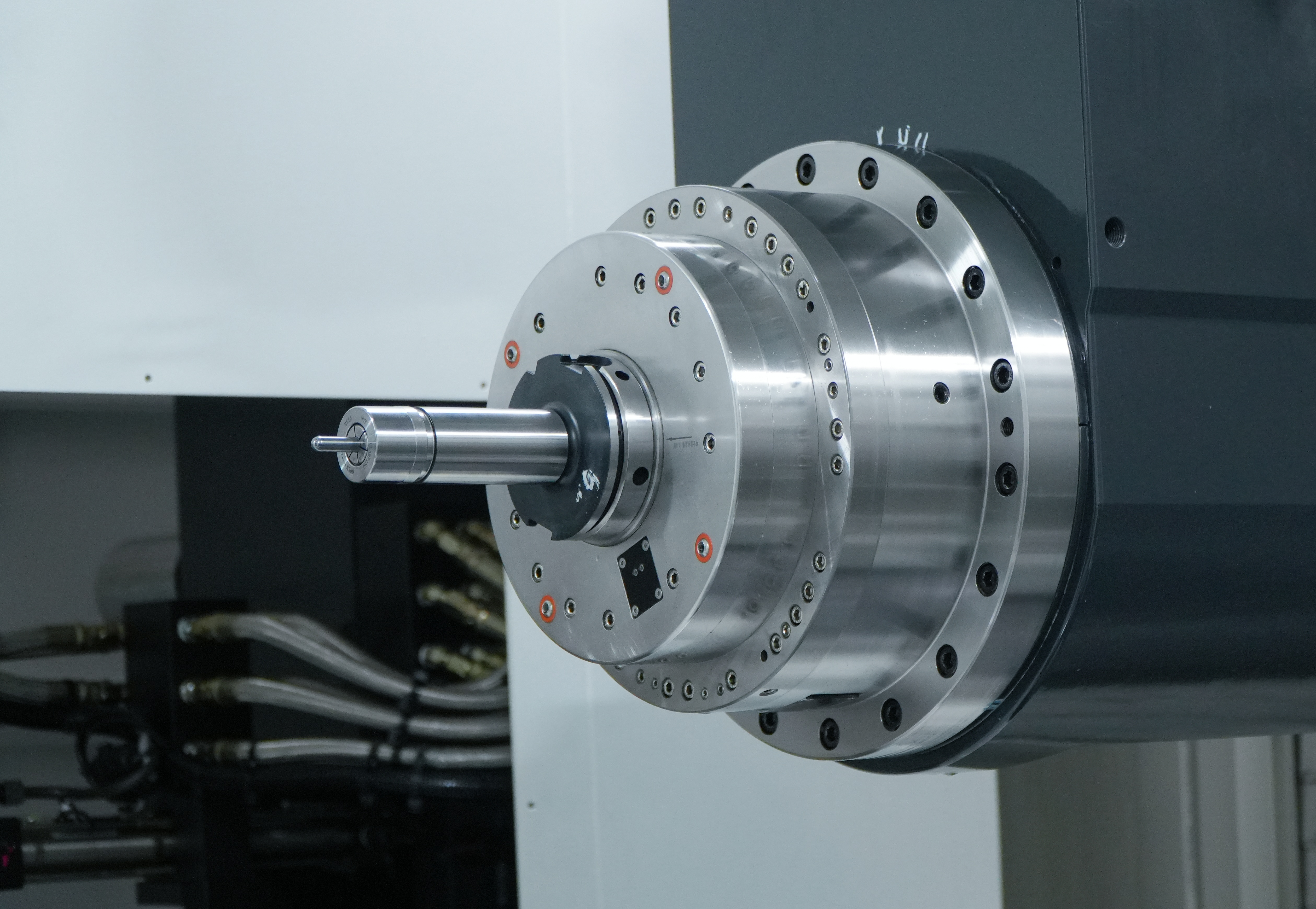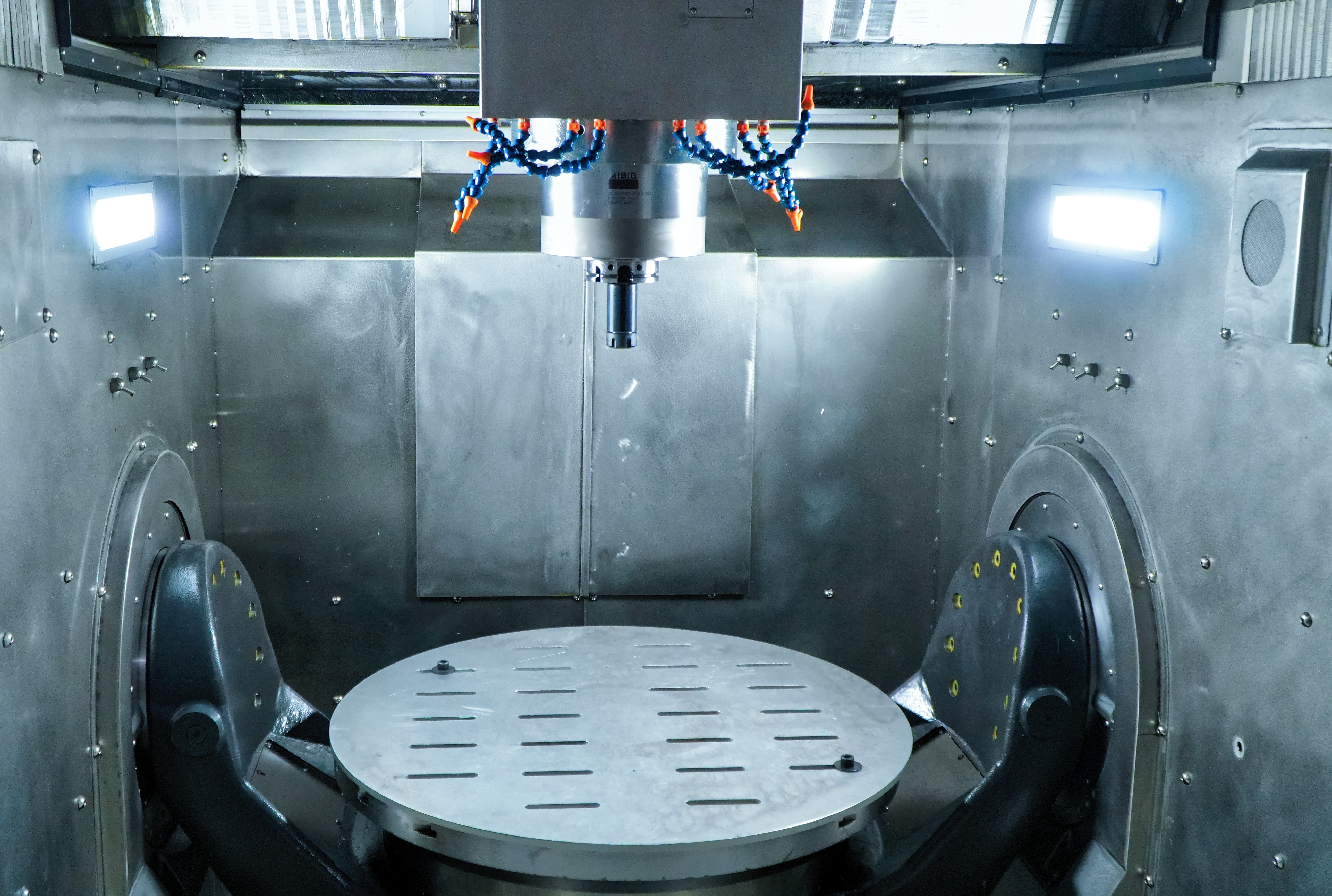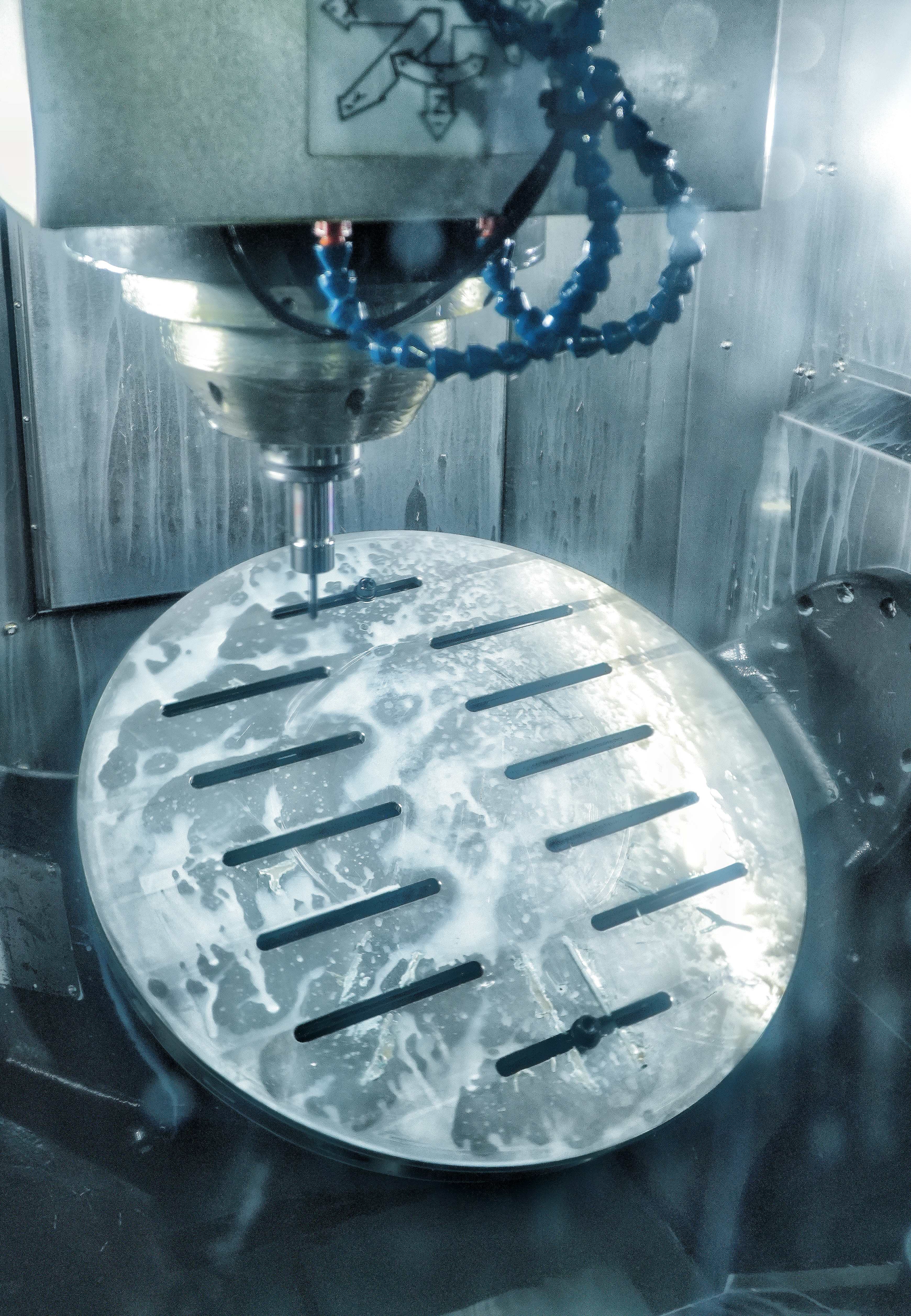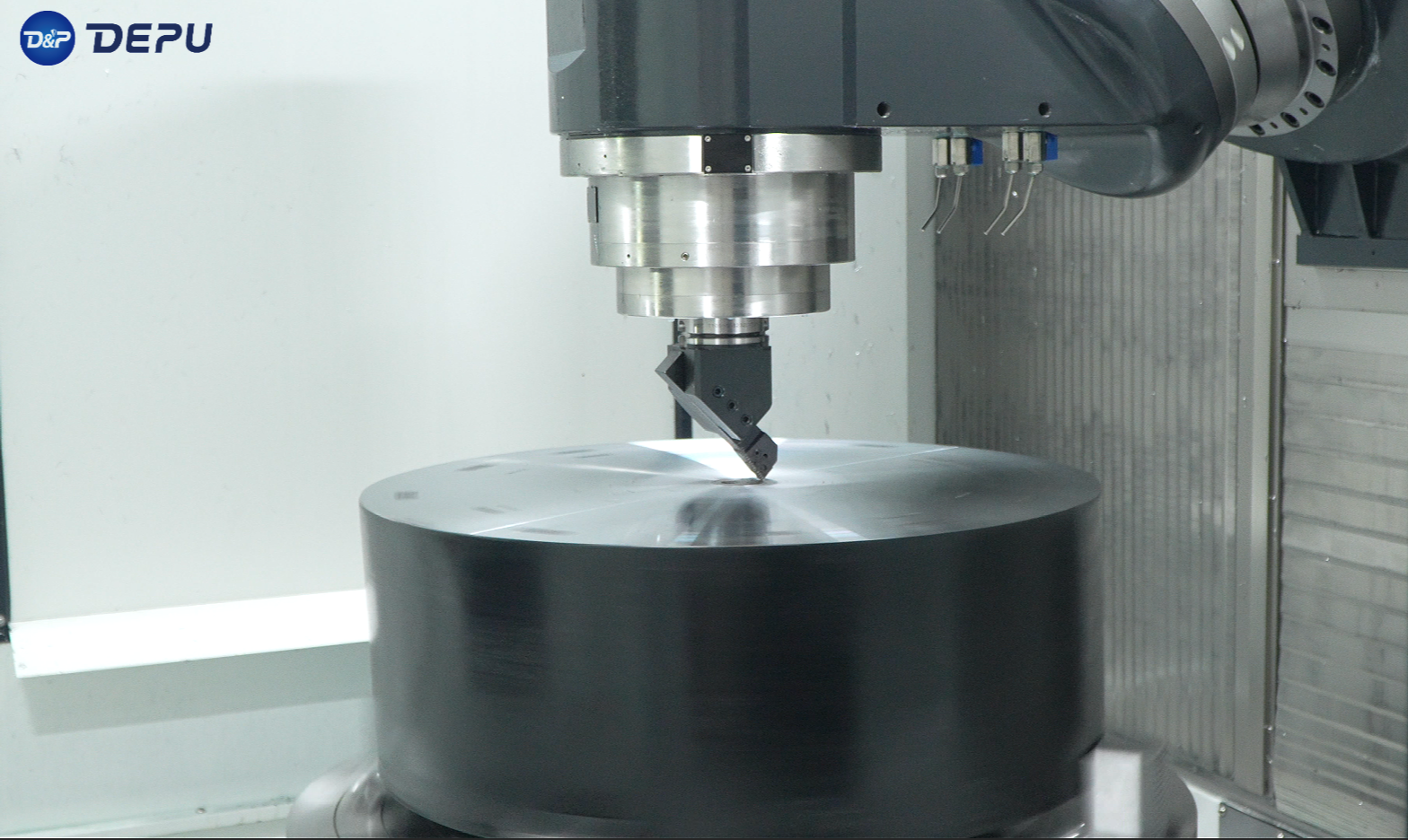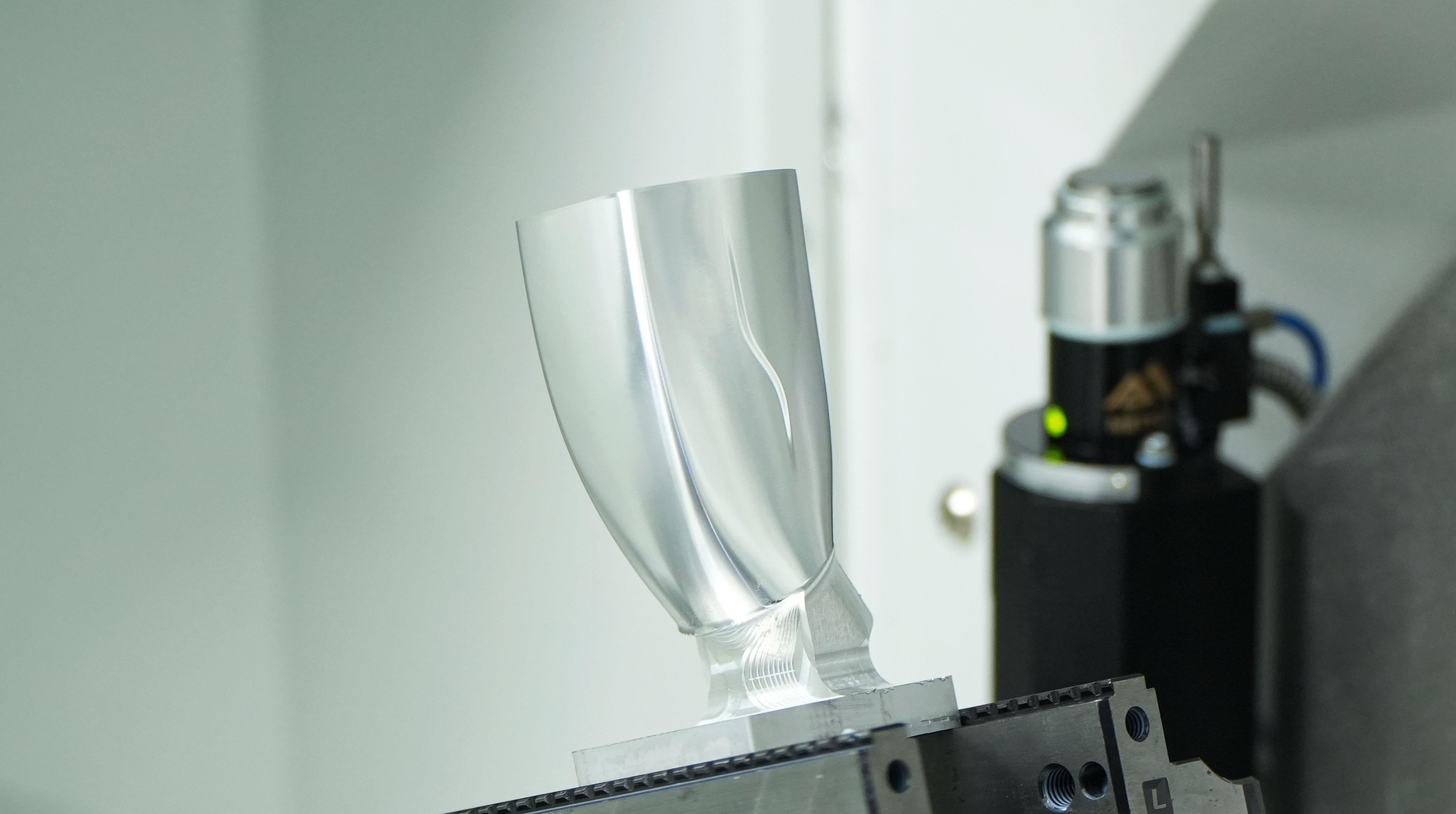

Aerospace and Defense: Precision Engineering for High-Performance Components About 5 Axis CNC Technology
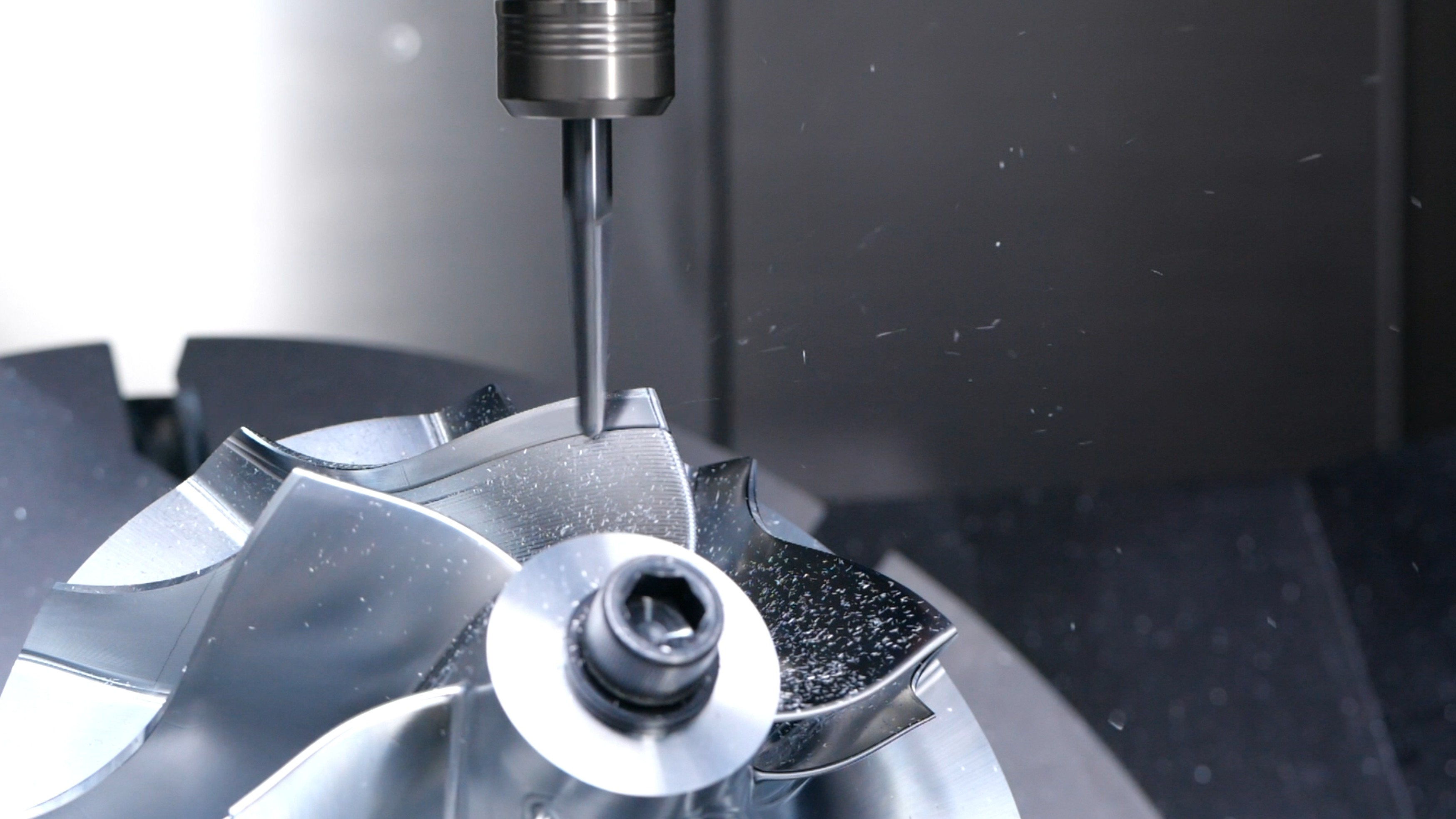
How 5 Axis CNC Technology Enables Complex Turbine Blade Machining
The 5 axis CNC tech basically takes away all that tedious manual repositioning work, so aerospace turbine blades with those complex aerodynamic shapes can be machined continuously without interruption. For parts needing super tight tolerances around 0.005 mm or better, this really makes a difference. Think about those high pressure compressors where blades get distorted at temperatures over 1500 degrees Celsius. Engineers have to design against that distortion ahead of time. According to a recent report from Aerospace Manufacturing Trends in 2023, companies switching to these 5 axis systems saw their rejection rates drop by about one third compared to older 3 axis methods. The reason? These machines handle both the cooling channels and the airfoil surfaces in one go instead of separate operations.
Case Study: Leading Aerospace Manufacturers’ Use of 5-Axis CNC for Stealth and Commercial Aircraft
Top defense companies have started using advanced 5-axis CNC machines to work on special engine parts that absorb radar signals and build titanium frames for airplane bodies all in one go. These machines hit that super tight tolerance of plus or minus 0.012 millimeters needed for stealth coatings on fighter jets. And they save a ton of time too - it takes 62 fewer hours to make each F-35 canopy frame compared to older methods. When we look at commercial airplanes, these same technologies let manufacturers cut wing spars directly from solid blocks of metal instead of assembling them piece by piece. That means no need for those 87 separate fasteners in every wing assembly anymore thanks to these cutting edge metal working techniques.
Trend: Integration with Additive Manufacturing for Next-Gen Aerospace Systems
Hybrid manufacturing cells combining laser powder bed fusion with 5-axis CNC finishing are gaining traction. This allows NASA-certified suppliers to print nickel alloy combustion chambers with conformal cooling channels, then machine mounting surfaces to Ra 0.4 ¼m finishes without rechucking—a 29% cycle time improvement over conventional methods.
Strategy: Reducing Assembly Complexity Through Monolithic Part Fabrication
Forward-thinking manufacturers are replacing multi-part assemblies with single 5-axis machined components. A notable example includes landing gear trunions previously comprising 18 separate parts now made as unified aluminum-lithium structures, achieving 19% weight reduction and 200% improvement in vibration resistance.
Automotive and Energy: Driving Innovation in Performance and Sustainability
5 Axis CNC Technology is redefining manufacturing standards in the automotive and renewable energy sectors by enabling unprecedented precision and material efficiency. As industries prioritize sustainability, this advanced machining method allows manufacturers to meet strict tolerances for electric vehicle (EV) components while minimizing waste—critical for achieving net-zero production goals.
Precision Machining for Electric Vehicle Components Using 5 Axis CNC Technology
As electric vehicles become more common, manufacturers need to create all sorts of intricate shapes for things like battery cases, motor parts, and those tricky charging connectors. The good news is that multi-axis machining can hit around 0.005 mm accuracy on these components, which means they fit together properly without causing issues in those high voltage systems. Take a look at what happens with 5 axis CNC machines versus traditional 3 axis ones. When making aluminum cooling plates (which are super important for managing heat in EVs), production time drops somewhere between 25% and maybe even 40%. And let's face it, getting better precision isn't just about looking good on paper. It actually makes batteries last longer and keeps drivers safer overall.
Case Study: Streamlined Production for EVs and Wind Turbines
One major electric vehicle company slashed battery housing defects down to just 37% of what they were before switching to 5-axis CNC machining for their aluminum parts, and got their money back within a year. Wind turbine makers are doing something similar too. A big name in the industry is now making those massive 30 meter rotor hubs all in one piece instead of welding them together. This change alone cut out around four fifths of the weak spots that used to form at weld joints. All these improvements fit right into the bigger picture of saving energy worldwide. According to some research from the International Energy Agency in 2023, when factories upgrade their machining tech, each production line ends up emitting about 1.2 fewer metric tons of carbon dioxide every year than before.
Trend: Lightweighting and Customization in Automotive and Renewable Energy Sectors
| Strategy | Traditional Approach | 5-Axis CNC Advantage |
|---|---|---|
| Material Use | 18—22% scrap rate | 8—12% scrap rate |
| Part Complexity | 3—4 setups required | Single setup |
| Customization Potential | Limited by fixture costs | Economical for batches â¬500 |
5-axis systems enable automakers to machine carbon fiber-reinforced polymers (CFRP) for 18% lighter chassis without compromising durability. In wind energy, the technology supports bespoke gearbox designs that increase turbine efficiency by 9—14% under variable loads.
Strategy: Enhancing Durability and Efficiency Through Multi-Axis Machining
By machining load-bearing components like suspension knuckles in one operation, manufacturers eliminate alignment errors that cause premature wear. A 2024 NSF-funded study found 5-axis-machined EV drivetrain parts last 2.3x longer than those made with conventional methods, reducing lifecycle maintenance costs by $740/vehicle.
Medical and Consumer Electronics: Enabling Miniaturization and Personalization
Micron-Level Accuracy in Medical Implants and Surgical Instruments
The precision offered by 5 axis CNC technology reaches down to the micron level, making it absolutely necessary for creating medical implants such as pacemaker casings and those complex spinal fusion devices. Traditional 3 axis machines need several setup changes during production, but with 5 axis systems everything happens at once. This allows manufacturers to machine undercuts on titanium parts with incredible accuracy around plus or minus 2 microns. What's really important here is that this level of control removes the need for tedious hand polishing steps while still achieving surface roughness values below 0.1 microns. Such smooth surfaces matter a lot in surgical instruments where bacteria can't find places to stick and multiply after procedures.
Case Study: Orthopedic Implants and Device Housing Manufacturing
A leading orthopedic manufacturer reduced post-operative complications by 18% using 5-axis CNC-machined cobalt-chrome knee implants with patient-specific porosity gradients. In consumer electronics, suppliers now machine magnesium-aluminum alloy smartphone frames with integrated 5G antenna channels, achieving 22% better signal strength versus traditional stamped designs.
Trend: Rise of Personalized Prosthetics and Aesthetic Precision in Wearables
When combining 3D scanning techniques with advanced 5-axis CNC machining, we see remarkable improvements in custom prosthetic socket design. These personalized fittings actually spread pressure across the body about 35 percent more evenly compared to those mass produced standard models. The luxury watch industry has also caught onto this tech, using it to craft sapphire crystal faces with near perfect 80 degree angles around the bezel. This results in light distortion dropping below half a tenth of a percent, something hardly noticeable to the naked eye. Looking at recent trends from 2024 research on shrinking medical devices, there's clearly growing interest in making implantable biosensors that fit within an 8mm space or smaller. As these technologies continue evolving, they're opening up new possibilities for both healthcare applications and high end manufacturing sectors alike.
Strategy: Ensuring Biocompatibility and Sustainable Material Use via 5 Axis CNC Machining
Medical OEMs prioritize ISO 13485-certified machine shops employing chip-recovery systems that reclaim 92% of titanium feedstock. For consumer applications, manufacturers are transitioning to machining recycled aluminum alloys with diamond-coated tools, achieving equivalent surface quality while reducing raw material costs by $18/kg.
Mold Manufacturing: Advancing Complexity and Surface Finish with 5-Axis CNC
Optimizing Injection Mold Cavities with Multi-Axis Machining Capabilities
The 5 axis CNC tech lets mold makers hit those tight ±0.005 mm tolerances when working on complicated shapes something absolutely essential for making those super precise injection molds needed in cars and gadgets. Traditional 3 axis machines need several different setups for the same part, but with 5 axis machining, the cutting tool can move freely in all directions at once. Setup times drop dramatically too maybe around half depending on what's being made. For parts that need detailed cooling channels inside or special surface textures, this kind of machine really shines compared to older methods.
| Feature | Traditional 3-Axis Machining | 5-Axis CNC Machining |
|---|---|---|
| Setup Changes | 3—5 | 1 |
| Surface Finish (Ra) | 1.6 ¼m | 0.4 ¼m |
| Lead Time Reduction | 15—25% | 35—50% |
Case Study: High-Demand Consumer Electronics Molds
A leading Chinese manufacturer recently streamlined production of smartphone housing molds using 5-axis CNC technology. By implementing multi-axis contouring strategies, they achieved 72% faster machining of undercut features critical for waterproof designs. This approach aligns with industry analysis showing 5-axis adoption reduces mold polishing time by 80% compared to conventional methods.
Trend: Automation Integration in 5-Axis CNC Machining Centers
Since early 2022, combining robotic part loaders with those fancy 5-axis CNC machines has boosted mold production output somewhere around 120%. The whole system runs nonstop day after day, which is pretty impressive when considering it still hits those super tight tolerances needed for things like medical implants and airplane parts. Most top shops these days are pairing their machines with built-in measurement tools and smart software that figures out the best cutting paths automatically. This cuts down on all those time-consuming manual inspections, and according to recent numbers from several manufacturers, waste materials have dropped below about 0.8% across the board.
Why 5 Axis CNC Technology Is a Strategic Advantage Across Industries
Cross-Industry Benefits: Reduced Lead Times, Fewer Fixtures, and Superior Accuracy
The 5 axis CNC tech cuts down production time by around 30 to 50 percent compared with older techniques because it allows for making complicated parts all in one go without needing multiple setups. No more fiddling with positioning manually, which saves a ton of time and cuts down on fixtures needed by about 80% across sectors such as aircraft construction and medical equipment fabrication. Recent research from the aerospace field back in 2024 found that these multi axis machines hit really tight tolerances at plus or minus 0.005 millimeters when they're working on things like jet engine blades and surgical implants. That kind of precision beats what standard three axis machines can manage hands down.
Future Outlook: Smart Factories and AI-Driven 5-Axis CNC Systems
Manufacturers across various sectors have started combining 5-axis CNC machines with Internet of Things sensors and artificial intelligence to build production lines that can optimize themselves during operation. These intelligent systems tweak cutting paths as they go, responding to what the materials actually look like at any given moment. For example, one plant saw their scrap rate drop nearly 18% when making housings for electric vehicle batteries. Looking ahead, most experts believe that predictive maintenance powered by AI will push machine availability past 95% sometime around mid-decade, though different sources from the manufacturing tech field put this timeline anywhere between 2026 and 2028 depending on how quickly adoption spreads.
Key Considerations When Adopting 5 Axis CNC Technology for B2B Manufacturing
Organizations must evaluate workforce training programs for multi-axis programming and prioritize machines with collision-detection systems. Partnering with suppliers offering post-process simulation tools minimizes ramp-up risks while balancing initial $200k—$500k investments against long-term ROI from reduced labor and material waste.
FAQ
What are the advantages of 5 Axis CNC Technology in manufacturing?
5 Axis CNC Technology offers numerous advantages including reduced lead times, fewer fixtures, and superior accuracy. It allows for the creation of complex parts without multiple setups, saving time and costs.
How does 5 Axis CNC Technology benefit aerospace applications?
In aerospace, 5 Axis CNC Technology enables precision manufacturing of complex components like turbine blades, reduces rejection rates, and integrates smoothly with additive manufacturing for next-gen systems.
Can 5 Axis CNC Technology improve environmental sustainability in production?
Yes, it enhances material efficiency, reducing waste. For instance, in the automotive sector, it aids in achieving sustainability goals by minimizing scrap rates and enhancing energy efficiency.
What industries benefit most from 5 Axis CNC Technology?
Industries such as aerospace, automotive, energy, medical, consumer electronics, and mold manufacturing greatly benefit due to its precision, efficiency, and ability to handle complex component production.
Why is 5 Axis CNC Technology pivotal for medical equipment manufacturing?
It provides micron-level accuracy necessary for medical implants and surgical instruments, reducing the need for manual finishing and ensuring high-quality, biocompatible products.