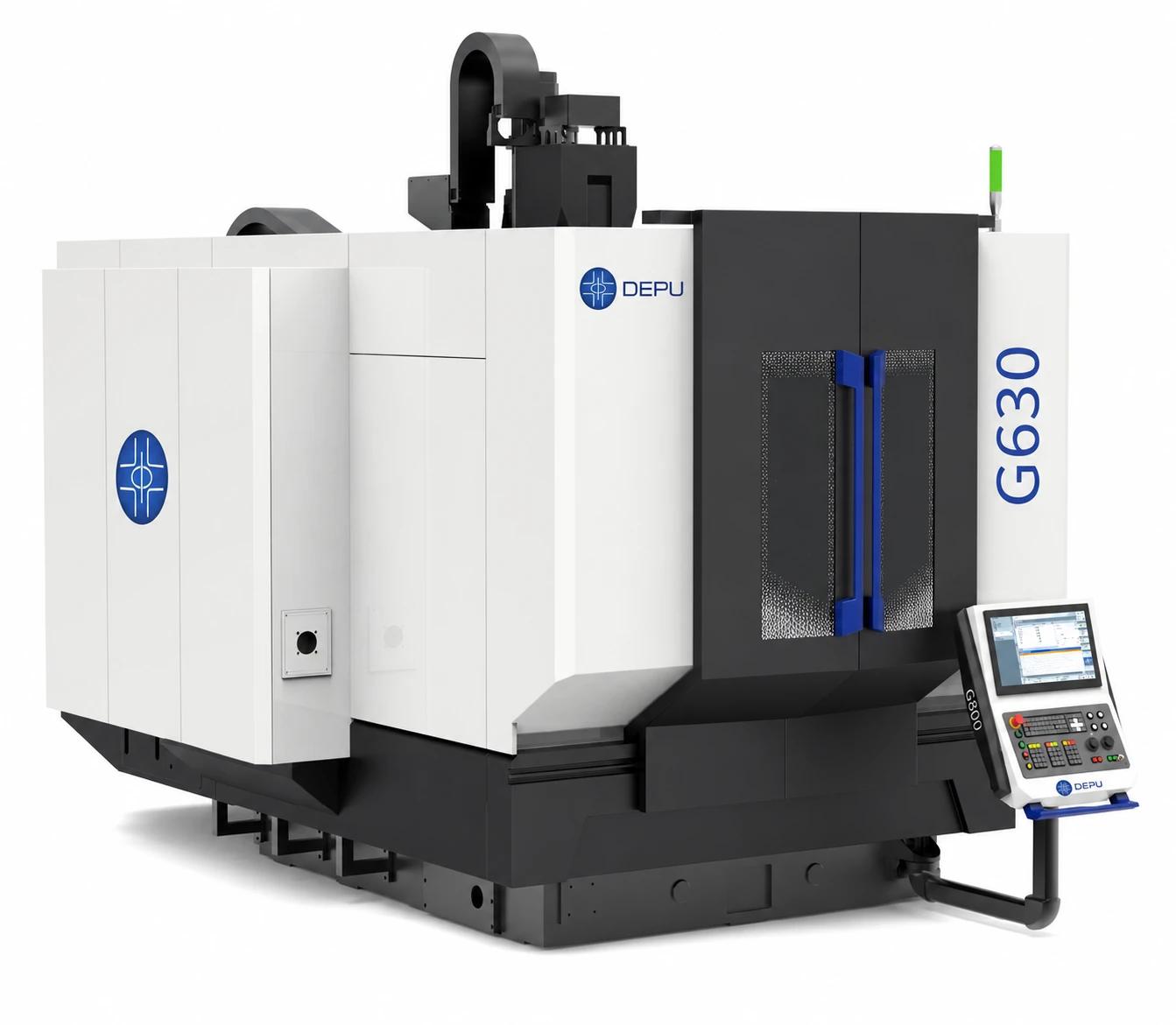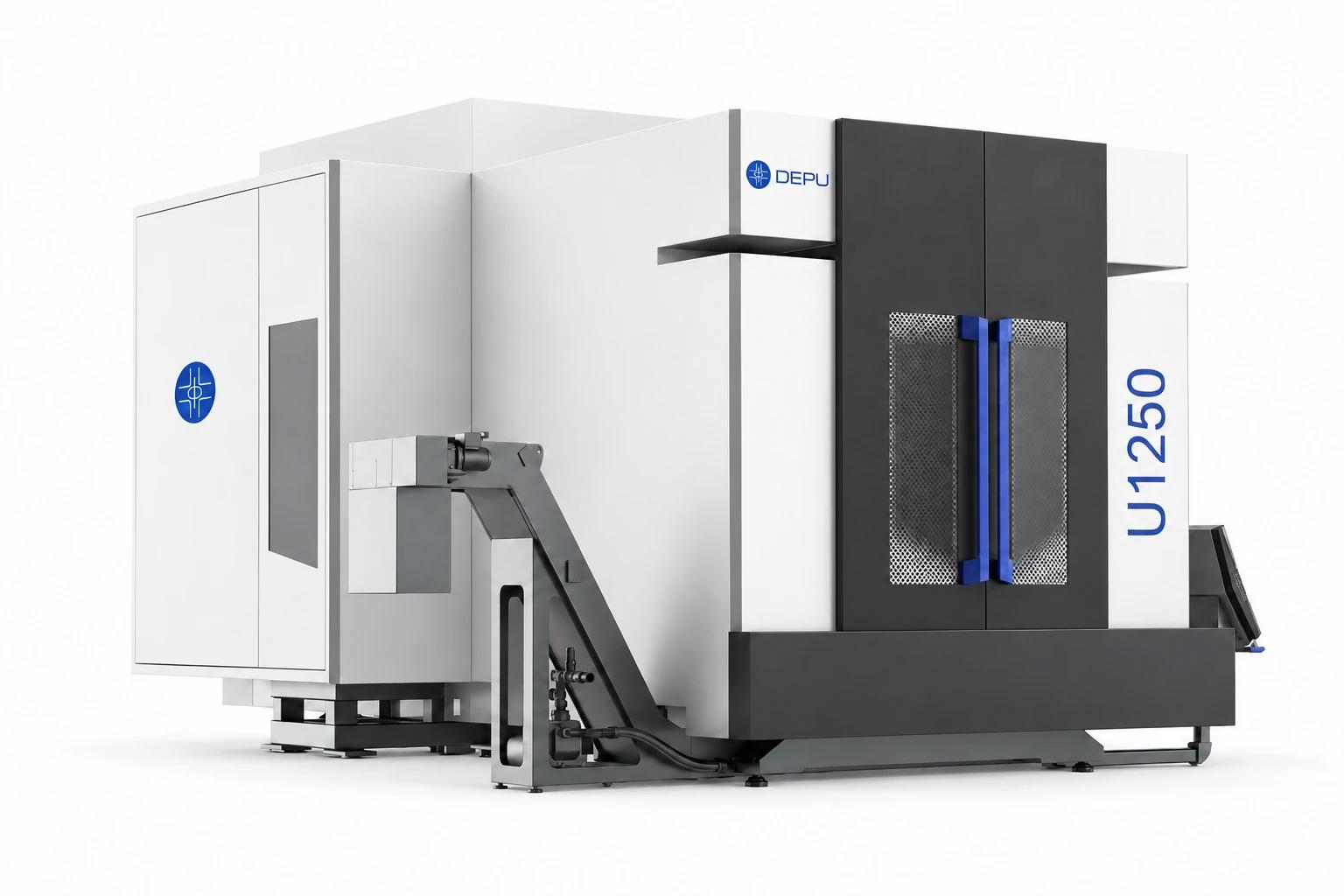
Machine weight and structural rigidity play a crucial role in high-precision 5-axis machining by improving vibration damping, cutting stability, and long-term accuracy.
The Relationship Between Machine Mass and Precision
In high-end manufacturing, machining accuracy is influenced not only by control systems or spindle technology but also by the physical characteristics of the machine itself.
One of the most overlooked factors is the relationship between machine mass and rigidity. In fact, machine weight and structural rigidity in 5-axis machining directly influence how the machine responds to cutting forces, vibration, and dynamic motion.
Heavier machines with well-designed structures provide a stable foundation that helps maintain consistent machining precision under demanding conditions.
Structural Rigidity: The Backbone of Precision Machining
Structural rigidity refers to the ability of the machine frame to resist deformation under cutting loads. In high-precision machining, even microscopic deflection can affect part accuracy.
Strong machine weight and structural rigidity in 5-axis machining ensure that the machine structure maintains alignment between the spindle, workpiece, and motion axes.
High-rigidity machines typically feature:
-
thick cast iron machine beds
-
reinforced column structures
-
wide-span linear guideways
-
optimized load distribution
These elements help maintain structural stability in CNC machines, especially during complex multi-axis operations.
Vibration Damping Through Machine Mass
During cutting operations, dynamic forces continuously interact with the machine structure. Without adequate mass and rigidity, these forces can generate vibration.
Effective machine weight and structural rigidity in 5-axis machining help absorb and damp these vibrations, improving CNC machine vibration control.
Reduced vibration leads to several important benefits:
-
improved surface finish
-
longer tool life
-
consistent dimensional accuracy
-
smoother cutting conditions
Heavier machine structures often provide better damping characteristics, which is essential for high-speed and high-precision machining.
Stability in Multi-Axis Machining
5-axis machining involves simultaneous movement across multiple axes, including both linear and rotary motion. This dynamic environment places significant stress on the machine structure.
Machines designed with strong machine weight and structural rigidity in 5-axis machining maintain stable geometry during complex movements.
This stability allows the machine to maintain accurate tool paths when machining intricate parts such as turbine blades, aerospace components, or precision molds.
Without structural stability, axis synchronization errors can accumulate and affect final part quality.
Load Capacity and Heavy-Duty Machining
Heavy-duty 5-axis machines are often used for machining difficult materials such as titanium alloys, hardened steel, or high-strength aluminum.
During these operations, cutting forces can be substantial. Machines with greater structural mass can better withstand these loads.
Strong machine weight and structural rigidity in 5-axis machining allow the machine to handle deeper cutting passes while maintaining positioning accuracy.
This capability is particularly important in industries such as aerospace, energy equipment manufacturing, and precision mold production.
Long-Term Accuracy and Structural Durability
Another advantage of increased machine mass and rigidity is improved long-term stability. Over time, machine components experience wear, thermal cycling, and continuous operational stress.
Machines built with high machine weight and structural rigidity in 5-axis machining maintain geometric alignment longer and resist structural fatigue.
Durable structures contribute to:
-
stable positioning accuracy
-
consistent machining quality
-
reduced recalibration frequency
This long-term reliability is essential for manufacturers operating in high-precision production environments.
Balancing Machine Weight with Dynamic Performance
While machine weight contributes to stability, it must be balanced with motion system design. Excessive mass in moving components can reduce acceleration and responsiveness.
Modern high-precision machines therefore combine heavy base structures with optimized moving assemblies. This design approach allows manufacturers to benefit from machine weight and structural rigidity in 5-axis machining without sacrificing machining efficiency.
Proper engineering ensures both stability and productivity.
Conclusion
High-precision 5-axis machining requires machines capable of maintaining stability under dynamic cutting conditions. Machine mass and structural rigidity form the physical foundation that supports accurate machining performance.
By integrating strong machine weight and structural rigidity in 5-axis machining, manufacturers can achieve better vibration control, improved surface quality, and long-term machining precision.
In advanced manufacturing, structural strength ultimately supports machining accuracy.
FAQ
1. Why does machine weight affect machining accuracy?
Heavier machines typically provide better vibration damping and structural stability, which helps maintain precise cutting conditions.
2. Is a heavier CNC machine always better?
Not always. While mass improves stability, machine design must balance weight with dynamic performance and axis responsiveness.
3. How does structural rigidity influence surface finish?
Rigid machine structures reduce vibration and chatter, leading to smoother surface finishes.
4. Which industries benefit most from heavy-duty 5-axis machines?
Industries such as aerospace, energy equipment manufacturing, and mold production often require machines with high structural rigidity and load capacity.
Originally published by DEPU on 16 Mar 2026.