
From Roughing to Finishing: Maintaining Stability Across the Entire Machining Process
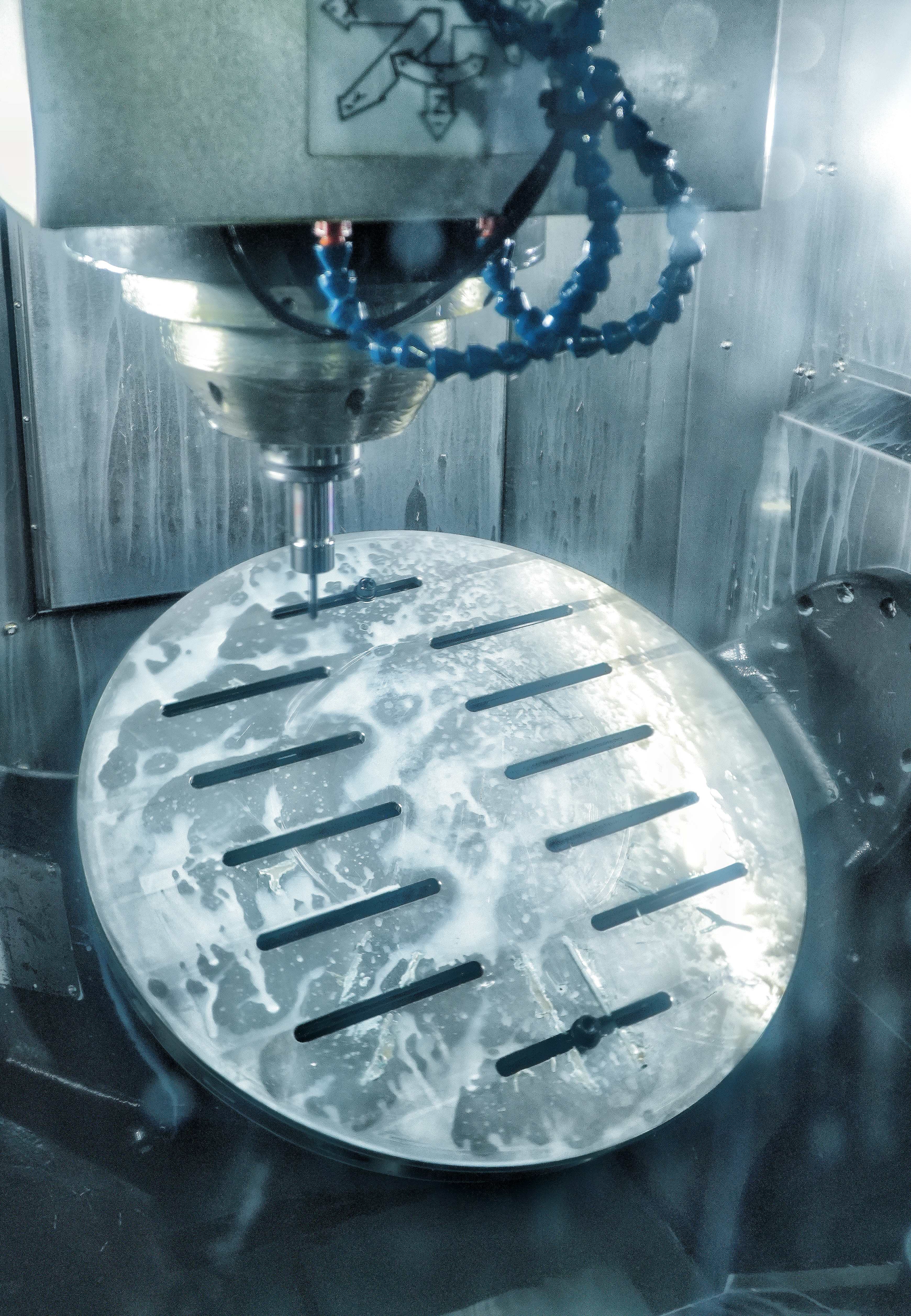
Introduction: Stability Across Every Stage
In precision machining, the transition from roughing to finishing is not just a change in cutting parameters—it is a test of the machine’s overall stability. While roughing focuses on material removal and efficiency, finishing demands extreme accuracy and surface quality.
In 5-axis CNC machining, maintaining stability throughout the entire process is critical. Without consistent dynamic stability CNC and cutting stability CNC, errors introduced during roughing can carry into finishing, compromising micron level machining and final part quality.
1. The Challenge of Roughing in 5-Axis CNC
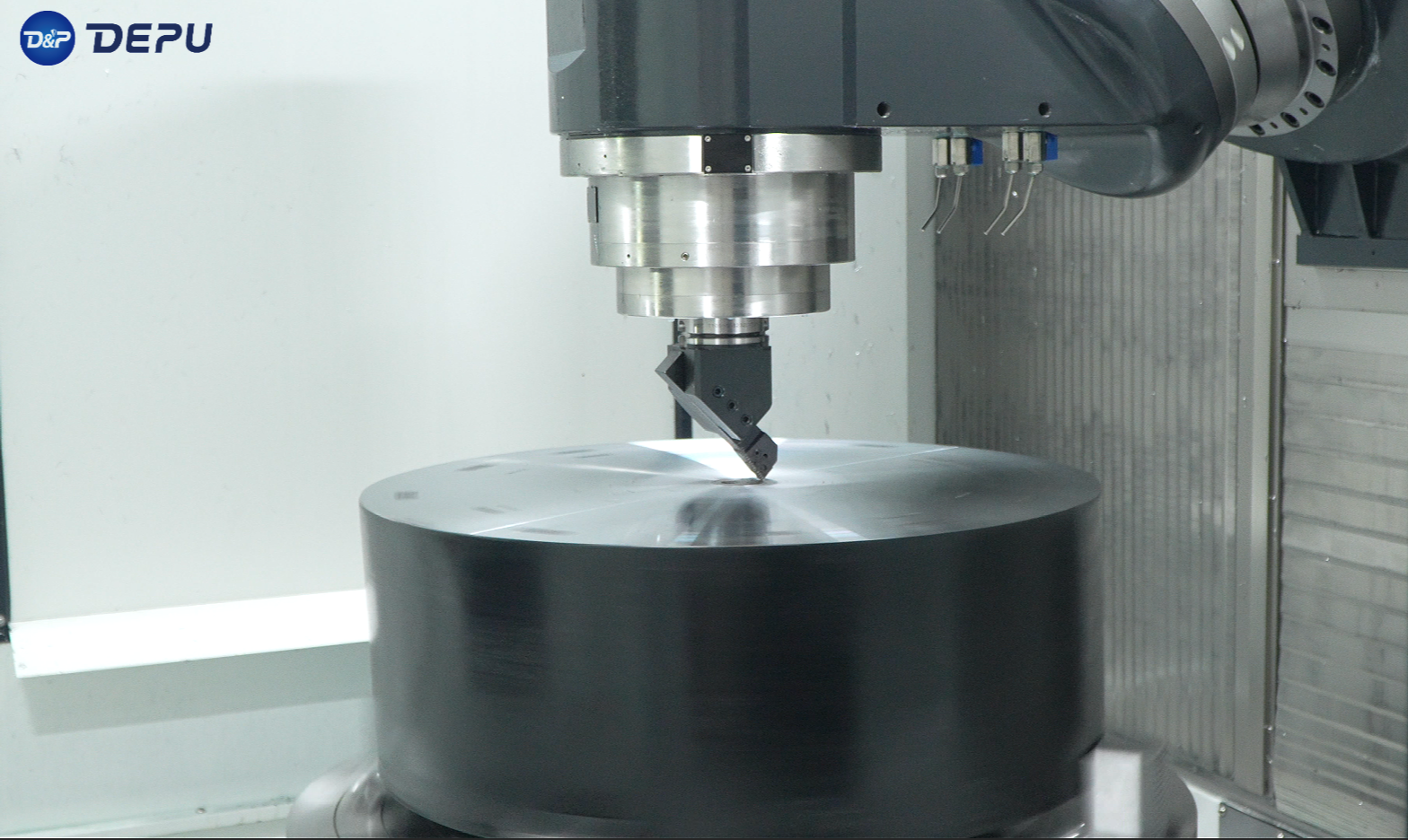
Roughing in 5 axis CNC involves aggressive cutting conditions:
-
High material removal rates
-
Large cutting forces
-
Significant heat generation
These conditions place high demands on:
-
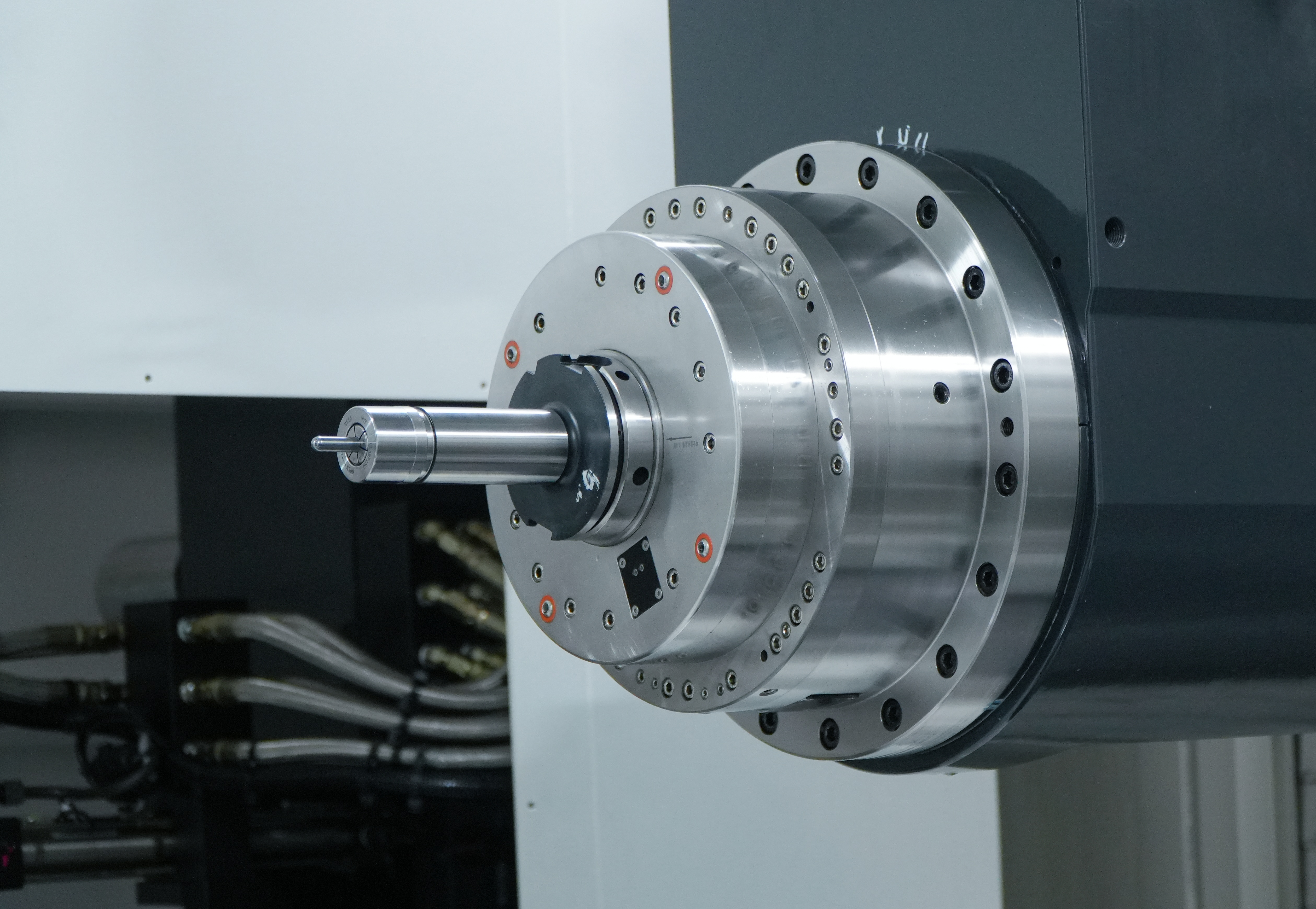
CNC machine rigidity
-
Structural strength
-
Thermal stability
If stability is not maintained during roughing, deformation and vibration can affect subsequent precision CNC machining steps.
2. Transitioning from Roughing to Finishing
The shift from roughing to finishing in 5-axis CNC machining requires a stable foundation.
Key challenges include:
-
Residual stress in the material
-
Thermal effects from previous operations
-
Changes in tool engagement
Maintaining stability ensures that finishing operations can achieve the required micron level machining without compensating for earlier inconsistencies.
3. Dynamic Stability CNC Throughout the Process
Dynamic stability CNC must be maintained across both roughing and finishing stages.
During roughing:
-
The machine must absorb high cutting forces
-
Vibration must be controlled
During finishing:
-
Motion must be smooth and precise
-
Toolpaths must be executed with high accuracy
Consistent dynamic stability CNC ensures that precision machining performance remains stable across the entire process.
4. Cutting Stability CNC and Surface Quality
Cutting stability CNC plays a crucial role in both stages:
-
In roughing: stable cutting prevents excessive tool wear and vibration
-
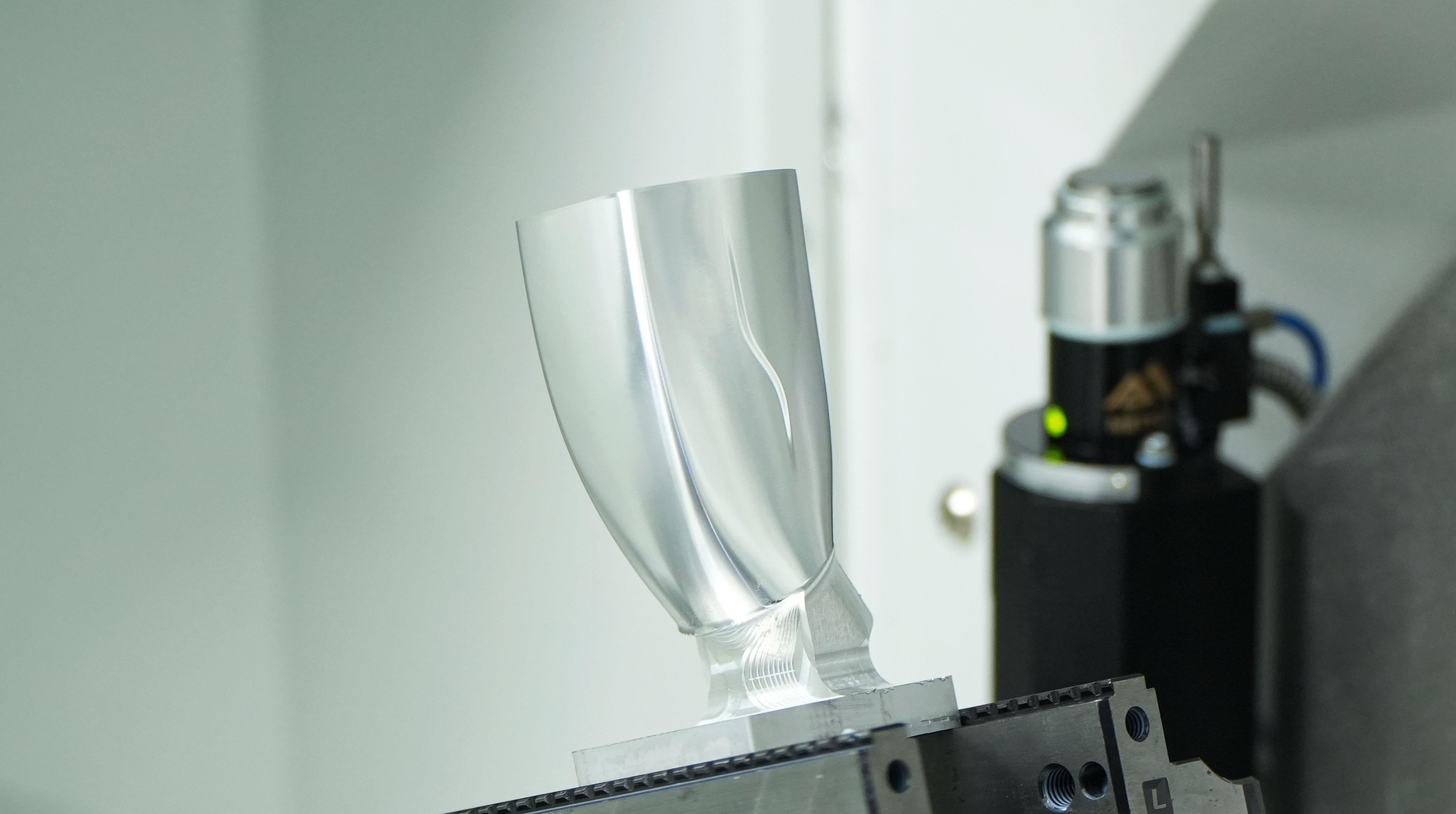
In finishing: stable cutting ensures smooth surface finish
Without proper cutting stability CNC, finishing operations cannot achieve the desired quality, even if 5 axis CNC positioning is accurate.
5. CNC Machine Rigidity and Structural Support
Strong CNC machine rigidity is essential for maintaining stability from roughing to finishing.
A rigid structure:
-
Minimizes deformation under heavy loads
-
Maintains geometric accuracy
-
Supports consistent precision CNC machining
In 5-axis CNC machining, rigidity ensures that both heavy roughing cuts and delicate finishing passes are executed reliably.
6. Micron Level Machining in Finishing Operations
Finishing requires achieving micron level machining, where even minor instability becomes critical.
Key requirements include:
-
Stable machine geometry
-
Smooth axis motion
-
Minimal vibration
Any instability carried over from roughing will directly affect finishing quality, making process-wide stability essential.
7. Process Integration in 5-Axis CNC Machining
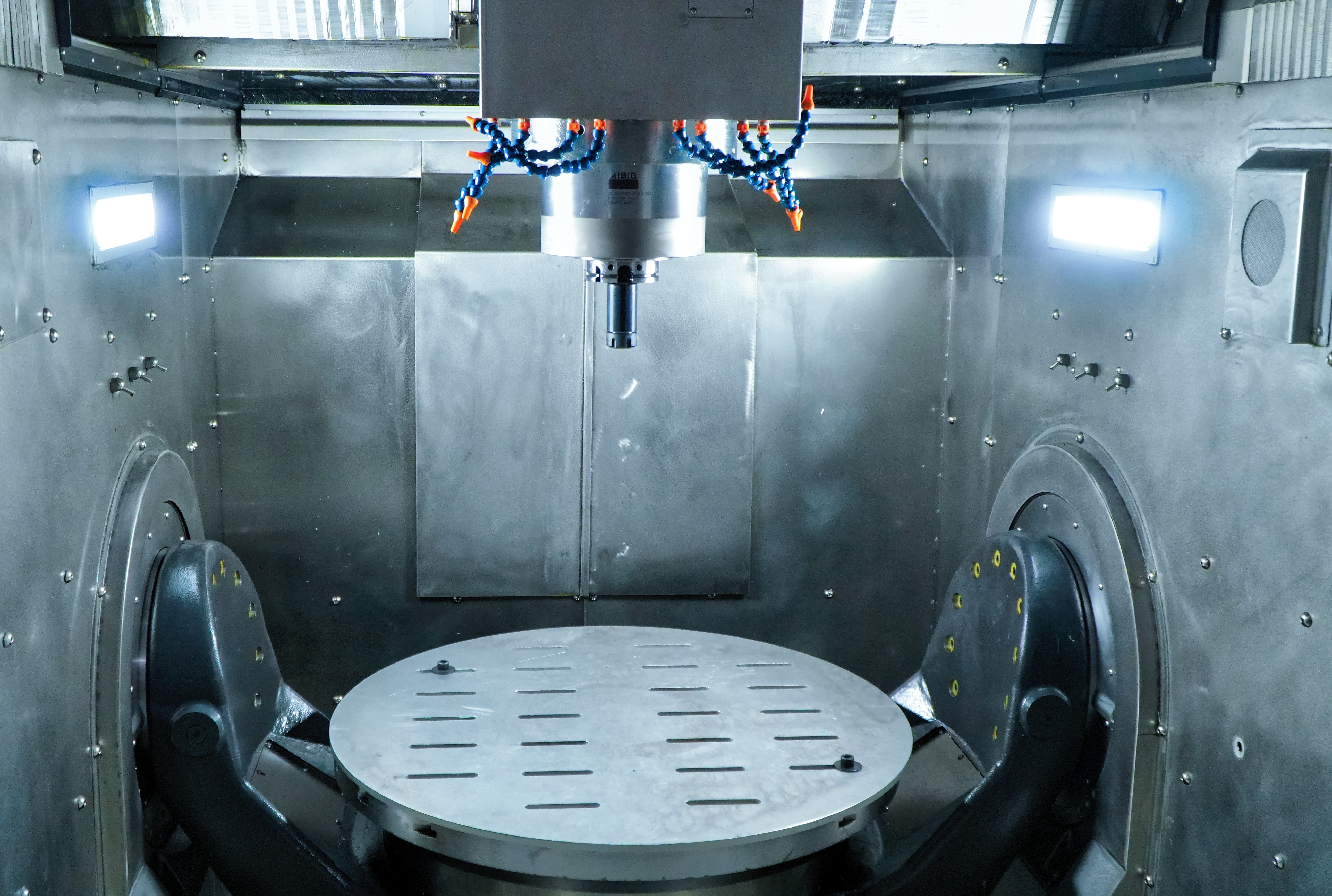
One of the main advantages of 5 axis CNC is the ability to integrate roughing and finishing in a single setup.
This reduces:
-
Setup errors
-
Repositioning inaccuracies
-
Process variation
By maintaining stability throughout, 5-axis CNC machining ensures consistent precision machining results and improved efficiency.
Conclusion: Stability Is a Continuous Requirement
In precision machining, stability is not limited to a single stage—it must be maintained from roughing to finishing.
In 5-axis CNC machining, consistent:
-
Dynamic stability CNC
-
Cutting stability CNC
-
CNC machine rigidity
-
Micron level machining capability
are essential for delivering high-quality results. Only by ensuring stability across the entire process can manufacturers achieve reliable, efficient, and high-performance precision CNC machining.
FAQ
1. Why is stability important from roughing to finishing?
Because instability in early stages can carry over and affect final accuracy and surface quality.
2. What challenges occur during roughing in 5 axis CNC?
High cutting forces, vibration, and heat generation, which require strong machine rigidity and stability.
3. How does dynamic stability CNC affect finishing?
It ensures smooth motion and accurate toolpaths, which are critical for achieving high surface quality.
4. Can finishing correct instability from roughing?
Only to a limited extent. Significant instability during roughing can permanently affect part accuracy.
5. Why is 5-axis CNC machining effective for process integration?
It allows multiple operations in a single setup, reducing errors and improving overall process stability.