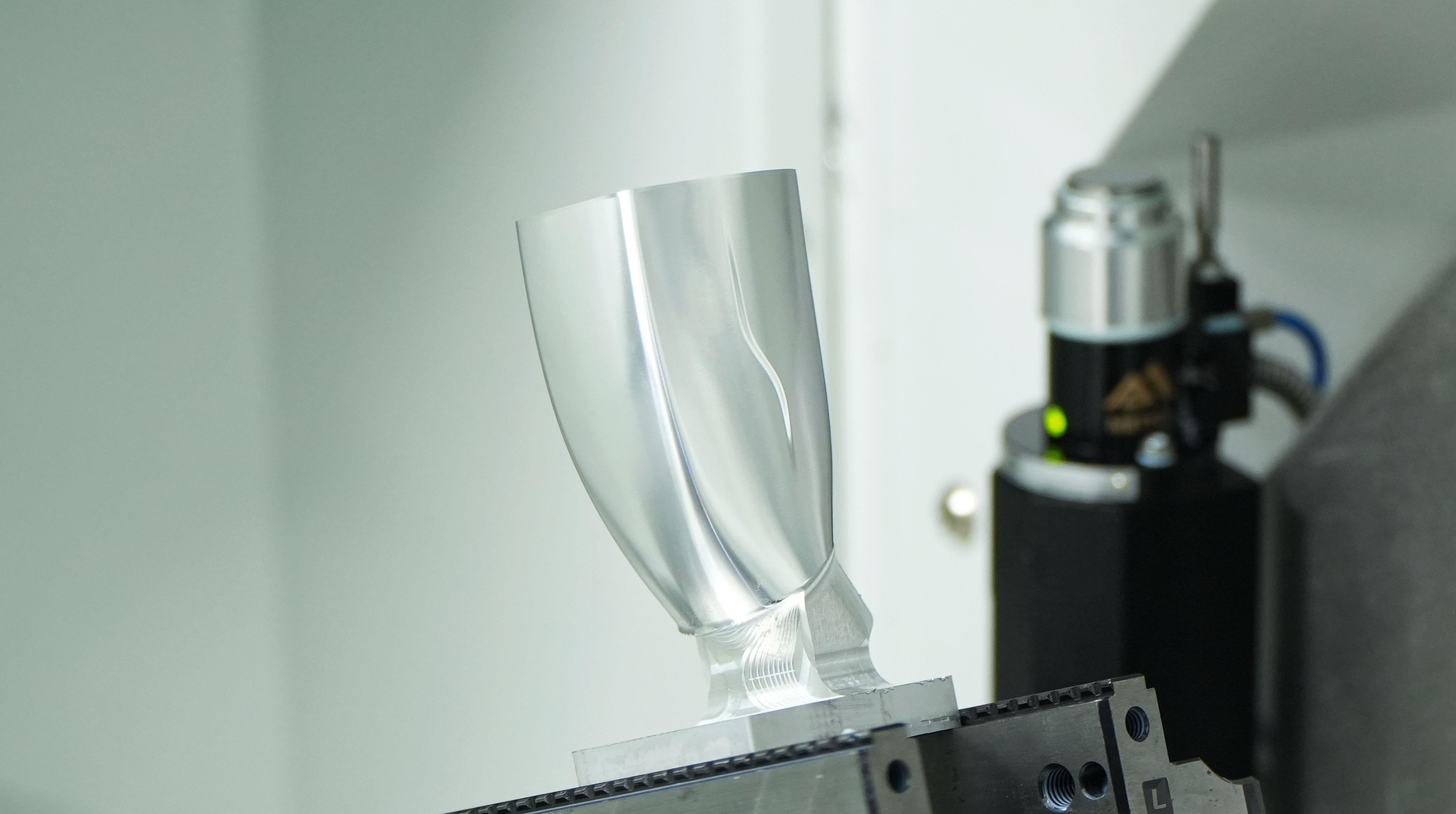

Why Dynamic Stability Matters in High-Speed Machining
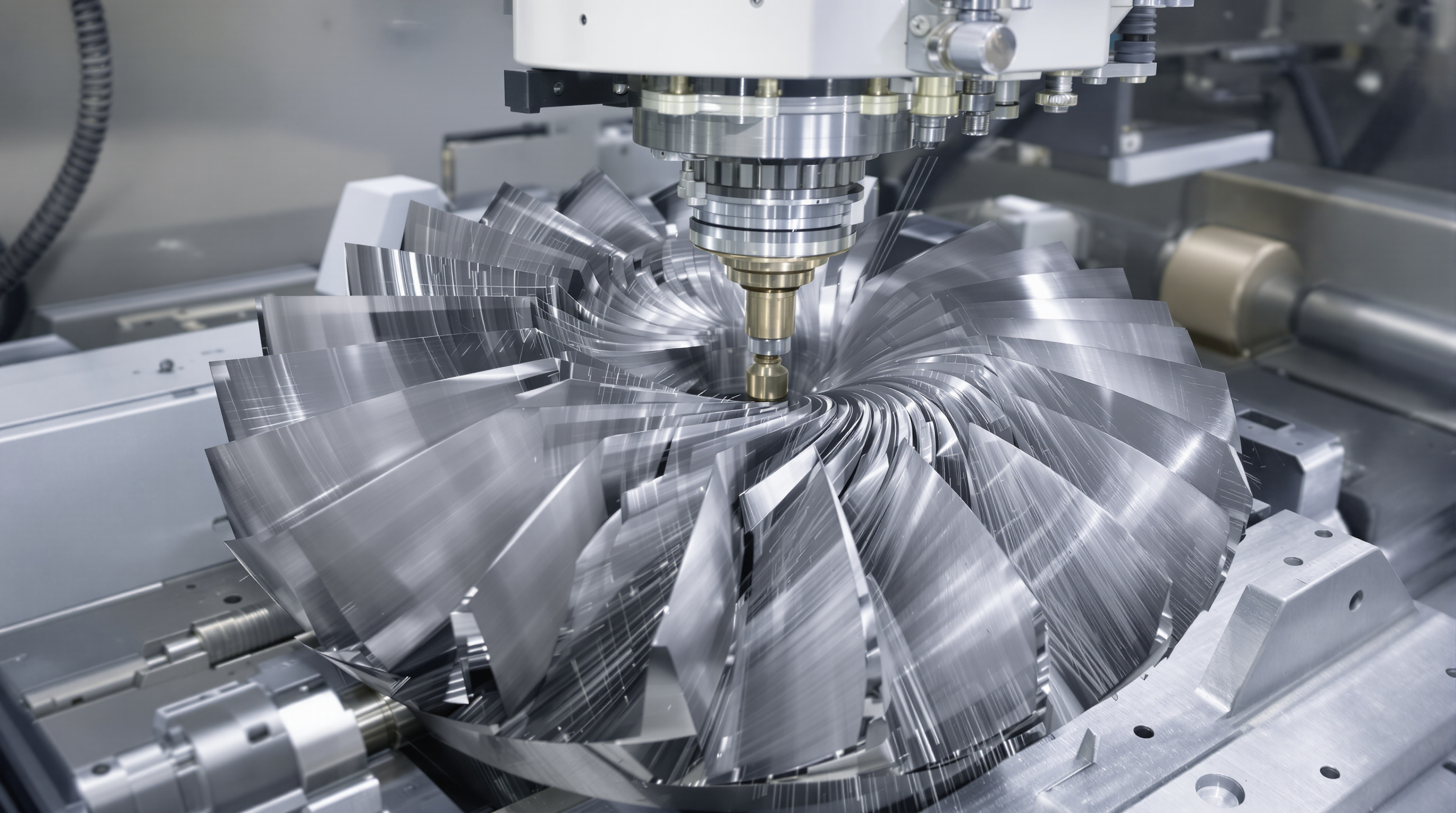
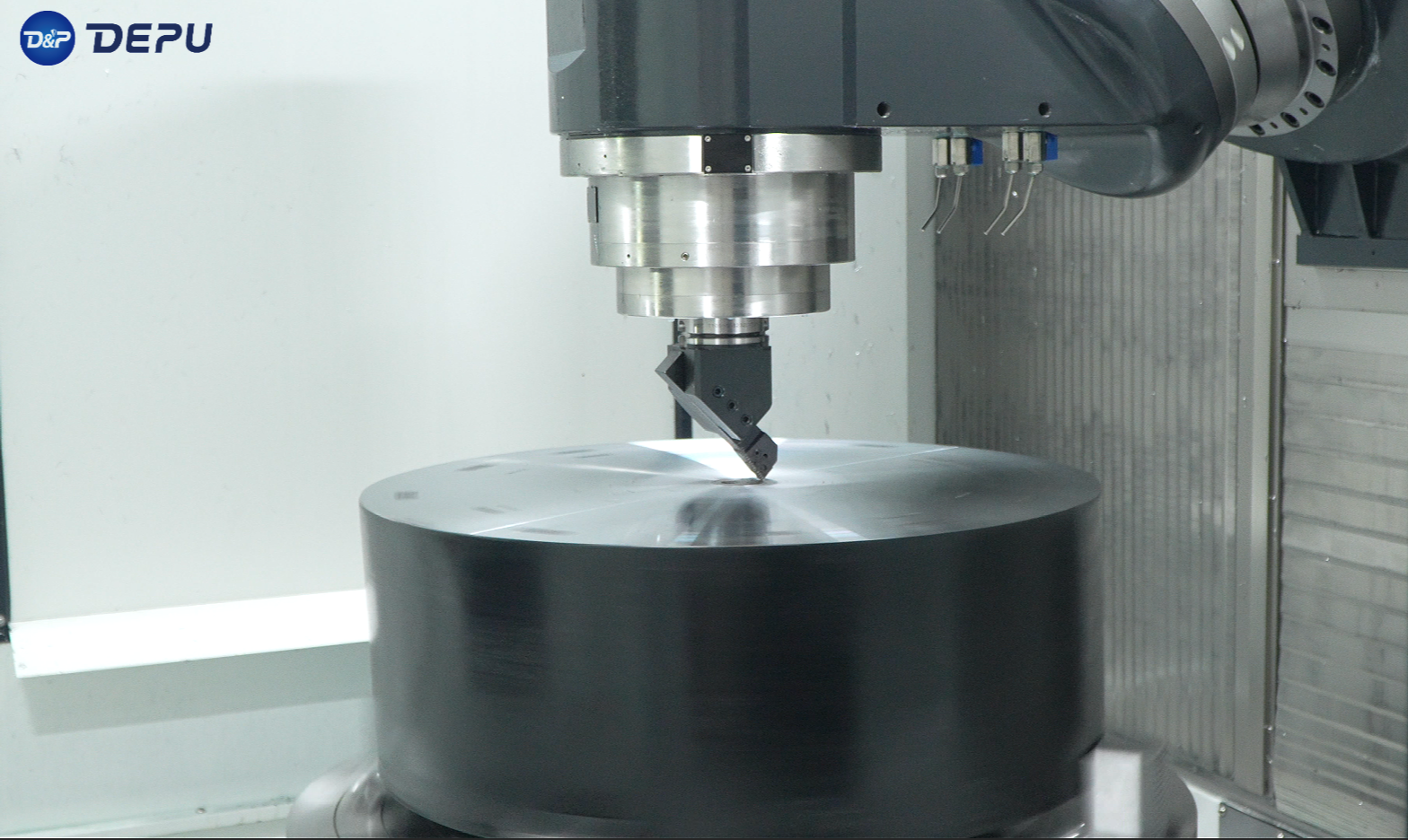
As manufacturing demands increase, high-speed CNC machining has become essential for improving productivity and reducing cycle times. However, higher speeds also introduce greater dynamic forces that can negatively impact machining performance.
This is where dynamic stability in high-speed CNC machining becomes critical. Dynamic stability refers to the machine’s ability to maintain controlled, stable motion under rapidly changing cutting forces.
Without sufficient stability, vibration and chatter can occur, reducing part quality and overall efficiency.
Understanding Chatter and Vibration
Chatter is one of the most common issues in high-speed machining. It is a self-excited vibration that occurs when cutting forces interact with the natural frequencies of the machine structure.
Poor dynamic stability in high-speed CNC machining often leads to:
-
visible surface marks or waviness
-
reduced dimensional accuracy
-
increased tool wear
-
potential damage to the machine
Controlling vibration is therefore essential for maintaining both machining quality and productivity.
Structural Design and Its Impact on Stability
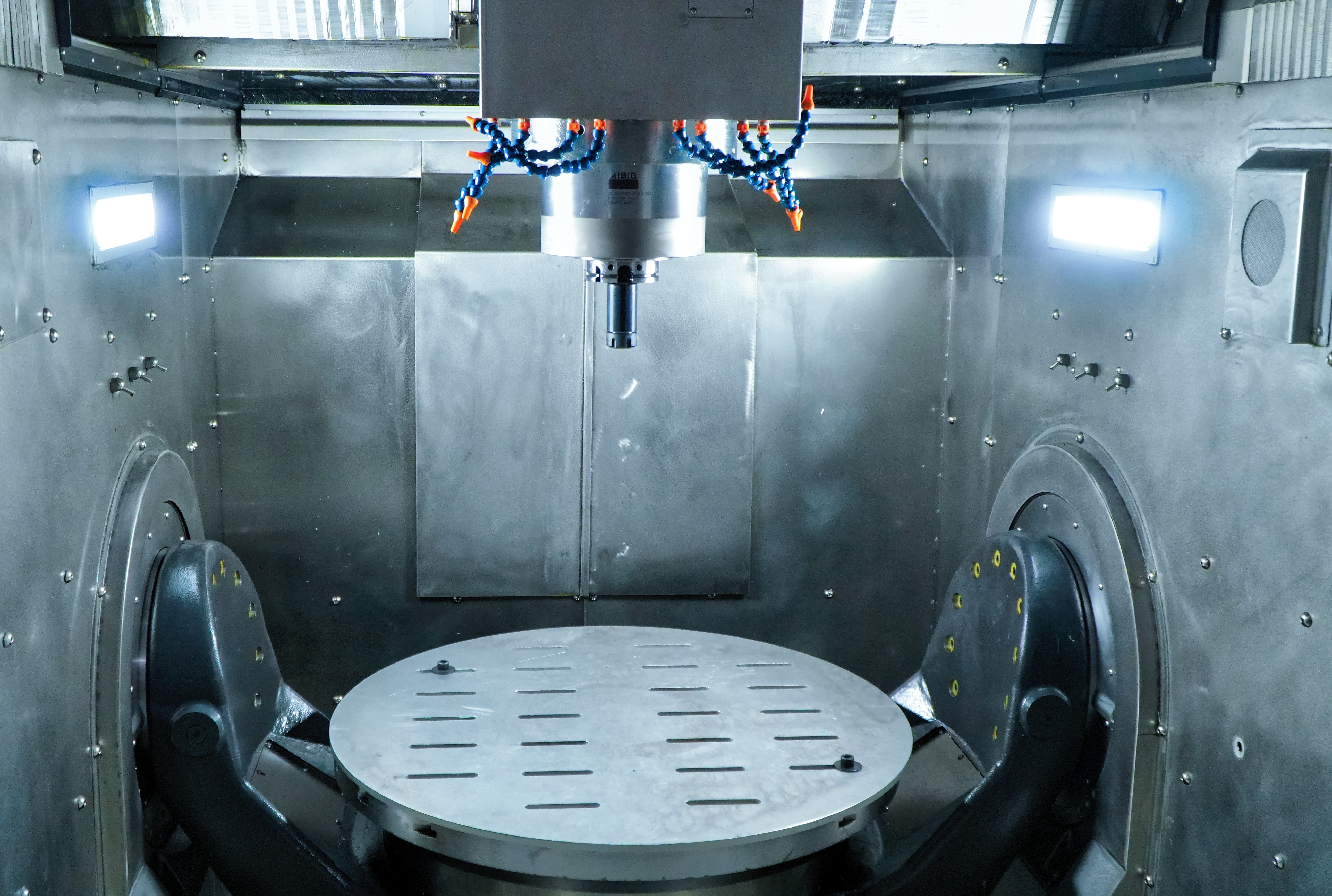
Machine structure plays a major role in determining dynamic stability in high-speed CNC machining. A rigid and well-balanced structure helps absorb cutting forces and minimize unwanted movement.
Key structural factors include:
-
high-mass machine bases for vibration damping
-
reinforced columns and gantry structures
-
optimized load distribution
-
short force transmission paths
Machines designed with strong structural integrity are better equipped to handle high-speed cutting conditions.
Spindle Performance and Stability
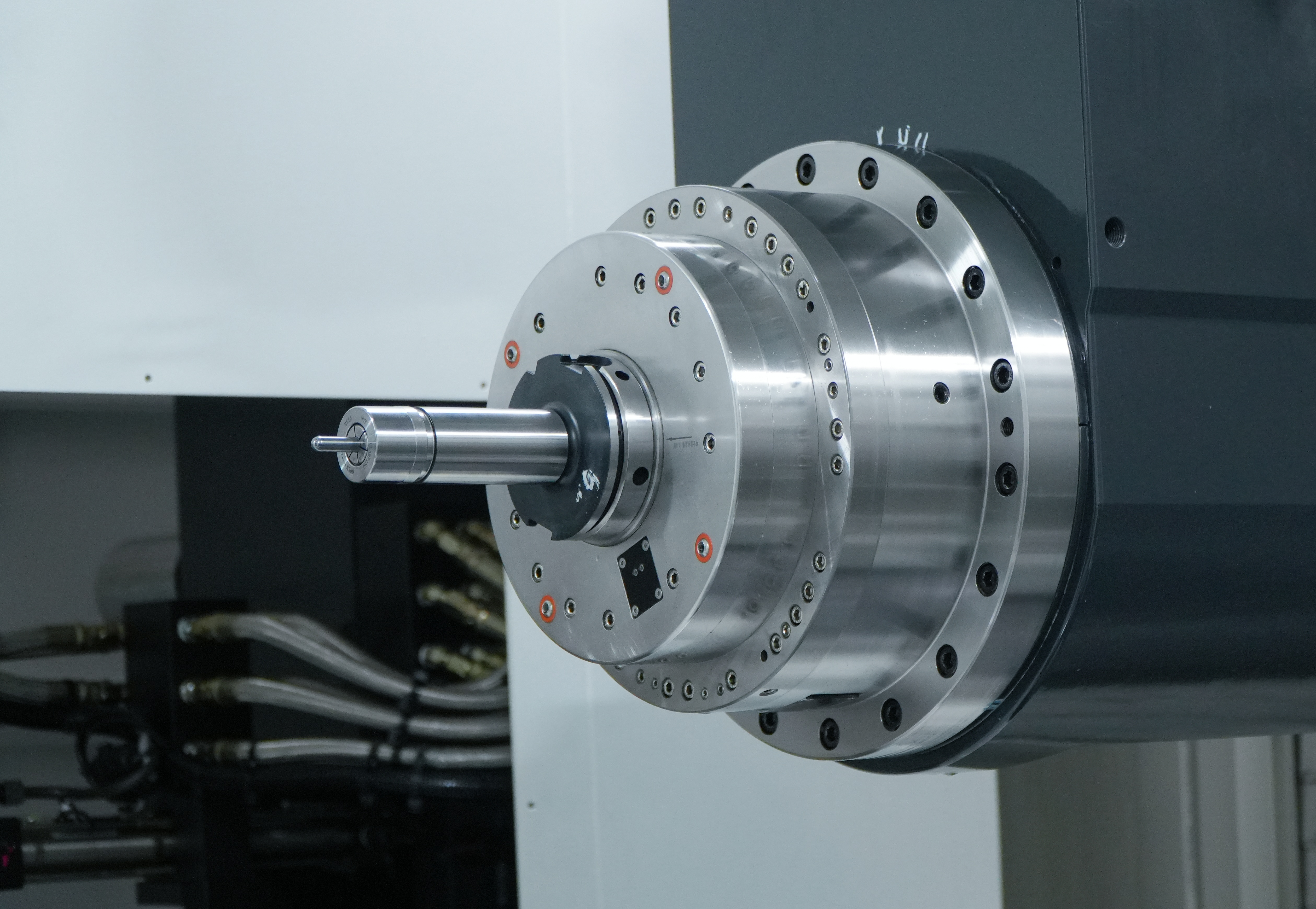
The spindle is a critical component in high-speed machining. Its balance, stiffness, and thermal behavior directly influence cutting stability.
Stable spindle systems contribute to dynamic stability in high-speed CNC machining by ensuring:
-
consistent rotational accuracy
-
minimal runout
-
reduced vibration at high RPM
-
efficient heat dissipation
High-quality spindle design is essential for maintaining stable cutting performance.
Role of Tooling and Tool Holders
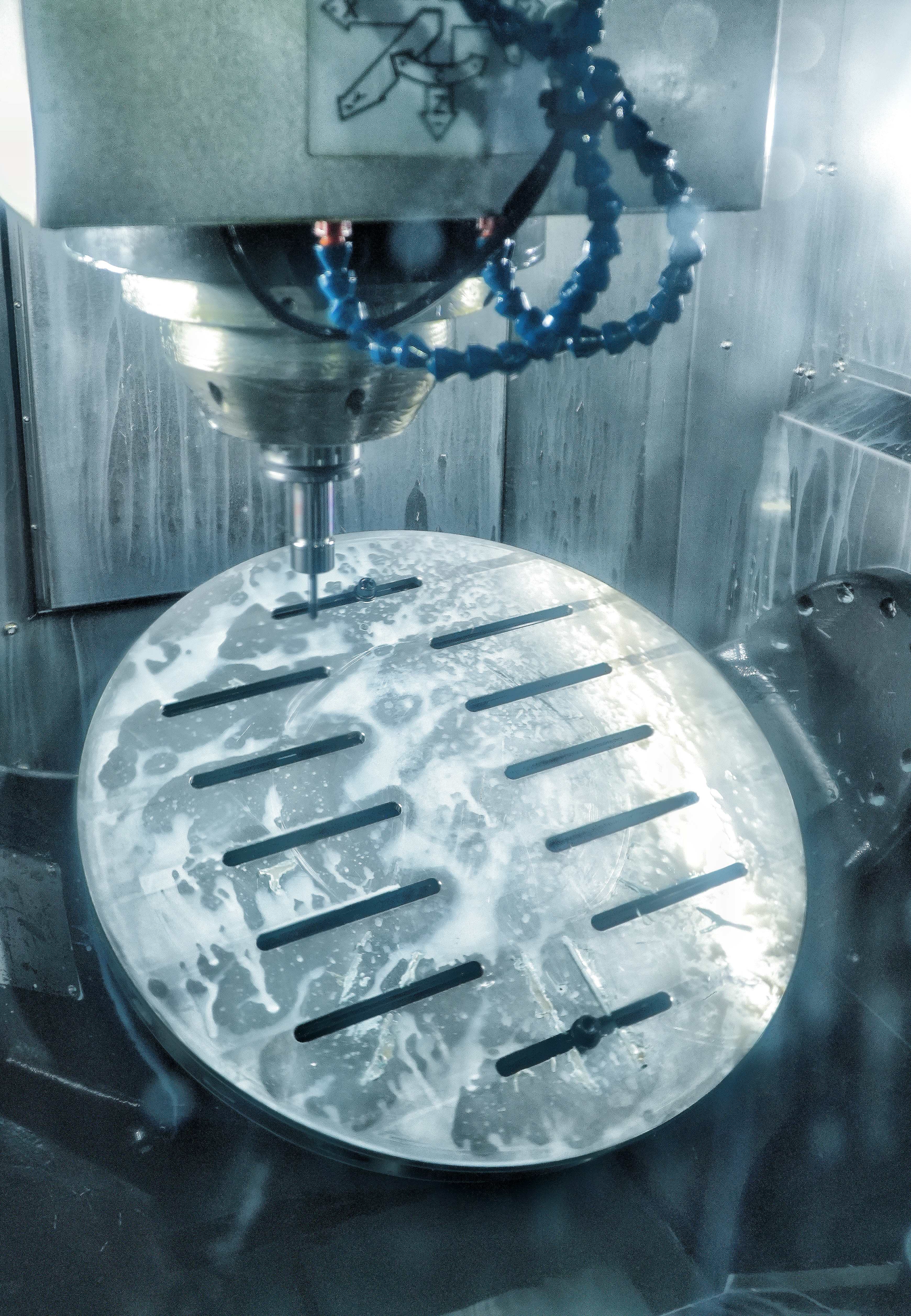
Tooling systems also affect machining stability. Long or improperly balanced tools can amplify vibration, especially at high speeds.
Improving dynamic stability in high-speed CNC machining involves:
-
using shorter tool overhangs
-
selecting balanced tool holders
-
optimizing cutting parameters
-
ensuring proper tool clamping
These measures help maintain stable cutting conditions and improve overall efficiency.
Control Systems and Real-Time Compensation
Modern CNC systems play a significant role in maintaining dynamic stability. Advanced control algorithms can monitor machine behavior and adjust motion parameters in real time.
These systems enhance dynamic stability in high-speed CNC machining by:
-
optimizing feed rates and acceleration
-
smoothing tool paths
-
compensating for vibration
-
improving multi-axis synchronization
Intelligent control systems help prevent instability before it affects machining results.
Benefits of High Dynamic Stability
Achieving strong dynamic stability in high-speed CNC machining provides multiple advantages:
-
superior surface finish quality
-
higher machining accuracy
-
longer tool life
-
increased material removal rates
-
improved overall productivity
These benefits are particularly important in industries requiring high precision and high efficiency.
Applications in Advanced Manufacturing
Dynamic stability is essential in applications where both speed and precision are critical, such as:
-
aerospace component manufacturing
-
high-precision mold making
-
automotive performance parts
-
medical device production
In these fields, maintaining stable machining conditions ensures consistent product quality and reduces production risks.
Conclusion
Dynamic stability is a fundamental requirement for successful high-speed CNC machining. As cutting speeds increase, the ability to control vibration and maintain stable motion becomes increasingly important.
By optimizing machine structure, spindle performance, tooling systems, and control technologies, manufacturers can significantly improve dynamic stability in high-speed CNC machining.
Ultimately, stability is what enables high-speed machining to deliver both precision and efficiency.
FAQ
1. What is dynamic stability in CNC machining?
It refers to the machine’s ability to maintain stable motion and resist vibration under changing cutting forces during operation.
2. What causes chatter in high-speed machining?
Chatter is caused by the interaction between cutting forces and the machine’s natural vibration frequencies.
3. How can dynamic stability be improved?
By enhancing machine rigidity, optimizing tooling, improving spindle performance, and using advanced control systems.
4. Why is dynamic stability important for surface finish?
Stable cutting conditions reduce vibration, resulting in smoother surfaces and higher-quality finishes.