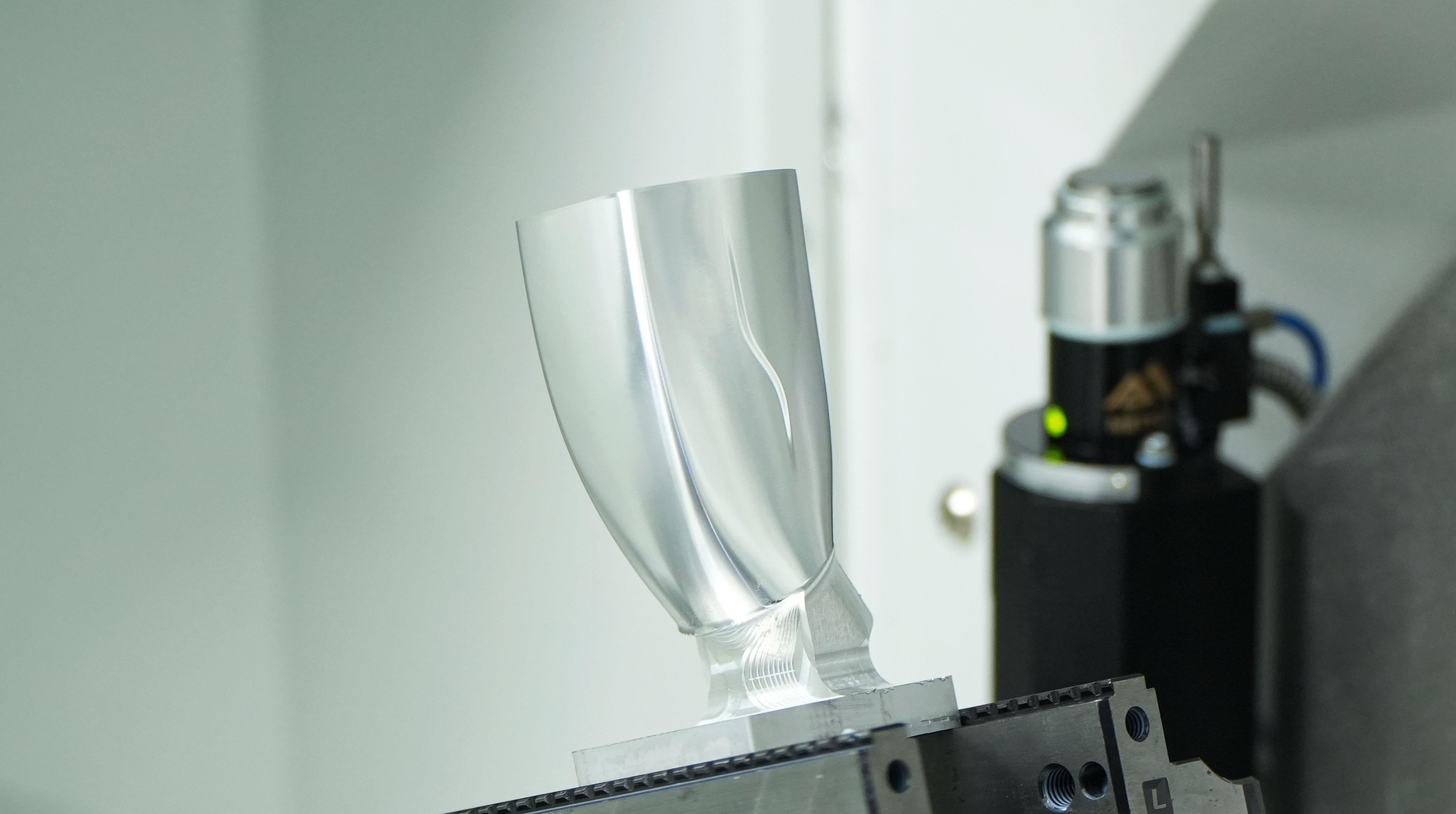

Why Complex Parts Fail Inspection—and What 5-Axis Machining Changes
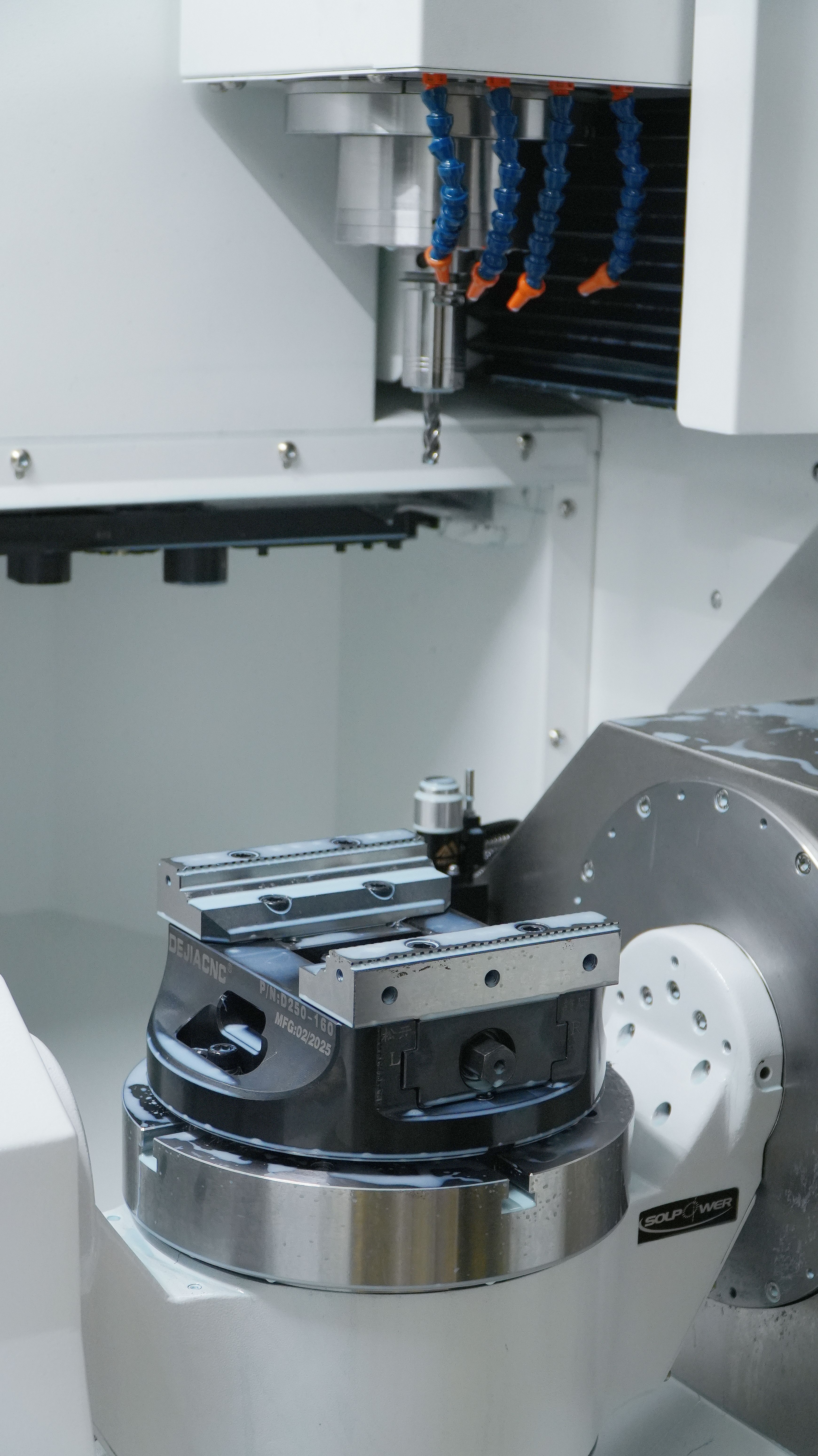
Introduction: Passing Inspection Is the Real Benchmark
In precision machining, producing a part is only half the challenge—the real test is passing inspection. In complex part machining, even small inconsistencies can lead to rejection, rework, or scrap.
Many manufacturers struggle with low pass rates not because of poor programming, but due to limitations in machining capability. This is where 5-axis CNC machining fundamentally changes the outcome, improving 5 axis machining accuracy and enabling consistent micron level machining.
1. Multiple Setups Create Cumulative Errors
One of the main reasons complex parts fail inspection is the reliance on multiple setups.
In traditional machining:
- Parts must be repositioned several times
- Each setup introduces alignment error
- Tolerances stack up across operations
These cumulative errors reduce precision CNC machining accuracy and increase the risk of inspection failure.
With 5 axis CNC, parts can be machined in a single setup, significantly improving 5 axis machining accuracy and reducing variation.
2. Inconsistent Micron Level Machining Across Surfaces
Complex parts often include multiple surfaces, curves, and angles. Maintaining consistent micron level machining across all features is extremely difficult.
Challenges include:
- Varying cutting conditions
- Changing tool orientation
- Differences in machine response
Without stable conditions, precision machining results become inconsistent, leading to failed inspections.
5-axis cnc machining improves consistency by maintaining continuous tool control and stable machining conditions.
3. Machine Geometry and Kinematic Errors
In complex part machining, accurate geometry is critical.
Problems arise when:
- Machine geometry is not stable
- Kinematic errors accumulate
- Toolpaths are not executed precisely
These issues directly affect 5 axis machining accuracy and can cause parts to fall outside tolerance.
Advanced 5-axis CNC machining systems are designed to maintain stable kinematics and geometry, ensuring reliable precision CNC machining.
4. Poor Surface Consistency and Finish
Inspection is not only about dimensions—it also includes surface quality.
Common issues:
- Chatter marks
- Surface waviness
- Inconsistent finishes
These defects are often caused by unstable precision machining conditions and poor micron level machining control.
5 axis CNC improves surface consistency by enabling smoother toolpaths and better cutting angles, resulting in higher-quality precision CNC machining outcomes.
5. Limited Tool Access in Complex Geometries
In traditional machining, tool access is a major limitation.
Difficult-to-reach features may require:
- Special fixtures
- Manual finishing
- Additional setups
These workarounds introduce variability and reduce precision machining consistency.
With 5-axis cnc machining, improved tool access allows:
- Optimal tool orientation
- Better cutting conditions
- More accurate feature machining
This significantly improves inspection pass rates.
6. Process Variation and Human Error
Manual intervention increases variability in complex part machining.
Issues include:
- Operator-dependent setups
- Inconsistent process control
- Variation between batches
5 axis CNC reduces human error through automation and process integration, ensuring consistent precision CNC machining and improved inspection reliability.
7. Machine Tool Structure Design and Stability
Underlying all these issues is machine tool structure design.
A stable structure provides:
- High rigidity
- Strong dynamic stability
- Consistent geometry
These factors are essential for achieving reliable micron level machining and maintaining 5 axis machining accuracy.
Conclusion: From Trial-and-Error to First-Pass Success
Complex parts fail inspection not because they are impossible to machine, but because traditional processes introduce too much variability.
5-axis CNC machining changes this by enabling:
- Higher 5 axis machining accuracy
- Consistent micron level machining
- Reliable precision CNC machining across all features
By reducing setups, improving tool access, and ensuring stable machining conditions, 5 axis CNC helps manufacturers move from trial-and-error production to consistent first-pass success.
FAQ
1. Why do complex parts often fail inspection?
Because of accumulated errors from multiple setups, inconsistent machining conditions, and poor surface quality.
2. How does 5-axis CNC machining improve inspection pass rates?
It reduces setups, improves accuracy, and ensures consistent machining across complex geometries.
3. What role does micron level machining play in inspection?
It ensures tight tolerances are met consistently, which is critical for passing inspection.
4. Can surface quality affect inspection results?
Yes. Surface defects such as chatter or waviness can cause parts to fail even if dimensions are correct.
5. Is 5 axis machining more reliable for complex parts?
Yes. It provides better control, consistency, and accuracy, making it ideal for complex part machining.