How 5-Axis Machining Reduces Operations and Improves Accuracy
Five axis CNC machines let cutting tools move freely along all five axes at once, which means they can reach parts from almost every possible direction.
Better questions. Better machining decisions.
Explore the processes, technologies and thinking behind precision manufacturing.
Machine selection, process thinking and industry perspectives.
Five axis CNC machines let cutting tools move freely along all five axes at once, which means they can reach parts from almost every possible direction.
Discover how 5-axis CNC machining accelerates automotive prototyping and die-casting mold production with single-setup accuracy and faster lead times.
Turbine blades used in aerospace applications face some pretty brutal conditions, operating at temperatures that would melt most metals while spinning faster than 10,000 revolutions per minute. Get...
Modern CNC machines routinely achieve tolerances within ±0.001 inches, making them indispensable for industries like aerospace and medical device manufacturing. This level of precision ensures components fit perfectly in high-stress environments while minimizing material waste and rework costs.
Today's precision machining shops depend heavily on Computer Numerical Control (CNC) systems to hit those super tight tolerances around ±0.0005 inches, something absolutely necessary for sectors like aerospace and medical device manufacturing.
Precision machining relies on computer numerical control (CNC) machines and meticulous techniques to create parts with tolerances down to plus or minus 0.001 millimeters.
The aerospace industry needs parts manufactured with incredible precision these days, sometimes down to just a few microns. Components are frequently built to specs that demand tolerances better than plus or minus 0.0001 inches according to AMT Machine's latest report from 2025.
Precision machining refers to a subtractive manufacturing method where computer controlled CNC machines are used to make parts with extremely tight tolerances, sometimes down to plus or minus 0.005 inches.
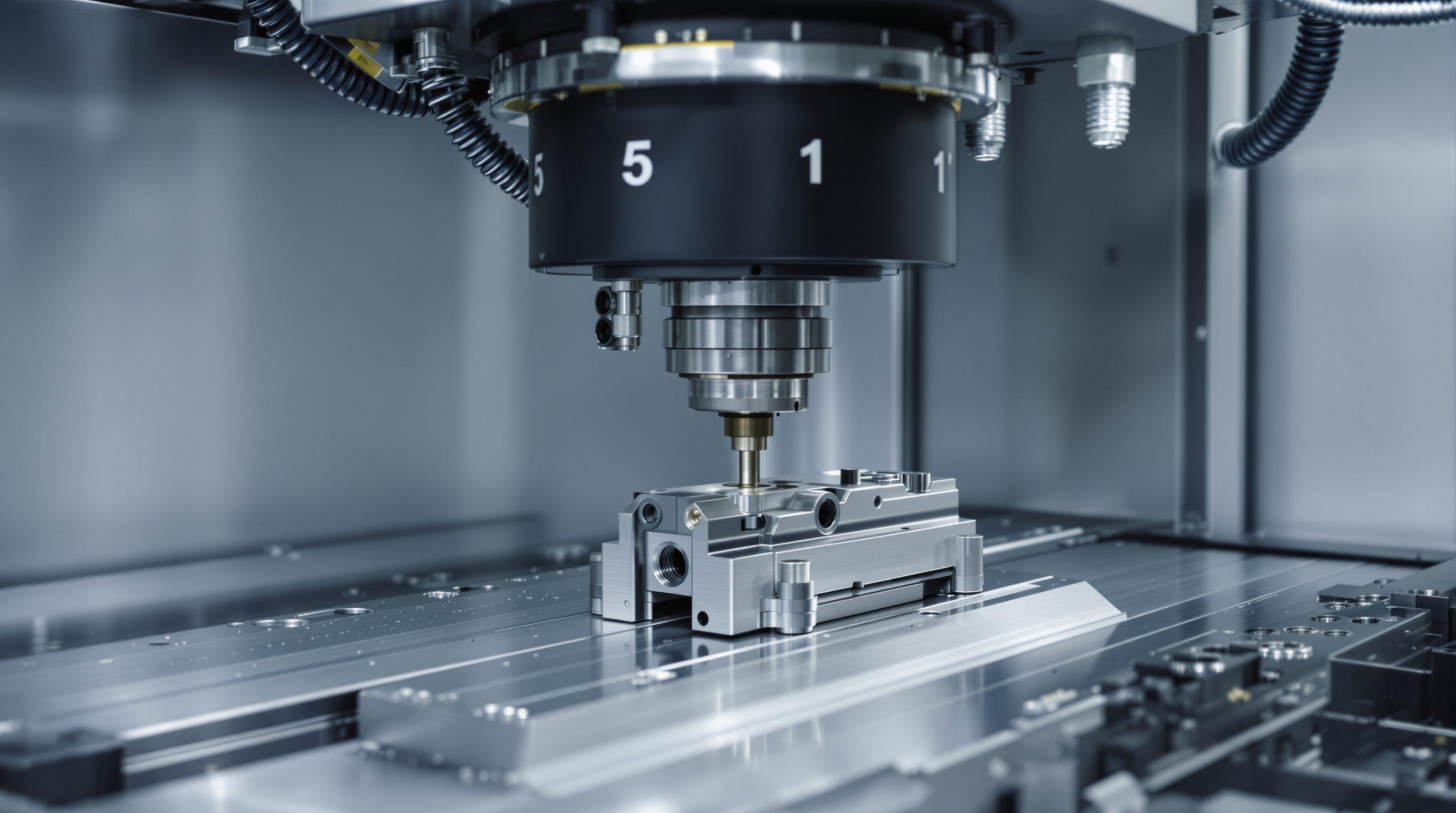
When parts can be machined through multiple operations while still clamped in place, 5 axis mills significantly reduce those little errors that build up when parts get moved around too much during production.
Explore the machine architecture behind the process. Start with your workpiece, then consider the configuration.
Tell us what you need to machine.
Let's explore the right platform, together.